Introduction: The Erosion of International Accountability
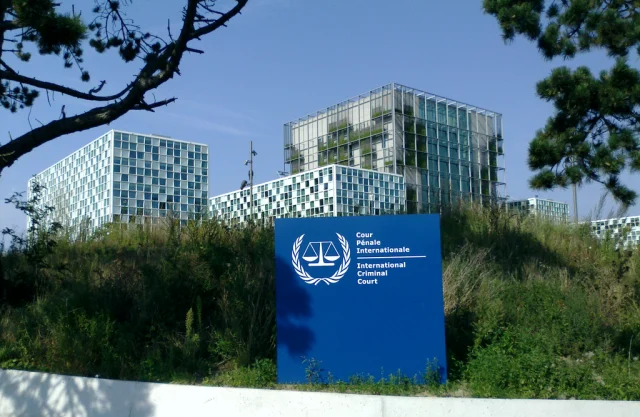
The landscape of international criminal justice faces a seismic shift as the Alliance of Sahel States (AES)—comprising Burkina Faso, Mali, and Niger—moves to formally sever ties with the International Criminal Court (ICC). By submitting notifications of withdrawal from the Rome Statute, these three nations have signaled a rejection of the global legal architecture designed to hold perpetrators of the world’s most heinous crimes accountable.
For thousands of survivors caught in the crossfire of one of the world’s most violent insurgencies, this move represents more than a bureaucratic maneuver; it is a profound betrayal. Amnesty International and other human rights monitors warn that this decision effectively strips conflict victims of their last viable recourse for truth, justice, and reparations, while simultaneously emboldening those who operate with a climate of total impunity.
Chronology of a Geopolitical Withdrawal
The path to this withdrawal was paved by a series of escalating political tensions between the Sahelian military juntas and Western institutions.
- September 22, 2025: The AES, a mutual defense and economic confederation, made the official announcement of their intent to withdraw from the ICC. In a joint communiqué, the coalition characterized the court as an instrument of "neo-colonialism" and "selective justice," asserting that their national sovereignty took precedence over international judicial oversight.
- June 18, 2026: Niger became the first nation to formally deposit its written instrument of withdrawal with the United Nations Secretary-General, triggering the procedural requirements of Article 127 of the Rome Statute.
- June 24, 2026: Burkina Faso and Mali followed suit, completing the trio’s formal exit process.
- The One-Year Window: Under the Rome Statute, withdrawal does not become effective until one year after the formal notification is received. During this interim period, the court retains jurisdiction over crimes committed while the states were members, but the political signal of the exit has already created a vacuum of accountability.
This collective exit follows a historical trend of states withdrawing from the ICC—such as Burundi and the Philippines—though the scale and regional nature of the AES withdrawal present a unique challenge to the universality of international criminal law.
The Humanitarian Crisis in the Sahel
The withdrawal comes at a time when the region is grappling with a catastrophic security collapse. The Sahel war, characterized by surging jihadist offensives, has left millions of civilians vulnerable to mass atrocities.
The Anatomy of Violence
The region is currently defined by a "triple threat": persistent insurgent groups, state security forces, and increasingly, paramilitary groups with documented ties to the Kremlin. Human rights reports have consistently cataloged:
- Extrajudicial Killings: State forces, often operating alongside foreign mercenaries, have been implicated in massacres that go uninvestigated by local judicial systems.
- Gender-Based Violence: Women and girls in the Sahel are living in a permanent climate of terror. The scale of systemic gang rapes, abductions, and forced marriages has reached a level that the UN classifies as a war crime and a crime against humanity.
- Systemic Impunity: Because the internal judicial systems in all three countries have been effectively paralyzed by military rule and the breakdown of the rule of law, the ICC served as the final pillar of hope for victims seeking justice.
Official Responses and Justifications
The AES states have framed their withdrawal as an act of "decolonization." By rejecting the ICC, the military leadership claims they are reclaiming their autonomy from Western-led institutions that they perceive as biased against African nations.
The AES Position
The leadership of the AES argues that the ICC focuses disproportionately on African conflicts while ignoring human rights violations in other parts of the world. Their proposed solution is the creation of a "Sahel Criminal Court for Human Rights," which they contend will be more attuned to the local realities and sovereignty of the Sahelian people. However, critics point out that this court remains an abstract concept, lacking the independence, resources, and international legitimacy of the Hague-based institution.
The International Perspective
Human rights organizations, including Amnesty International and Human Rights Watch, have been scathing in their critiques. Marceau Sivieude, Amnesty International’s regional director for West and Central Africa, stated:
"Withdrawing from the ICC amounts to a headlong retreat by these governments from their international law and justice obligations. It will also further imperil civilian lives and further enshrine impunity for crimes under international law."
International legal scholars argue that the "Sahel Criminal Court" is unlikely to function as an impartial body. Given that the juntas in power have already demonstrated a propensity for silencing domestic dissent and suppressing media, there is little expectation that such a court would ever hold government-aligned forces accountable for human rights abuses.
Implications: A Future of Waning Rights
The withdrawal of these three nations will have long-term, devastating consequences for the victims of the Sahelian conflict.
The End of Legal Recourse
For a survivor of sexual violence or the family of a victim of a massacre, the ICC represented an external, neutral arbiter. With that path closed, victims are forced to rely on domestic courts that are either under the direct control of the military or are too weak to function in conflict zones. The result is a total silence—the "truth" of what happened during the war will likely be buried by the victors.
The Normalization of Impunity
When states exit the ICC, they signal to their own security forces and affiliated paramilitaries that their actions will not be subject to international scrutiny. This creates a "blank check" for human rights violations. History suggests that when accountability mechanisms are removed, the frequency and severity of state-led violence tend to increase.
The Fragmentation of Global Justice
The AES withdrawal is part of a larger, worrying trend of "sovereigntist" movements rejecting international norms. If other nations in the region follow suit, the Rome Statute could see its influence in Africa significantly diminished, threatening the ICC’s mission to provide a "court of last resort" for those whose governments have failed them.
Conclusion: The Long Road Ahead
The decision by Burkina Faso, Mali, and Niger to leave the International Criminal Court is a tragedy for the victims of the Sahelian crisis. While the governments involved claim they are acting in the interest of national sovereignty, the reality on the ground suggests that this move serves only to protect those in power from the consequences of their actions.
As the one-year countdown toward formal exit continues, the international community faces a difficult challenge. Can the UN, the African Union, and other regional bodies exert enough pressure to ensure that the human rights of Sahelian civilians remain a priority? Or will the region descend further into a cycle of violence, unchecked by the laws that were meant to protect the most vulnerable?
For now, the people of the Sahel remain in a state of suspended animation, waiting for justice that is increasingly unlikely to arrive. The withdrawal of the AES is not merely a legal or political event—it is a moral failure that leaves the innocent at the mercy of the powerful, with the world watching in helpless, mounting concern.