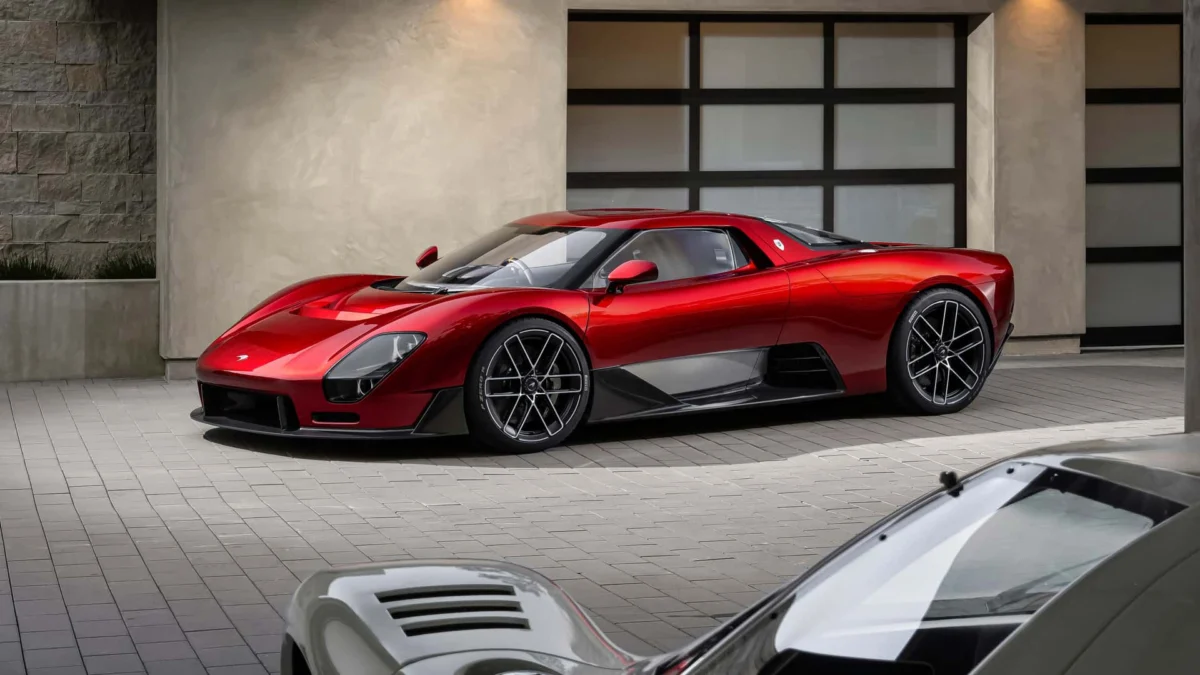
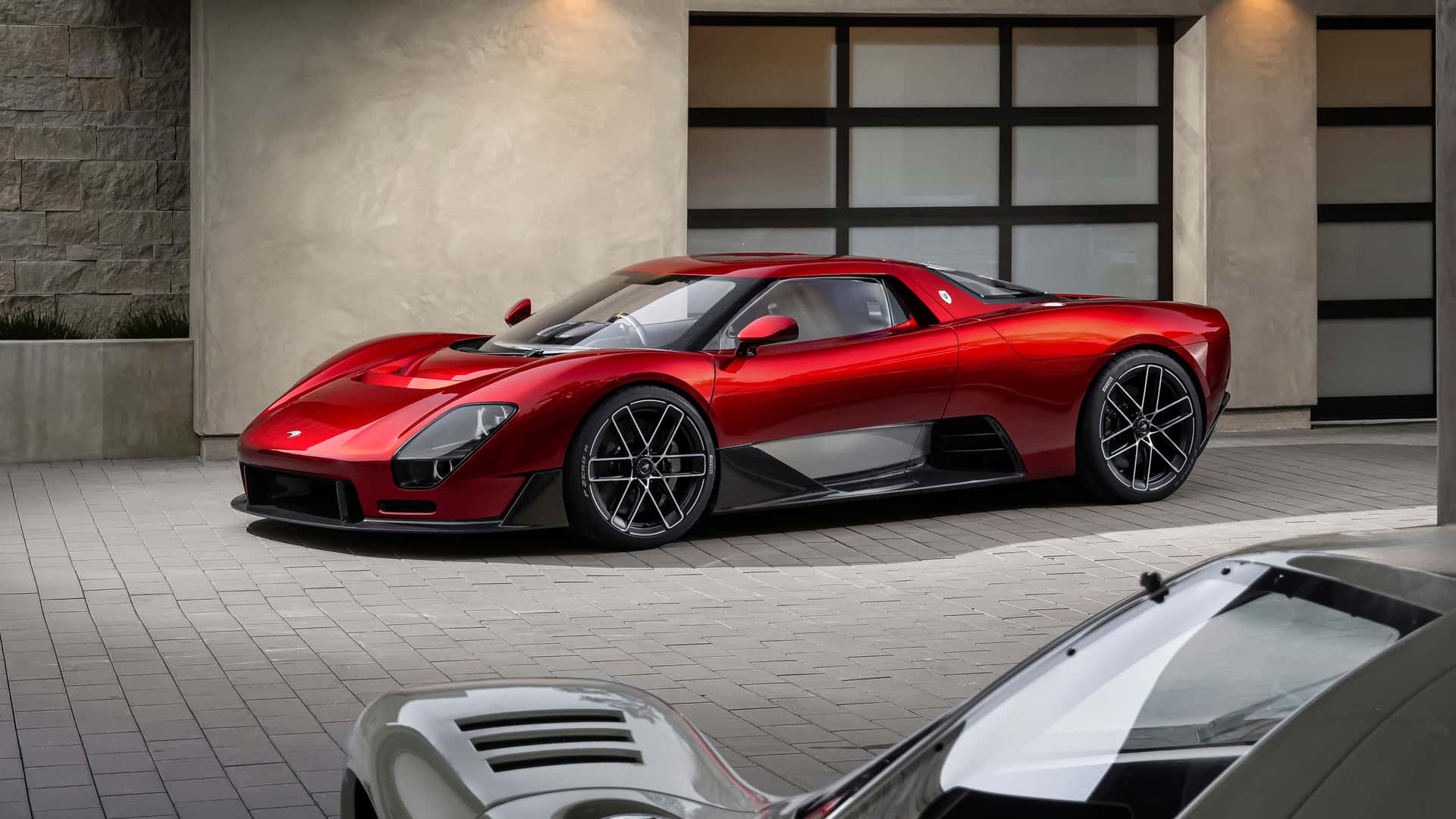
The automotive world was sent into a frenzy during Monterey Car Week when McLaren pulled the covers off the McL 6GT. For purists who have lamented the industry’s wholesale shift toward dual-clutch transmissions and hybridization, the reveal felt like a holy grail: a modern, carbon-fiber supercar equipped with a glorious, six-speed manual transmission. It was a tangible nod to the past, a love letter to the visceral, mechanical connection between driver and machine.
However, as the excitement settles, McLaren’s leadership is moving quickly to manage expectations. While the McL 6GT is an engineering marvel that pays homage to the brand’s origins, it is not a harbinger of a new design or mechanical philosophy for the Woking-based manufacturer.
A Historical Retrospective: The Legacy of the M6GT
To understand the gravity of the McL 6GT, one must look back to the late 1960s. The original McLaren M6GT was more than just a car; it was the personal project of Bruce McLaren himself. After establishing his racing team and finding success in the Can-Am series, Bruce envisioned a road-going car that distilled the essence of his race machines into a package suitable for the street.
The M6A, the chassis upon which the M6GT was built, was a dominant force in the Can-Am series. Bruce’s dream was to take this raw, mid-mounted V8 beast and offer it to the public—a true "racer for the road." Tragically, the project was cut short by Bruce McLaren’s untimely death in 1970, leaving the M6GT as a tantalizing "what if" in automotive history. For over fifty years, the M6GT remained a legendary footnote in the brand’s lore, representing the unfulfilled potential of its founder’s vision.
The resurrection of this concept in the form of the new McL 6GT is, therefore, a deeply emotional exercise. It bridges the gap between the experimental, pioneering spirit of the 1960s and the advanced manufacturing capabilities of the 21st century.
The Technical Specs: A Modern Homage
Scheduled for a production run of approximately 500 units beginning in 2028, the McL 6GT is designed to be an exclusive, collector-grade machine. Unlike the current mainstream McLaren lineup, which relies heavily on sophisticated, high-speed automated gearboxes designed for track-shaving lap times, the 6GT prioritizes engagement above all else.
Core Architecture
- Chassis: The vehicle utilizes a state-of-the-art carbon-fiber structure, staying true to McLaren’s heritage of lightweight construction, a philosophy established by the iconic F1 road car.
- Powertrain: At its heart lies a mid-mounted V8 engine. While details on specific output remain sparse, the configuration is a deliberate choice to mimic the power-to-weight characteristics that defined the original M6GT.
- Transmission: The centerpiece of the vehicle is the six-speed manual gearbox. In an era where even the most dedicated performance brands have abandoned the clutch pedal, this inclusion is a defiant statement of intent.
Official Stance: Defining the Brand’s DNA
Despite the overwhelmingly positive reception of the McL 6GT, McLaren Chief Design Officer Kemal Curiç was quick to temper speculation regarding the future of the brand’s design language. During a briefing with members of the press, including Motor1, at Monterey, Curiç provided a candid assessment of the vehicle’s role within the company’s broader portfolio.
"I will be very clear: [The McL 6GT] is not a preview of the future McLaren DNA," Curiç stated. "You might find some of the details, some of the learnings… in future McLarens."
This clarification is vital for those tracking McLaren’s trajectory. As the industry moves toward electrification and autonomous driving systems, McLaren has been vocal about its commitment to maintaining the "driver-first" ethos. However, that ethos is increasingly expressed through advanced software, active aerodynamics, and hybrid-electric powertrains—elements that are fundamentally different from the analog experience of the 6GT.
The Divergence of Heritage and Innovation
The McL 6GT exists in a unique space, often referred to by manufacturers as a "halo" or "special project" vehicle. These cars are not meant to set the template for mass-produced models; rather, they are exercises in brand building.
By producing a limited run of 500 units, McLaren is catering to a specific demographic of collectors who value rarity and historical connection over the absolute performance limits of a modern hybrid supercar. This allows the brand to celebrate its roots without compromising the engineering direction of its core models, such as the Artura or the successor to the 750S.
The Engineering Challenge
The integration of a manual transmission into a modern, high-torque, high-performance architecture is an engineering headache. Modern safety regulations, emissions standards, and the sheer power levels of modern V8 engines make the manual gearbox an inefficient choice for a performance vehicle. However, for McLaren, the McL 6GT is an opportunity to showcase their ability to solve these challenges, even if it is a "one-off" approach to their product strategy.
Future Implications for the McLaren Lineup
While the 6GT won’t dictate the aesthetic or mechanical future, its existence suggests a change in how McLaren interacts with its heritage. We are seeing a shift where manufacturers are increasingly using their past to differentiate themselves in a crowded hypercar market.
What to Expect Next:
- Technical Evolution: Expect future McLarens to lean further into hybridization. The learnings from the 6GT—particularly regarding chassis rigidity and weight distribution—will likely influence future carbon-fiber monocoque designs.
- Design Language: While the 6GT won’t be the "template," Curiç noted that certain "learnings" (such as interior ergonomics or specific exterior design cues) might trickle down. We may see more focus on tactile controls and minimalist cockpit designs, even in automated cars.
- Market Positioning: The success of the 6GT will likely embolden McLaren to pursue more "heritage-inspired" projects. As electrification flattens the performance curve, the value of mechanical rarity—like a gated manual—will only increase.
Conclusion: A Treasured Anomaly
The McL 6GT is, at its core, a celebration of Bruce McLaren’s unfinished business. It is a car built for the enthusiast who wants to experience the raw, unfiltered spirit of the late 60s, but with the reliability and structural integrity of a modern supercar.
However, it is important to recognize the 6GT for what it is: a beautiful anomaly. It is a bridge to the past, not a map for the future. As McLaren marches toward an electrified, high-tech future, the 6GT will stand as a testament to the fact that the company still remembers how to build a car that is purely, unapologetically about the joy of driving.
For the McLaren enthusiast, the message is clear: enjoy the 6GT for its mechanical purity, but don’t expect the rest of the lineup to follow suit. The future of the brand is one of high-speed innovation, while the 6GT remains a precious, manual-shifting reminder of where it all began.
As we look toward 2028 and the eventual production of these 500 units, one thing is certain: the automotive world will be watching to see how McLaren balances its rich history with the inevitable, and increasingly electrified, road ahead.