House Republican leadership faces a delicate political balancing act as Congress returns to Washington with a looming deadline to avert a partial government shutdown. Beyond the traditional partisan disputes over top-line spending levels, GOP leaders must navigate a bitter internal caucus feud over a Senate-backed proposal to temporarily delay an impending federal ban on intoxicating, hemp-derived THC products.
The collision between federal funding mechanics and cannabis regulation has turned what was expected to be a routine stopgap measure into a legislative minefield, exposing deep divisions within the Republican party regarding public health, free-market enterprise, and federal oversight.
Main Facts: The Intersection of Government Funding and Hemp Regulation
At the heart of the current Capitol Hill impasse is a conflict over how the federal government defines, taxes, and regulates hemp-derived cannabinoids. When the Senate passed a stopgap spending bill—known as a continuing resolution (CR)—it extended federal funding through December 11 to prevent a government shutdown when the fiscal year ends on September 30. However, embedded within that legislation is a provision that pauses a looming federal ban on THC-infused hemp products, pushing the ban’s effective date from November 12 to December 11.
          ┌─────────────────────────────────────────────────────────┐
          │                   SEPTEMBER 30                          │
          │     Current Federal Funding Authority Expires           │
          └──────────────────────────┬──────────────────────────────┘
                                     │
                                     ▼
          ┌─────────────────────────────────────────────────────────┐
          │                   NOVEMBER 12                           │
          │    Original Effective Date for Total-THC Hemp Ban       │
          └──────────────────────────┬──────────────────────────────┘
                                     │
                                     ▼
          ┌─────────────────────────────────────────────────────────┐
          │                   DECEMBER 11                           │
          │   Proposed Senate CR Extension & New Hemp Ban Date      │
          └─────────────────────────────────────────────────────────┘
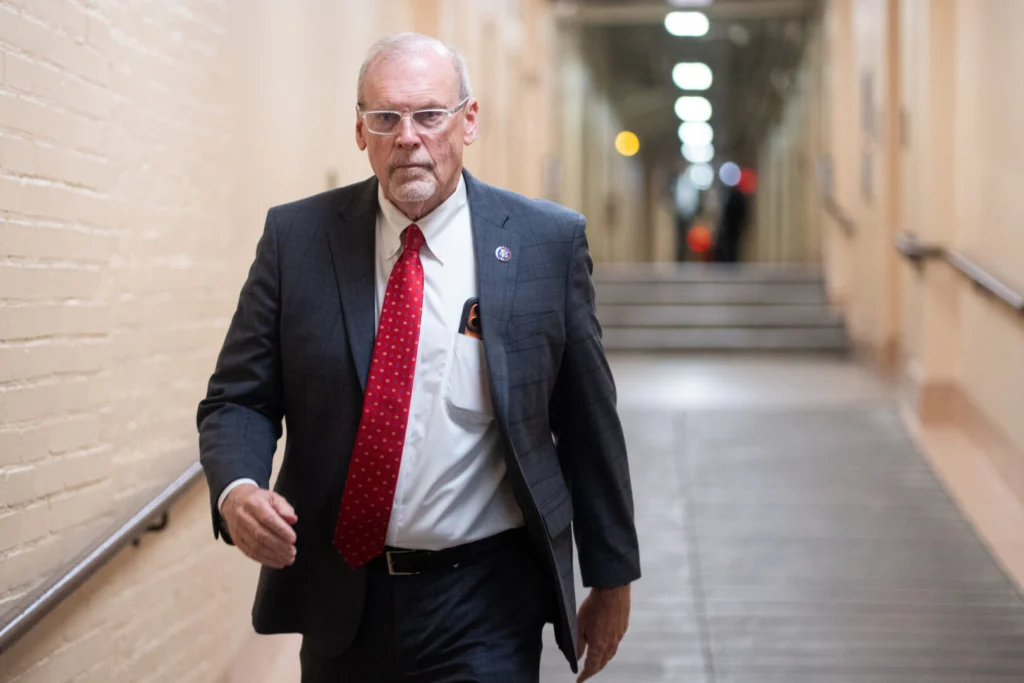
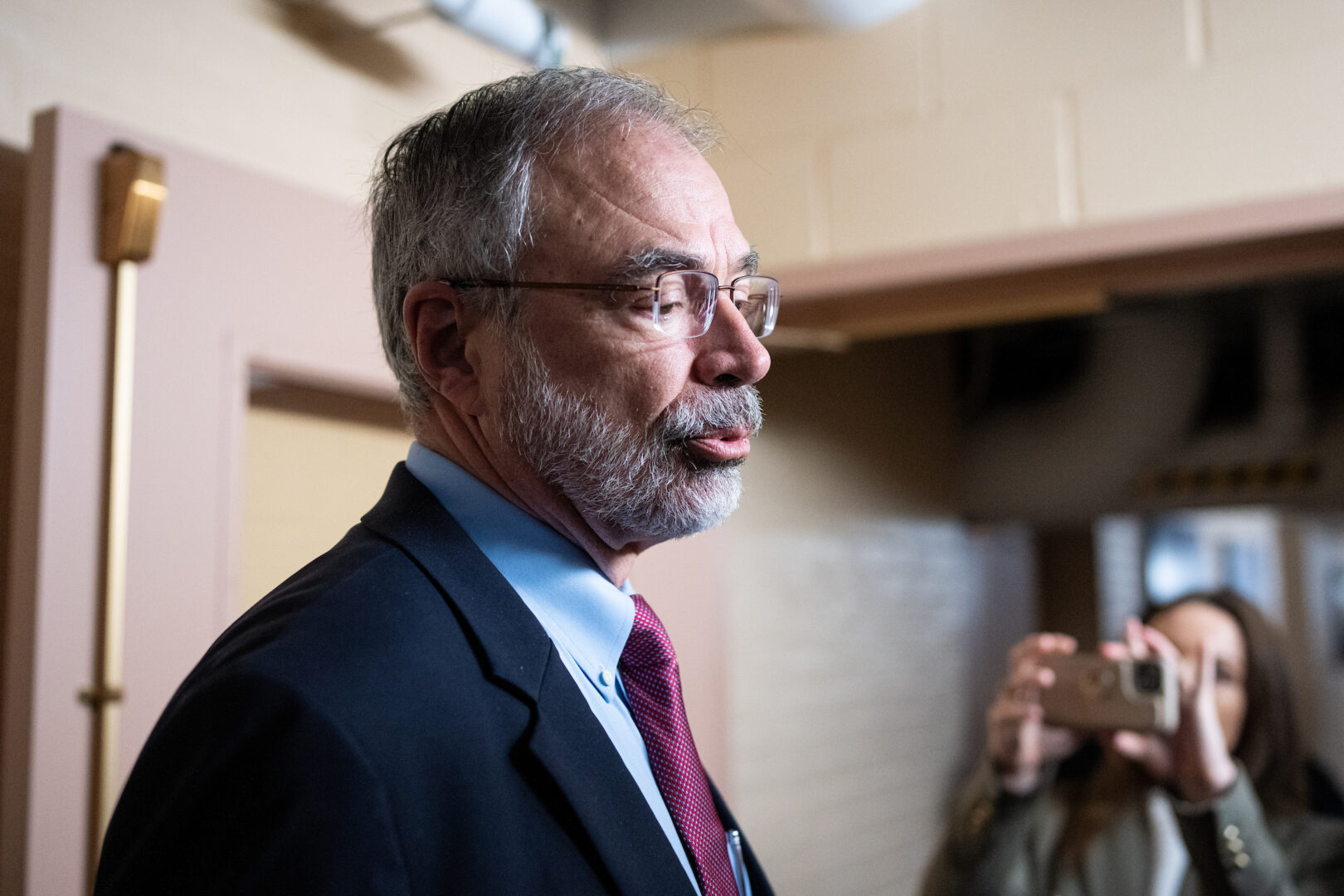
House Freedom Caucus Chairman Andy Harris (R-Md.) has emerged as the chief antagonist to the Senate’s delay provision. Harris, who chairs the House Agriculture Appropriations Subcommittee, views the proliferation of high-potency hemp products as an urgent public health crisis and is pushing leadership to strip the extension from the final funding package.
Key elements defining the current dispute include:
- The Federal Deadline: Expiration of existing federal spending authority on September 30 requires a stopgap measure to maintain government operations.
- The Policy Trigger: A ban on intoxicating hemp products—originally enacted as part of the fiscal 2026 Agriculture appropriations package—is scheduled to take effect on November 12, a period when the Senate will be in recess.
- The Senate Amendment: Co-led by Sens. Tim Sheehy (R-Mont.) and Amy Klobuchar (D-Minn.), the Senate CR delays the prohibition on natural hemp-derived sales until December 11 while leaving intact immediate bans on laboratory-synthesized cannabinoids.
- The Conservative Opposition: House hardliners and roughly 40 percent of Senate Republicans favor allowing the November 12 ban to take effect immediately, opposing any legislative bridge for the hemp industry.
- The Executive Branch Position: The White House and key federal agencies support delaying the ban to give Congress time to craft a permanent, post-prohibition regulatory framework for low-dose THC edibles and beverages.
Chronology: From the 2018 Farm Bill Loophole to the Current Floor Crisis
The policy dispute stems from the Agriculture Improvement Act of 2018 (commonly known as the 2018 Farm Bill), which federally legalized industrial hemp by distinguishing it from marijuana based on its Delta-9 tetrahydrocannabinol (THC) content.
+-------------------------------------------------------------------------------+
|                        CHRONOLOGY OF HEMP REGULATION                          |
+-------------------------------------------------------------------------------+
| 2018         | Congress passes the Farm Bill, legalizing hemp with <0.3%      |
|              | Delta-9 THC, inadvertently creating a commercial loophole.      |
+--------------+----------------------------------------------------------------+
| Early 2024   | Rep. Mary Miller introduces an amendment to close the loophole |
|              | by broadening the definition to cover all forms of THC.        |
+--------------+----------------------------------------------------------------+
| FY2026 Ag    | Congress enacts a statutory ban on high-potency hemp items,    |
| Package      | setting a strict enforcement deadline of November 12.          |
+--------------+----------------------------------------------------------------+
| June         | The White House requests a delay on hemp restrictions as part  |
|              | of a supplemental funding submission.                          |
+--------------+----------------------------------------------------------------+
| Aug 8        | Senate passes a stopgap CR extending government funding and    |
|              | moving the hemp ban enforcement date to December 11.           |
+--------------+----------------------------------------------------------------+
| Present      | House GOP leadership faces internal revolt over whether to     |
|              | accept or strip the Senate's one-month hemp delay.             |
+-------------------------------------------------------------------------------+
The 2018 Legalization and Industry Boom
The 2018 statute defined legal hemp as any part of the Cannabis sativa L. plant containing no more than 0.3 percent Delta-9 THC on a dry-weight basis. However, bio-chemists and commercial manufacturers quickly realized that this definition applied strictly to Delta-9 THC, leaving other naturally occurring or chemically derived intoxicating compounds—such as Delta-8 THC, Delta-10, and THCA—virtually unregulated under federal law. This created a multi-billion-dollar market for hemp-derived intoxicating products sold in convenience stores, smoke shops, and online retailers nationwide.
The Legislative Backlash (2024)
Concerned by the widespread availability of unregulated intoxicating products, Rep. Mary Miller (R-Ill.), a prominent member of the House Freedom Caucus, introduced an amendment during the 2024 Farm Bill reauthorization process to close the loophole. Miller’s language redefined legal hemp based on "total THC" content—combining Delta-9, THCA, Delta-8, and other intoxicating isomers—and established strict per-container limits.
A modified version of this restriction was subsequently attached to the fiscal 2026 Agriculture spending measure, establishing a statutory prohibition slated to take effect on November 12.
The Senate Stopgap Compromise
Recognizing that an abrupt ban on November 12 would instantly eliminate thousands of small businesses and disrupt mainstream retailers selling low-dose THC beverages and edibles, Sens. Sheehy and Klobuchar attached a one-month extension to the Senate’s August 8 continuing resolution. During floor debate, Sen. Ted Budd (R-N.C.) introduced an amendment to strike the delay and allow the ban to take effect immediately. The Budd amendment was tabled, though 21 Republican senators voted to keep the immediate ban, signaling deep divisions within the party.
Supporting Data and Technical Realities: The Science and Economics of Intoxicating Hemp
The legislative battle centers on technical definitions of chemical potency and contrasting economic and public health data.
+-------------------------------------------------------------------------------+
|                       COMPARATIVE THRESHOLD METRICS                           |
+-------------------------------------------------------------------------------+
| Statutory Metric          | Existing / Proposed Law    | Market Reality       |
+---------------------------+----------------------------+----------------------+
| 2018 Farm Bill Limit      | 0.3% Delta-9 THC (dry wt)  | Allows high mg count |
|                           |                            | in heavier edibles   |
+---------------------------+----------------------------+----------------------+
| Enacted Nov 12 Ban        | 0.4 mg Total THC per unit  | Effectively bans     |
|                           |                            | nearly all edibles   |
+---------------------------+----------------------------+----------------------+
| Barr-Craig Proposal       | 1.0% Total THC limit       | Permits low-dose     |
|                           | + 21+ age restrictions     | commercial products  |
+---------------------------+----------------------------+----------------------+
| Griffith-Veasey Fallback  | 5.0 mg per serving /       | Moderate consumer    |
|                           | 30 mg per package          | safety threshold     |
+-------------------------------------------------------------------------------+
The Statutory Mathematics
Under the rules scheduled for November 12, the legal definition shifts from a isolated Delta-9 THC concentration to a total combined cannabinoid standard:
$$textTotal THC = textDelta-9 THC + (textTHCA times 0.877) + textDelta-8 THC + textOther Isomers$$
Additionally, the law imposes an absolute cap of 0.4 milligrams of total THC per container.
Because a typical commercially sold hemp-derived edible or beverage contains between 2.5 milligrams and 10 milligrams of THC per serving, the 0.4-milligram per-container cap operates as a functional prohibition on the entire hemp-derived consumer industry.
Public Health Concerns vs. Economic Scale
Opponents of hemp-derived THC products cite sharp increases in accidental pediatric ingestions and emergency room visits. Because these items are often sold outside state-licensed cannabis dispensaries, critics point out that products are frequently packaged in colorful wrappers mimicking mainstream candy brands without child-resistant packaging or mandatory age verification.
Conversely, industry advocates point to the economic impact of an immediate ban:
- Market Size: The hemp-derived cannabinoid market generates an estimated $28 billion in economic output annually, supporting tens of thousands of agricultural, manufacturing, and retail jobs.
- Beverages: Mainstream craft breweries, distributors, and big-box retailers have invested heavily in low-dose THC-infused beverages, viewing them as a fast-growing alternative to traditional alcohol products.
- Agricultural Impact: American farmers who shifted acreage to industrial hemp following the 2018 Farm Bill rely on commercial processing channels that would be curtailed by the total-THC restriction.
Official Responses and Key Stakeholder Positions
The debate has created unique coalitions on Capitol Hill, dividing lawmakers across traditional party lines.
                                  ┌────────────────────────┐
                                  │   CAPITOL HILL HEMP    │
                                  │   LEGISLATIVE FEUD     │
                                  └───────────┬────────────┘
                                              │
                     ┌────────────────────────┴────────────────────────┐
                     ▼                                                 ▼
        ┌─────────────────────────┐                       ┌─────────────────────────┐
        │   PRO-BAN HARDLINERS    │                       │  PRO-REGULATION BLOC    │
        ├─────────────────────────┤                       ├─────────────────────────┤
        │ • Rep. Andy Harris      │                       │ • Rep. Morgan Griffith  │
        │ • Rep. Mary Miller      │                       │ • Rep. Andy Barr        │
        │ • Sen. Ted Budd         │                       │ • Rep. Angie Craig      │
        │ • 21 Senate Republicans │                       │ • White House / Industry│
        └─────────────────────────┘                       └─────────────────────────┘
The Hardline Prohibitionist Coalition
Rep. Andy Harris (R-Md.) has led the effort against delaying the ban, using his position as House Freedom Caucus Chairman to mobilize conservative resistance:
"Let’s be clear: these are not harmless hemp products. They’re intoxicating, unregulated, and widely available resulting in devastating numbers of children being hospitalized. The federal government has failed to act for far too long. I’m fighting in Congress to change that."
— Rep. Andy Harris (R-Md.), via X (formerly Twitter)
Harris and Rep. Mary Miller (R-Ill.) contend that any delay prolongs a public health hazard and undermines the clear intent of the Agriculture spending bill enacted last year. Their sentiment is shared by conservative groups and traditional anti-drug advocates who argue that "gas station weed" exploits legal loopholes to bypass health oversight.
The Pragmatic Regulation Coalition
Opposing an outright ban is a bipartisan group of lawmakers who advocate replacing prohibition with federal regulation. Rep. Morgan Griffith (R-Va.) has argued that a sudden ban is both economically destructive and practically unenforceable:
"There are still some disagreements, and of course, there’s a whole group that just says, ‘No, we want to ban it all.’ As a result of so many states passing various laws, the products are everywhere. And you create a disrespect for the law when nobody believes that the law actually reflects what’s happening, and that’s where we are right now."
— Rep. Morgan Griffith (R-Va.)
Griffith, alongside Rep. Marc Veasey (D-Texas), introduced legislation directing the Food and Drug Administration (FDA) to establish formal regulations for hemp-derived products within three years. If the FDA fails to meet that timeline, the bill establishes interim default caps of 5 milligrams of THC per serving and 30 milligrams per package.
Other legislative proposals under consideration include:
- The Barr-Craig Bill (Reps. Andy Barr, R-Ky., & Angie Craig, D-Minn.): Raises the legal limit to 1.0 percent total THC, imposes a mandatory age threshold of 21+, and creates a federal excise tax regime on infused edibles and drinks.
- The Van Duyne-Landsman Bill (Reps. Beth Van Duyne, R-Texas, & Greg Landsman, D-Ohio): Establishes a federal regulatory structure specifically for low-dose hemp beverages patterned after the adult beverage industry’s three-tier system.
Industry and Administration Positions
The White House has signaled support for a temporary delay to buy time for comprehensive policy reform. Loosening cannabis restrictions and creating uniform federal regulations for adult-use hemp products align with the administration’s broader pitch to younger voters.
Jonathan Miller, General Counsel for the U.S. Hemp Roundtable, expressed measured optimism regarding the Senate’s delay provision:
"We’re hearing this is the whole intent of the White House and was the reason why a majority of Republicans voted to extend, and it certainly is the position of the vast majority of Democrats. We are cautiously optimistic that lawmakers will enact a regulatory bridge buying time for a longer-term framework."
— Jonathan Miller, General Counsel, U.S. Hemp Roundtable
Strategic Implications and Procedural Dilemmas for House Leadership
House Speaker and GOP leadership face a complex procedural challenge when bringing the Senate’s spending measure to the House floor. With a slim majority, leadership has little room for error.
                              ┌──────────────────────────────────┐
                              │    HOUSE GOP LEADERSHIP STRATEGY │
                              └────────────────┬─────────────────┘
                                               │
                      ┌────────────────────────┴────────────────────────┐
                      ▼                                                 ▼
          ┌───────────────────────┐                         ┌───────────────────────┐
          │   REGULAR ORDER       │                         │ SUSPENSION OF RULES   │
          │  (Majority Vote Rules)│                         │  (2/3 Majority Req.)  │
          ├───────────────────────┤                         ├───────────────────────┤
          │ • Requires GOP unity  │                         │ • Bypasses Rules Comm.│
          │ • Risk: Freedom Caucus│                         │ • Requires heavy Dem  │
          │   defeats Special Rule│                         │   cross-over support  │
          │ • Risk: Floor amends  │                         │ • Risk: Conservative  │
          │   ping-pong to Senate │                         │   backlash on leaders │
          └───────────────────────┘                         └───────────────────────┘
Option A: Regular Order via a Special Rule
Under standard procedures, the House Rules Committee manages a rule governing floor debate for the continuing resolution. However, if Chairman Harris and the Freedom Caucus decide to oppose any rule that includes the hemp ban delay, leadership risks a defeat on the floor before debate on the bill even begins.
If the Rules Committee allows an amendment to strike the delay provision and that amendment passes, the modified CR would have to be sent back to the Senate. With the Senate in recess and the September 30 deadline approaching, any legislative delay increases the risk of an unintended government shutdown.
Option B: Suspension of the Rules
To bypass internal GOP dissent on the Rules Committee, leadership could bring the Senate-passed CR to the floor under a "suspension of the rules." This procedural motion bypasses committee amendments but requires a two-thirds supermajority (290 votes assuming all members are present) for passage.
- The Democratic Calculation: Passing the bill under suspension requires significant Democratic support. If House Democrats vote against the stopgap measure over unrelated policy disagreements, the measure will fail, leaving leadership without a viable path to fund the government.
- The Political Cost: Conservative hardliners regularly criticize party leadership for using suspension motions to pass major spending legislation with Democratic votes, a maneuver that could trigger internal leadership challenges.
Long-Term Regulatory Consequences
The policy dispute highlights the growing friction between federal drug policy and a rapidly evolving marketplace. A failure to enact a delay or establish clear standards would have distinct consequences:
- Immediate Market Disruption: If the ban takes effect unadjusted on November 12, thousands of retailers across the country will be forced to pull low-dose beverages and edibles from store shelves overnight or face federal prosecution.
- Regulatory Fragmentation: An federal ban alongside varying state legalization framework would worsen regulatory inconsistencies, driving consumer demand back toward illicit or unregulated markets.
- Congressional Precedent: How leadership manages this issue will set a precedent for future policy battles surrounding Farm Bill reauthorizations, showing whether Congress leans toward outright prohibition or an FDA-managed regulatory model for commercial cannabinoids.