By Jacob Kleinman
Published July 23, 2026
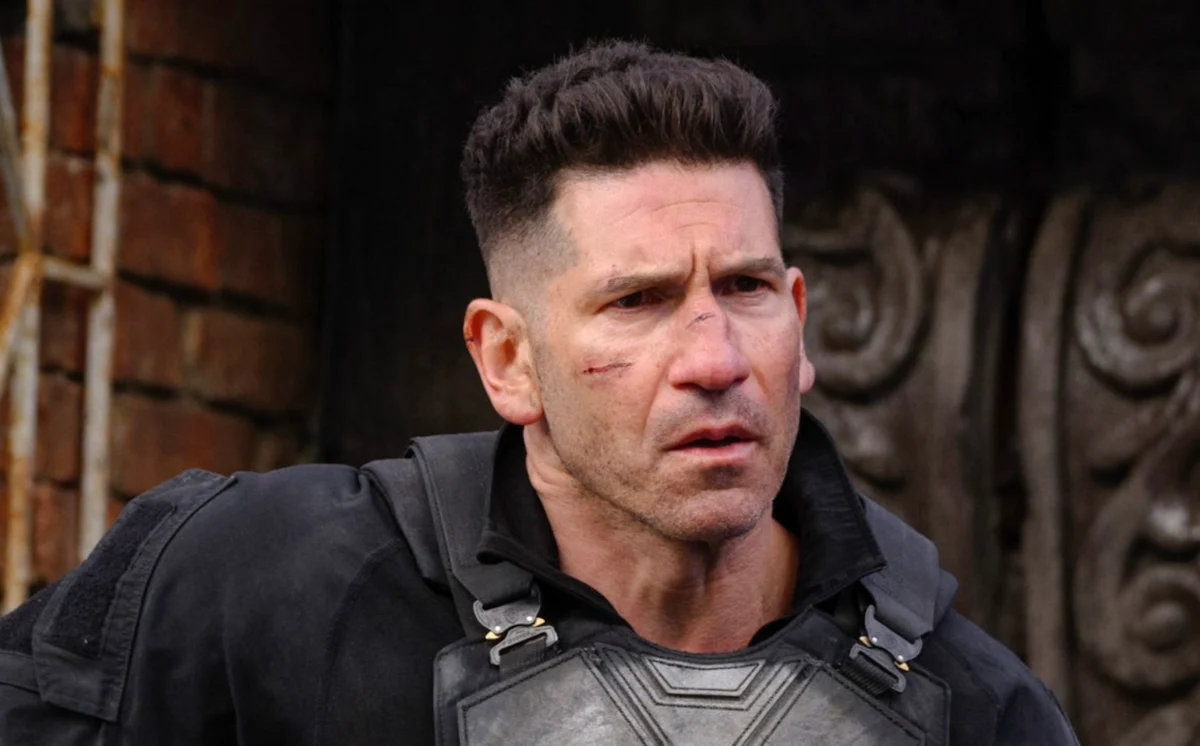
For a decade, the image of Jon Bernthal as Frank Castle—the weary, weaponized grief of The Punisher—has been synonymous with the gritty, neon-soaked corridors of Marvel’s television era. Since his chilling introduction in the second season of Daredevil on Netflix in 2016, Bernthal has defined the role, turning the comic book anti-hero into a masterclass of unpredictable, righteous violence. Yet, as of July 31, 2026, the actor is embarking on a monumental transition: moving from the compressed, high-stakes environment of streaming television to the expansive, big-budget theater of a Marvel Studios and Sony tentpole film.
Bernthal’s appearance alongside Tom Holland in Spider-Man: Brand New Day marks a watershed moment for the character, signaling a formal integration of the "Netflix-era" grit into the polished, interconnected machinery of the Marvel Cinematic Universe (MCU). For the actor, the jump to the silver screen was not merely a career milestone; it was a jarring revelation of the disparity between the two worlds of production.
A Decade in the Trenches: The Television Legacy
To understand the significance of this cinematic debut, one must look back at the trajectory of Frank Castle. When Bernthal first donned the iconic skull vest in 2016, the television landscape for superhero content was drastically different. The Netflix Marvel shows were designed to be "street-level"—raw, grounded, and frequently constrained by the realities of episodic television budgets.
"When you’re shooting Marvel TV, we’re attempting movie-level action on a TV budget and timeframe," Bernthal reflects. "It is go, go, go. You do not have time. You have to make it work. It’s a scrappy, relentless process."
For ten years, Bernthal served as the anchor for this style of storytelling. He navigated tight corridors, limited lighting setups, and schedules that demanded high-intensity performance with little room for error. This "streaming grit" became his signature, earning him a cult-like following. Fans appreciated the nuance he brought to a character who, in less capable hands, could have easily devolved into a two-dimensional killing machine. By maintaining that intensity for a decade, Bernthal effectively became the face of a darker, more mature corner of the Marvel brand.
The Cinematic Shift: Scaling Up
The jump to Spider-Man: Brand New Day—a production under the direction of Destin Daniel Cretton—offered a stark contrast to the rapid-fire pace of television. Walking onto the set of a major motion picture, Bernthal found himself in an environment where "anything is possible."

"These guys really have the expertise," Bernthal says. "Not that the expertise isn’t there in Marvel TV, but the space, the bandwidth, the budget. I was blown away every day walking onto those sets."
The transition was not just about bigger sets or more pyrotechnics; it was about the luxury of time. In the television world, the clock is the primary antagonist. In the world of Brand New Day, the production team prioritized the sanctity of the scene. Bernthal highlights the collaborative spirit of director Destin Daniel Cretton, producer Amy Pascal, and co-star Tom Holland, noting their collective willingness to halt production if it meant achieving a higher level of narrative quality.
"There were so many times we stopped and just slowed everything down to make the scenes work," he explains. "It’s a real testament to Tom and Destin and Amy, and to everybody there. They had the fervor to get it right, but with the bandwidth to really do it."
The Collision of Worlds: Punisher Meets Spider-Man
Perhaps the most intriguing aspect of Brand New Day is the dynamic between the lethal, nihilistic Frank Castle and the optimistic, evolving Peter Parker. This is not a pairing traditionally associated with cinematic harmony, and that friction is precisely what makes the narrative compelling.
For Bernthal, this pairing was a long-held professional aspiration. "Whenever I’m asked by journalists or by fans: ‘Who’s sort of the one superhero you…?’ I always say Spider-Man," he reveals. "Because I love Tom. I love what he’s built. I love who he is."
The chemistry between Holland’s grounded, veteran-hero status and Bernthal’s veteran anti-hero creates a thematic tension that has long been a staple of the comics. By placing these two characters in a high-stakes cinematic environment, the production team is testing whether the "Punisher" brand can withstand the scrutiny and spectacle of a blockbuster, or if the character will fundamentally change the tone of the Spider-Man franchise.
Supporting Data: The Economic and Creative Pivot
The shift to theatrical releases for legacy TV characters reflects a broader strategy at Disney and Sony. Industry analysts note that by integrating established streaming icons into the film universe, studios can leverage pre-existing fanbases to guarantee opening-weekend success.

Budgetary reports for Spider-Man: Brand New Day suggest an investment significantly higher than the combined budgets of an entire season of the original Netflix Punisher series. This financial shift allows for a technical polish that was previously impossible. The use of advanced practical effects, combined with the scale of the locations used in the film, suggests that the studio is treating Bernthal’s entry into the film space as a foundational move for the next phase of the MCU.
Furthermore, the data regarding audience engagement during the promotional phase of the film indicates that the "Bernthal-Holland" pairing is one of the most discussed dynamics in recent Marvel history, suggesting that the audience is ready for a darker tone within the mainstream MCU entries.
Official Responses and Creative Vision
Director Destin Daniel Cretton has spoken at length about the importance of grounding the Spider-Man films in human stakes, even as they embrace the multiversal and high-concept threats of the current era. By casting Bernthal, Cretton is signaling an intent to bring a level of moral complexity that has, at times, been criticized as lacking in earlier MCU installments.
Amy Pascal’s involvement also points toward a bridge-building effort between the Sony-produced Spider-Man universe and the broader Marvel narrative. Producers are keen to ensure that the transition of characters from streaming to theater feels earned rather than forced. According to insiders, the script for Brand New Day went through multiple iterations specifically to ensure that the Punisher’s presence didn’t compromise the PG-13 sensibilities of the Spider-Man brand, while still respecting the core identity of Frank Castle.
The Implications: What Does This Mean for the Future?
The success of Spider-Man: Brand New Day carries significant implications for the future of Marvel’s IP management. If Bernthal’s performance is well-received, it could open the floodgates for other "street-level" characters to transition into the feature film space.
- Genre Blending: The film serves as a test case for how well a hard-edged, violent character can function in a franchise that historically leans toward family-friendly spectacle.
- Creative Sustainability: By proving that TV actors can make the leap to major cinema, Marvel creates a sustainable pipeline for its massive roster of characters.
- Narrative Continuity: The film validates the last decade of television as canon, rewarding fans who have stayed loyal to the Netflix-era characters even after the transition to Disney+.
As the July 31 premiere approaches, the focus is squarely on whether the "Punisher" can evolve without losing his teeth. For Jon Bernthal, the journey has been long—from a small, dark streaming project to the center of the world’s largest cinematic franchise. As he stands at the precipice of this new chapter, his message is clear: he is bringing the same intensity that made him a fan favorite in 2016 to the biggest stage of his life.
Whether Frank Castle will find a place in the light of the MCU or continue to operate in the shadows remains to be seen, but one thing is certain: the landscape of Marvel movies is about to get a lot more dangerous.