By [Your Name/Journalistic Desk]
As the United States continues a series of rapid-fire deportation flights to Haiti, human rights organizations and international observers are raising alarm over the safety of those being returned to a nation effectively paralyzed by gang control, economic collapse, and severe food insecurity. A new, blistering report from Human Rights Watch (HRW) has brought the human cost of these policies to the forefront, documenting a systemic failure to provide adequate protection for individuals caught in the crosshairs of a shifting American immigration landscape.
The controversy stems from the expiration of Temporary Protected Status (TPS) for hundreds of thousands of Haitians—a protection that had been a pillar of US policy toward the Caribbean nation since the catastrophic earthquake of 2010. Following a landmark Supreme Court decision earlier this year, the US government has moved to dismantle these protections, resulting in hundreds of individuals being forcibly returned to a country that the US State Department officially classifies as "Level 4: Do Not Travel."
Main Facts: A Surge in Removals
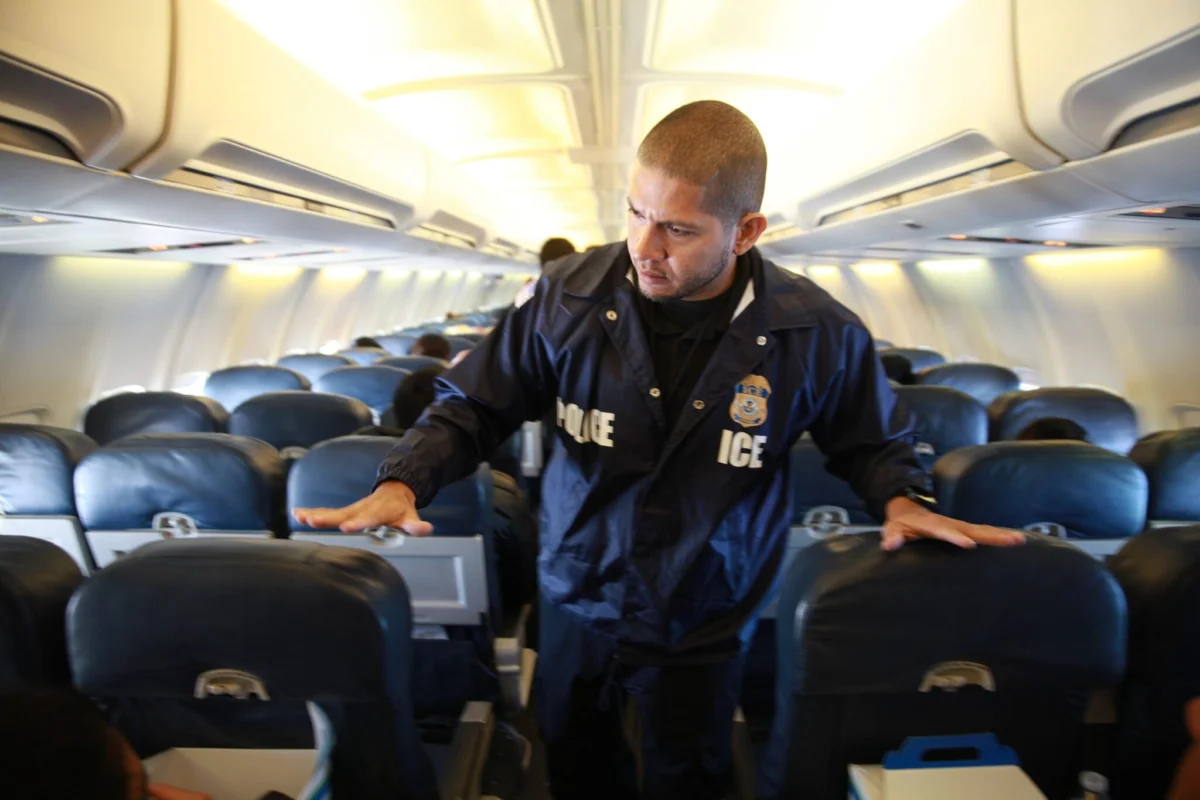
Between August 20 and September 17, 2026, the US Immigration and Customs Enforcement (ICE) agency executed five consecutive weekly deportation flights to Haiti. This represents a significant acceleration in removal operations, shifting from a pace of approximately one flight per month to a high-frequency, weekly cadence.
In total, 474 individuals have been deported during this period alone. Because the Federal Aviation Administration (FAA) continues to prohibit US aircraft from landing in the capital, Port-au-Prince, due to the extreme danger posed by armed criminal gangs, these flights are being diverted to Cap-Haïtien on the northern coast.
The logistical shift to Cap-Haïtien has created an acute reception crisis. The city’s population has tripled in recent months as internally displaced persons flee the chaos in the south, further straining resources that were already nonexistent. Upon landing, deportees are often met with little to no support, finding themselves in a country where basic services—healthcare, sanitation, and food security—have largely collapsed.
Chronology: From Protected Status to Forced Return
The current situation is the culmination of a multi-year legal and political battle over the scope of executive authority in immigration policy.
- 2010–2025: Following the devastating 2010 earthquake, the US granted TPS to Haitians, allowing them to live and work in the US without fear of deportation. This status was renewed repeatedly by successive administrations.
- June 25, 2026: The US Supreme Court issued its ruling in Mullin v. Doe, a pivotal case that affirmed the executive branch’s authority to terminate TPS designations. This decision effectively paved the way for the revocation of protections for an estimated 330,000 Haitian nationals.
- Late July 2026: The formal termination of TPS for Haitians took effect.
- August 20, 2026: The first of the intensified weekly deportation flights arrived in Cap-Haïtien.
- August 24–30, 2026: HRW researchers conducted on-the-ground interviews in Cap-Haïtien, gathering testimony from 44 recent deportees and local officials.
- September 21, 2026: HRW released its comprehensive report, "US Deportations to Haiti Endanger Lives," formally calling for an immediate moratorium on all removal flights.
Supporting Data and Human Impact
The HRW report paints a bleak picture of the lives affected by these deportations. Many of the 474 people returned in the last month had resided in the United States for years, establishing deep community ties and, in many cases, raising children who are US citizens.
The Violation of Due Process
Perhaps most concerning is the procedural aspect of these removals. Evidence suggests that a significant number of deportees were denied access to legal counsel. Many individuals reported that they were never granted the opportunity to appear before an immigration judge, effectively bypassing the judicial scrutiny that is a cornerstone of the American legal system.
According to Haiti’s Office National de la Migration (ONM), several deportees claimed to have had active, pending asylum claims. By rushing these individuals onto flights, the US government risks violating the international law principle of non-refoulement—the prohibition against returning individuals to a territory where their life or freedom would be threatened.
The Ground Reality in Haiti
Cap-Haïtien, while more stable than Port-au-Prince, is currently overwhelmed. Researchers found that the local government lacks the capacity to house, feed, or provide medical assistance to the surge of returnees. For many, the return to Haiti is a return to a state of homelessness in a region where they may have no familial support network, as many had moved to the US years or decades ago.
Official Responses: A Clash of Ideologies
The response from the US administration has been one of strict adherence to bureaucratic procedure, contrasting sharply with the humanitarian concerns raised by NGOs.
The Administration’s Position
Tom Homan, the White House’s "border czar," defended the policy during an appearance on CNN’s State of the Union on August 30. When pressed on the conditions in Haiti, Homan admitted he was unfamiliar with the specifics of the situation on the ground. However, he maintained that the administration was "just enforcing the law." This stance reflects a broader administration priority: demonstrating control over the border through strict enforcement, regardless of the changing conditions in the countries of origin.
The International Perspective
The Inter-American Commission on Human Rights (IACHR) issued a stern warning in August, urging the United States to reconsider its stance. The IACHR emphasized that the "serious risk" posed to individuals returned to Haiti necessitates a more nuanced approach than blanket deportation. International observers argue that the US, as a signatory to various human rights treaties, has an obligation to weigh the safety of the returnee as heavily as the enforcement of immigration statutes.
Implications: A Looming Humanitarian Crisis
The implications of the current policy are profound, spanning legal, humanitarian, and diplomatic spheres.
Legal and Legislative Deadlock
The failure of the US Senate to pass the House-approved legislation that would have extended TPS for Haitians through 2029 has created a dangerous vacuum. Without legislative intervention, the executive branch remains empowered to continue the current deportation trajectory. This has left thousands of Haitians living in a state of constant anxiety, facing the prospect of being separated from their American-born children and returned to a country that even the US government acknowledges is unsafe for its own citizens to visit.
Humanitarian Consequences
The continuation of these flights risks turning a national crisis in Haiti into a regional catastrophe. As returnees are dumped into a country without a reintegration plan, they become vulnerable to the very gangs that have destabilized the nation. Without international support or a domestic plan for reception, the deported individuals face a future defined by extreme poverty and the constant threat of violence.
Recommendations for Change
HRW and other advocates have laid out a clear set of demands:
- Immediate Moratorium: The US must halt all deportation flights to Haiti until an independent assessment confirms that the country is safe for returnees.
- Due Process: All individuals facing removal must be granted full access to legal counsel and a fair hearing before an immigration judge.
- Legislative Action: The Senate must prioritize the TPS extension bill to provide long-term stability for those currently in limbo.
- International Cooperation: The Haitian government, with the assistance of international donors, must develop a formal reception and reintegration framework that prioritizes the health and safety of returnees.
As the situation develops, the eyes of the international community remain fixed on Washington. The question is no longer just one of immigration law, but one of moral responsibility. As Nathalye Cortino of HRW noted, the US is currently in the position of returning individuals to a country that "doesn’t have the capacity to protect them from violence, let alone help them find food and shelter." Until a policy shift occurs, the cycle of deportation will continue to place lives in jeopardy, challenging the United States’ commitment to human rights on the global stage.