Introduction: A New Front in the Fight Against Modern Slavery
In a decisive move to align its trade policies with international human rights standards, the Canadian government has introduced Bill C-35, an ambitious piece of legislation titled "An Act respecting the prohibition of the importation of goods produced by forced labour." Spearheaded by Minister of Foreign Affairs Anita Anand, the bill aims to move beyond existing, fragmented regulations, creating a robust, independent legislative framework designed to intercept goods tainted by exploitation before they reach Canadian consumers.
As global supply chains become increasingly complex, the intersection of international trade and human rights has emerged as a critical policy battleground. By shifting the burden of proof and empowering border agencies with new investigative tools, Canada is signaling that it will no longer allow its domestic market to serve as a passive destination for products manufactured under conditions of human rights abuses.
The Legislative Core: Understanding Bill C-35
The introduction of Bill C-35 represents a significant evolution in Canadian customs law. Currently, prohibitions on forced labor are housed within the Customs Tariff, a framework that has been criticized by human rights advocates for being reactive rather than proactive.
Key Mechanisms of the Proposed Act
- High-Risk Designation: The Foreign Minister will be granted the authority to curate a "high-risk" list. This list will categorize goods not just by product type, but by specific regions, entities, or individuals suspected of relying on forced labor.
- Enhanced Tracing Requirements: Importers of goods identified on the high-risk list will be legally mandated to provide the Canada Border Services Agency (CBSA) with comprehensive, granular supply chain documentation.
- The "Deemed Prohibited" Provision: Should an importer fail to satisfy the enhanced tracing requirements, the legislation triggers a presumption of guilt. The goods in question will be "deemed" prohibited, effectively barring them from entry.
- Detention and Investigation: CBSA officers will receive expanded authority to detain shipments for up to 90 days—with the potential for extensions—to conduct thorough investigations into the production methods of the detained items.
- Cost-Recovery Models: To ensure that enforcement does not drain public coffers, the Act introduces a cost-recovery mechanism, holding importers financially responsible for the administrative costs associated with the seizure and inspection of forced-labor goods.
Chronology: The Evolution of Canadian Policy
Canada’s journey toward this legislative milestone has been incremental, reflecting a growing global consensus that corporate supply chain transparency is a matter of national security and moral imperative.
- 2024: The federal government enacts the Supply Chains Act. This legislation mandated that certain large entities and federal institutions disclose their efforts to mitigate forced and child labor within their operations. While a step forward, critics argued it lacked "teeth," as it focused primarily on reporting rather than active enforcement.
- 2025: A series of international legal challenges, including a high-profile US lawsuit regarding labor conditions for migrant workers on Qatar’s FIFA World Cup projects, heightened domestic pressure on Ottawa to move beyond voluntary reporting.
- March 2026: Taiwan issues new guidelines for businesses in response to international trade pressure, providing a global backdrop of heightened vigilance against labor abuses.
- May 2026: Amnesty International publishes a scathing report on the tea industry in Sri Lanka, citing evidence of conditions amounting to forced labor, which intensified calls for legislative action in Western markets.
- June 2026: Minister Anita Anand formally tables Bill C-35 in the federal parliament, marking the beginning of the legislative debate that could fundamentally alter Canadian import protocols.
Supporting Data: The Economic Scale of Exploitation
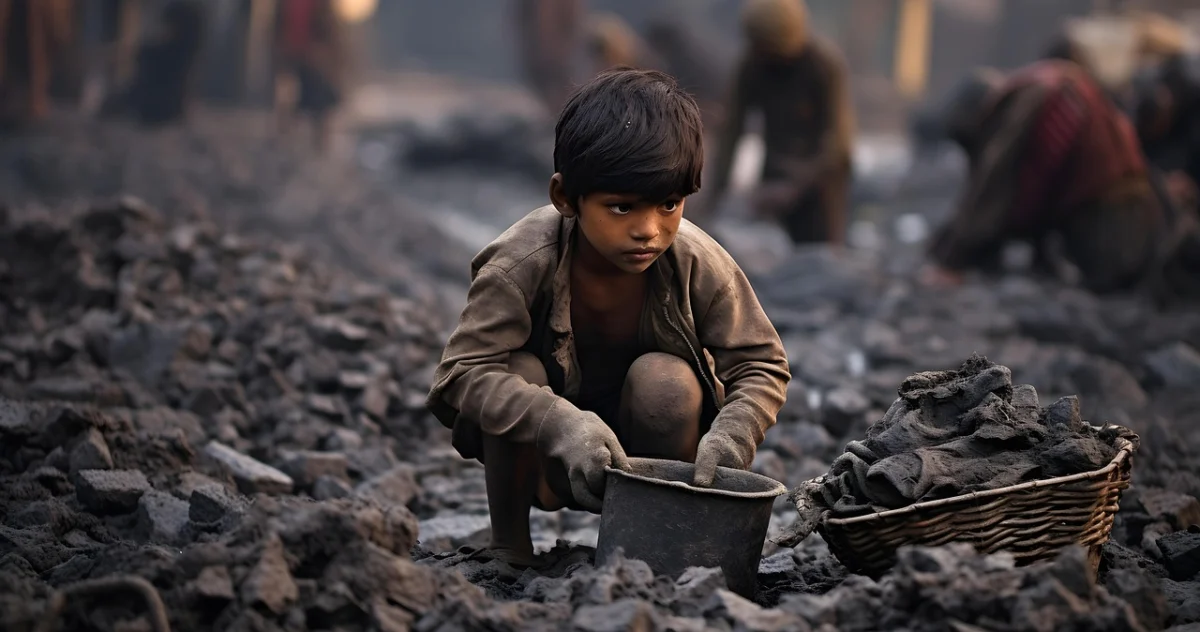
The urgency of Bill C-35 is underscored by staggering economic data. Forced labor is not merely a human rights crisis; it is a multi-billion dollar illicit industry that undermines legitimate trade and exploits the most vulnerable populations on earth.
A 2024 report by the International Labour Organization (ILO) estimated that forced labor in the private economy generates approximately US$236 billion in illegal profits annually. This massive influx of illicit capital distorts market prices, making it difficult for companies that pay fair wages and maintain safe working conditions to compete.
Furthermore, the scale of the problem is pervasive. From the electronics manufacturing hubs of East Asia to the agricultural estates of South Asia and the construction sectors of the Middle East, the reach of forced labor touches almost every sector of the global economy. By restricting the market access of these goods, Canada is attempting to reduce the financial incentive for exploitation, forcing a "race to the top" in labor standards.
Official Responses and Political Rationale
Minister Anita Anand’s introduction of the bill was accompanied by a firm statement regarding Canada’s role in the global trade order. "Canada will not tolerate the presence of goods produced through forced labour in our markets," Anand stated. "This legislation strengthens our commitment to human rights and fair, transparent trade by giving us stronger tools to stop these goods at the border and protect the integrity of our supply chains."
Proponents of the bill, including various civil society organizations, have praised the move as a necessary step toward holding corporations accountable. However, the business community remains watchful. Industry groups have emphasized the need for "regulatory clarity," noting that the requirement for "enhanced supply chain tracing" will necessitate significant investments in logistics and compliance technology.
Government officials argue that this cost is a necessary investment in the ethical integrity of the Canadian brand. By aligning with the existing frameworks of the United States and Mexico, Canada is also ensuring that it does not become a "backdoor" for goods that have been blocked by its North American trading partners.
Implications: A New Era for Importers and Consumers
The enactment of Bill C-35 would create a ripple effect throughout the global trade network.
For Importers
The primary implication is the end of "plausible deniability." Importers can no longer rely on superficial supplier certifications. They must now possess the capability to map their supply chains back to the raw material extraction point. For small and medium-sized enterprises (SMEs), this will likely necessitate the adoption of blockchain-based tracking software or third-party auditing services to prove compliance to the CBSA.
For Global Supply Chains
If Canada, the US, and Mexico continue to tighten their borders, multinational corporations will face a choice: either clean up their labor practices in high-risk regions or face permanent exclusion from the North American market. This creates a powerful leverage point for labor advocates, as global suppliers may find it economically untenable to maintain exploitative practices if they risk losing access to the Canadian market.
For Human Rights
The ultimate goal of the legislation is the protection of vulnerable workers. By focusing on "high-risk" regions and entities, the government is essentially creating an "early warning system." While the Act cannot end global slavery overnight, it provides a legal structure that allows the government to respond dynamically to reports of abuse, such as the recent allegations regarding the Sri Lankan tea industry.
Conclusion: The Path Forward
Bill C-35 is more than just a regulatory update; it is a manifestation of the shifting philosophy of global trade. In an era where consumers are increasingly aware of the origins of their goods, and where international law is beginning to catch up to the realities of the modern economy, Canada’s proactive stance is significant.
As the bill moves through the parliamentary process, the focus will shift to its practical implementation. The success of the Act will depend on the government’s ability to provide clear, actionable guidance to importers, the CBSA’s capacity to handle the increased investigative workload, and the international cooperation required to verify labor conditions in distant markets.
Canada stands at a crossroads. By choosing to prioritize human rights over the ease of global commerce, it is positioning itself as a leader in the movement to eradicate one of the world’s most persistent and profitable injustices. The world will be watching to see if this legislation serves as a model for other nations to follow, or if it remains an isolated, albeit noble, effort in a complex and often indifferent global marketplace.