Welcome to this week’s edition of TechCrunch Mobility, your definitive briefing on the rapidly shifting landscape of transportation technology. As we navigate the complex path toward an autonomous, electric, and connected future, the headlines this week have been dominated by high-stakes corporate maneuvering and a strategic pivot within the eVTOL (electric vertical takeoff and landing) sector.
The transportation industry is currently undergoing a structural transformation. From the consolidation of aviation pioneers to the strategic expansion of ride-hailing giants into defense and international markets, the "mobility" of tomorrow is being written in boardrooms today.
The eVTOL Consolidation Wave: A New Horizon
The most significant development this week involves the radical consolidation of the electric aviation sector. Long-time rivals Archer Aviation and Wisk Aero have effectively merged under a new corporate umbrella, a move that signals a maturing industry shifting from purely experimental R&D toward sustainable, long-term commercial viability.
The Boeing-Archer-Wisk Nexus
In a move that caught industry analysts off guard, Archer Aviation has acquired Wisk Aero, a former rival, as part of a complex deal with aerospace titan Boeing. Under the terms of the agreement, Boeing has offloaded Wisk Aero—along with two other subsidiaries, the air traffic management firm SkyGrid and drone manufacturer Insitu—to Archer.
In exchange, Boeing has secured a 16.5% equity stake in Archer. This transaction is particularly notable given the acrimonious history between the two companies. In 2021, Wisk filed a lawsuit against Archer, alleging the "brazen theft" of intellectual property. The subsequent two-year legal battle, which included a $1 billion counter-suit from Archer, resulted in a surprising settlement that pivoted from litigation to collaboration.

The lineage of Wisk itself is a history lesson in Silicon Valley ambition. Originally born as Kitty Hawk, an electric aviation startup backed by Google co-founder Larry Page and led by Sebastian Thrun, the company’s legacy lives on through the "Cora" program, which eventually formed the joint venture that became Wisk Aero. By absorbing this entity, Archer is not just acquiring technology; it is consolidating the intellectual capital of some of the most significant pioneers in the eVTOL space.
Joby Aviation’s Strategic Defense Pivot
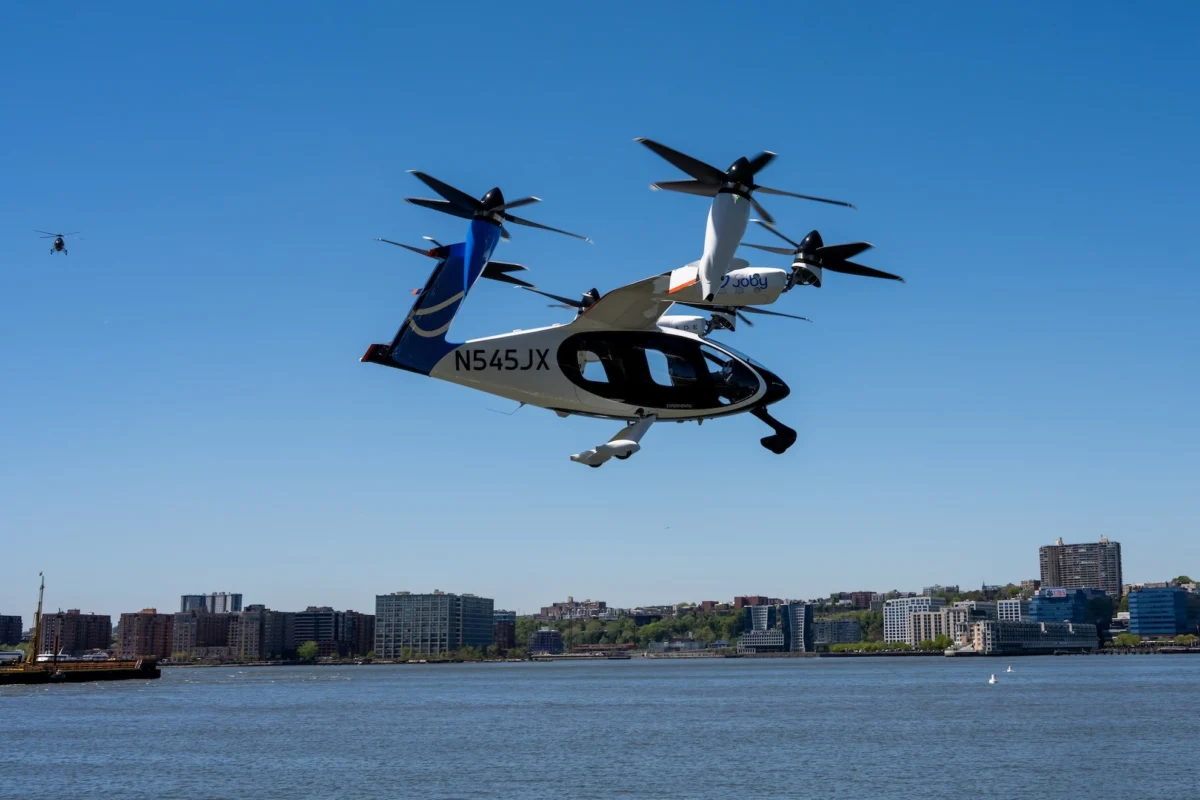
While Archer is focused on structural consolidation, Joby Aviation is taking a different path. The company announced a $500 million acquisition of Resonant Sciences, a specialist in radio frequency and sensor systems. This acquisition marks a formal, aggressive entry into the defense sector, with the formation of a new division: "Joby Defense."
For Joby, the rationale is clear: while the certification and manufacturing of urban air taxis remain the core mission, the defense sector offers immediate, high-margin revenue streams that can help insulate the company from the lengthy and capital-intensive regulatory hurdles of the civilian air taxi market. By embedding itself into the defense supply chain, Joby is essentially leveraging its core aviation technology to ensure it has the liquidity to survive the "long haul" of civilian certification.
Chronology of a Shifting Landscape
The pace of change in mobility is relentless. Below is a breakdown of the key events defining the current trajectory of the industry:
- 2021: Wisk Aero sues Archer Aviation over alleged intellectual property theft.
- September 2022: Kitty Hawk, the parent of the original Cora program, announces it is winding down operations.
- August 2026 (Current Week):
- Archer Aviation completes the acquisition of Wisk Aero, SkyGrid, and Insitu.
- Joby Aviation acquires Resonant Sciences for $500 million.
- Uber executes a surprise sell-off of its entire stake in Serve Robotics.
- Yulu secures $93 million in combined equity and debt financing.
- Waymo receives approval for expanded commercial operations in California.
Supporting Data: Capital Flow and Operational Milestones
The numbers behind these moves reveal a sector that is increasingly focused on scale and operational efficiency.

- Capital Injection: The $93 million raised by India’s Yulu highlights the growing demand for electric two-wheelers, specifically fueled by the "quick commerce" boom. The round, consisting of $63 million in equity and $30 million in debt, suggests that investors are looking for companies that have moved past the prototype stage and into revenue-generating fleets.
- The Robotaxi Metric: Avride’s claim of 100,000 autonomous rides on the Uber app in Dallas is a significant milestone, though it comes with the caveat of human safety operators. The rapid progression from 60,000 to 100,000 rides in just two months indicates a scaling of testing capacity that is beginning to rival established players like Waymo.
- The Regulatory Landscape: With Waymo receiving expanded permits to operate commercially across a wider territory in the San Francisco Bay Area and Los Angeles, the industry is seeing a clear transition from "pilot programs" to "commercial service."
Official Responses and Corporate Implications
The industry’s reaction to these shifts has been a mix of strategic pragmatism and, in the case of Uber’s divestment, genuine surprise.
The Uber-Serve Robotics Disconnect
Perhaps the most peculiar story of the week involves Uber’s decision to offload its stake in Serve Robotics. The sale, conducted without prior communication to the robotics firm, has raised questions about the nature of the partnership. While Uber and Serve remain tied via a contract that puts robots on the Uber Eats platform through 2027, the move signals that Uber may be reevaluating its direct investment in delivery hardware, preferring to remain an "operator" rather than a "shareholder."
Safety and Trust: The Zoox Framework
Zoox, the Amazon-owned autonomous vehicle company, released its "safety case framework" this week. In an industry where there is no federally mandated "driver’s license" for autonomous systems, these self-imposed standards are the only way to build public trust. By publishing how it validates its technology, Zoox is attempting to set an industry benchmark that could influence future regulatory frameworks.
The Human Element: Air Traffic Control
In a unique intersection of gaming and public policy, DOT Secretary Sean Duffy confirmed that 2,000 candidates have been hired for air traffic control positions through a program targeting video gamers. This unconventional recruitment strategy highlights the desperate need for talent in infrastructure management as the skies become increasingly crowded with both manned and autonomous aircraft.
Implications for the Future of Transportation
As we look toward the remainder of 2026, several key themes emerge:

- Consolidation is Inevitable: The eVTOL sector is far too crowded for every startup to succeed. We expect further M&A activity as the strongest players absorb the talent and IP of smaller, capital-starved firms.
- Dual-Use Technology: Companies like Joby are proving that mobility tech is not just for civilians. The defense sector is providing a critical financial bridge for companies attempting to revolutionize air travel.
- The "Platform" Strategy: Ride-hailing companies like Uber are increasingly acting as global infrastructure platforms. Whether it is investing in fintech for motorcycle lending in Chile or partnering with Pony.ai to bring 2,000 robotaxis to Europe, Uber is positioning itself to capture value from every layer of the mobility stack, even as it sheds its direct investments in hardware manufacturers like Serve Robotics.
- Regulatory Maturation: With Waymo expanding its footprint and the FAA/DOT grappling with new air traffic management challenges, the regulatory environment is shifting from reactive to proactive.
Looking Ahead: TechCrunch Disrupt 2026
The industry’s most prominent players will gather this October in San Francisco for TechCrunch Disrupt 2026. Among the highlights, Rivian CEO RJ Scaringe is set to discuss the future of the company’s "all-in-one" approach to EVs, robotics, and autonomy.
As the mobility sector enters this next phase, the focus will shift from "can we do this?" to "how do we scale this sustainably?" The events of this week have laid the groundwork for a future where transportation is more integrated, more automated, and, through the forced marriage of former rivals and the expansion into new sectors, more consolidated than ever before.
Stay tuned to TechCrunch Mobility as we continue to track these developments in real-time. If you have a tip, please reach out to our team at [email protected] or via Signal at kkorosec.07.