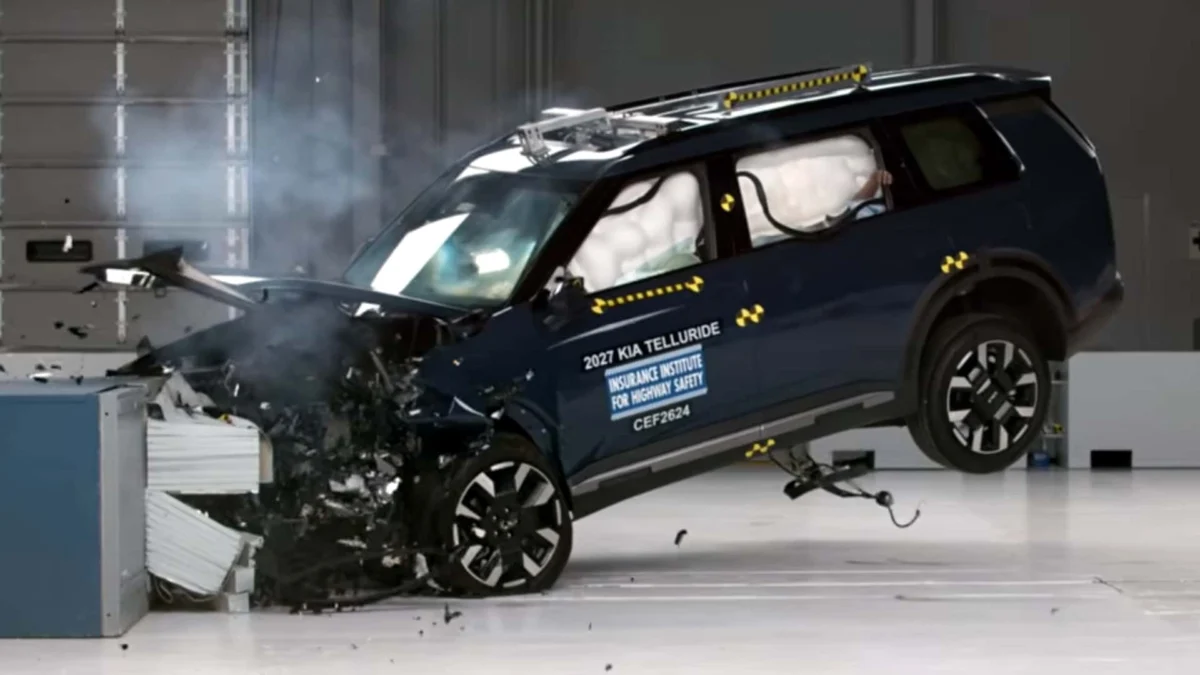
The pursuit of vehicular safety has reached a critical juncture. As automotive technology advances—integrating complex sensor suites, autonomous emergency braking (AEB) systems, and reinforced chassis designs—the Insurance Institute for Highway Safety (IIHS) has simultaneously tightened its evaluation protocols. In the most recent battery of rigorous assessments, the landscape of automotive safety has become clearer: only two vehicles out of seven tested managed to clear the IIHS’s highest hurdle, the "Top Safety Pick+" designation.
On September 3, 2026, the IIHS released its latest findings, crowning the redesigned 2027 Kia Telluride and the 2026-27 Tesla Model Y as the gold standards of crashworthiness and accident prevention. For many other manufacturers, however, the results were sobering, highlighting the increasing difficulty of meeting modern safety benchmarks in an era where "good enough" is no longer acceptable.
A Chronology of the Testing Cycle
The IIHS evaluation process is not a static endeavor. It is a shifting, evolving gauntlet designed to mirror the real-world dangers faced by drivers on increasingly congested and unpredictable roadways.
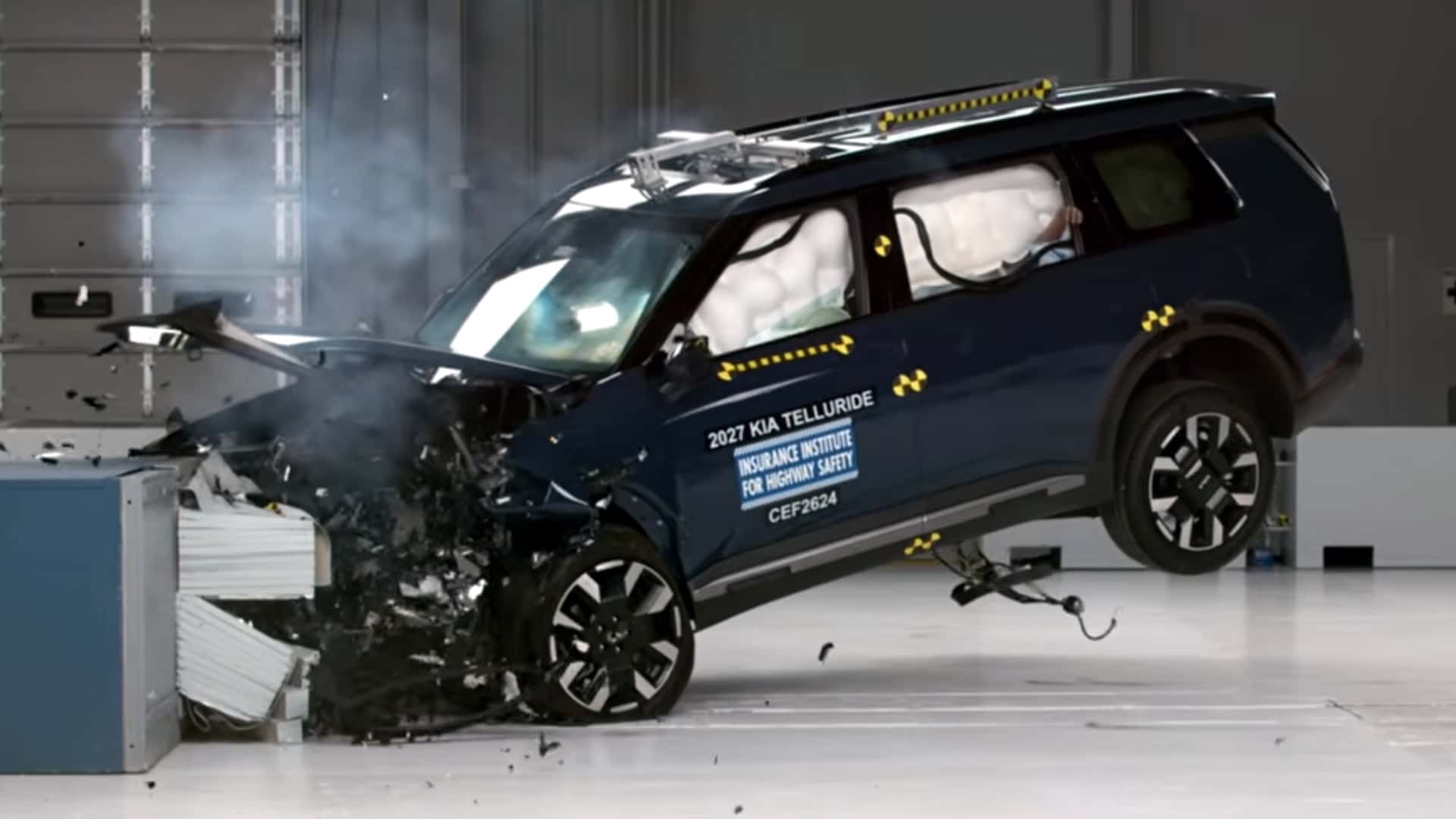
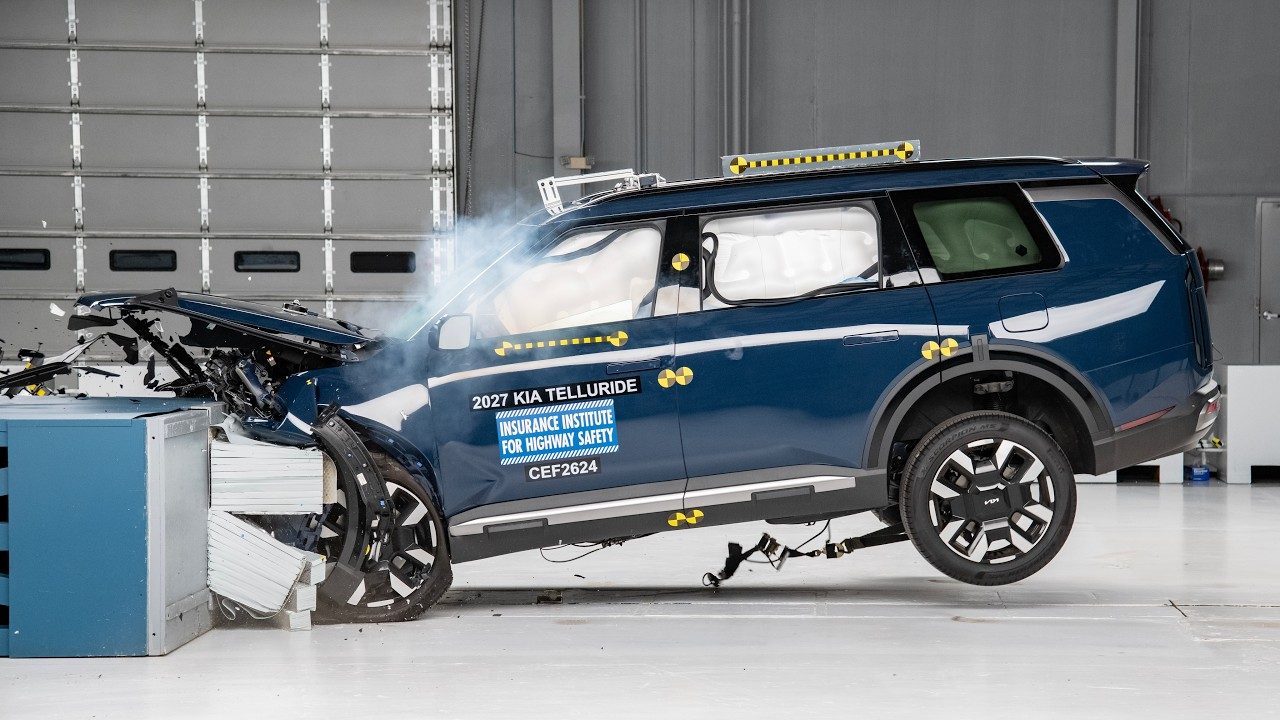
The latest testing cycle, which culminated in the September announcement, focused on seven distinct models. The process began with structural crashworthiness testing—subjecting vehicles to high-speed impacts that simulate the most common and lethal types of accidents, including small overlap front crashes, updated moderate overlap front tests, and high-energy side impacts.
For the Kia Telluride, the path to the "Plus" designation was not without its hurdles. Initial testing of early-production 2027 models revealed a shortcoming: headlight performance. In the IIHS framework, headlights are not merely aesthetic; they are a critical safety feature. If a vehicle’s illumination fails to provide adequate nighttime visibility or if it creates excessive glare for oncoming traffic, it cannot achieve the highest tier of safety recognition. Kia acted swiftly, implementing a mid-cycle production fix to the Telluride’s headlight assembly. Consequently, only those 2027 Kia Telluride models manufactured after June 2026 qualify for the Top Safety Pick+ award. Earlier units, which received a "Marginal" rating for headlights, remain ineligible.
Conversely, the Tesla Model Y moved through the testing cycle with relative ease. As a repeat honoree, the redesigned 2026-27 Model Y successfully navigated the gauntlet, securing "Good" ratings across all crashworthiness categories. While the Model Y’s path was smoother, it was not without a minor blemish: a "Marginal" rating for its seat belt reminder system, a nuanced detail that serves as a reminder of the IIHS’s granular approach to safety.
The Rigor of the Assessment: Why These Tests Matter
The IIHS’s "Top Safety Pick+" designation is widely considered the industry’s most prestigious safety accolade. It is not a participation trophy; it is a testament to engineering excellence under extreme duress.
The Crashworthiness Pillars
The core of the evaluation rests on three primary crash tests:
- Small Overlap Front: This test simulates a collision with an object like a utility pole or tree, focusing on the vehicle’s ability to protect occupants when the force is concentrated on a small portion of the front structure.
- Updated Moderate Overlap Front: This test has been refined to include a rear-seat dummy, ensuring that passenger protection is not limited to those in the front row.
- Updated Side Crash Test: Perhaps the most challenging of the set, this test utilizes a heavier barrier traveling at a higher speed than previous iterations. It is designed to simulate the violent energy transfer characteristic of modern SUV-on-SUV collisions.
The Evolution of Crash Avoidance
In the modern era, the best crash is the one that never happens. Therefore, the IIHS has integrated stringent crash-avoidance protocols into its scoring. Vehicles must perform exceptionally well in the "Vehicle-to-Vehicle 2.0" front crash-prevention evaluation and the pedestrian front crash-prevention test. These tests evaluate the sensitivity, reaction time, and reliability of automatic emergency braking (AEB) systems across various speeds and target types. A vehicle that cannot reliably detect a jaywalking pedestrian or a stopped vehicle ahead will fail to secure the "Plus" rating, regardless of how well its steel frame holds up in a collision.
The Five That Missed: A Reality Check for the Industry
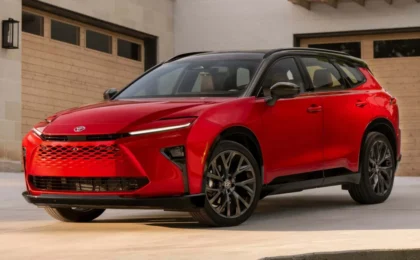
Perhaps the most surprising aspect of this round of testing was the exclusion of five prominent vehicles: the BMW 3 Series, the BMW i4, the Lexus IS, the GMC Canyon, and the Toyota Crown Signia.
For many enthusiasts and industry analysts, the absence of these models from the winner’s circle is a stark reminder of the "moving goalpost" nature of safety testing. The GMC Canyon, in particular, struggled under the updated crash-avoidance protocols. When a vehicle fails to meet the criteria, it often indicates that the manufacturer’s driver-assistance technology—while likely advanced for general use—did not meet the specific, high-precision parameters set by the IIHS in its latest evaluation software and physical testing.
This serves as a cautionary tale for both manufacturers and consumers. A model that was considered "safe" three years ago might not meet today’s criteria. The rapid integration of software-based safety features means that the digital architecture of a vehicle is now just as critical as the physical architecture.
Implications for the Consumer: Navigating the Market
For the average buyer, these results carry significant weight. If you are in the market for a family hauler like the Telluride, the difference between a late-June 2026 build and an earlier model could be the difference between buying a Top Safety Pick+ vehicle and one that failed to meet the highest safety standards.
1. The "Build Date" Factor
As demonstrated by the Telluride, consumers should be diligent about checking the manufacturing date, typically found on the sticker inside the driver’s side door jamb. For those shopping for a new or used 2027 Telluride, ensuring the vehicle was produced after June 2026 is essential for securing the superior headlight performance that led to the IIHS accolade.
2. Beyond the Marketing
Automakers often market their safety suites with proprietary names, but these marketing terms do not always correlate with IIHS results. When comparing vehicles, consumers should look specifically for the "Top Safety Pick+" badge on the IIHS website rather than relying solely on dealership brochures.
3. The Used Market Shift
As the IIHS continues to update its standards, we can expect to see a ripple effect in the used car market. Vehicles that fall out of favor with the IIHS due to updated testing protocols may see their resale values fluctuate, as safety-conscious families prioritize vehicles that meet the latest, most stringent requirements.
The Future of Automotive Safety
The fact that only two out of seven vehicles achieved the top award is a clear signal that the IIHS is pushing the industry toward a higher baseline. While the Tesla Model Y’s consistent performance underscores its technological maturity, the Kia Telluride’s pivot—fixing its headlight system to meet the bar—demonstrates that manufacturers are willing to adapt when the cost of non-compliance becomes clear.
However, the "Marginal" seat belt reminder rating for the Model Y and the failure of several premium models like the BMW 3 Series and Lexus IS highlight that no vehicle is currently "perfect." The challenge for the next five years will be twofold:
- Engineering for Complexity: As vehicles become more automated, the challenge of ensuring that safety systems do not experience "false positives" (braking when not needed) while remaining effective in real-world emergencies is the next frontier.
- Standardization: As testing becomes more rigorous, the disparity between the "safest" vehicles and the "average" vehicles will likely grow, potentially leaving a segment of the market behind.
Final Reflections
The IIHS, through its rigorous testing, has once again forced a dialogue between the manufacturer and the consumer. The 2027 Kia Telluride and the 2026-27 Tesla Model Y have earned their status as leaders, but the broader industry must now look to the five models that missed the mark and re-evaluate their approach to structural design and crash-avoidance software.
For the buyer, the advice remains the same: safety is not a singular feature—it is a sum of its parts. From the brightness of the headlights to the intelligence of the AEB software and the integrity of the cabin structure during a side-impact collision, every detail counts. Before signing the paperwork on your next vehicle, ensure that your definition of safety matches that of the regulators. In an era of rapid technological change, the most informed consumer is the safest one.
For those interested in the ongoing dialogue regarding vehicle safety, the IIHS continues to offer extensive resources on their official portal, providing granular data on every tested model. Motor1.com will continue to monitor these developments as more manufacturers update their lineups to meet the ever-rising standards of the automotive safety industry.