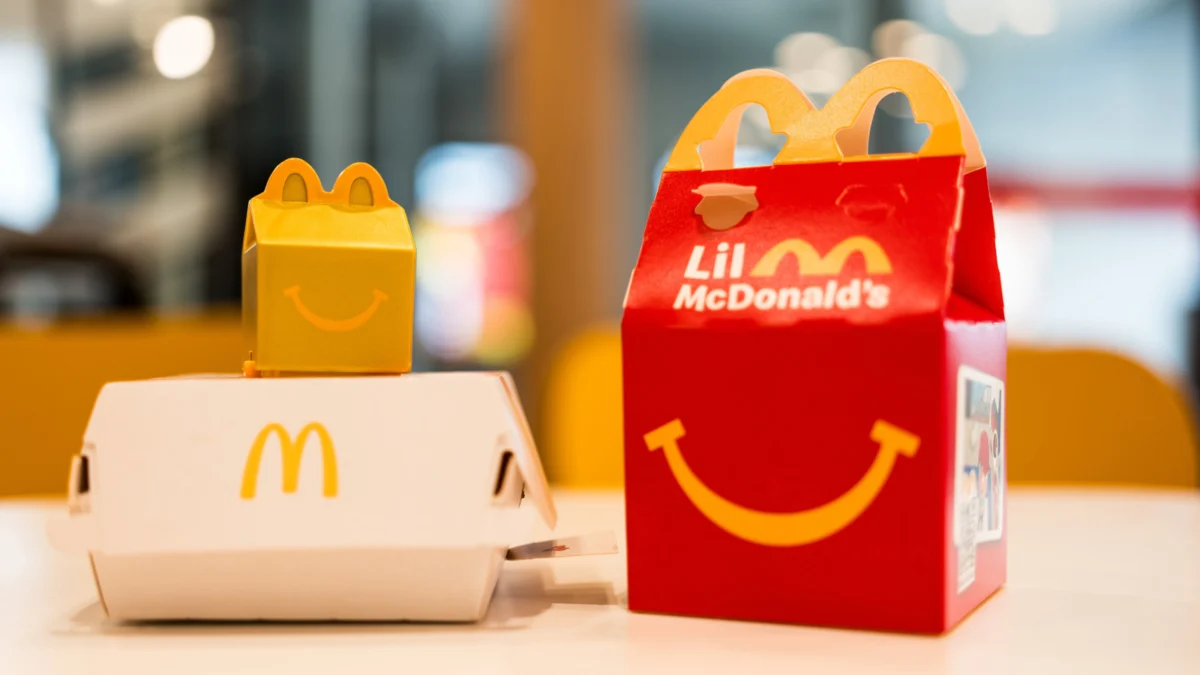
For decades, the McDonald’s Happy Meal has stood as a cultural icon, representing the intersection of fast-food convenience and childhood nostalgia. From the iconic red-and-yellow cardboard box to the elusive, highly collectible toys hidden within, the Happy Meal is more than a quick lunch—it is a global phenomenon. Yet, despite its ubiquity, many consumers remain unaware of a brilliant, functional design feature that has been circulating in international markets for years: a perforated base that transforms the standard box into a convenient, mess-free serving tray.
As social media users continue to spotlight this "hidden gem," the conversation has shifted from mere curiosity to a broader inquiry into how McDonald’s manages to balance global brand consistency with localized innovation.
The Perforated Revolution: A Masterclass in Ergonomic Design
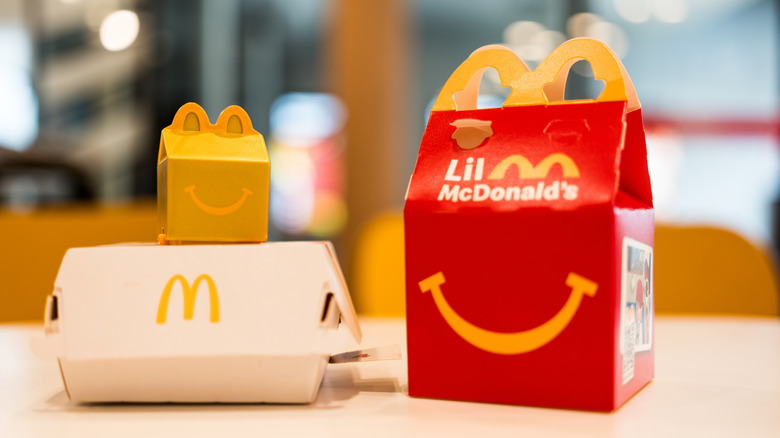
In recent months, viral videos circulating on platforms like TikTok and Instagram have introduced many American consumers to a feature they never knew they needed. The design is deceptively simple: a perforated line encircles the base of the Happy Meal box. By pulling a small, integrated tab, the bottom of the box detaches, effectively creating a sturdy, shallow tray.
For parents and children alike, this design represents a significant upgrade to the "on-the-go" dining experience. Instead of reaching into a deep, cramped container, the tray allows the meal—a burger, a side of fries, and dipping sauces—to be spread out in an accessible, stable fashion. It minimizes the risk of spills, prevents the dreaded "soggy fry" phenomenon caused by heat trapping within a closed box, and provides a designated spot to arrange nuggets and sauces.
However, this convenience is currently geographically restricted. While the feature has been a staple in parts of the United Kingdom and other select international markets since approximately 2017, it remains absent from the standard U.S. packaging. This disparity has sparked a minor, lighthearted outcry among American consumers, who are left to wonder why such a practical innovation has not yet made its way across the Atlantic.
A Chronology of the Happy Meal: From Circus Wagons to Global Icon
To understand why a simple perforated tab is making such waves, one must look back at the origins of the Happy Meal. When McDonald’s introduced the concept in 1979, the packaging was a vibrant "Circus Wagon" cardboard box, designed to turn a standard meal into an immersive experience.
The Origin Story
The genesis of the Happy Meal is rooted in the observations of a Kansas City advertising executive. Watching his son intently study the back of a cereal box during breakfast, he recognized a fundamental truth about child psychology: engagement is as important as nutrition. If a cereal box could command a child’s attention for several minutes, a themed lunch box could do the same. McDonald’s adopted this vision, and the Happy Meal was born.
The Evolution of Packaging and Policy
The Happy Meal has undergone numerous iterations over the past 45 years.
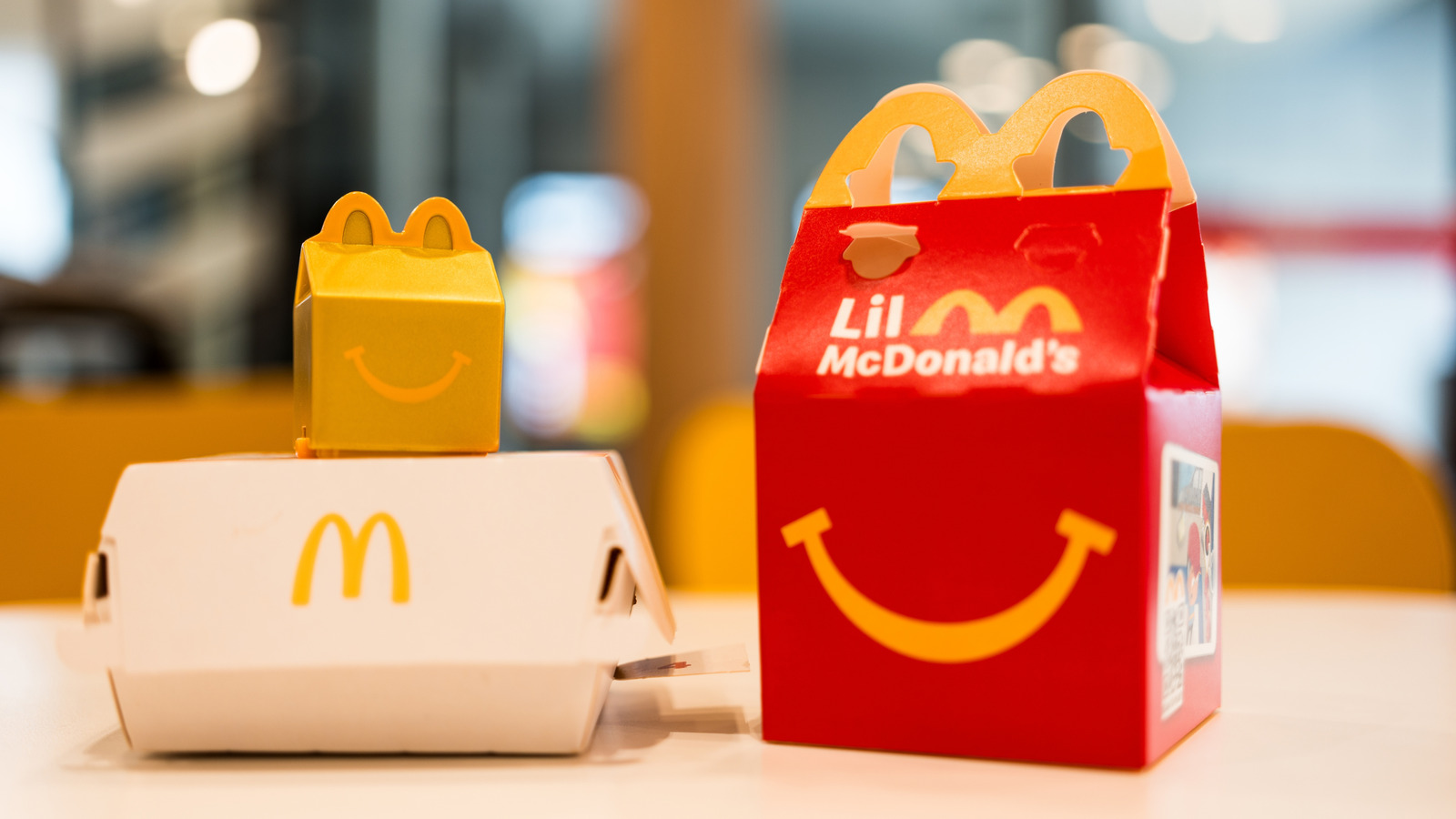
- The 1990s Pivot: In a push toward sustainability, the company experimented with paper bags. While these were more environmentally friendly, they lacked the rigid structure and "toy-holding" magic of the cardboard box. Public sentiment eventually forced a return to the classic box, albeit with evolving designs.
- The Menu Shift: Throughout the 2000s and 2010s, McDonald’s faced increasing scrutiny regarding child health. In response, the menu underwent significant shifts. Soda was increasingly replaced by milk or juice as the default beverage, and fruit or yogurt options were introduced as sides.
- The Breakfast Experiment: In 2016, the company attempted to capture the morning crowd by launching breakfast-themed Happy Meals in select markets. Much like the later, broader discontinuation of the "All-Day Breakfast" menu, the breakfast Happy Meal was eventually phased out due to operational complexities and shifting consumer demand.
Today, the Happy Meal is a juggernaut of the fast-food industry, selling at an astonishing rate of approximately 5,000 units per minute globally.
Data-Driven Dining: Why Innovation Matters
The success of the Happy Meal is not merely anecdotal; it is backed by staggering operational data. McDonald’s operates on a scale that few corporations can match, and every design change—no matter how small—is subject to rigorous cost-benefit analysis.
Supply Chain and Sustainability
The introduction of a perforated tray is not just about user experience; it is about material science. To make a box that is both a secure carrying vessel and a functional tray requires high-precision cardboard engineering. The weight of the cardboard must be sufficient to remain stable when opened, yet thin enough for a child to easily tear along the perforation.
Furthermore, as McDonald’s works toward its 2025 goal of sourcing 100% of its guest packaging from renewable, recycled, or certified sources, the evolution of the box becomes a key metric in their sustainability reporting. Any change to the packaging must account for the carbon footprint of production, shipping, and eventual disposal.
Consumer Behavior and Retention
Marketing research suggests that the "unboxing" experience is a primary driver of customer loyalty. When a child associates the act of opening a box with a reward (the toy) and a functional, easy-to-eat experience (the tray), the brand becomes linked to a positive emotional state. This "brand love" is the bedrock upon which McDonald’s has built its multi-generational appeal.
Official Responses and the "Global vs. Local" Dilemma
When pressed for comment on why the perforated tray has not seen a wider rollout, McDonald’s representatives often highlight the company’s "Global/Local" operational model. McDonald’s is a decentralized entity; individual markets have a significant degree of autonomy regarding their menu and packaging, provided they meet global quality and safety standards.
The UK market, which pioneered the perforated tray, has historically been a testing ground for innovative packaging solutions. International markets often face different logistical challenges, such as varying container sizes, local waste management regulations, and different regional menu items. What works for a standard "4-piece nugget" box in London may not translate seamlessly to the packaging requirements of a "Big Mac" or "Cheeseburger" Happy Meal in a different jurisdiction.
However, the viral nature of these social media videos puts internal pressure on the company. In an era where consumers are hyper-connected, the concept of "geographic exclusivity" is becoming harder to maintain. When a customer in Chicago sees a customer in Manchester using a superior box design, the demand for parity becomes a brand management issue.
Implications for the Future of Fast Food
The discourse surrounding the "hidden" tray serves as a microcosm for the future of the fast-food industry. We are moving into an era where "experience design" is just as important as the product itself.
The Rise of Functional Convenience
The modern consumer is time-poor and space-constrained. Whether eating in a car, on a park bench, or at a crowded food court, the "portability" of a meal is a high-value attribute. If McDonald’s can prove that a simple modification to a box increases customer satisfaction, it is only a matter of time before such features become the industry standard.
The Power of User-Generated Feedback
Historically, corporations relied on focus groups to understand customer needs. Today, the feedback loop is instantaneous. A single TikTok user filming themselves pulling a tab can reach millions of people, effectively acting as an unpaid, highly effective product tester. This creates a new mandate for large corporations: they must be more agile in responding to consumer desires that are articulated through digital media.
Sustainability as a Catalyst
As the world moves away from single-use plastics, the innovation focus has shifted back to paper-based products. The "perforated tray" is a perfect example of how sustainable materials can be optimized to provide a premium experience. By maximizing the utility of a single piece of cardboard, McDonald’s is essentially "doing more with less"—a hallmark of efficient, modern engineering.
Conclusion
The McDonald’s Happy Meal box is, at its core, a simple cardboard container. Yet, through the lens of the perforated tray, it reveals itself to be a sophisticated piece of design that reflects the changing demands of the modern consumer. While the feature may currently be a regional novelty, its popularity on the global stage suggests that we are witnessing the beginning of a shift in how fast-food packaging is conceptualized.
As the company continues to refine its global strategy, one thing is clear: the era of the "static" package is over. Today’s consumers are not just looking for a meal; they are looking for an experience that is efficient, sustainable, and, above all, easy to enjoy. Whether or not the perforated tray arrives in every McDonald’s globally, its existence serves as a reminder that even the most mundane objects can be transformed into tools of delight with a little bit of creativity and a well-placed line of perforations. The battle for the "foodie heavyweight" title may not be settled by the quality of the burgers alone, but by who provides the most seamless experience from the moment the box is opened.