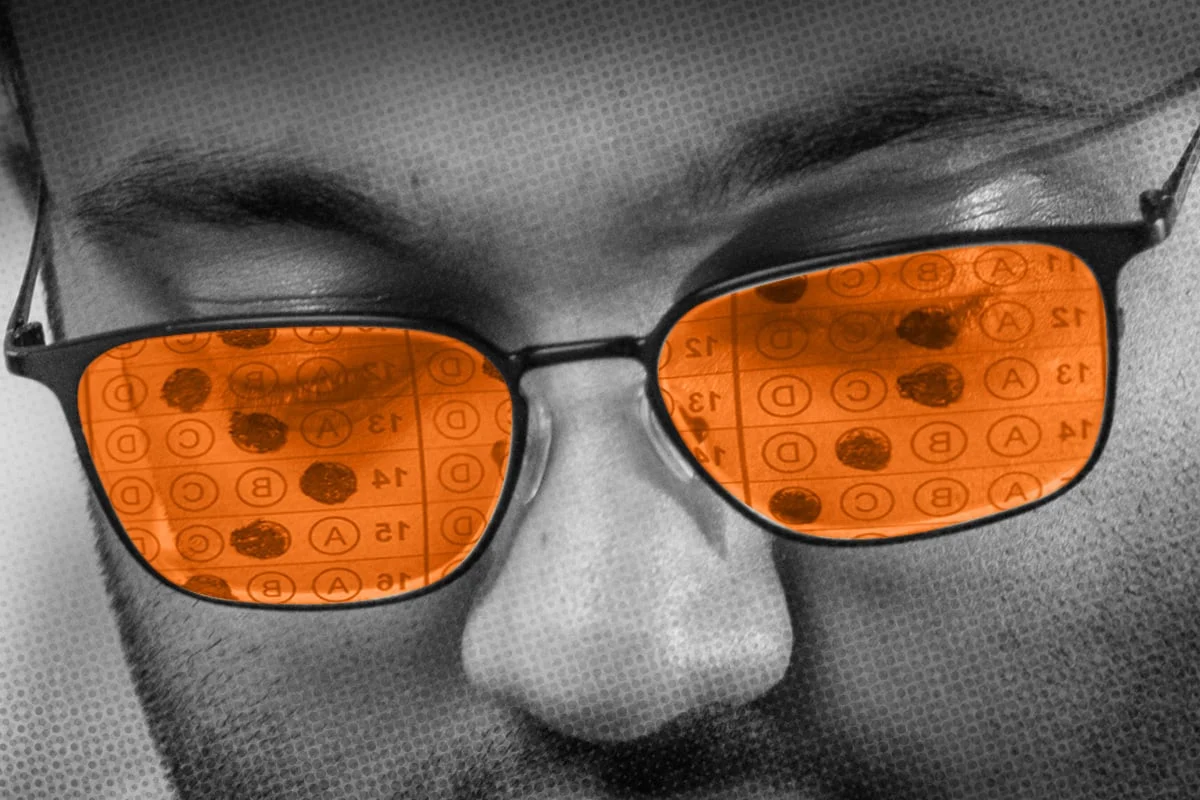
In the six years since the COVID-19 pandemic effectively dismantled the traditional college admissions landscape, the role of the SAT and ACT has become one of the most contentious topics in American higher education. As the dust settles on the 2026–27 admissions cycle, a loud, prevailing narrative has emerged: that elite universities, led by the Ivy League, are orchestrating a mass return to standardized testing requirements.
However, new data from FairTest, the National Center for Fair & Open Testing, suggests that the "resurgence" of testing is more of a localized trend among the nation’s most exclusive institutions than a systemic shift. While the media spotlight fixates on the return of testing at the upper echelon of higher education, the vast majority of American colleges remain committed to test-optional or test-free policies.
The State of Play: By the Numbers
According to the latest FairTest analysis of 2,247 admissions policies, the landscape is far less uniform than the headlines might suggest. As of the 2026–27 cycle, only 161 colleges—a mere 7 percent of the institutions surveyed—require test scores for undergraduate admission.
The breakdown reveals a stark divide:
- Test Optional: 86 percent of institutions allow students to choose whether or not to submit scores.
- Test Free: 4 percent of institutions have eliminated the use of scores entirely, refusing to consider them even if submitted.
- Test Required: 7 percent mandate standardized testing.
The volatility of these policies is low. While 11 institutions introduced new testing requirements this year, 10 others shifted from a "required" policy to "test optional." The net gain for institutions requiring tests was exactly one school.
This data paints a picture of a sector that is largely satisfied with its post-pandemic flexibility. Even among the top 100 institutions as ranked by U.S. News & World Report, the "return to testing" is moderate; only 11 percent require scores, while 82 percent remain test optional.
A Chronology of the Testing Shift
The trajectory of standardized testing in admissions has been marked by three distinct phases since 2020:
1. The Pandemic Pivot (2020–2022): The forced closure of testing centers during the pandemic prompted an immediate, near-universal suspension of testing requirements. This was initially framed as a temporary emergency measure but quickly transformed into a social experiment in equitable access.
2. The Stabilization Phase (2023–2024): Many public and private universities found that test-optional policies increased the volume of applications and, in some cases, the diversity of the applicant pool. During this period, the initial "emergency" policy became a permanent fixture for most.
3. The Ivy Reversal (2025–2026): A select group of elite institutions—most notably the Ivy League—began to backtrack, citing concerns over grade inflation and the need for a "validator" to ensure academic readiness. This phase ignited the current firestorm of debate, as smaller institutions and public systems weighed whether to follow the lead of the nation’s most prestigious universities.
The "Ivy-Plus" Influence and the Disconnect
The narrative that the world is "going back to testing" is largely driven by the high-profile decisions of the Ivy League and a few select peers. Columbia and Princeton, for instance, are currently in the final stages of their test-optional policies before transitioning to mandatory testing next year. Conversely, institutions like Duke University and the University of Chicago have signaled their intent to remain test-optional for the foreseeable future.
Harry Feder, executive director of FairTest, argues that the intense media focus on these elite institutions creates a distorted reality. "The narrative that is being put forward says, ‘Oh, the world is going back to testing,’" Feder noted. "But it’s just not true, and it’s a story that is essentially being driven by what the Ivy Plus are doing or have done, which is going back to testing for their own reasons."
The Political and Regulatory Backdrop
The debate is no longer confined to academic senates and admissions offices. The federal government has taken an increasingly active role in how universities evaluate merit.

The Trump administration, in particular, has sought to leverage research funding to influence admissions practices. Through a proposed "higher education compact," the government has pushed for institutions to adopt "objective criteria"—shorthand for standardized tests—as a condition for preferential funding.
Simultaneously, the Department of Justice has launched investigations into elite medical and law schools, alleging that holistic admissions processes have resulted in discrimination against white and Asian applicants. Because these investigations often focus on racial disparities in MCAT and LSAT scores, the conversation about testing has become deeply intertwined with the broader national discourse on equity, meritocracy, and the legacy of affirmative action.
Predictors of Success: The Academic Debate
At the heart of the conflict is a disagreement over what tests actually measure. Proponents of standardized testing argue that in an era of rampant high school grade inflation—where an "A" is no longer the rarity it once was—SAT and ACT scores provide an essential, standardized benchmark. Studies from institutions like Brown University have suggested that at highly selective schools, test scores are often more predictive of first-year college performance than high school GPAs.
However, critics point to a mountain of research indicating that the predictive power of these tests is not universal. At many public universities, high school GPA remains a superior predictor of long-term success. Furthermore, the socioeconomic implications are significant. Wealthier students consistently outperform their peers, a gap largely attributed to the "arms race" of private test-preparation and professional tutoring.
"The SAT is not a beacon of meritocracy," critics often argue, pointing to the correlation between family income and test performance. For these advocates, reintroducing testing is a step backward that effectively penalizes students from under-resourced school districts.
The Role of Public Systems and Niche Colleges
The landscape of testing is not monolithic. Public university systems have adopted widely varying approaches:
- The Strict Adopters: The university systems in Florida and Tennessee remain the only major public systems requiring standardized tests at every campus.
- The Hybrid Approach: The University System of Georgia has increased the number of institutions requiring scores, though it maintains a tiered system where students with certain GPAs may be exempt.
- The Flagship Holdouts: While Ohio State, Purdue, and UT-Austin require scores, they remain outliers among their peers. Most public universities are actually less likely to require tests than the average private institution.
Interestingly, a significant portion of the private colleges that still mandate tests are not the "Ivies." About half of the private institutions requiring scores are religiously affiliated, including a high concentration of seminaries and yeshivas, where testing is often used as a baseline for academic readiness within specific religious or specialized curricula.
The Counselor’s Dilemma
For independent college counselors, the shifting landscape has created a paradox. Lisa Carlton, president of the Independent Educational Consultants Association, notes that even though 90 percent of colleges don’t require tests, the majority of counselors still advise students to take them.
"It’s very hard for the colleges to get a full academic read because of grade inflation," Carlton explains. "Some of them really want to see that score as a validator."
This "validator" mindset is reflected in the behavior of applicants. According to Common App data, 2025–26 marked the first year since the pandemic began that more than half of applicants (51 percent) chose to submit test scores. Students, fearful of being disadvantaged in a hyper-competitive market, are choosing to provide data even when they are not strictly obligated to do so.
Future Implications: A Stagnant or Shifting Market?
As the 2026–27 cycle concludes, the "Great Testing Divide" remains unresolved. While the Ivy League’s return to testing has provided a template for others to follow, the broader higher education sector appears to have found a comfortable middle ground in test-optional policies.
The move toward "test-optional" has allowed institutions to retain the flexibility to evaluate students holistically while still using scores for those who wish to provide them. This dual approach seems likely to persist, particularly as colleges struggle to balance the need for objective data against the societal demand for broader, more equitable access to higher education.
Ultimately, the debate over standardized testing is a reflection of the identity crisis facing American universities. Are they, first and foremost, gateways to meritocratic professional advancement, or are they engines of social mobility? Until that question is answered, the SAT and ACT will remain the primary lightning rod for the tensions defining the future of the American college experience.