By International Desk
The Togolese government has broken its weeks-long silence regarding the detention of three media professionals—two French nationals and one Togolese citizen—who have been held in custody since late July. The case, which has drawn sharp rebukes from international press freedom organizations and sparked concern among the families of the detainees, highlights the growing tension between security imperatives and the freedom of the press in West Africa’s increasingly volatile Sahelian border regions.
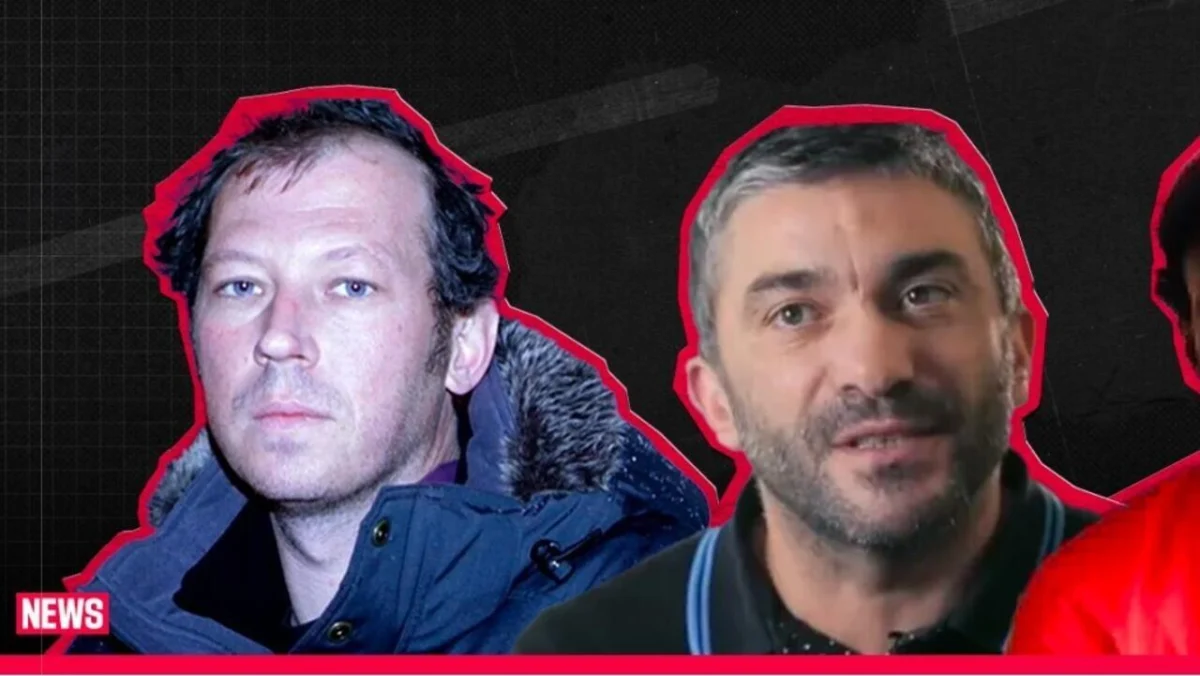
The three men—Gaël Mocaër, Sébastien Perez-Pezzani, and their local fixer, Fred Vedomey—were taken into custody on July 27 while working on a documentary project for the French public broadcaster, France Télévisions. As they enter their second month of incarceration, the legal and diplomatic situation remains fraught, with the Togolese authorities accusing the team of “false declarations” and unauthorized use of drone technology in sensitive security zones.
The Chronology: From Production to Custody
The mission, commissioned by France Télévisions and facilitated by the independent production house Tony Comiti Productions, was intended to be a routine documentary shoot. However, the situation deteriorated rapidly following their arrival in Togo.
- July 27: The documentary team is intercepted by Togolese security forces. Authorities allege that the group was operating a drone in a zone designated as a “sensitive area.”
- Late July – Mid-August: The trio is held incommunicado, or with limited access to counsel, as the government conducts an internal investigation into the nature of their assignment and the legitimacy of their permits.
- August 17: The three men are brought before local prosecutors for a formal hearing, accompanied by their defense attorney, Martial Akakpo. This marks the first significant procedural step in their ongoing detention.
- August 19: Reporters Without Borders (RSF) issues a public statement, confirming the detention and calling for the “immediate release” of the journalists. The statement notes the deteriorating health of Sébastien Perez-Pezzani.
- Late August: Following mounting international pressure, the Togolese Ministry of Justice and the Ministry of Security issue a joint statement, providing the first official government justification for the detentions.
The Charges and the Government’s Stance
In their joint statement released on Saturday, the Togolese ministries of Justice and Security sought to frame the detention not as an attack on journalism, but as a necessary response to a breach of national security protocols.
The government alleges that the team’s filming authorization was "strictly limited" to specific, pre-approved locations. Officials claim that the authorization paperwork was signed solely by the fixer, Fred Vedomey, without proper countersignature or endorsement by the French nationals. Furthermore, the government alleges "several irregularities" in the manner in which the assignment was executed, though they have stopped short of detailing exactly what those irregularities entail.
At the heart of the dispute is the use of drone technology. Togo, like many of its neighbors in the Gulf of Guinea, has become increasingly sensitive to aerial surveillance in its northern territories, where the spillover of jihadist violence from the Sahel remains a persistent, existential threat. The government argues that unauthorized drones pose a legitimate security risk, potentially being mistaken for hostile reconnaissance or interfering with military operations.
The Defense: Denials and Human Rights Concerns
Representing the detainees, attorney Martial Akakpo has categorically denied the charges of "false declarations." The defense maintains that the crew operated with full transparency, having obtained the necessary permits and declaring all technical equipment, including the drones, to customs officials upon entry.
Patrice Lucchini, the director of Tony Comiti Productions, has been vocal in his support for the team. Lucchini emphasizes that the journalists were not acting in secrecy but were operating under a standard contract for a major national broadcaster. "They followed the rules," Lucchini stated. "To accuse them of operating illegally is a mischaracterization of a professional, authorized assignment."
The Health Crisis
Perhaps the most urgent aspect of this standoff is the physical condition of Sébastien Perez-Pezzani. Reports from his family and advocacy groups indicate that he is suffering from serious, pre-existing health issues that require medical interventions unavailable in his current place of detention.
A Togolese doctor, consulted during the early stages of the detention, reportedly warned that the filmmaker was at high risk of developing sepsis if he did not receive specialized, urgent care. The failure to provide this care has led to international condemnation, with RSF warning that the Togolese government would be held responsible for any further decline in the health of the detainees.
Implications for Press Freedom in West Africa
The detention of the France Télévisions team occurs against a backdrop of increasing hostility toward foreign media in the Sahel and West Africa. As the regional security landscape shifts, many governments have adopted a "securitized" view of journalism. The presence of cameras, and specifically drones, in border regions is often viewed through a lens of suspicion, with local authorities increasingly prone to labeling journalists as "spies" or "instigators" to justify restrictive measures.
The Role of the Fixer
The case also underscores the precarious position of local fixers. Fred Vedomey, the Togolese colleague caught in the crosshairs, represents the vital link between international media and local realities. However, as the government’s statement suggests, the legal burden often falls heavily on the local facilitator. By questioning the validity of the permits signed by Vedomey, the state is effectively pressuring the local media infrastructure to act as an arm of state surveillance rather than as a partner to independent journalism.
Diplomatic Strain
The case poses a delicate diplomatic challenge for both Togo and France. While Paris is a key security and economic partner for Lomé, the detention of French citizens—and the subsequent silence from the Togolese authorities—has strained bilateral relations. French diplomatic officials are reportedly working behind the scenes to secure a swift resolution, though they face the hurdle of respecting Togolese judicial sovereignty.
Conclusion: A Test of Due Process
As of this writing, the families of Mocaër and Perez-Pezzani have described themselves as "devastated" by the ongoing ordeal. For the international community, the case in Lomé serves as a litmus test for the rule of law in Togo.
If the government’s evidence for "false declarations" and "irregularities" is as thin as the defense suggests, the prolonged detention of these men may be viewed as a signal that the state is willing to use its security apparatus to intimidate the press. Conversely, if the government can prove that its security protocols were willfully ignored, it may seek to use this case as a warning to other media outlets operating in the region.
For now, the focus remains on the courtroom in Lomé and the medical facility where Sébastien Perez-Pezzani continues to wait. The resolution of this case will have long-lasting implications for how international journalists navigate the complex, often dangerous, and increasingly restricted landscape of West African reportage. The international community, led by press freedom advocacy groups, remains steadfast in its demand for a transparent legal process and the immediate, humane treatment of the three men.
The coming weeks will determine whether this incident ends in a judicial exoneration or whether it becomes a permanent stain on Togo’s record regarding the protection of the Fourth Estate. As the legal proceedings move forward, the world is watching, waiting to see if justice in Lomé will be served with the impartiality required of a modern democracy, or if the "security threat" narrative will continue to override the fundamental rights of those tasked with reporting the news.