In the high-stakes arena of American politics, the "kitchen table" issues of inflation, healthcare, and immigration typically dominate the airwaves. However, as the 2026 midterm election cycle reaches its crescendo, an unlikely new protagonist has emerged at the center of the national discourse: the data center. Once relegated to windowless warehouses in industrial parks, these massive infrastructure projects—the physical backbone of the Artificial Intelligence (AI) boom—have become political lightning rods.
While candidates for the U.S. House and Senate have increasingly integrated data center policy into their platforms, a more nuanced reality is surfacing. The true power over the future of the digital economy does not reside solely in Washington, D.C., but rather in the hands of state legislators, county supervisors, and zoning boards. As voters head to the polls, the outcome of these lower-profile races may dictate whether the United States maintains its lead in the global AI arms race or if local pushback triggers a significant economic cooling.
Main Facts: The Intersection of Infrastructure and Influence
The data center industry is currently undergoing a period of unprecedented expansion. Driven by the voracious appetite of generative AI models, "hyperscalers"—tech giants such as Amazon, Google, and Microsoft—are pouring capital into physical infrastructure at a staggering rate. Global forecasts suggest that by 2027, annual spending on data center construction and hardware will exceed $1 trillion.
The economic stakes are difficult to overstate. According to JPMorgan, AI-related investments accounted for approximately one-fifth of the United States’ GDP growth over the past year. Analysts at ING are even more bullish, predicting that the AI sector will be responsible for one-third of all U.S. economic growth by 2026. However, this growth is hitting a physical wall: the power grid.
Data centers are notorious for their immense energy and water requirements. A single large-scale facility can consume as much electricity as a mid-sized city. This has led to a paradoxical situation where the very industry driving national prosperity is being met with fierce resistance from the communities that host them. Residents cite concerns over rising utility bills, the aesthetic blight of massive industrial buildings, and the environmental impact of noise and water consumption.
As Election Day approaches, the financial markets are watching closely. There is a growing concern among strategists that a "blue wave" at the state and local levels—characterized by a shift toward Democratic candidates who may prioritize environmental regulations and community oversight—could usher in a more restrictive era for tech infrastructure.
Chronology: From Digital Utility to Political Flashpoint
The transformation of data centers into a campaign issue has been several years in the making, but the intensity has spiked in the 12 months leading up to the 2026 midterms.
2023–Early 2024: The Unchecked Boom
Following the public release of ChatGPT and subsequent AI models, hyperscalers entered a "land grab" phase. Companies began purchasing thousands of acres in historically tech-friendly regions like Northern Virginia (the "Data Center Alley") and emerging hubs in Texas and Ohio. At this stage, local governments largely welcomed the investment, viewing it as a reliable source of property tax revenue.
Mid-2024: The Rise of Local Activism
As the scale of the proposed projects became clear, grassroots opposition began to coalesce. In states like Virginia and Maryland, "citizen coalitions" formed to protest the encroachment of data centers on historical sites and residential neighborhoods. This period saw the first significant delays in project approvals as local zoning boards began to buckle under public pressure.
Late 2024–2025: The Political Pivot
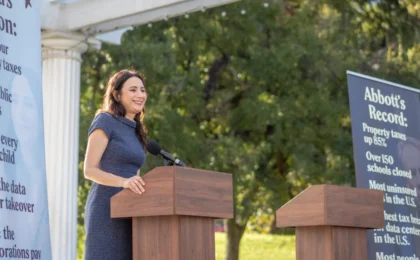
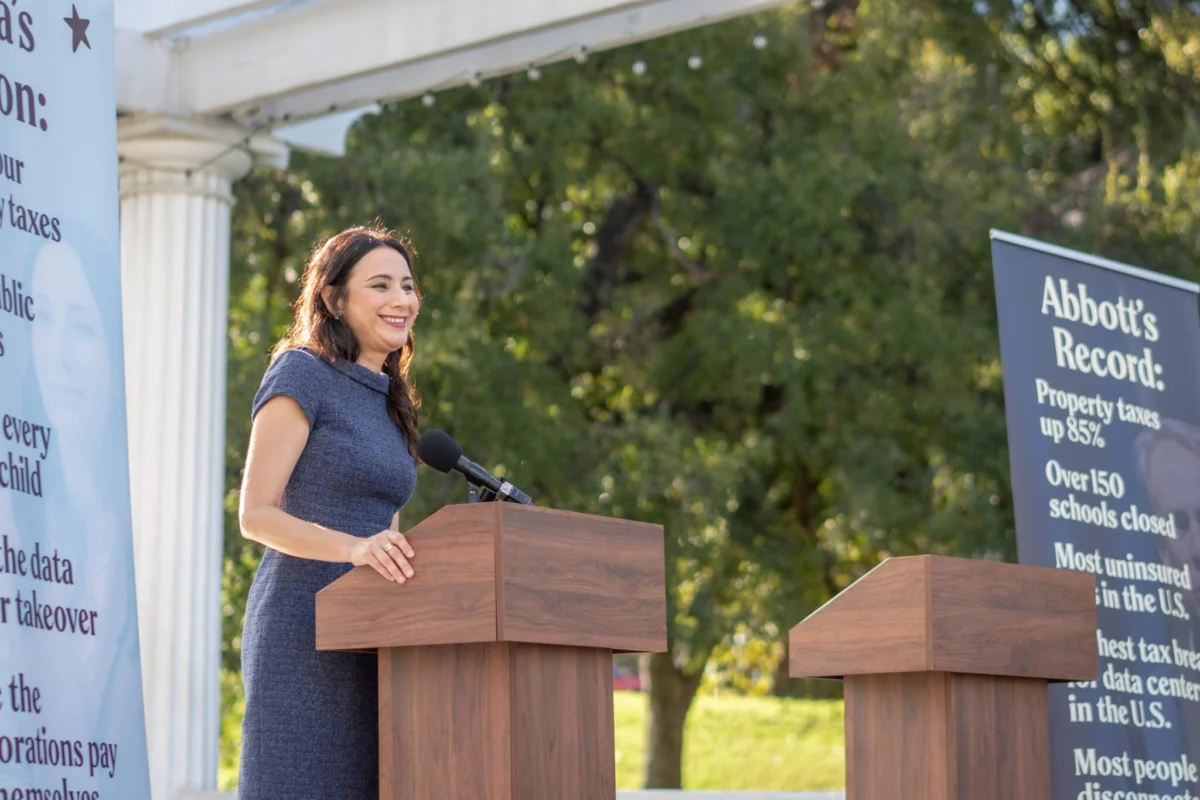
Recognizing the potency of the issue, politicians began to shift their stances. In Texas, Governor Greg Abbott, long a champion of deregulation and business expansion, began expressing skepticism regarding the strain data centers place on the state’s fragile ERCOT power grid. This pivot was largely seen as a strategic move to defend against a primary challenge and a general election threat from Democratic State Representative Gina Hinojosa.
October 2026: The Amazon Retreat
Just weeks before the midterms, a landmark event occurred in Loudoun County, Virginia. Amazon Web Services (AWS) announced it would cancel a massive planned data center project despite having purchased the land for $427 million in early 2024. The decision followed a bruising battle with local officials and residents, signaling a major victory for the anti-data center movement and setting the stage for the current election cycle’s rhetoric.
Supporting Data: The Economic Engine vs. The Grid Constraint
The tension between economic growth and infrastructure limits is best illustrated by the following data points:
- GDP Contribution: AI and data center investments are currently the primary drivers of U.S. business investment. Without this sector, many economists argue the U.S. would be flirting with a recession.
- Energy Demand: The International Energy Agency (IEA) estimates that data center electricity consumption could double by 2026. In some regions, data centers are projected to consume up to 20% of the total available power.
- Spending Lag: A critical nuance identified by Oxford Economics is the "six-to-eight quarter lag." While construction happens today, the majority of the economic value—the high-end servers and GPUs—is installed 18 to 24 months later. This means that even if a moratorium were passed today, the economic benefits of the current construction boom would continue to bolster GDP through 2028.
- Tax Incentives: Data centers remain a major source of local revenue. In some Virginia counties, data center tax receipts account for over 30% of the general fund, paying for schools, roads, and public safety. This creates a "fiscal cliff" for local officials who oppose new construction.
Official Responses and Political Landscape
The divide in response strategies between federal and local officials highlights the complexity of the issue.
The Federal Stance: National Security and Global Leadership
In Washington, the narrative remains focused on global competition. Both the current administration and the previous Trump administration have viewed AI as a national security priority. Former President Trump utilized executive orders to streamline infrastructure permits, arguing that falling behind China in AI capabilities is an existential threat. Most federal lawmakers, regardless of party, are hesitant to pass legislation that would explicitly cap data center growth for fear of harming the U.S. tech sector’s global dominance.
The Local Stance: Zoning, Noise, and "Not In My Backyard" (NIMBY)
At the local level, the tone is markedly different. Michael Pearce, Chief U.S. Economist at Oxford Economics, notes that "local officials pose more immediate threats via moratoriums, environmental reviews, and bottlenecks."
In Virginia, local leaders expressed that they felt "blindsided" by the scale of Amazon’s acquisitions. The resulting agreement—where Amazon will repurpose land for residential use and donate $5 million to a housing fund—is being touted by local Democratic candidates as a blueprint for "responsible development."
In Texas, Governor Abbott’s shift reflects a pragmatic concern for the power grid. "We need to ensure that the lights stay on for Texas families before we give all our power to the machines," has become a recurring sentiment in his campaign messaging. Meanwhile, his opponent, Gina Hinojosa, has pushed for even stricter environmental standards, creating a race to the middle where neither candidate is an unconditional supporter of the industry.
Implications: The Long-Term Outlook for the AI Economy
The outcome of the midterm elections will serve as a bellwether for the 2028 Presidential election. If anti-data center platforms prove successful at winning votes in key swing states like Ohio, Wisconsin, and Pennsylvania, the issue will likely move to the center of the national stage in two years.
1. The Elongation of the Cycle
Paradoxically, political pushback might actually prevent a market crash. Daniel Skelly of Morgan Stanley Wealth Management suggests that political resistance, along with power deficits and labor shortages, may "elongate the cycle." By slowing down the pace of construction, the industry may avoid a "blow-off top" or an oversupply of computing power, leading to more sustainable, long-term growth.
2. Geographic Decentralization
As traditional hubs like Northern Virginia and Silicon Valley reach a breaking point, the industry is being forced to look elsewhere. This "forced migration" is bringing high-tech investment to the Midwest and the Carolinas. However, these regions are now watching the political battles in Virginia and Texas, with many local candidates preemptively running on platforms of "data center caution."
3. The 2028 Regulatory Horizon
If a "blue wave" manifests at the state level, we can expect a surge in state-level regulations regarding water usage, carbon offsets, and mandatory community benefit agreements. This would represent a shift from the "Wild West" era of data center expansion to a highly regulated utility model.
4. Economic Resilience
Despite the political volatility, the near-term economic outlook remains tethered to the AI boom. Because the spending on equipment lags behind construction, the "surge" of 2024 and 2025 will continue to support U.S. business investment for the next several years. Even a total halt in new permits today would not be felt in GDP figures until the late 2020s.
Conclusion
The data center has evolved from a technical necessity into a symbol of the modern economic divide. To the investor, it represents a trillion-dollar opportunity; to the local resident, it represents a threat to their quality of life. As the midterm elections unfold, the winners in town halls and state capitals will determine the friction coefficient for the AI revolution. Their decisions will decide whether the U.S. continues to build the future at breakneck speed or if the digital engine of the 21st century must first learn to coexist with the communities it powers.