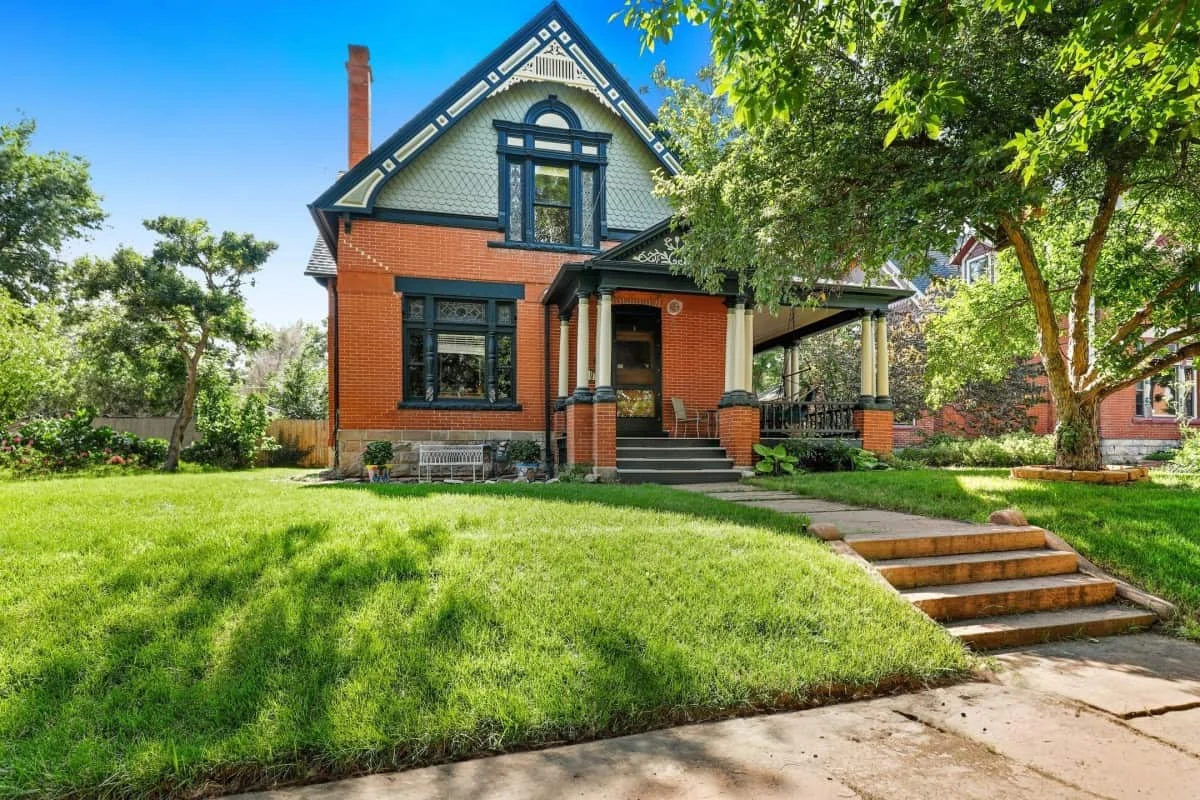
Summer 2026 finds the American housing market in a state of suspended animation. After a notably sluggish 2025, the anticipated "thaw" has failed to materialize, leaving prospective buyers and sellers caught in a cycle of high costs, limited inventory, and persistent economic anxiety. As the nation grapples with a volatile global landscape, the fundamental question for millions remains: Is now the right time to enter the market, or is the safest path to wait?
The Current State of the Market: A Slow-Motion Freeze
The housing sector is currently defined by a "push-pull" dynamic that has stifled transaction volume. Despite the seasonal expectation for activity, the market continues to exhibit the same sluggish trends that have defined it for over a year: low sales volume, constricted listings, and monthly housing costs that remain at near-record highs.
At the heart of this stagnation is a complex web of macroeconomic factors. The conflict in the Middle East continues to exert upward pressure on oil prices, which in turn fuels inflation and keeps mortgage rates elevated and unpredictable. Even if a diplomatic breakthrough were to occur tomorrow, many economists are cautious, noting that structural economic pressures—ranging from AI-driven labor market fears to lingering uncertainty regarding international trade tariffs—are likely to maintain a floor under interest rates for the foreseeable future.
Chronology of the 2026 Real Estate Slump
To understand how we arrived at the current impasse, one must look at the recent trajectory of the economy:
- Late 2025: The market began to show signs of exhaustion. Following a series of rate hikes, inventory levels tightened, and buyers began to retreat to the sidelines in anticipation of a cooling period that never quite arrived.
- Early 2026: As the spring buying season approached, many homeowners hoped for a rebound in listings. While there was a brief uptick in inventory, the surge in demand expected from buyers failed to materialize, leading to a disconnect between seller expectations and buyer purchasing power.
- March – August 2026: Mortgage rates began a sustained climb, fueled largely by geopolitical volatility. By August 31, the 30-year fixed-rate mortgage average hit 6.87%, the highest level in 14 months, effectively locking many middle-class families out of the market.
- Present Day: The market remains in a defensive posture. While asking prices have shown signs of softening in some regions, the lack of affordability keeps the volume of closed sales historically low.
Supporting Data: By the Numbers
The metrics tell a story of a market under immense pressure, yet one that retains pockets of surprising resilience.
Price Resilience and Affordability
The median U.S. home sale price currently stands at $407,730, an increase of 3.2% year-over-year. More staggering is the five-year trajectory, with prices sitting nearly 20% higher than they were in 2021. While the rapid, double-digit price growth of the early 2020s has slowed to approximately 1.2% annually, the cumulative effect has strained the average household budget to its limit.
Mortgage Rate Impact
The shift in rates from the 6.1%–6.3% range seen in late 2025 to the current 6.87% has had a profound impact on purchasing power. For the average borrower, this delta translates to thousands of dollars in additional interest costs over the life of a loan. With many economists predicting that the Federal Reserve may favor further rate hikes to combat persistent inflation, the cost of borrowing is unlikely to see significant relief in the near term.
Inventory and Demand Mismatch
There are currently roughly 1.5 million homes for sale nationwide. While this is the highest monthly level since the onset of the pandemic, it remains historically low compared to long-term averages. This inventory is also unevenly distributed:
- The Sun Belt: Areas like Austin, Texas, have seen a surge in inventory due to a construction boom, creating a genuine buyer’s market where negotiating power has shifted away from sellers.
- The Midwest and Northeast: Pockets of the East Coast, particularly in cities like Rochester and Buffalo, NY, continue to see intense competition for affordable inventory, keeping prices high despite the broader national trend.
Expert Perspectives: Advice from the Frontlines
Daryl Fairweather, Chief Economist at Redfin, offers a pragmatic take on the current environment. "Now is a good time to buy a home, if you can afford it," Fairweather notes. "Prices keep climbing, which is pushing some buyers out of the market but giving those who remain an upper hand in negotiations."

Fairweather emphasizes that the current climate is not a monolith. Because local housing markets vary so drastically, she advises that "buyers serious about making offers should consult a local agent and be confident in their finances and future income."
Chen Zhao, Head of Economics Research at Redfin, adds that the volatility is largely external. "Mortgage rates have continued to climb since March almost entirely because of the war in Iran and its effects on global energy prices," says Zhao. "While markets are hoping for a peace deal, optimism is thin. The conflict has put upward pressure on inflation, which in turn forces mortgage rates to remain elevated."
Implications for the Prospective Buyer
For the average consumer, the current market is less about timing the "bottom" and more about managing personal financial risk. The strategic shift required for 2026 is one of extreme preparation.
The Financial Health Audit
Before entering the market, buyers must perform a rigorous self-assessment.
- Debt-to-Income Ratio: In an era of high rates, having a clean debt profile is more critical than ever.
- Emergency Liquidity: Because of the volatility in the economy, maintaining a 3-to-6-month cash reserve is no longer optional—it is a necessity to survive potential market shifts or unexpected maintenance costs.
- Credit Positioning: With rates hovering near 7%, a high credit score is the only way to secure the most favorable lending terms, which can save a buyer significant capital over time.
The Location and Lifestyle Factor
Climate risk has become a primary driver of housing decisions. As insurance providers continue to exit high-risk markets—particularly in Florida and parts of the West—buyers must factor in the "total cost of ownership," which includes not just the mortgage, but skyrocketing insurance premiums and the potential for non-renewal.
The "Wait-and-See" Risk
While the temptation to wait for a crash or a major rate drop is high, analysts warn of the opportunity cost. Waiting often means staying in the rental market, where costs are also subject to inflationary pressures. Furthermore, if rates were to fall, the pent-up demand of sidelined buyers would likely create an immediate, competitive frenzy, pushing home prices back up and negating the savings gained from a lower interest rate.
Conclusion: The Path Forward
The decision to buy a home in 2026 is fundamentally a personal one. It requires stripping away the headlines and looking at one’s individual timeline. If a buyer is looking for a long-term residence, has a secure income, and has the financial cushion to withstand economic turbulence, the market offers opportunities that were absent during the hyper-competitive era of 2021.
The best strategy for the current market is one of "prepared readiness." This includes getting pre-approved, working with a local professional who understands neighborhood-specific trends, and having a clear, rigid budget. The market may be frozen, but for the informed buyer, the thaw is not a prerequisite for finding a place to call home. By focusing on financial stability rather than market timing, buyers can navigate the current uncertainty with confidence.