As global temperatures continue to climb, the architecture of our homes is undergoing a necessary transformation. For residents in regions like Phoenix, Arizona, or Orlando, Florida, extreme heat is no longer an occasional inconvenience; it is a permanent environmental reality. Designing a home that remains comfortable in these conditions requires a paradigm shift—moving away from the singular reliance on high-powered air conditioning and toward a holistic strategy that balances smart technology, climate-responsive materials, and passive design.
What Defines a Climate-Resilient Home?
A home built for a hot-weather market does not simply "fight" the heat; it works in tandem with the environment to mitigate thermal gain. True climate resilience is defined by the integration of three pillars: Thermal mass control, passive cooling strategies, and high-efficiency active systems.
When a property is designed with the local climate in mind, it acts as a thermal buffer. Instead of allowing solar radiation to penetrate the building envelope, the structure deflects, absorbs, or dissipates heat before it reaches the interior. This "climate-aware" approach is increasingly becoming the gold standard for modern construction, influencing everything from the orientation of the house on its lot to the specific glazing used on windows.
The Foundation of Comfort: Reliable HVAC Systems
While passive design can drastically reduce the thermal load on a structure, mechanical cooling remains the backbone of comfort in triple-digit heat. However, the efficacy of an HVAC system is only as good as its maintenance and integration.
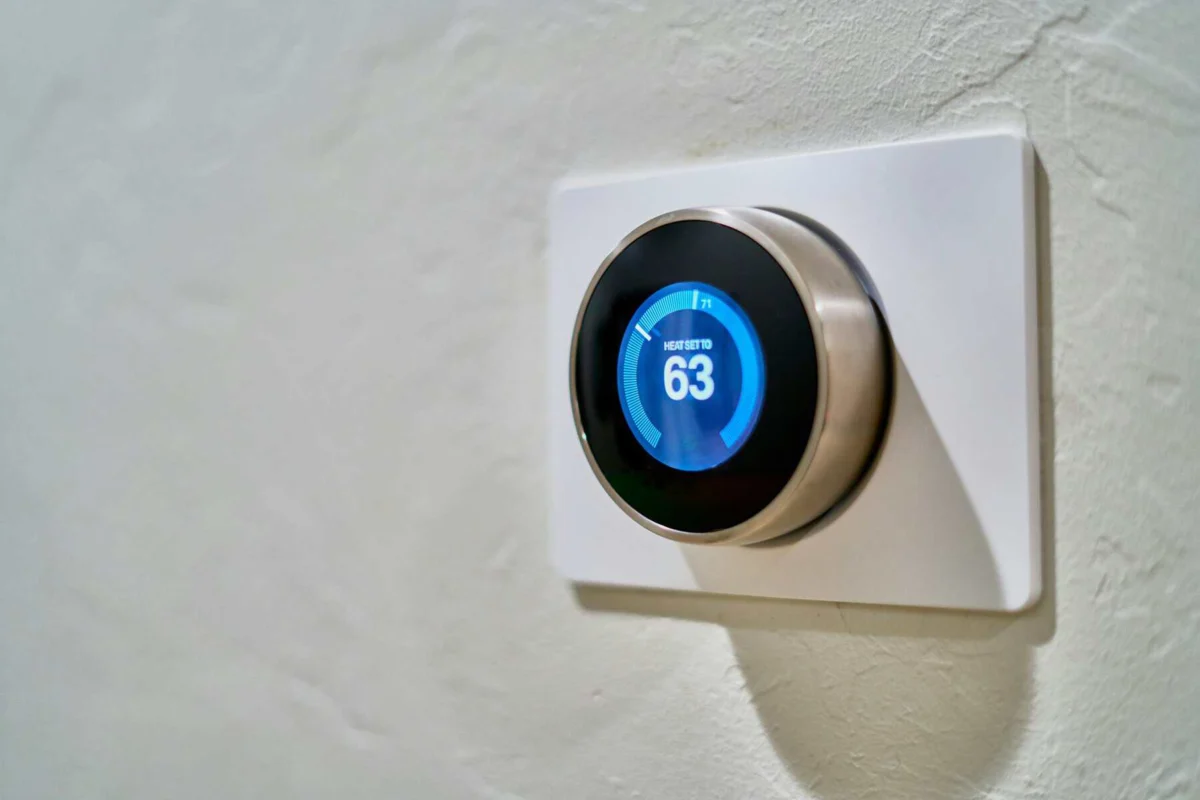
"Keep cool indoors during hot summer days by ensuring the air conditioning system is maintained annually," says Kim Dempsey, designated broker at KD Realty. "There is nothing worse than a service interruption during a heatwave. Furthermore, modern homeowners should lean into smart thermostats. Setting a comfortable interior temperature that self-adjusts based on occupancy patterns is not just a luxury; it’s an essential tool for system longevity and energy conservation."
Strategies for HVAC Optimization:
- Annual Professional Tune-ups: Clean coils and check refrigerant levels before the peak season begins.
- Smart Thermostat Programming: Implement "setback" temperatures when the house is empty.
- Ductwork Integrity: Ensure seals are airtight to prevent cooled air from leaking into attics or wall cavities.
- Air Filtration: Replace filters regularly to prevent debris from straining the blower motor.
The Irreversible Upgrades: Why Structural Choices Matter
When shopping for a home in a hot climate, savvy buyers look past cosmetic upgrades like quartz countertops or designer paint. They look at the "bones" of the house—the features that are prohibitively expensive to retrofit later.
Anthony Guerriero, managing partner at Manhattan Miami Real Estate, notes that in high-heat, high-humidity markets like South Florida, structural integrity is the primary value driver. "Buyers care most about the things they cannot easily change after closing: floor-to-ceiling hurricane-impact glass, central HVAC systems with dedicated dehumidification, and the building’s structural thermal ratings," says Guerriero. "At the ultra-luxury level, this extends to architectural shading like deep, covered loggias and pool decks with private cabanas. You aren’t just buying square footage; you are buying the ability to actually enjoy your outdoor space during the month of August."
High-Impact Structural Features:
- Low-E Glass Windows: These reflect infrared light while allowing visible light, preventing the "greenhouse effect" inside the home.
- Enhanced Attic Insulation: Blown-in cellulose or spray foam insulation creates a tighter thermal seal.
- Cool Roof Technology: High-reflectivity roofing materials can reduce roof temperatures by up to 50 degrees Fahrenheit.
- Dehumidification Systems: In humid climates, moisture removal is just as vital as temperature reduction for occupant comfort.
The Role of Architectural Design in Thermal Regulation
Architecture is the first line of defense against the sun. Even the most powerful air conditioner will struggle in a home designed with excessive west-facing windows and no shading. Architects today are reviving ancient principles of ventilation to create modern, high-efficiency living spaces.
"I often point out the less obvious design features that have a massive impact on sustainability," says Ines Hegedus-Garcia, co-founder of Miamism. "Deep roof overhangs, covered outdoor rooms, and proper window orientation are non-negotiable. The best homes aren’t just equipped for the climate—they are designed for it."
Passive Architectural Techniques:
- Cross-Ventilation: Positioning windows to catch prevailing breezes can naturally flush out hot air in the evenings.
- Strategic Orientation: Limiting window placement on the western side of the house significantly reduces afternoon heat gain.
- Vegetative Buffers: Strategic landscaping, such as deciduous trees, provides shade in the summer while allowing sun exposure in the winter.
- Thermal Mass: Using materials like concrete or stone inside the home can help regulate temperature by absorbing excess heat during the day and releasing it slowly at night.
Smart Shading: Stopping Heat at the Threshold
The most effective way to keep a house cool is to prevent the solar radiation from hitting the building envelope in the first place. Once the heat enters the home, it must be pumped back out via electricity. Shading strategies represent the most cost-effective method of heat reduction.
"Pulling shades or closing window coverings is the simplest, most effective habit a homeowner can adopt," notes Dempsey. "Adding exterior shade—such as a pergola, a retractable awning, or even motorized exterior screens—can block direct sunlight from ever touching the glass. This is the difference between a house that is easy to cool and one that is constantly struggling."
Everyday Habits for a Cooler Home
Beyond hardware and architecture, human behavior plays a significant role in thermal management. Small, daily habits can cumulatively reduce the energy load of a household by 10% to 15%.
- Appliance Management: Run heat-generating appliances like ovens, dryers, and dishwashers during the early morning or late evening.
- Light Control: Use LED bulbs, which emit significantly less heat than traditional incandescent or halogen lighting.
- The "Evening Flush": Once the outside temperature drops below the inside temperature, open windows on opposite sides of the house to create a cross-breeze.
- Ceiling Fan Direction: Ensure fans rotate counter-clockwise in the summer to push air downward, creating a wind-chill effect.
The Convergence of Design and Energy Efficiency
The dialogue surrounding hot-weather home design is evolving. It is no longer just about comfort; it is about the long-term viability of our residential infrastructure. As utility costs rise and energy grids face unprecedented strain during heatwaves, the homes that perform the best are those that minimize demand through intelligent design.
Hot-weather home design and energy efficiency are now inextricably linked. When a home is sealed, shaded, and ventilated correctly, the mechanical cooling system does not need to run as often or as hard. This results in lower utility bills, reduced wear and tear on expensive equipment, and a smaller carbon footprint.
For homeowners, this means that every dollar spent on high-performance windows, better insulation, or architectural shading is an investment in the home’s future marketability and resilience. Whether you are building a new custom estate or renovating an existing property, the focus must remain on the climate-responsive principles that keep a house livable.
In an era of rising temperatures, the most luxurious home is not the one with the biggest air conditioner—it is the one that stays cool, quiet, and comfortable, regardless of what the thermometer says outside. By blending the precision of modern engineering with the wisdom of passive design, homeowners can ensure that their sanctuary remains a refuge, even in the heart of the hottest summers.