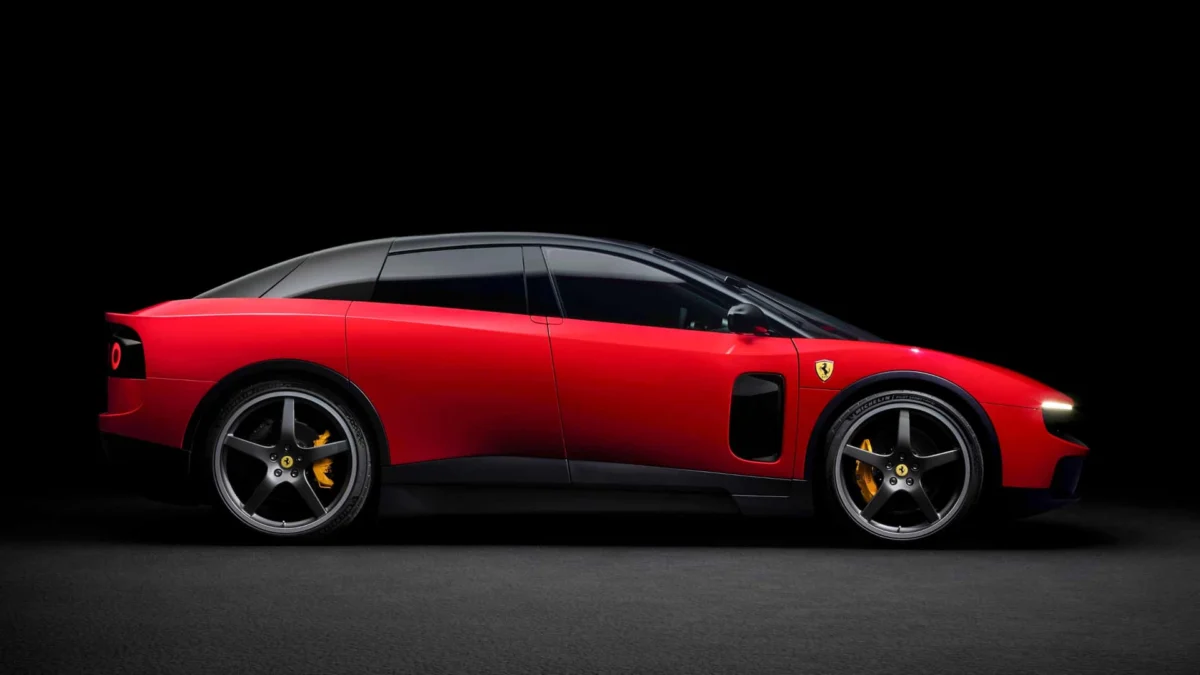
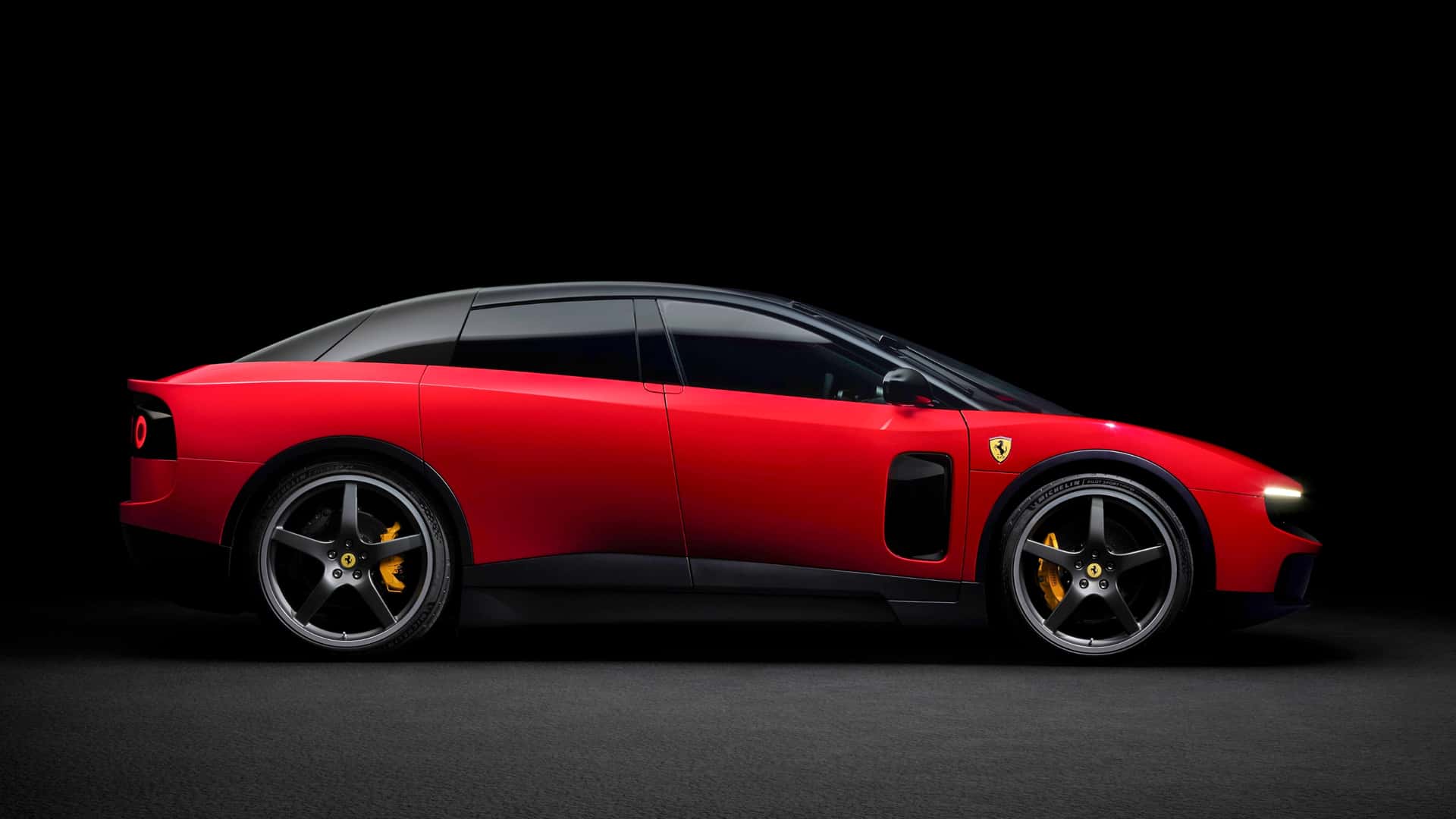
One month after the global unveiling of the Ferrari Luce—the Maranello manufacturer’s historic first foray into the world of fully electric performance vehicles—the automotive world remains caught in a whirlwind of speculation. While the car itself represents a tectonic shift for a brand built on the soul of the internal combustion engine, the surrounding narrative has been dominated by allegations of coercive sales tactics.
Reports surfacing in mid-June suggested that Ferrari was leveraging its status as the pinnacle of automotive desire to force the adoption of its electric future. According to industry murmurs, some dealers were allegedly pressuring high-net-worth clients to place orders for the Luce, suggesting that failure to do so could result in the loss of their "top-client" status or, more pivotally, jeopardize their access to future limited-run, V12-powered collector vehicles.
However, in an industry where reputation is the primary currency, Ferrari has moved quickly to extinguish these flames. In a candid interview with Automoto.it, Enrico Galliera, Ferrari’s Chief Marketing Officer, provided a categorical denial of these claims, setting the record straight on how the Italian icon is managing its transition to electrification.
The Genesis of the Allegations: A Market in Flux
To understand why such rumors gained traction, one must understand the unique ecosystem of Ferrari ownership. The brand operates on a "pyramid of exclusivity." At the base are the standard production models, and at the peak are the one-off, "Icona" series, and ultra-limited track-only hypercars. Access to the peak is almost exclusively reserved for loyalists who have maintained a consistent, long-term relationship with the brand.
According to a report published by Bloomberg, several investors and long-time Ferrari enthusiasts—speaking on the condition of anonymity—suggested that the Luce was being positioned as a "gatekeeper" model. The implication was that purchasing the electric vehicle (EV) had become an informal prerequisite for maintaining standing within the inner circle.
For the average consumer, this sounds like a standard dealership upselling tactic. But in the world of Ferrari, where waitlists for special editions can last for years, the ability to bypass the queue or secure an allocation is priceless. The claim that the Luce was being used as a mandatory "stepping stone" to access future gasoline-powered treasures struck a nerve with collectors who fear that electrification might be forced upon them against their preferences.
Official Response: Enrico Galliera Sets the Record Straight
The gravity of these rumors necessitated an immediate response from the top echelons of Maranello. Enrico Galliera, serving as the voice of the brand’s strategic direction, was blunt in his rejection of the "coerced sales" narrative.
"Many rumors circulate about the Ferrari market, but this one is false," Galliera stated. He emphasized that the brand’s commercial strategy remains rooted in organic demand rather than artificial pressure. "Our position has been clear from the beginning: the Luce was designed for a different type of customer, not necessarily for long-time Ferrari owners—although they are, of course, welcome to buy one."
Galliera’s rebuttal is built on a fundamental truth of luxury branding: the customer must want the product, not feel compelled by a threat. He articulated that forcing a vehicle onto a client base that is historically skeptical of electrification would be a strategic blunder.
"If we force a client to buy a car they don’t want, we aren’t just making a sale; we are creating a bad ambassador," he explained. In the high-end automotive sector, word-of-mouth is the ultimate arbiter of value. A disaffected client who resents their purchase is likely to speak negatively about the brand, potentially poisoning the well for future prospective buyers.
Furthermore, Galliera noted the risk to residual values. If a significant number of Luce owners feel forced into the purchase, they are more likely to dump the cars on the secondary market as soon as possible. This influx of "forced" inventory would destabilize the price floor of the model, damaging the brand’s carefully curated image of long-term value retention.
Data and Market Dynamics: Who is Actually Buying the Luce?
While Ferrari has refrained from releasing granular order books, Galliera offered a glimpse into the demographics of the current waiting list. According to the CMO, the demand for the Luce is "meeting expectations," suggesting that the brand’s transition plan is on track.
Crucially, the order pool is split roughly 50/50 between existing Ferrari owners and "conquest" customers—those new to the brand. This statistic is perhaps the most vital piece of evidence in debunking the rumors. If the sales were being driven by existing clients trying to "buy their way into" limited-run allocations, one would expect the percentage of returning customers to be significantly higher. The high volume of new customers suggests that the Luce is successfully appealing to a different, perhaps younger or more tech-focused demographic, rather than acting as a mandatory tax on the traditional V12 client.
The Strategic Implications of the Electric Transition
The transition to electric power is arguably the most dangerous period in a legacy automaker’s history. For a brand like Ferrari, which derives its identity from the mechanical symphony of combustion engines, the Luce is a high-stakes experiment.
1. Brand Dilution vs. Brand Evolution
The central fear among the Tifosi (the ardent fans of the brand) is that electrification will dilute the "Ferrari DNA." By ensuring that the Luce is sold to customers who genuinely desire an electric performance vehicle, rather than those coerced into it, Ferrari is attempting to protect the "soul" of the brand. If the Luce is driven by people who love it for its performance and technology, it becomes a success story. If it is driven by people who resent it, it becomes a burden.
2. The Power of the "Waitlist"
The rumors highlighted how potent the Ferrari waitlist system is in the public imagination. The very fact that people believed Ferrari could force sales of a new technology is a testament to the brand’s immense power. In most industries, companies struggle to convince people to buy their products; at Ferrari, the perception is that the company has so much leverage it can dictate the terms of even the most controversial launches.
3. Managing the Secondary Market
Ferrari is famously protective of its image, going as far as to monitor the resale behavior of its clients. By discouraging the "flip"—the act of buying a car simply to sell it for a profit—the company maintains a level of market control that few other manufacturers possess. If, as Galliera claims, they are not forcing sales, they are effectively preventing a future glut of the Luce on the used market, ensuring that only those who actually want the car are behind the wheel.
The Road Ahead: What This Means for the Future
As Ferrari navigates the next decade, the Luce will serve as the benchmark for their EV strategy. The company has invested heavily in a new "e-building" facility in Maranello, which will handle the assembly of electric motors, battery packs, and inverters. This signals that they are committed to vertical integration, keeping the "made in Italy" seal of quality even in the age of electrons.
The takeaway from the current controversy is twofold. First, the automotive press and the investor class are watching every move Ferrari makes with an intensity reserved for few other companies. The level of scrutiny applied to the Luce is a direct reflection of the brand’s importance.
Second, the leadership at Ferrari remains acutely aware that their most valuable asset is their reputation. By taking a stand against rumors of coercion, they are reinforcing the idea that a Ferrari—electric or otherwise—must be a reward, not a requirement.
In the final analysis, the Luce represents a bridge between the heritage of Enzo Ferrari and the requirements of the 21st-century automotive landscape. Whether the market fully embraces this electric transition will depend on the driving experience and the continued commitment of the brand to its core values. But if the official response from Maranello is any indication, the path forward will be paved with genuine interest, not manufactured demand.
For the prospective Ferrari buyer, the message is clear: if you want a Luce, the door is open. If you don’t, your seat in the V12 line remains yours—so long as you stay true to the brand’s culture. The rumors of a forced electric future have been firmly put to rest, leaving the focus back where it belongs: on the driving experience.