For many, the deli sandwich is more than just a meal—it is a cultural institution. Whether you call it a sub, a hero, a hoagie, or a grinder, the anatomy of a perfect sandwich serves as a cornerstone of the American lunch hour. While the Italian cold cut or the classic turkey club often steal the spotlight, the tuna salad sub remains a steadfast, polarizing favorite. It is a dish that relies entirely on execution; without the crutch of high-quality cured meats or aged cheeses, the humble tuna sub stands or falls on the quality of its fish, the balance of its binder, and the structural integrity of its bread.
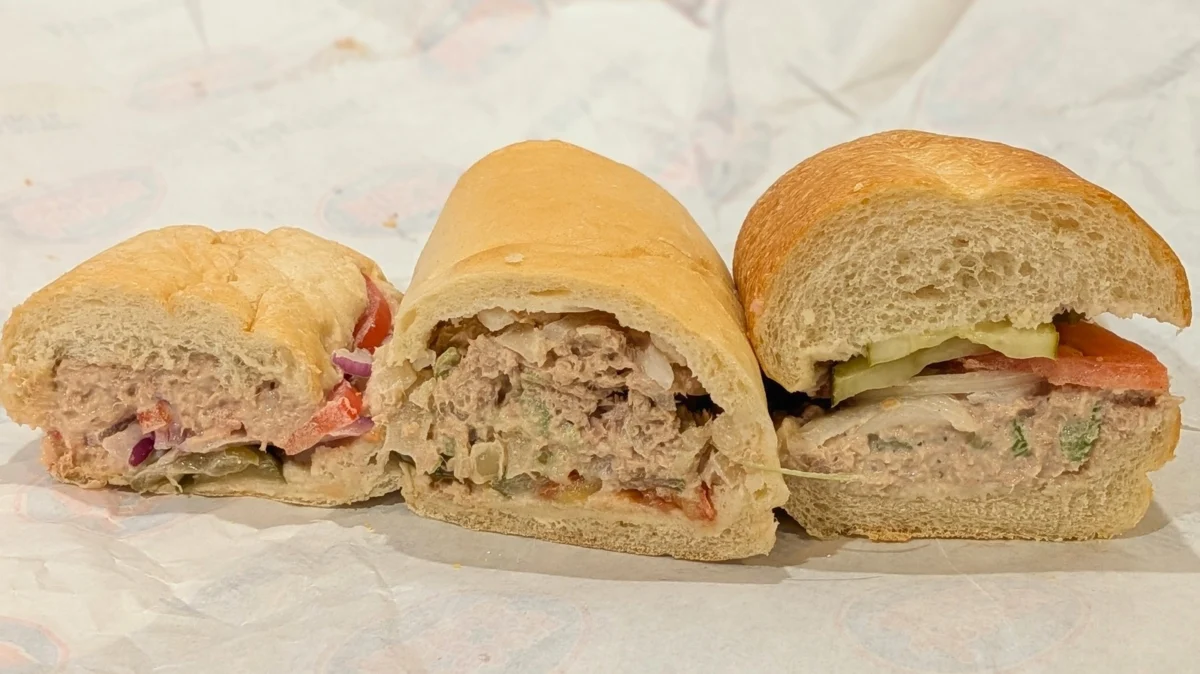
In an effort to determine which of the nation’s most prominent quick-service restaurant (QSR) chains delivers the superior tuna experience, we conducted a rigorous, side-by-side comparative analysis. We pitted three industry giants—Jimmy John’s, Subway, and Jersey Mike’s—against one another in a blind-adjacent tasting to see which chain best balances nostalgia with culinary craftsmanship.
Methodology: Establishing the Control Group
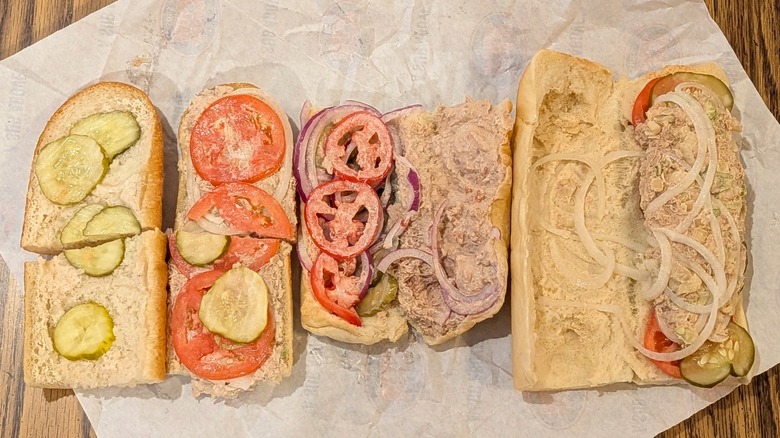
To ensure an equitable assessment, the testing parameters were strictly controlled. Each sandwich was purchased fresh and configured with identical toppings: tuna salad, tomato, onion, and pickles, served on classic white bread. Lettuce was intentionally excluded from the testing profile due to recent public health concerns regarding supply chain safety and regional outbreaks of cyclosporiasis, ensuring the focus remained on the core components of the sandwich.
The evaluation criteria were threefold:
- The Tuna Salad: Assessing texture, seasoning, and the quality of the fish (chunk light vs. albacore).
- The Bread: Evaluating the crumb structure, toastiness, and the "bread-to-filling" ratio.
- Cohesion: How the individual elements interacted to create a satisfying, portable meal.
While price points were noted for transparency, they were not the primary driver of the final ranking. The ultimate goal was to identify the sandwich that provided the most consistent, high-quality eating experience, independent of current market fluctuations.
Chronology of the Tasting
1. The Jimmy John’s Experience: A Lesson in Proportion
Jimmy John’s has long marketed itself on the concept of "freaky fast" delivery, but our assessment focused on the engineering of the product. The most striking feature of the Jimmy John’s sub is the "scoop-out" method—the practice of removing the inner soft crumb of the baguette to make room for the fillings.
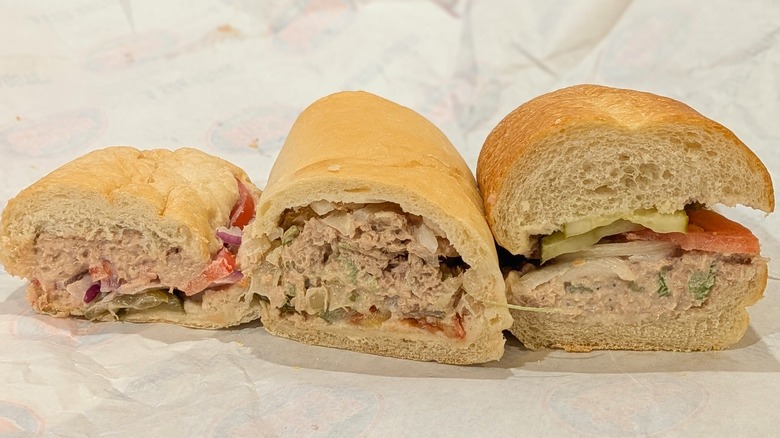
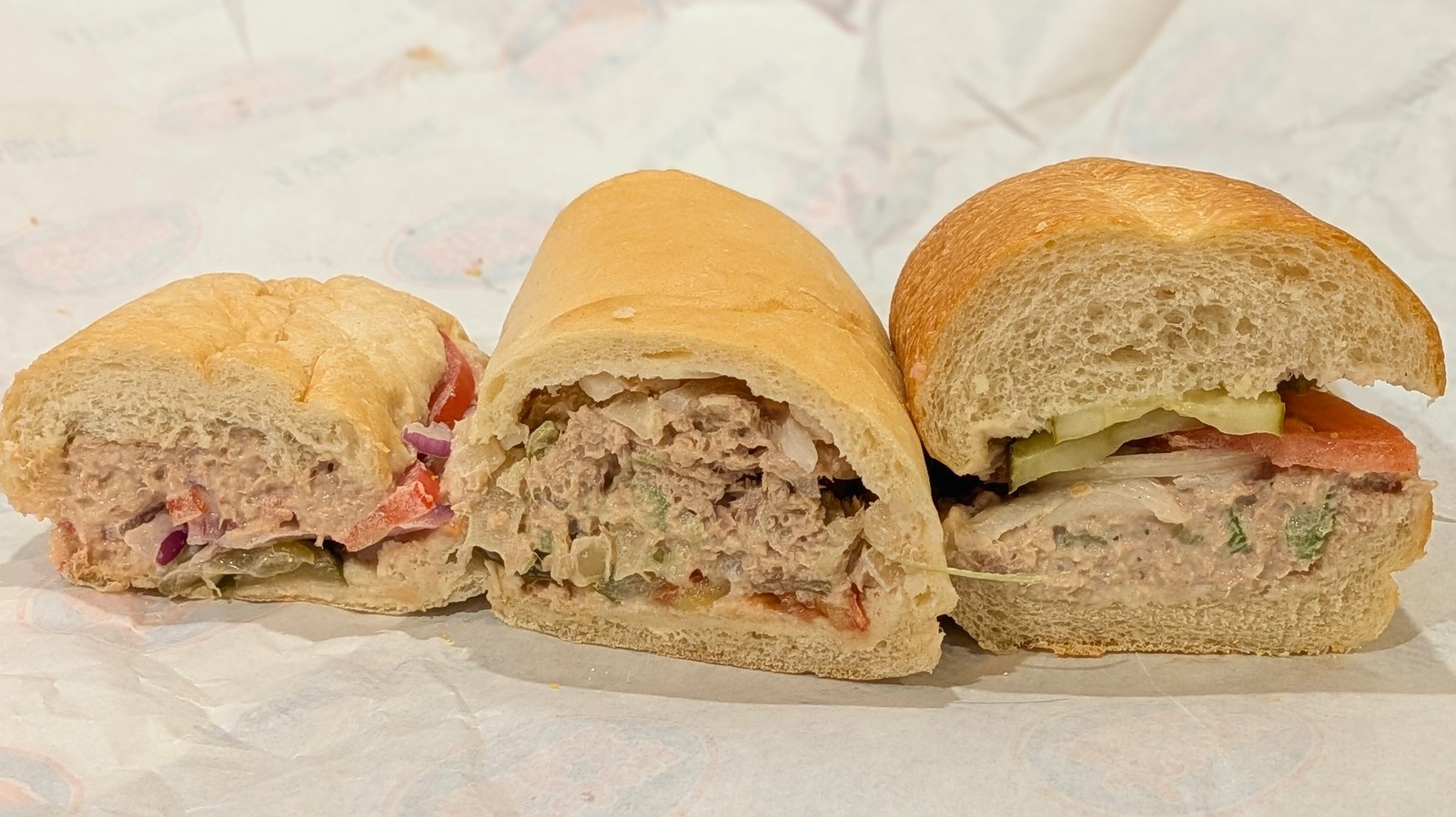
While this technique might initially appear to be a cost-saving measure, it proved to be a masterful solution to a common sandwich grievance: the "bread-heavy" bite. By removing the excess sponge, the chain ensures that the diner tastes the tuna, the crisp vegetables, and the savory notes of the bread in equal measure. The tuna itself displayed a sophisticated texture—a successful marriage of flaky chunks and creamy binder. The pickles were a standout, possessing a sharp, vinegary snap reminiscent of an authentic New York City deli, while the tomatoes and onions provided the necessary sweetness and umami to round out the flavor profile.
2. The Subway Analysis: Structural and Culinary Decline
Subway, once the undisputed king of the sub-sandwich market, presented the most disappointing entry. Aesthetics, while secondary to flavor, often indicate the care put into assembly; the sandwich provided for this test arrived in a state of disarray, suggesting a lack of structural integrity.
The tuna salad itself was notably monochromatic—a wet, mushy mixture that lacked the textural contrast expected from a high-quality fish salad. It appeared to rely heavily on "chunk light" tuna, resulting in a one-note, excessively fishy flavor profile. Furthermore, the bread—a point of contention for the brand for years—remained a significant drawback. The texture, often criticized in the past for its synthetic mouthfeel, continued to underperform, feeling unpleasantly chewy rather than satisfyingly crusty.
3. The Jersey Mike’s Verdict: A Case of Missed Potential
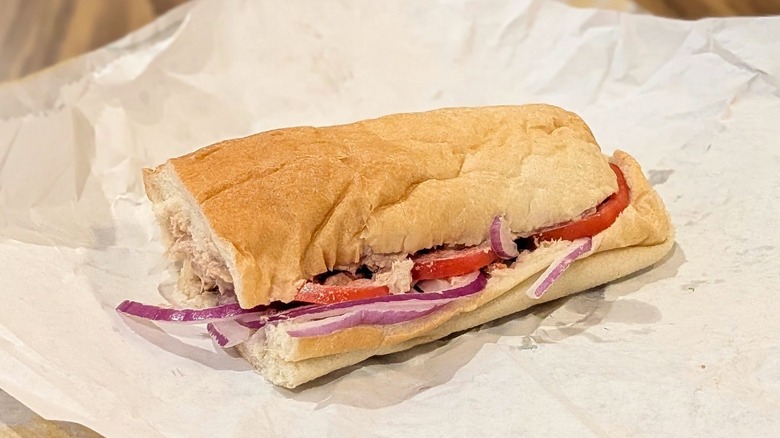
Jersey Mike’s operates on a platform of "a sub above," often emphasizing the freshness of their sliced-to-order meats. However, their tuna sub failed to capture that same level of distinction. The ratio of ingredients was well-distributed, and the tomatoes were notably superior—vibrant, red, and juicy—compared to the pale, watery slices often found at lower-tier chains.
However, the sandwich suffered from a fatal flaw: the bread. It was soft and pillowy to the point of being structurally overwhelmed by the tuna. In a tuna sandwich, the bread must act as a sturdy vessel; here, it functioned more like a damp sponge. The tuna salad also left much to be desired, appearing to favor the cheaper, mushier grades of fish over a more premium albacore, which would have provided a much-needed firm texture.
Supporting Data and Ingredient Quality
The variance in quality across these three chains highlights the divergence in their sourcing strategies.
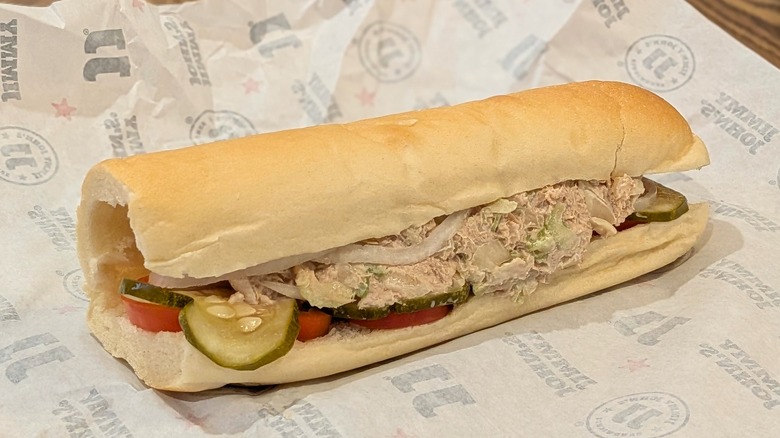
- Tuna Sourcing: Jersey Mike’s publicly confirms the use of a blend between chunk light and albacore. However, in our taste test, the presence of the chunk light was overwhelming, masking the more delicate flavors of the albacore. Jimmy John’s, while not providing a premium sashimi-grade product, utilizes a preparation that emphasizes the texture of the fish rather than masking it in an excess of mayonnaise.
- The "Bread Factor": Bread is the foundation of any sandwich. The contrast between Jimmy John’s "scooped" bread and the spongy rolls at Jersey Mike’s and Subway demonstrates that the volume of bread is less important than the texture of the bread. A well-baked baguette, even when partially hollowed, provides a superior "crunch-to-creamy" ratio.
Official Responses and Market Context
While none of the chains provided a direct comment on their specific tuna salad recipes for this article, industry analysts note that QSR chains are currently facing a "quality-to-cost" crisis. As inflation drives up the price of high-grade proteins, chains are forced to choose between raising prices or utilizing lower-grade tuna.
Subway has been at the center of this dialogue for years, particularly following the 2021 controversy regarding the authenticity of their tuna—a case that was eventually dismissed but left a lasting mark on public perception. Jersey Mike’s, conversely, continues to lean into its identity as a premium option, though our findings suggest that their tuna offering does not currently match the elevated standards set by their cold-cut menu.
Implications: The Future of the "Budget" Lunch
The outcome of this test holds significant implications for the consumer. When a $6–$11 sandwich is purchased, the diner is paying for convenience, but they are also expecting a product that is superior to what they could prepare at home for a fraction of the cost.
- Value Proposition: Jimmy John’s, at approximately $8.50, offered the highest value. By providing a structurally sound, well-balanced, and flavor-forward product, they justified the price point.
- The "Tuna Tax": The data suggests that for consumers who prioritize tuna, a "tuna tax" is currently being paid at chains like Subway and Jersey Mike’s, where the quality of the protein does not appear to justify the rising costs of the sandwiches.
- The Nostalgia Trap: The test confirms that tuna salad is a "comfort food" category. Consumers are not necessarily looking for gourmet ingredients, but they are looking for "mouthfeel"—the specific crunch of celery, the zing of a pickle, and the density of the bread.
Final Verdict: The Winner
Jimmy John’s emerged as the clear winner. By treating the tuna sub as a crafted experience rather than a commodity, they achieved the best balance of texture and flavor. The use of the "scoop-out" technique creates a unique, balanced bite that the other chains failed to replicate. For the discerning tuna enthusiast looking for a reliable, nostalgic, and well-executed lunch, Jimmy John’s provides the most consistent product in a crowded and often underwhelming market.
As the QSR landscape continues to evolve, it is clear that the chains that survive will be those that do not cut corners on the basics—even when those basics are as humble as a scoop of tuna and a slice of bread.