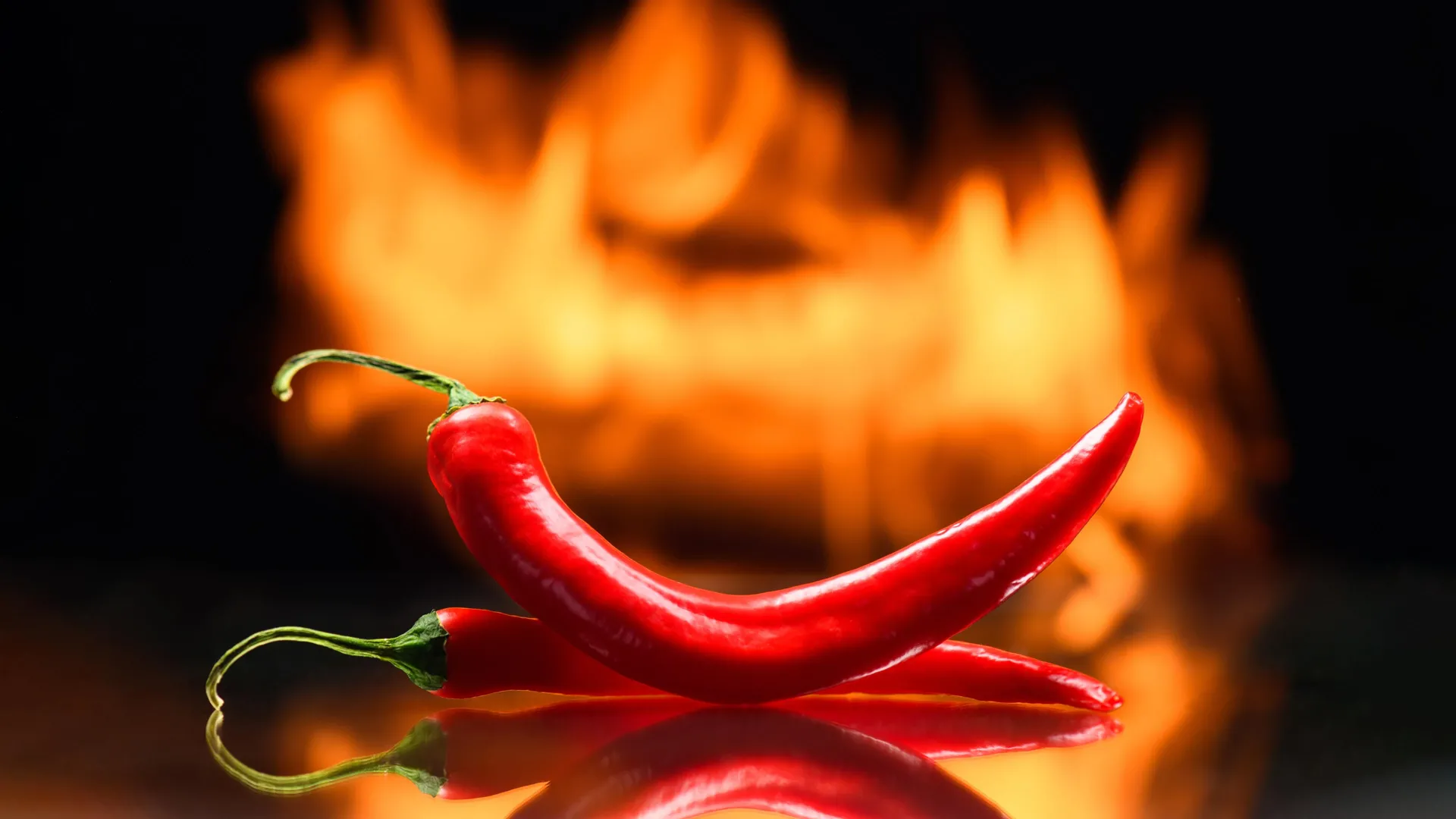
For billions of people across the globe, the sharp, exhilarating heat of a chili pepper is not merely a preference—it is a cornerstone of culinary identity. From the fiery curries of South Asia to the piquant salsas of Latin America and the bold spice profiles of African cuisine, the chili pepper is an essential ingredient. However, a persistent, lingering question has haunted both nutritionists and chili enthusiasts for years: Could this beloved heat be a double-edged sword? Does the consumption of chili peppers influence the risk of developing cancer, particularly within the gastrointestinal tract?
Recent scientific inquiry, including a comprehensive review published in Frontiers in Nutrition, has brought this debate to the forefront once again. While the findings are significant, they are far from conclusive, highlighting a complex intersection of biology, geography, and lifestyle that continues to challenge researchers.
Main Facts: The Correlation vs. Causation Dilemma
The primary concern stems from the chemical compound capsaicin, which gives chili peppers their characteristic heat. In laboratory settings, capsaicin has displayed a paradoxical nature: it has been shown to exhibit anti-inflammatory and even potential anticancer properties, such as inducing apoptosis (programmed cell death) in cancer cells. Yet, in other experiments, it has been observed to cause tissue irritation and potentially promote tumor growth under specific conditions.
The recent review sought to cut through this noise by analyzing data from 14 observational studies involving over 11,000 participants. The findings revealed that individuals with the highest intake of chili peppers were approximately 64% more likely to develop gastrointestinal cancers compared to those with the lowest intake. Most notably, the data pointed toward a nearly three-fold increase in the risk of esophageal cancer among heavy consumers.
However, it is vital to distinguish between a statistical association and a causal link. Observational studies are limited by their nature; they can identify trends within populations, but they cannot definitively prove that the chili pepper itself is the culprit. Factors such as smoking, alcohol consumption, socioeconomic status, and overall dietary patterns often overlap with high-spice consumption, creating a "confounding" effect that makes it nearly impossible to isolate the chili pepper as the singular variable.
Chronology of the Debate
The scientific community’s interest in the health effects of capsaicin dates back several decades.
- Early 1990s: Initial studies began to emerge questioning whether the chronic irritation caused by high-dose spicy foods could damage the mucosal lining of the stomach and esophagus, potentially creating an environment conducive to carcinogenesis.
- Early 2000s: The "Anti-Cancer" narrative gained momentum. Researchers focused on the antioxidant and anti-inflammatory properties of capsaicin, suggesting that regular consumption might actually protect against cell damage and improve metabolic health.
- 2010s to Present: The field moved toward systematic reviews and meta-analyses, attempting to consolidate disparate data. The publication of the Frontiers in Nutrition review represents a maturation of this research, moving away from small, localized studies toward broader, population-level insights.
- Current Standing: The consensus remains elusive. The current body of evidence suggests that while there is a statistically significant correlation in some regions, the risk profile is not universal, and the scientific community remains divided on whether to classify spicy food as a genuine carcinogen or a lifestyle factor of secondary importance.
Supporting Data: Regional Variations and the Esophageal Focus
One of the most compelling aspects of the research is the geographical variance in findings. Data from Asia, Africa, and North America have consistently suggested a higher cancer risk linked to heavy chili consumption. Conversely, studies originating from Europe and South America have often found either no association or, in some cases, a protective effect against certain diseases.
Why the Regional Disparity?
Researchers suggest that "geographical regions influence the risk of GI cancers" due to several variables:
- Variety and Potency: The specific cultivar of chili consumed varies significantly by region, as does the baseline intensity of the heat.
- Cooking Methods: High-heat frying or the consumption of peppers in conjunction with extremely hot liquids (common in some cultures) may cause physical thermal injury to the esophagus, which is a known risk factor for cancer.
- Genetics and Microbiome: Differences in the digestive gut microbiome and genetic predispositions may dictate how individuals metabolize capsaicin and how their tissues respond to chronic irritation.
- Confounding Lifestyle Factors: In many studies, high chili consumption is bundled with habits like tobacco use or the consumption of traditional spirits, both of which are independent, well-established drivers of esophageal and stomach cancer.
The Vulnerability of the Esophagus
Why is the esophagus specifically targeted in these findings? The answer may lie in the TRPV1 receptor. Capsaicin activates these heat- and pain-sensing receptors throughout the digestive tract. Some scientists hypothesize that in the esophagus, which is a tube designed for transit rather than chemical processing, the repeated, intense stimulation of these receptors—and the resulting chronic inflammation—could lead to cellular mutations over time.
Official Responses and Scientific Nuance
The scientific community has responded to these findings with a call for tempered interpretation. Leading nutritionists emphasize that "dose makes the poison." It is currently unknown if moderate, culinary-level consumption of chili peppers carries the same risks as the extreme, high-frequency intake observed in some of the study participants.
"The evidence suggests that chili pepper is a risk factor for certain GI cancers, but we are nowhere near suggesting that people remove these ingredients from their diets," noted one lead researcher.
Furthermore, an umbrella review of multiple studies has provided a more balanced view. When zooming out to look at mortality and morbidity as a whole, some evidence links the regular consumption of spicy foods to a lower risk of cardiovascular disease and premature death. This suggests that the potential digestive risks must be weighed against the broader systemic benefits that capsaicin may offer for heart and metabolic health.
Implications: What Does This Mean for the Average Consumer?
For the average person who enjoys a spicy meal a few times a week, the implications are likely minimal. The studies highlighting increased risk generally focus on populations that consume high quantities of chili peppers daily, often in the context of other environmental risks.
Practical Takeaways:
- Moderation is Key: As with most dietary components, extreme intake is rarely the healthiest path. Enjoying spicy foods as part of a varied diet is likely safer than consuming them in large, concentrated amounts daily.
- Context Matters: The risk appears to be highest in populations where other factors—such as poor nutrition, smoking, or excessive alcohol intake—are already present. Addressing these primary lifestyle factors remains far more critical for cancer prevention than eliminating chili peppers.
- Listen to Your Body: If a specific type of spice or a specific level of heat causes chronic discomfort, heartburn, or persistent irritation, it is a sign that the body is struggling with that particular stimulus. Chronic irritation is a biological red flag that should not be ignored.
Future Directions: The Need for Rigor
The next generation of research must move beyond simple observational surveys. To truly understand the relationship between chili peppers and cancer, scientists need to conduct long-term longitudinal studies that track specific intake levels, pepper varieties, and cooking methods, while rigorously controlling for the myriad of confounding factors that have plagued previous research.
We are entering an era of "precision nutrition," where we are beginning to understand that food is not just energy—it is a complex collection of bioactive compounds that interact with our unique genetic and environmental landscape. Until more definitive data is available, chili peppers remain a testament to the complexity of nutrition science: a source of both immense culinary pleasure and lingering scientific mystery.
While the headline—that chili peppers might be linked to cancer—is certainly alarming, the reality is a nuanced tale of regional differences, biological thresholds, and the necessity of looking at the diet as a whole. For now, the spice remains on the table, but perhaps with a side of mindful awareness.