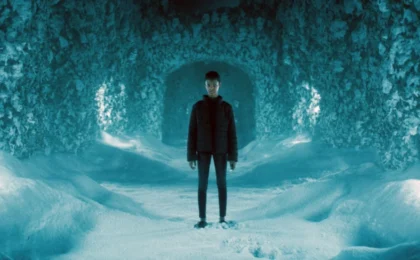
The landscape of modern horror cinema is undergoing a seismic shift, and at the epicenter of this tectonic movement is Zach Cregger. Following the stratospheric success of his 2022 breakout hit Barbarian and the atmospheric, narrative-dense intensity of 2025’s Weapons, Cregger has established himself as the preeminent architect of "elevated anxiety" in Hollywood. Now, he faces his most daunting challenge yet: resurrecting the Resident Evil film franchise. With his new adaptation hitting theaters on September 18, 2026, Cregger is betting that the key to unlocking the series’ cinematic potential lies not in the lore of its legendary protagonists, but in the visceral, claustrophobic terror of the unknown.
The Architect of Unease: A New Vision for Capcom’s Icon
Zach Cregger’s rise to prominence is as unconventional as his storytelling. A founding member of the influential comedy troupe The Whitest Kids U’ Know, Cregger mastered the art of the sudden tonal pivot—the ability to keep an audience laughing right up until the moment they are horrified. This signature style defined Barbarian, which famously subverted a mundane rental-home premise into a grotesque monster movie, and Weapons, which earned critical acclaim for its layered, non-linear examination of a community unraveling after a tragedy involving a missing class of third-graders.
The latter film’s success, bolstered by a powerhouse, Oscar-winning performance by Amy Madigan as the enigmatic Aunt Gladys, solidified Cregger’s reputation as a director who treats horror as a psychological puzzle. When it was announced that he would helm the next Resident Evil installment, expectations were high—and, for many longtime fans, deeply divided.
Chronology of a Franchise: From Raccoon City to the Big Screen
The history of Resident Evil on the silver screen is, to put it mildly, a volatile one. Since the Paul W.S. Anderson-led series began in 2002, the franchise has struggled to balance the high-octane action expected of a blockbuster with the slow-burn, survival-horror DNA that made Capcom’s games a cultural phenomenon.
- 2002–2016: The Milla Jovovich era focused on spectacle, loose adaptation, and expansive sci-fi lore, straying far from the source material’s roots.
- 2021: Resident Evil: Welcome to Raccoon City attempted a more faithful, grounded adaptation of the first two games. However, it suffered from a compressed narrative and uneven visual execution, ultimately landing as a commercial and critical disappointment.
- 2026: Zach Cregger’s Resident Evil marks a total reboot. Unlike previous iterations, this film is designed to stand entirely on its own, untethered from the baggage of its predecessors.
The 2026 film is strategically set in the modern day. By abandoning the 1998 period setting of the original Resident Evil 2, Cregger is allowed to explore how the T-virus might manifest in a contemporary, hyper-connected world, emphasizing isolation and vulnerability over tactical military combat.
Supporting Data: The "Everyman" Horror Approach
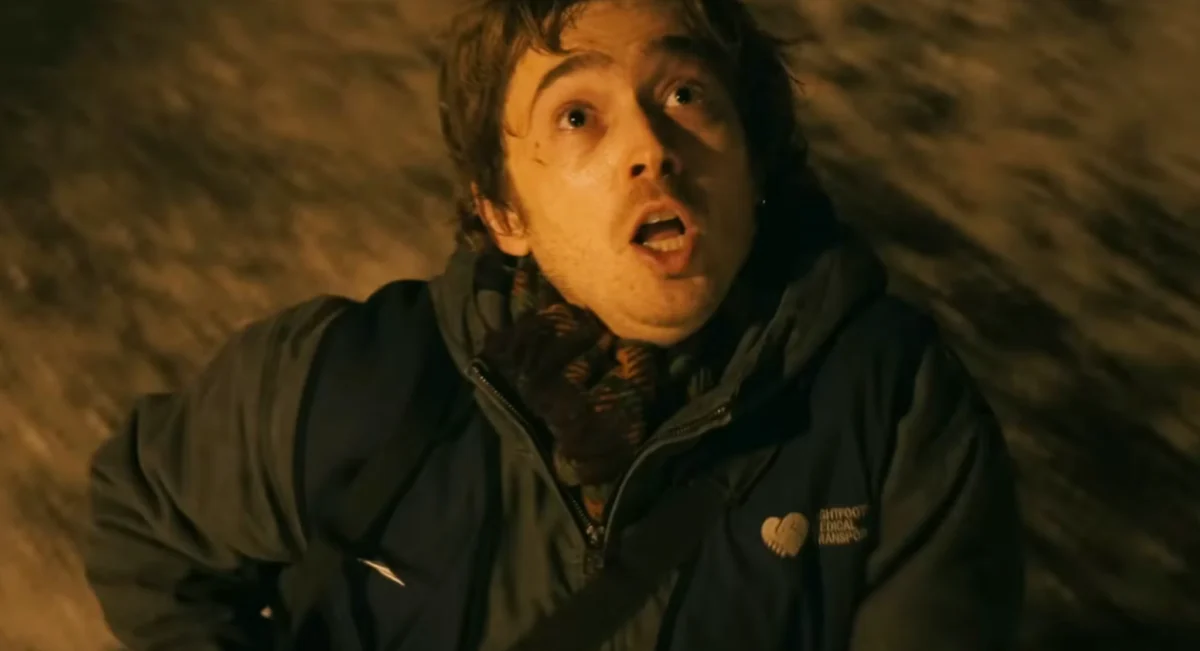
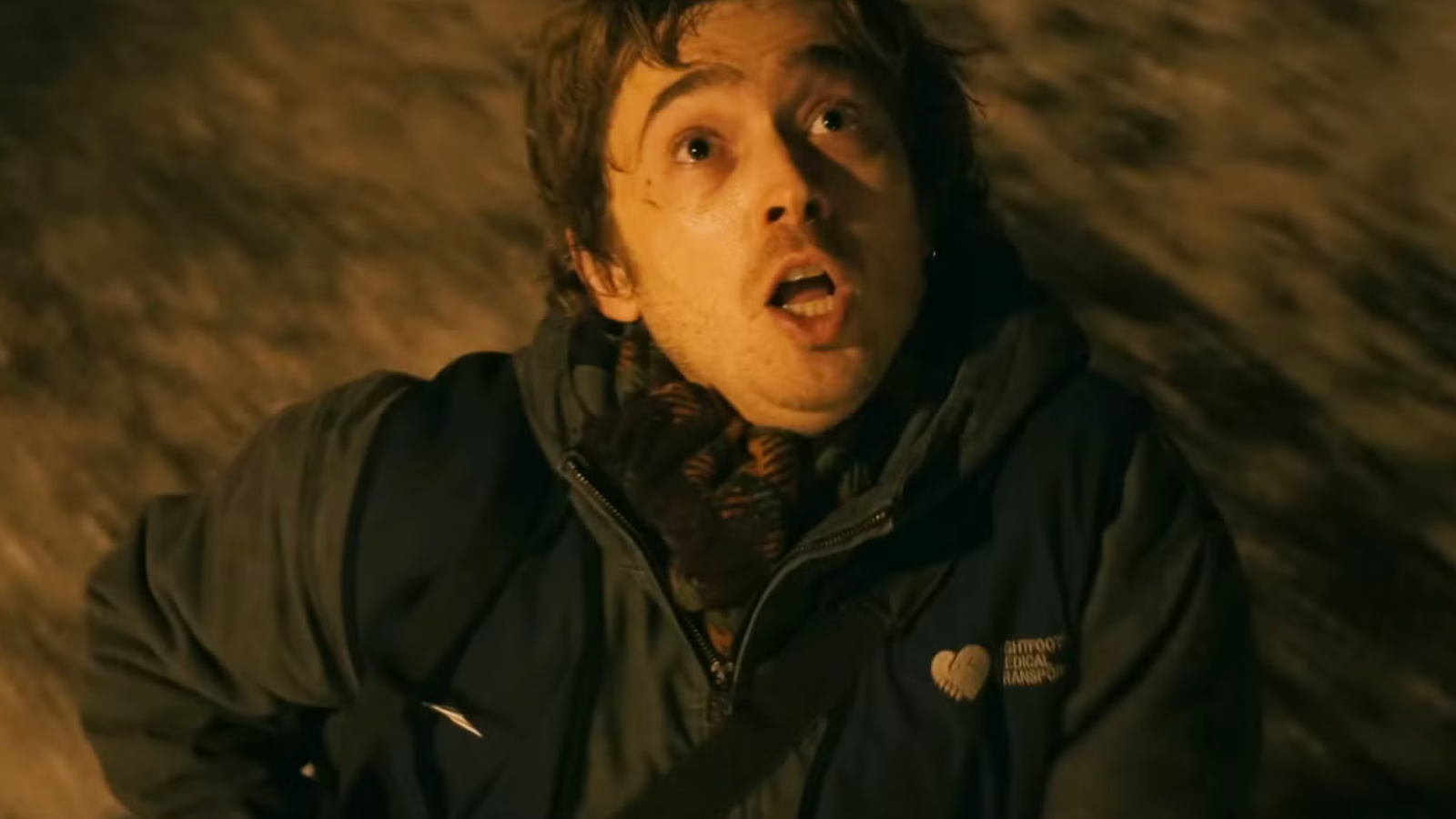
The most significant departure from the established formula is the complete absence of series staples like Leon S. Kennedy, Jill Valentine, or Chris Redfield. Instead, the film introduces Bryan, played by Austin Abrams (fresh off his performance in Weapons).
The Protagonist’s Dilemma
Bryan is not a special forces operative or a battle-hardened police officer. He is a medical courier—an "everyman" archetype who finds himself in the wrong place at the wrong time. This shift in perspective is the film’s core mechanical hook. Without the weapons training and tactical gear of a traditional hero, Bryan’s survival is dictated by resourcefulness and pure, primal fear.
Cinematic Techniques
Cregger has confirmed that he leaned heavily into the visual language of the games. He has utilized specific camera movements—shifting perspectives that mimic the fixed-camera angles of the early titles—to create a sense of unease. Furthermore, the film emphasizes spatial awareness:

- The "Door" Motif: Much like the games, the film utilizes the tension of opening doors. Cregger focuses on the uncertainty of what lies beyond, forcing the audience to experience the same claustrophobia as the protagonist.
- Environmental Storytelling: Rather than relying on exposition, the film uses the environment—a sprawling, vertical skyscraper hospital—to reveal the horrors of the T-virus.
Official Responses and Creative Intent
In recent press junkets, Cregger has been vocal about his reverence for the source material. "I’m not trying to rewrite the franchise’s history," he stated. "I’m trying to capture the feeling of the first time I held a controller and realized I was out of ammo in a dark hallway."
Sony executives have remained optimistic, noting that Cregger’s ability to create "contained, high-stakes environments" makes him the perfect fit for the Resident Evil IP. The studio has confirmed that the film will receive a premium IMAX release, signaling a high level of confidence in the production’s visual scope and intensity.
However, the "auteur" label remains a point of contention. Purists are concerned that the film may prioritize atmosphere and artistic flair over the "campy" charm that defined the series for decades. Cregger’s response has been to integrate "Easter eggs" that reward the eagle-eyed fan without disrupting the narrative flow for newcomers.
Implications: Can Horror Auteurs Save Blockbuster Gaming Adaptations?
The implications of this film’s success—or failure—are substantial. If Resident Evil succeeds, it will prove that major studio franchises can benefit from the distinct, specific visions of directors known for smaller, character-driven horror projects. It suggests a future where big-budget IPs are treated as sandboxes for creative directors rather than corporate mandates.

The Challenge of Balance
The primary challenge Cregger faces is the "Resident Evil" identity crisis. Fans expect certain staples—the puzzles, the inventory management, the grotesque creature designs—while general audiences expect a high-tension thrill ride. By removing the familiar faces of the franchise, Cregger is betting that the Resident Evil brand is strong enough to survive on its own terms, defined by its atmosphere rather than its cast.
Economic and Cultural Stakes
With a budget significantly higher than his previous outings, Cregger is entering the arena of tentpole filmmaking. If the film performs well, it could kickstart a new, more experimental era for the franchise. If it falters, it may reinforce the industry’s tendency to play it safe with established properties, favoring committee-led writing over singular, artistic direction.
Conclusion: A Date with Destiny
As the September 18 release date approaches, the film world is watching closely. Whether Cregger’s Resident Evil is viewed as a masterclass in tension or a radical departure too far, it is undoubtedly one of the most intriguing experiments in modern horror. By stripping away the action-hero tropes and returning to the roots of survival horror, Cregger isn’t just making another movie; he is attempting to reclaim the soul of a series that has long been lost in the fog of its own excess.
For now, the hallways of Raccoon City are quiet, waiting for the doors to open. When the film arrives, we will finally learn if a medical courier with no combat experience can provide the redemption the Resident Evil franchise so desperately seeks. One thing is certain: in the hands of Zach Cregger, the horrors waiting behind those hospital doors will be anything but predictable.