In a significant move that could reshape the landscape of residential energy consumption, startup Base Power has officially expanded its operations into Illinois. This development marks the company’s first major venture into the territory governed by PJM Interconnection, the largest regional transmission organization in the United States. As the PJM grid faces unprecedented strain from the explosive growth of artificial intelligence and data center infrastructure, Base Power’s arrival offers a glimpse into a decentralized future where residential batteries act as a vital, high-capacity shock absorber for a faltering system.
The Convergence of Crisis and Innovation: The Core Facts
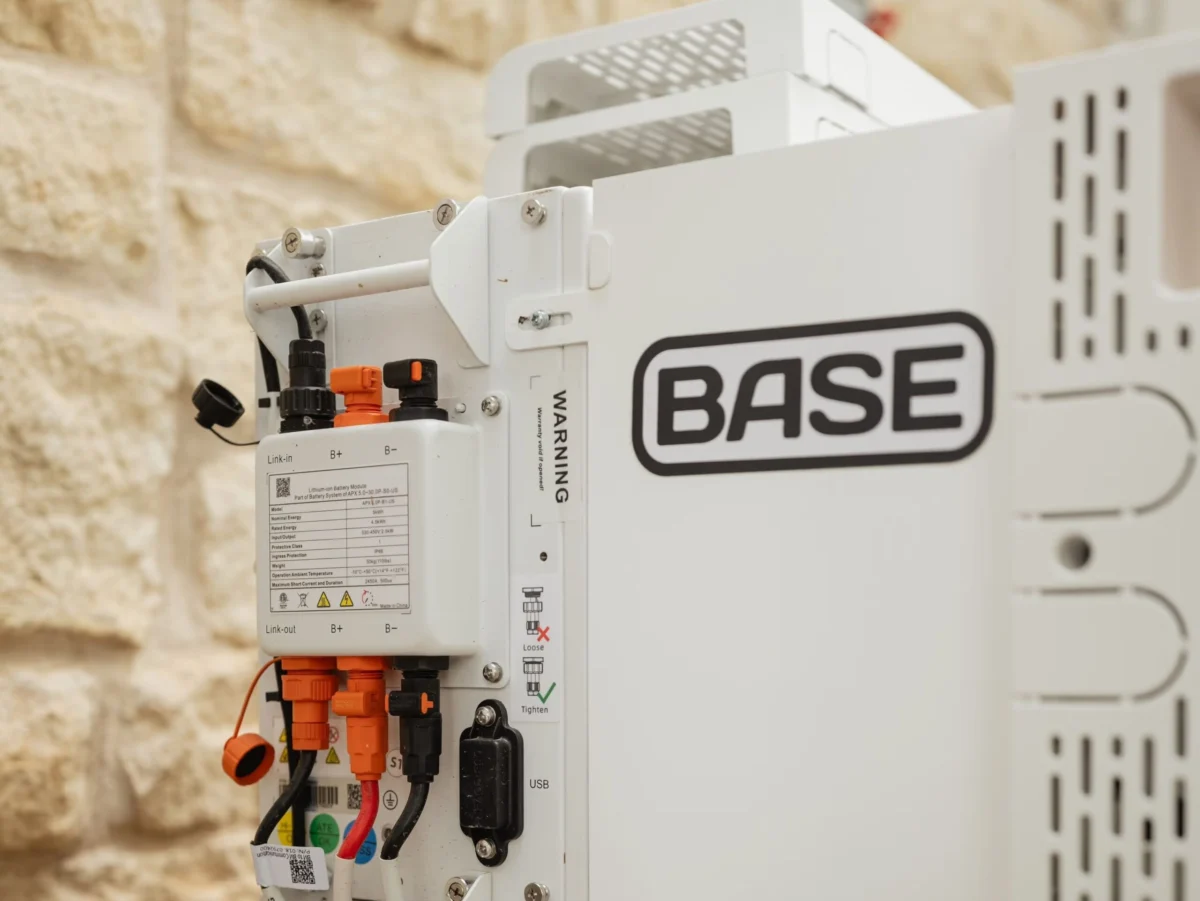
Base Power, which burst onto the scene two years ago with a mission to build a massive "virtual power plant" (VPP) using high-capacity residential batteries, is now bringing its model to the Midwest. Unlike traditional residential solar-plus-storage providers, Base Power does not sell hardware to consumers. Instead, it offers a service model: the company installs substantial home battery systems—starting at 25 kilowatt-hours—and in exchange, customers purchase electricity from the startup at rates approximately 25% lower than those offered by incumbent utilities like ComEd.
The company’s timing is surgical. While the PJM grid has struggled to integrate new energy sources, Base Power is effectively performing an "end-run" around the grid’s bureaucratic bottlenecks. By deploying its capacity "behind the meter" at the residential level, where electrical interconnections already exist, the startup bypasses the notorious and often glacial interconnection queues that have stalled traditional utility-scale projects for years.
Chronology: From Texas Origins to National Ambition
Base Power’s journey began in Texas, a state known for its independent and volatile electricity market. Within 24 months, the company has successfully scaled its operations to manage more than 500 megawatt-hours of battery storage. Its operational strategy is straightforward but powerful: the system charges when electricity prices are low and dispatches that stored energy back into the grid during periods of peak demand.
The company’s rapid growth has been fueled by a series of aggressive funding rounds that underscore investor confidence in the VPP model:
- April 2025: Base Power secured a $200 million funding round led by heavyweight investors Andreessen Horowitz, Lightspeed Venture Partners, and Valor Equity Partners.
- October 2025: The momentum continued with a massive $1 billion financing round led by Addition, signaling that institutional capital is betting heavily on the company’s ability to decentralize power infrastructure.
- May 2026: The official launch in Illinois represents the company’s first expansion outside of Texas, marking its entry into the high-stakes, high-demand environment of the PJM Interconnection.
The PJM Power Crunch: A Grid Under Siege
To understand the significance of Base Power’s entry, one must look at the dire state of the PJM grid. Covering all or parts of 13 states and the District of Columbia, PJM is responsible for the most densely packed data center regions on the planet, particularly in Northern Virginia.
The confluence of surging electricity demand from AI-driven data centers and a historical "paucity of new generating sources" has created a perfect storm. Wholesale electricity prices within the PJM territory have surged by nearly 76% over the past year. The situation has become so precarious that American Electric Power (AEP), one of the region’s largest utilities, has publicly expressed concerns about the market’s stability, even threatening to exit the market entirely if conditions do not improve.
PJM’s management has faced intense scrutiny for its handling of this demand shock. In 2022, the operator effectively paused applications for new generating sources to manage a massive backlog, only reopening the queue in April 2026. Critics argue that this four-year period of stagnation was a catastrophic failure of foresight, as electricity demand in the region has skyrocketed, leaving the grid vulnerable and driving up costs for end-users.
Supporting Data: Why Distributed Storage Matters
The effectiveness of Base Power’s model lies in its scale and speed. By bypassing the traditional utility-scale interconnection process, Base Power is solving the "interconnection queue" problem that has plagued the industry.
- Capacity: Base Power’s 25kWh units are significantly larger than the average residential battery, allowing them to provide meaningful services to the grid during peak load events.
- Economic Advantage: By selling electricity at 25% below incumbent utility rates, the startup is creating an immediate economic incentive for homeowners to participate in the virtual power plant.
- Grid Stability: With over 500 MWh already under management in Texas, the company has proven that it can coordinate thousands of distributed nodes to respond to real-time pricing signals and grid stress.
Zach Dell, founder and CEO of Base Power, has been vocal about the strategic advantage of this distributed approach. "We are deploying capacity behind the meter at the residential home, where an interconnection already exists, so we don’t wait in the interconnection queue," Dell noted in a recent interview. This agility is precisely what the aging, centralized grid currently lacks.
Official Responses and Industry Outlook
The industry response to Base Power’s entry has been a mix of caution and validation. While traditional utilities have historically been resistant to distributed energy resource (DER) providers, the sheer scale of the power crunch in PJM is forcing a re-evaluation.
Regulators are increasingly looking toward VPPs as a potential solution to the "last mile" of the energy transition. If thousands of homes can act as a single, flexible power plant, the need for multi-billion dollar transmission upgrades could be mitigated. However, the path forward is not without challenges. Integrating residential batteries into wholesale markets requires complex software, regulatory approval from state utility commissions, and the maintenance of consumer trust.
Furthermore, the entry of a well-capitalized player like Base Power puts immense pressure on existing utility companies. If consumers can choose a service provider that offers both lower prices and grid resilience, the traditional utility business model—which relies on stable, predictable, and captive customer bases—may face an existential threat.
Implications: The Future of the Grid
The implications of Base Power’s expansion are far-reaching:
- Shift in Power Dynamics: We are witnessing a fundamental shift in the power dynamic between utility providers and consumers. By becoming "prosumers" (both producers and consumers of energy), homeowners are gaining a level of autonomy previously reserved for large industrial entities.
- Infrastructure Efficiency: By deploying storage at the edge of the grid, companies like Base Power reduce the burden on transmission and distribution lines. This "non-wires alternative" approach could be the key to supporting the massive energy requirements of AI and cloud computing without requiring decades of new transmission line construction.
- Market Competition: The success of Base Power could trigger a wave of innovation, forcing traditional utilities to modernize their own offerings. We may see an increase in "utility-as-a-service" models, where incumbents attempt to mimic the flexibility of VPPs.
- Regulatory Challenges: As these virtual power plants grow, they will inevitably clash with existing regulatory frameworks designed for the 20th-century grid. States like Illinois will have to determine how to integrate these distributed assets into the retail electricity market while maintaining grid reliability and fairness.
Conclusion
As Base Power begins its operations in Illinois, the eyes of the energy industry are fixed on its progress. The company represents more than just a battery startup; it represents a bold, technology-first response to a grid in crisis.
In a world where data centers are growing faster than the power plants that supply them, the "virtual power plant" may no longer be a theoretical concept or a niche experiment. It may be the only viable path to maintaining grid stability in the age of AI. If Base Power can successfully navigate the complexities of the PJM market, it will likely provide a blueprint for how the rest of the nation can reconcile its insatiable appetite for electricity with the limitations of an aging, overburdened infrastructure.
The race to stabilize the grid is on, and for the first time in decades, the most effective tool in the kit isn’t a new power plant—it’s a battery in the basement of a suburban home.