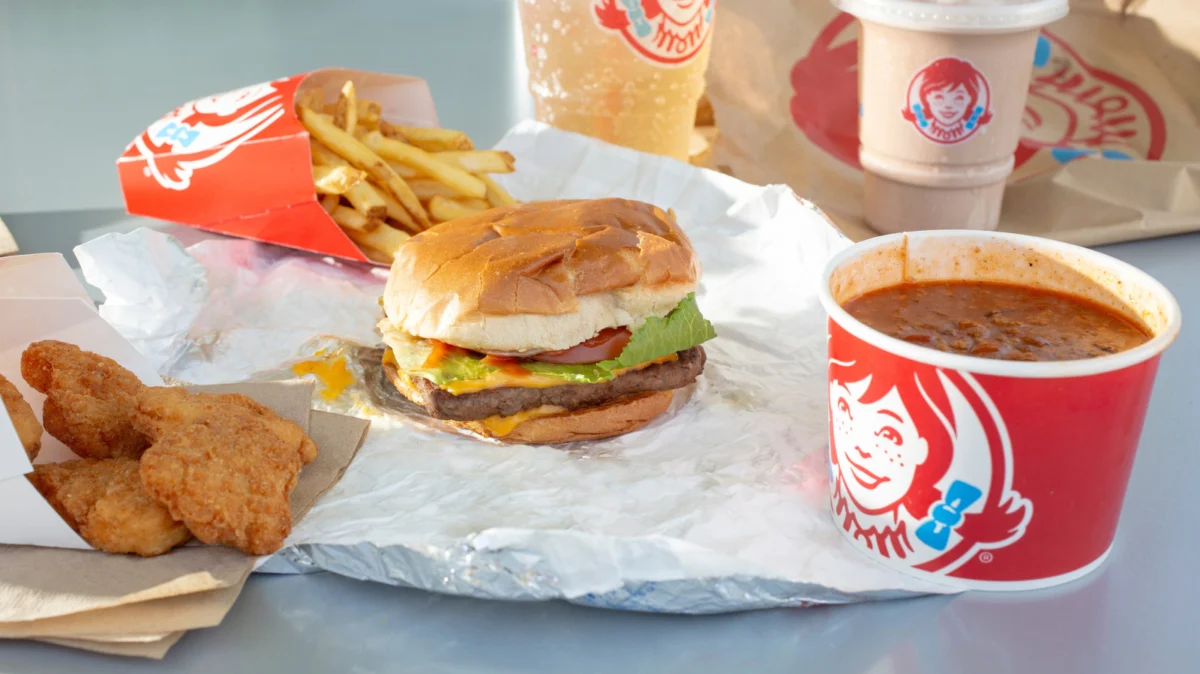
For decades, the Wendy’s brand was synonymous with a promise that resonated deeply with the American consumer: "Quality is Our Recipe." From their signature square burger patties—a defiant nod to the idea that they don’t "cut corners"—to their steadfast commitment to "fresh, never frozen" beef, the chain positioned itself as the premium alternative to the assembly-line homogeneity of McDonald’s and the aggressive, low-cost marketing of Burger King.
However, in 2026, that once-sterling reputation has begun to fray at the edges. Following six consecutive quarters of declining same-store sales and the humiliating loss of its status as the second-largest burger chain in the United States to a surging Burger King, Wendy’s is facing a public relations and operational crisis. In a rare and candid admission, the company’s new CEO, Bob Wright, has confirmed what loyalists have been whispering for years: the quality has dropped, and it was a deliberate, calculated choice.
The Admission: A Strategic Misstep
In a recent interview with The Wall Street Journal, CEO Bob Wright did not mince words regarding the current state of the brand. When pressed about the reasons behind the company’s downward trajectory, Wright pointed directly to the boardroom’s past priorities.
"We have made some decisions around quality that were rooted in efficiency and cost savings," Wright admitted. "We have let our value equation erode."
This confession represents a significant departure from standard corporate rhetoric, which typically masks declining standards with buzzwords like "streamlining" or "operational optimization." By explicitly acknowledging that cost-cutting measures directly compromised the product, Wright has signaled a potential shift in strategy. However, the admission has also sparked a firestorm of validation among the customer base, many of whom have felt abandoned by the brand for the better part of a half-decade.
A Chronology of Decline
To understand how a powerhouse like Wendy’s lost its footing, one must look at the slow, incremental degradation of its offerings.
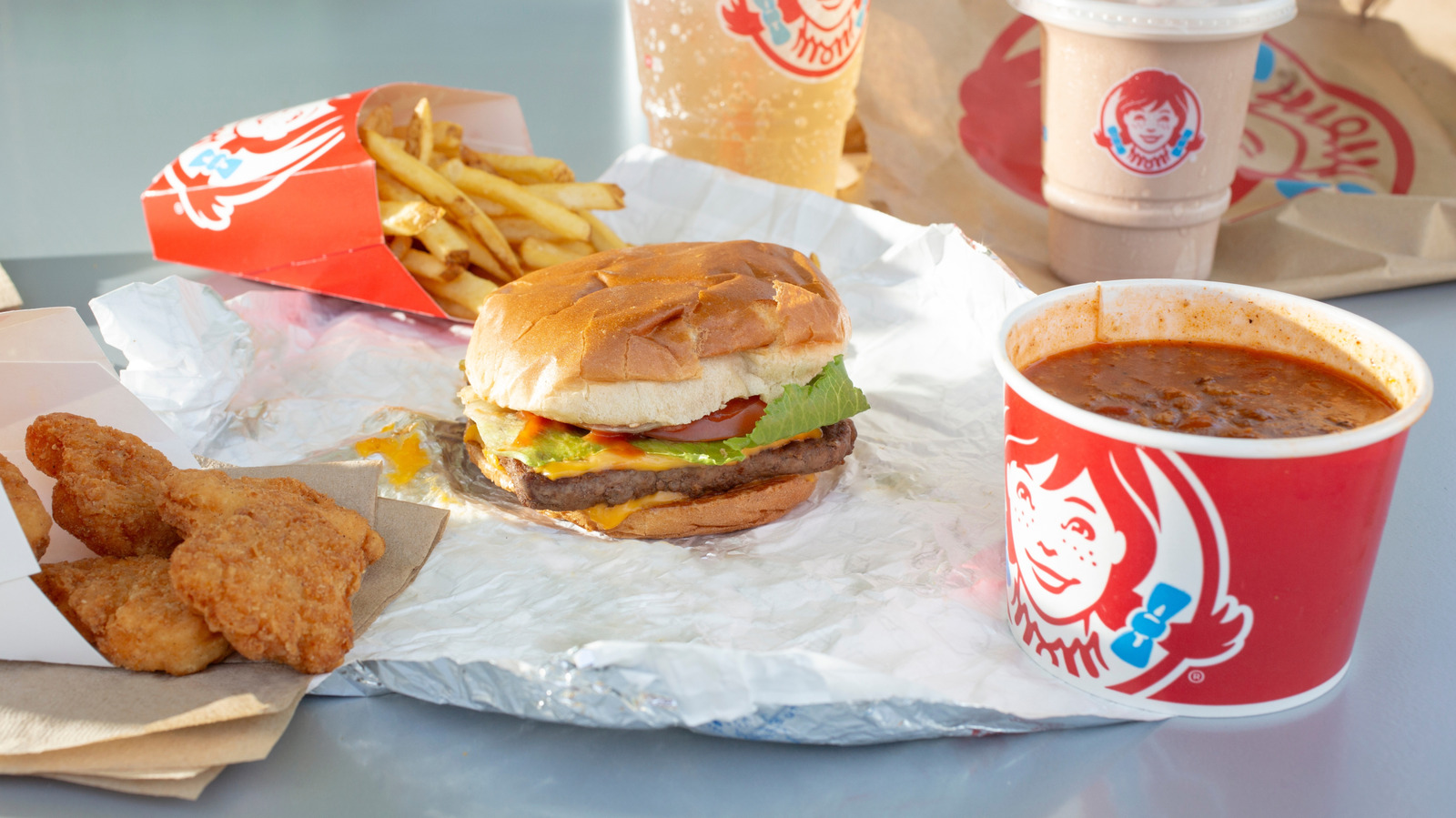
- 2020–2021: The Pandemic Pivot. Like many in the industry, Wendy’s faced supply chain disruptions and labor shortages. During this period, the focus shifted heavily toward mobile app adoption and drive-thru efficiency, often at the expense of menu complexity and premium ingredients.
- 2022–2023: The Inflationary Squeeze. As food costs skyrocketed, the industry saw a wave of "shrinkflation." Wendy’s, while attempting to maintain price points, began subtle modifications. Customers began reporting smaller portion sizes and a noticeable change in the quality of staples like bacon and produce.
- 2024: The Tipping Point. Same-store sales began a consistent downward trend. The brand’s "value" offerings no longer felt like a bargain because the perceived value—the quality of the food itself—had diminished to a level that no longer justified the price.
- 2025: The Loss of Rank. The culmination of these issues saw Wendy’s yield its position as the number two burger chain in the U.S. to Burger King, a brand that had undergone its own rigorous, high-investment turnaround strategy.
- 2026: The Reckoning. Under Bob Wright’s leadership, the company has begun shuttering underperforming locations and officially acknowledging that the "efficiency" strategy of the previous years was a failure.
The Customer Verdict: "Yeah, We’ve Noticed"
If the corporate offices at Wendy’s believed they were making subtle changes that would go unnoticed by the average diner, they were sorely mistaken. Social media platforms, particularly Reddit, have become the primary battleground where consumers vent their frustrations.
A viral thread on the r/wallstreetbets subreddit, which cataloged Wright’s admission, was met with a chorus of "I told you so." One user noted, "Holding a 2025 Wendy’s nugget was the first time I’ve been surprised by how light a nugget could be," highlighting a widespread suspicion that the internal composition of core menu items had been altered.
Another frequent complaint centers on the inconsistency of execution. "I totally stopped eating at my local Wendy’s after they served me a burger that was actually crunchy—it was so overcooked," a former patron remarked. These anecdotes illustrate the "death by a thousand cuts" philosophy that consumers perceive. Whether it is the switch from whole-leaf lettuce to cheaper shredded varieties, or the thinning of bacon strips on the iconic Baconator, the consensus among the public is that the brand has lost its soul. As one Reddit user succinctly observed: "Cut quality 1% one hundred times, and suddenly it’s not a little bit anymore."
The Competitive Landscape: Burger King’s Comeback
The irony of Wendy’s current plight is that its primary rival, Burger King, has provided a roadmap for how to survive in the current economic climate. While Wendy’s was tightening its belt and cutting corners, Burger King leaned into a "Reclaim the Flame" strategy, pouring massive investments back into its infrastructure, franchisee support, and, most importantly, the quality of its core burgers and chicken offerings.
The results are stark. Burger King reported an 8.5% rise in sales last quarter, a staggering figure in the context of the current fast-food slump. By focusing on flavor profiles and product integrity rather than just operational efficiency, Burger King has effectively wooed away the very customers Wendy’s lost. For the average consumer, the choice between a chain that is "reclaiming its quality" and one that is "admitting to cost-cutting" is an easy one.
Implications: Can Quality Be Restored?
The path forward for Bob Wright and the leadership at Wendy’s is fraught with difficulty. Restoring consumer trust is significantly harder than losing it. The company is currently in the process of closing hundreds of stores, a move intended to refocus resources on high-performing locations, but this leaves a vacuum in many markets that competitors are eager to fill.
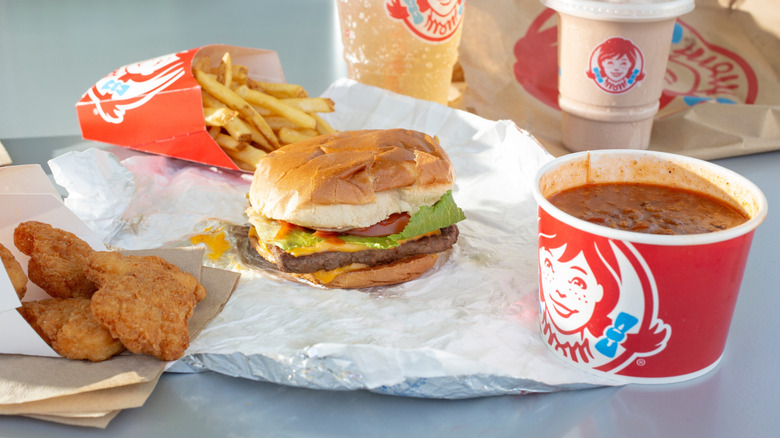
1. The Financial Hurdle
Reversing the quality erosion is expensive. If Wendy’s intends to return to its previous standards—reintroducing better ingredients, more generous portions, and more rigorous kitchen training—it will face significant margin pressure. In an era of high interest rates and cautious consumer spending, shareholders may be wary of a long-term investment strategy that suppresses short-term profits.
2. The Operational Challenge
Wendy’s relies on a massive network of franchisees. Changing the "value equation" at the corporate level is only half the battle; ensuring that thousands of individual restaurants actually implement these changes in the kitchen is a massive logistical challenge. Consistency remains the greatest weakness of the fast-food model, and Wendy’s must now prove that it can enforce high standards across the country.
3. The Brand Identity Crisis
The most existential threat to Wendy’s is the erosion of its brand identity. If the chain is no longer the "quality" option, what is it? It is currently too expensive to be a low-cost value player and too inconsistent to be a premium fast-casual experience. Wright must redefine the Wendy’s value proposition in a way that resonates with a generation of diners who are increasingly skeptical of corporate promises.
Conclusion: A Lesson in Brand Integrity
The case of Wendy’s serves as a sobering reminder for the entire fast-food industry. In a hyper-connected world, consumers are not merely passive recipients of a product; they are active evaluators who share their findings in real-time. The assumption that customers will not notice the incremental removal of quality is a dangerous gamble that almost always ends in a loss of market share.
Bob Wright’s admission is a necessary first step, but it is only the beginning. Whether Wendy’s can successfully pivot back to its foundational principles or if it will continue to fade into the background of the burger wars remains to be seen. One thing, however, is certain: the era of the "unnoticed" cut is over. Customers are watching, they are eating, and they are, quite literally, leaving.