In the crowded landscape of 2026 prestige television, where audiences are routinely asked to invest hundreds of hours into sprawling fantasy epics and gritty genre experiments, HBO has once again managed to capture the cultural zeitgeist. Following the massive success of its 2026 programming slate—which includes the continued dominance of the Game of Thrones universe via A Knight of the Seven Kingdoms and House of the Dragon—the network has unveiled its latest powerhouse: Lanterns.
Premiering this past Sunday, the series has rapidly transcended the "superhero show" label, earning comparisons to the atmospheric dread of True Detective and the sociopolitical acuity of Damon Lindelof’s Watchmen. With a 94% critical approval rating on Rotten Tomatoes and an 86% audience score, Lanterns has secured the top spot on Max in the United States and holds the third position globally, according to industry tracker FlixPatrol.
The Premise: Small-Town Horror Meets Intergalactic Law Enforcement
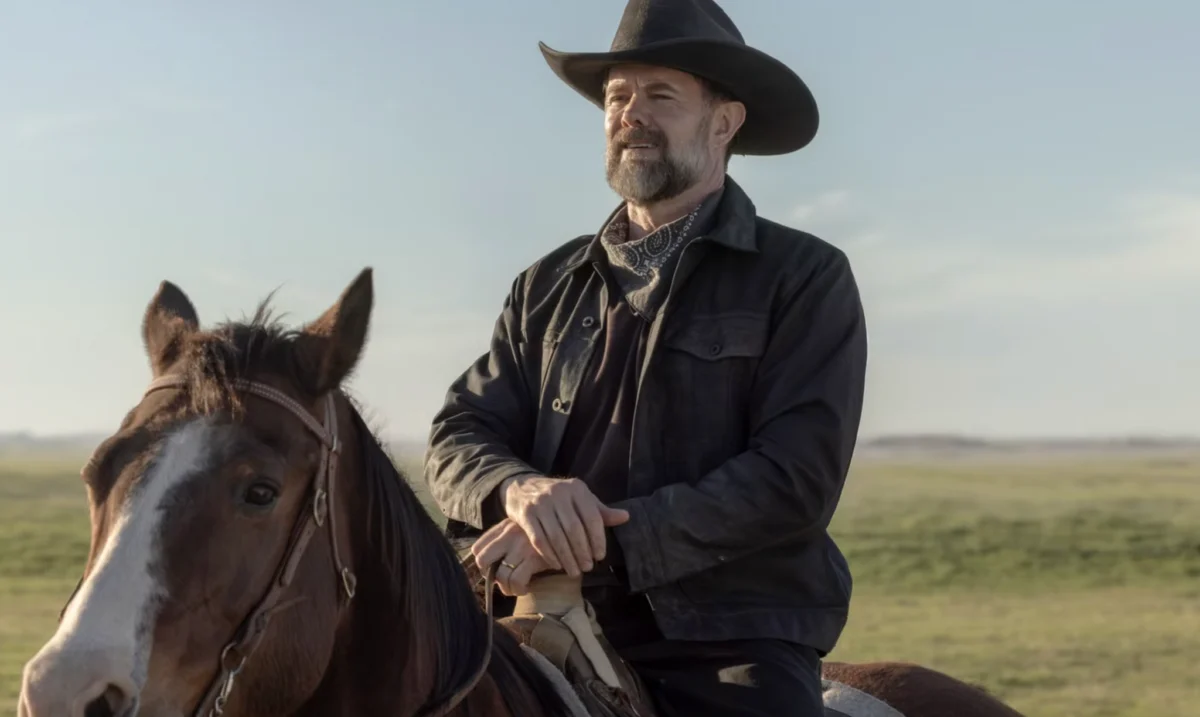
At its core, Lanterns is a subversion of the typical space-faring hero narrative. The series follows a generational passing of the torch: John Stewart (played by the charismatic Aaron Pierre) is a rookie Green Lantern struggling to find his footing, while Hal Jordan (Kyle Chandler) serves as the weary, jaded mentor who clearly views the concept of a "replacement" with deep-seated resentment.
The narrative hook is deceptively simple. The duo is dispatched to a quiet, unassuming town in Nebraska to investigate a horrific mass shooting. While the local authorities are baffled by the carnage, Jordan—drawing on his extensive experience as an intergalactic peacekeeper—is convinced that the culprit is not human. His intuition proves correct, pulling the pair into a labyrinthine conspiracy that suggests the town is a staging ground for extraterrestrial infiltration.
The show succeeds by grounding its cosmic stakes in the soil of rural America. By juxtaposing the high-tech, glowing mythology of the Green Lantern Corps against the mundane, decaying backdrop of a Midwestern town, Lanterns creates a unique tonal tension. As critic Corey Plante noted in his review, the series functions as a profound meditation on the Black experience in America, utilizing superhero tropes to explore themes of inherited trauma, institutional gatekeeping, and the subjective nature of power.
A Tale of Two Timelines: The Structural Gamble
What has truly set the internet ablaze—and driven the show’s record-breaking viewership—is the audacious structure of the series. Lanterns does not play a linear game. The pilot episode concludes with a narrative shock that has left fans dissecting every frame of the premiere.
The story abruptly flashes forward ten years, from 2016 to 2026. John Stewart, now a decade older and presumably seasoned by the events of the past, reunites with Sheriff Kerry Kane (Kelly Macdonald). They return to the site of the original football field shooting, only to find the frozen, lifeless body of Hal Jordan. Crucially, his power ring is missing.
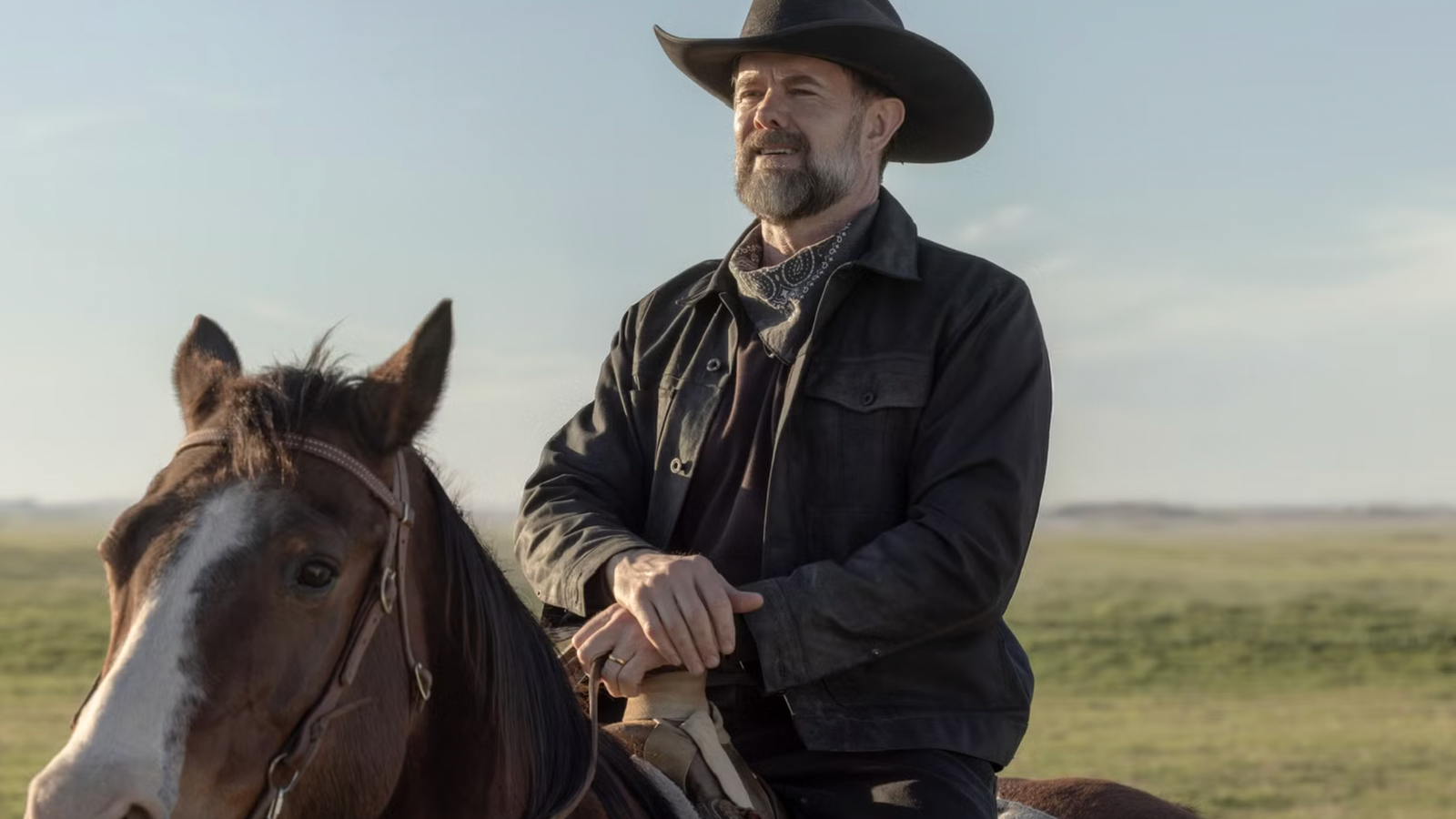
This cliffhanger serves as the series’ primary engine. By split-screening the narrative between the 2016 investigation into the Nebraska murders and the 2026 hunt for answers regarding Jordan’s death, the show forces the audience to play detective alongside its protagonists. The central question is no longer just "who did it," but "how does it all end?"
The "Gimmick" Debate: Official Responses
The decision to kill off a character as iconic as Hal Jordan in the very first episode was not made lightly. In an era where "death" in superhero media is often treated as a temporary setback, the showrunners faced significant pressure to justify the move.
Damon Lindelof, speaking with Collider, addressed the skepticism head-on. "Tom [King, co-creator] and I looked at each other when we were even kicking around the idea of killing Hal, and we were like, ‘We can’t do that. Everyone’s going to hate us. It feels gimmicky,’" Lindelof admitted.
However, the creative team ultimately pivoted, guided by showrunner Chris Mundy’s vision. "Mundy actually was like, ‘I don’t think that it does feel gimmicky. I think that it will actually infuse the entire story with a lot of emotionality,’" Lindelof explained. The goal, according to the creative team, was to shift the series from a standard action-adventure into a character-driven noir, where the "ghost" of Hal Jordan—and the mystery of his final moments—drives the moral development of John Stewart.
Supporting Data: Why Audiences Are Hooked
The success of Lanterns is part of a larger, highly successful strategy for HBO in 2026. While the network has always been known for its varied library—ranging from the satirical bite of The Chair Company to the sprawling, high-fantasy politics of House of the Dragon—Lanterns represents a specific push into the "prestige genre" space.
Data from third-party trackers like FlixPatrol indicates that Lanterns is not just attracting DC die-hards, but also the broader HBO subscriber base. The show’s performance is bolstered by a "water cooler" effect, where the 2026 timeline cliffhanger serves as a focal point for social media discourse. Furthermore, the inclusion of Nathan Fillion’s Guy Gardner in the 2026 timeline has provided a familiar bridge for long-time comic fans, while the procedural nature of the 2016 timeline makes the show accessible to viewers who have never picked up a comic book in their lives.
Implications: The Future of the DC Universe
The implications of Lanterns extend far beyond its own season finale. With both John Stewart and Guy Gardner confirmed to return in next year’s Man of Tomorrow—the highly anticipated sequel to the Superman reboot—it is clear that HBO and DC are building a shared narrative universe that values continuity and character growth over mindless spectacle.

If Hal Jordan is indeed dead—a premise the showrunners insist upon, despite the inherent skepticism of the audience—his death serves as the catalyst for the next phase of the DC cinematic landscape. If, as some fan theories suggest, the body in the snow is actually an alien imposter, the show opens up a secondary layer of psychological horror: the idea that no one, not even the most powerful heroes, can be trusted.
This "trust deficit" is likely to be the defining theme of the remainder of the season. As the investigation into the Nebraska events deepens, the audience is encouraged to question the nature of the "aliens" they see on screen. Are they invaders? Refugees? Or something else entirely?
Conclusion: A New Standard for Genre Television
As we look toward the remainder of 2026, the arrival of Lanterns serves as a reminder of what television can be when it refuses to settle for the status quo. By blending the slow-burn tension of a Southern Gothic mystery with the high-stakes world-building of DC Comics, HBO has crafted a series that demands to be watched, analyzed, and discussed.
Whether or not the show manages to stick the landing remains to be seen. However, with its current momentum, the sharp writing of the Lindelof-King-Mundy team, and a breakout performance from Aaron Pierre, Lanterns has successfully staked its claim as the most vital show of the summer. For viewers who have been waiting for a superhero story that takes its audience—and its source material—seriously, the lights in Nebraska are just beginning to glow.
As the season unfolds, the audience will continue to grapple with the central mystery: In a world where anyone can be an alien, and the greatest hero can be found dead in the snow, who truly gets to wield the light? The answer, it seems, will be found in the cold, harsh, and utterly compelling reality of Lanterns.