For many, the concept of a breakfast pizza is the ultimate culinary compromise—a way to satisfy the craving for savory, carb-heavy comfort food while maintaining the thin veneer of a morning meal. While cold, leftover slices have long been the unofficial fuel of students and night-shift workers, the frozen food aisle has evolved to offer curated, purpose-built breakfast pies. However, as the market expands, not all offerings are created equal. Recent critical testing has highlighted a significant disappointment among Costco shoppers: the Heggies Breakfast Pizza.
Main Facts: The Anatomy of a Disappointment
When consumers reach for a frozen breakfast pizza, they generally expect a cohesive experience: a sturdy base capable of supporting eggs, meats, and cheese, topped with a flavorful gravy or sauce that ties the disparate elements together. In a recent blind evaluation of seven popular store-bought breakfast pizzas, the Minnesota-based brand Heggies fell to the bottom of the rankings.
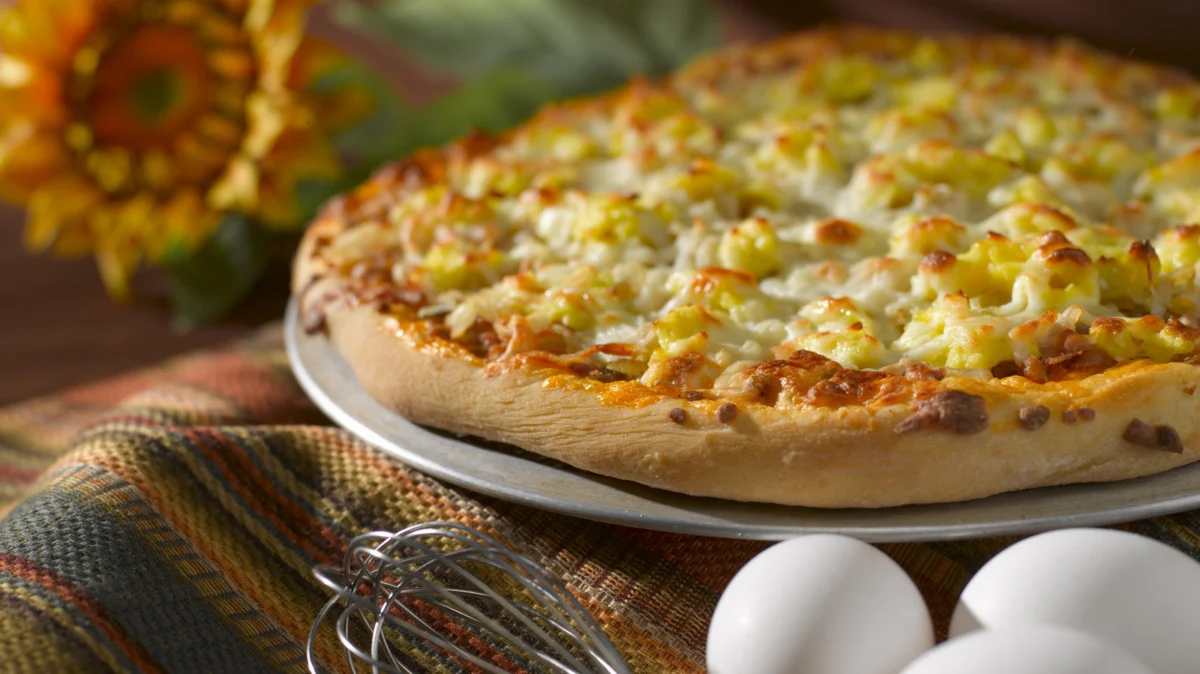
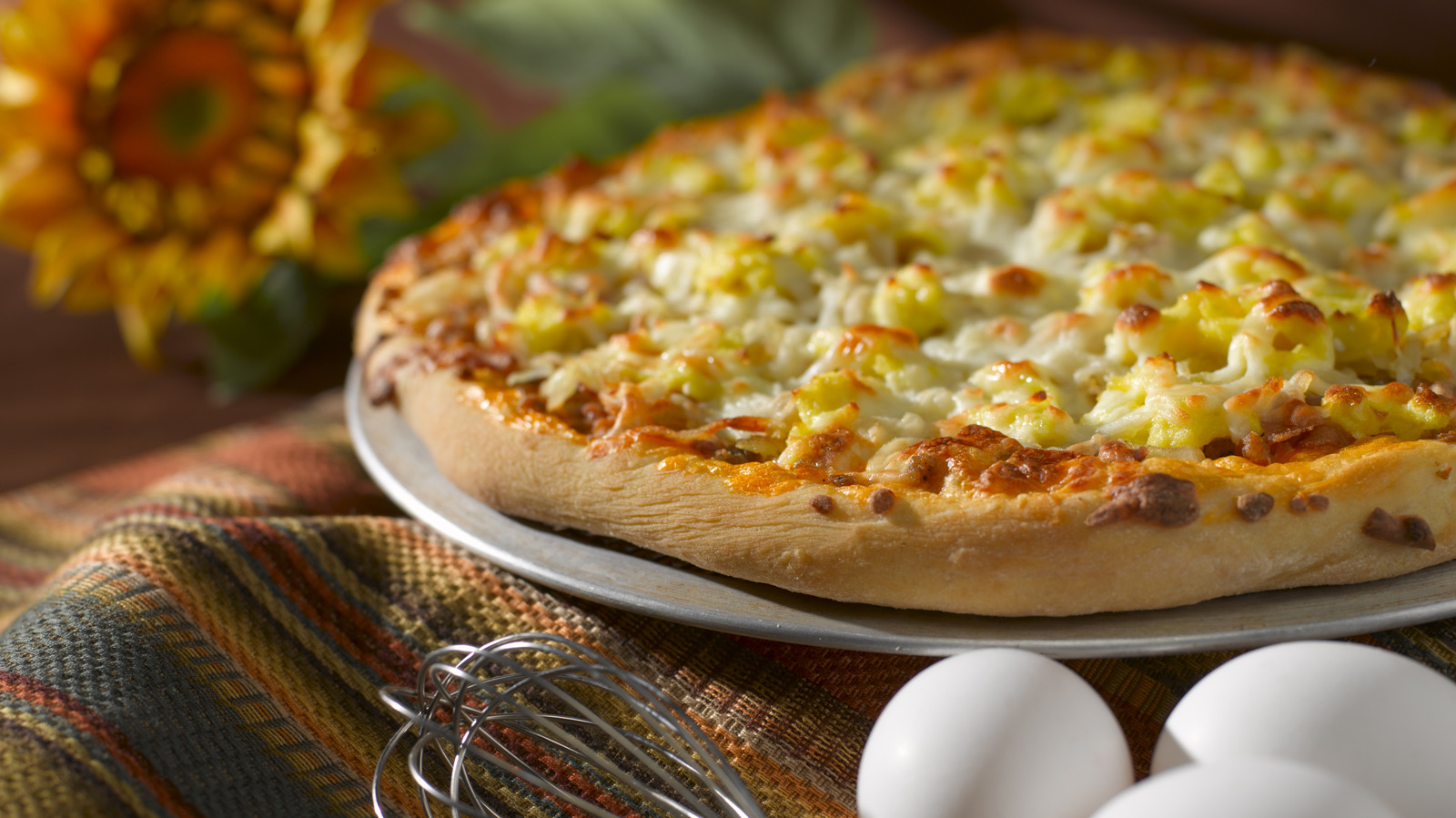
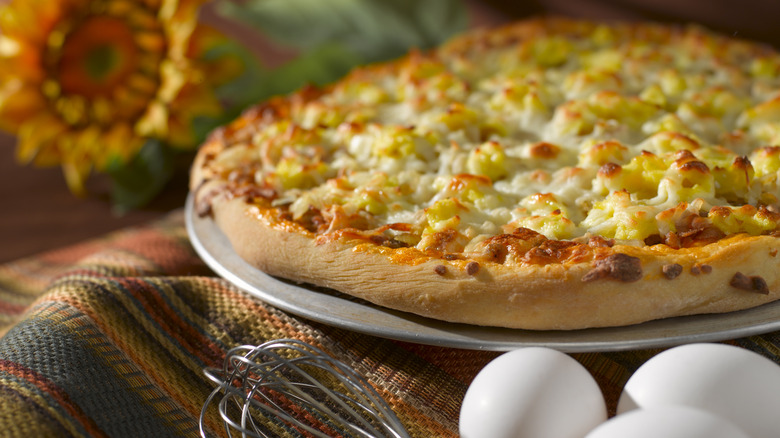
Despite a promising aesthetic out of the box—boasting a generous scattering of breakfast sausage, bacon, scrambled eggs, green onions, country gravy, and a blend of cheddar and mozzarella cheeses—the reality of the consumption experience was starkly different. The primary failure was not in the quantity of the toppings, but in their execution.
The sausage and bacon, while structurally sound, lacked the depth of seasoning required to stand out against the richness of the cheese and eggs. More troubling was the complete absence of the promised country gravy’s flavor profile. Furthermore, the crust—the foundation of any great pizza—proved to be a major liability. Rather than opting for a biscuit-style or croissant-based crust that would complement the breakfast theme, Heggies utilizes a thin, cracker-like base. This structure struggled to support the weight of the heavy toppings, resulting in a soggy, crumbling mess that detracted from the overall sensory experience.
Chronology of a Regional Favorite’s National Struggles
Heggies has long enjoyed a cult-like status in the Upper Midwest. Originating in Milaca, Minnesota, the company built its reputation in the taverns and local grocery stores of Minnesota and Wisconsin. For years, the brand was a staple of late-night gatherings and casual local dining.
The expansion of Heggies into the national Costco supply chain represented a major milestone for the brand, offering it a platform to reach millions of shoppers outside of its traditional stronghold. However, the transition from local tavern favorite to national retail product appears to have exposed weaknesses in the product’s design when subjected to the varied conditions of home kitchens across the country.
As the product hit shelves in states beyond the Midwest, the feedback loop changed. The product was no longer being judged solely by those familiar with its specific regional history, but by a broader consumer base with higher expectations for the convenience-to-quality ratio of premium frozen goods. The discrepancy between the "rave reviews" often cited by Minnesotan proponents and the underwhelming experience reported by new customers has created a fragmented narrative surrounding the brand’s viability as a national competitor.
Supporting Data and Consumer Sentiment
The divide in opinion is best documented through the digital archives of platforms like Reddit, where Costco shoppers congregate to dissect their purchases. The discourse surrounding Heggies is notably polarized, illustrating the difference between regional nostalgia and objective culinary performance.
The Execution Challenge
One of the most persistent issues raised by consumers is the difficulty of achieving a consistent bake. The packaging instructions, which typically mandate a high oven temperature of 450 degrees Fahrenheit, are frequently cited as problematic. Many home cooks report that this temperature leads to burnt crust edges while the center of the pizza remains undercooked or lukewarm. Even when users adjust the temperature to 425 degrees, they report inconsistent results, suggesting that the ratio of mass to crust thickness is inherently flawed for standard home convection or conventional ovens.
The "Drunk Food" Phenomenon
Perhaps the most telling piece of consumer sentiment is the classification of the product as "drunk food." Several online reviewers have noted that the pizza’s flavor profile—heavy on salt and fat, low on nuanced seasoning—tends to appeal more to those who have already spent an evening out than to those seeking a balanced breakfast.
"Minnesotans rave over it, but it’s more of a drunk food thing," one Redditor noted. This characterization is a significant blow to the brand’s attempts to market itself as a legitimate breakfast solution. When a product is relegated to the category of "late-night indulgence," it loses its utility as a reliable, quality-focused breakfast option for families or individuals looking for a solid start to their day.
Implications for the Frozen Food Market
The Heggies experience serves as a case study in the challenges of regional scaling. What works in a bar environment, where the ambiance and the nature of the consumption differ significantly from the domestic breakfast table, does not always translate to a frozen product sold in bulk retailers.
The Shift Toward Premium Breakfast Solutions
As consumers become more discerning, the "breakfast pizza" category is becoming increasingly competitive. Brands like DiGiorno have set a higher bar by innovating with textures, such as the Breakfast Croissant Crust, which addresses the "fluffy vs. cracker" debate that Heggies failed to solve. The success of these products suggests that shoppers are willing to pay for breakfast items that offer a bakery-like experience rather than just a salty, flat cracker.
The Role of Convenience vs. Quality
The frozen food industry is currently caught in a tug-of-war between convenience and quality. The expectation for store-bought breakfast items is no longer just "fast." It is "fast and flavorful." When a product fails to deliver on flavor, the "convenience" factor is quickly outweighed by the feeling of a wasted meal. For companies like Heggies, the implication is clear: if they wish to maintain their national footprint at retailers like Costco, they must either pivot their product development to meet the demands of a national palate or accept that their product may continue to alienate a significant portion of the broader market.
Moving Forward: Alternatives and Advice
For those who find themselves disappointed by the Heggies experience, the current market offers a wealth of alternatives that prioritize flavor and texture.
- The Gold Standard: Currently, the DiGiorno Breakfast Croissant Crust Canadian Bacon & Egg Scramble Pizza is widely considered the top contender in the category. It successfully bridges the gap between a flaky, buttery crust and a savory topping profile that feels more akin to a real meal.
- The DIY Shortcut: For those who prefer a more artisanal approach without the labor of scratch-baking, using canned biscuit or crescent roll dough as a base is a highly effective shortcut. This allows for a customizable experience where the cook can control the salt levels and the quality of the ingredients, such as using fresh eggs and high-quality local sausage.
- Exploratory Culinary Ventures: Consumers interested in diversifying their breakfast routine might consider experimenting with recipes like Mexican-style breakfast pizzas, which utilize beans, chorizo, and fresh salsas to provide the flavor depth that frozen versions often lack. Breakfast pizzas featuring fruit and sweet crusts, such as those made with cinnamon roll dough, also offer a refreshing departure from the standard savory-heavy offerings.
In conclusion, while Heggies remains a beloved relic of regional convenience, its performance on the national stage at Costco serves as a reminder that brand loyalty does not guarantee quality. As the breakfast pizza category continues to evolve, consumers are encouraged to be more selective, favoring products that offer a balanced, well-engineered culinary experience over those that rely on regional reputation alone. If the pizza doesn’t satisfy at 8:00 AM, it is likely that the recipe—not the consumer’s palate—is the problem.