Ford’s motorsport division is currently operating at a level of intensity that few manufacturers in history have ever achieved. From the high-stakes, aerodynamic chess match of Le Mans hypercar development to the brutal, sand-blasted endurance of the Baja 1000 with Raptor trophy trucks, the company is casting an incredibly wide net. They are tackling the treacherous Dakar Rally with the T1+ and maintaining a massive presence in the world of customer racing with GT3 and GT4 iterations of the iconic Mustang.
Yet, despite this sprawling portfolio, there is a persistent, whispering ambition within the glass halls of Dearborn: a return to the pinnacle of global stage rallying. Recent comments from Ford CEO Jim Farley suggest that the company is not merely interested in racing; it is interested in "democratizing the rally car." This declaration has sent shockwaves through the automotive enthusiast community, raising the tantalizing prospect of a new, production-based performance vehicle designed to bridge the gap between the WRC stage and the local supermarket parking lot.
The Evolution of Ford’s Rally DNA: A Chronology of Grit
To understand why Ford’s potential return to the rally spotlight is so significant, one must look at the brand’s storied, albeit turbulent, relationship with the sport.
The Group B Era and the RS200
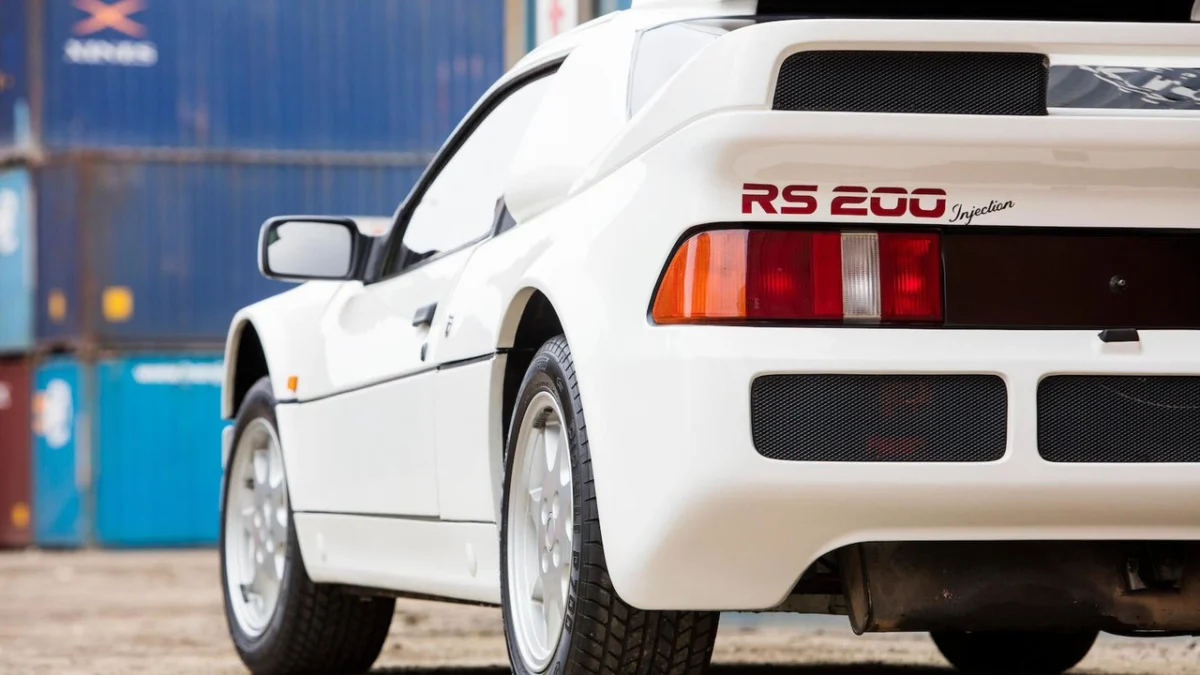
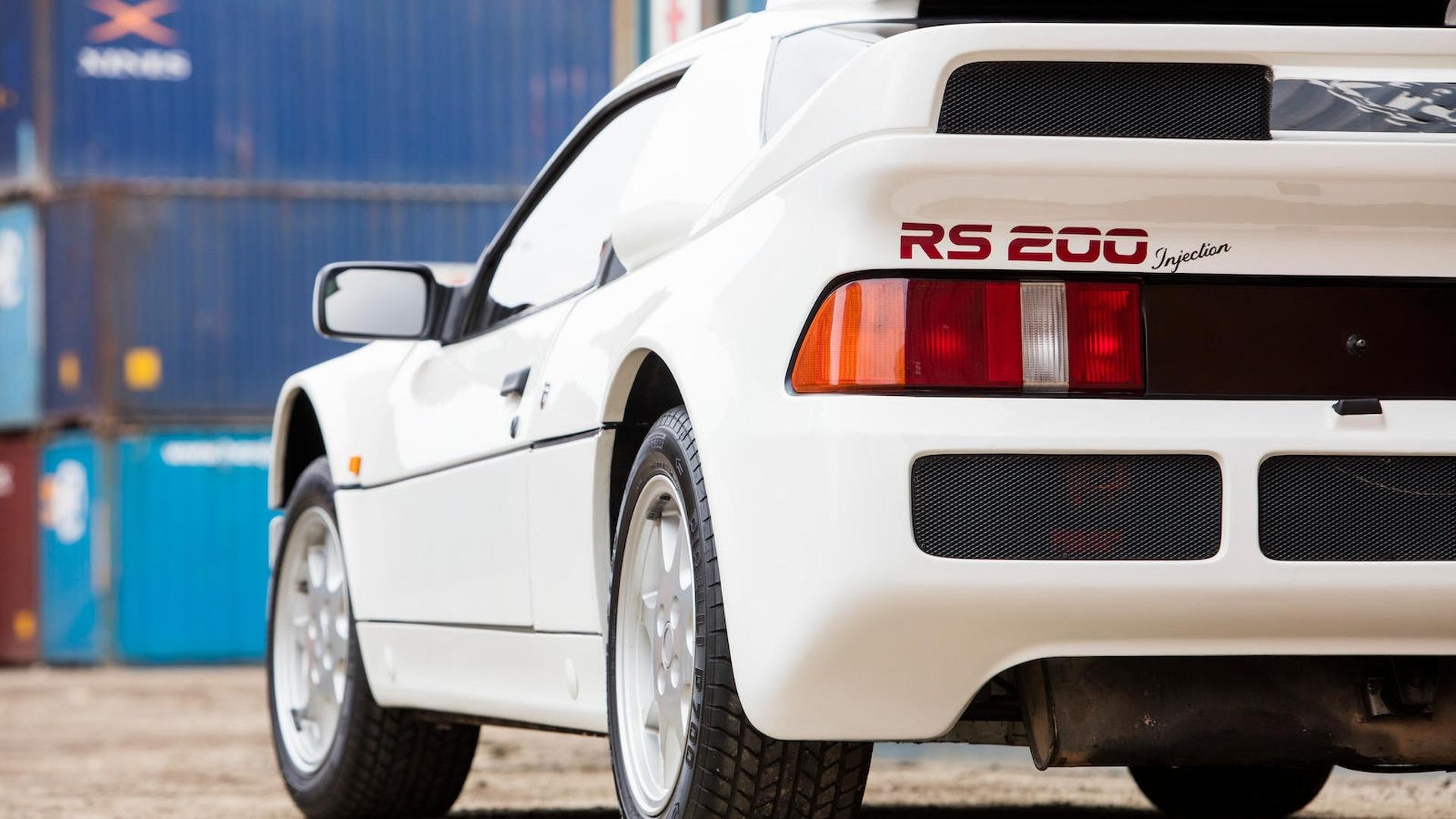
In the mid-1980s, the World Rally Championship was defined by Group B—the most dangerous, powerful, and technologically unhinged era in motorsport history. Ford’s answer to this was the RS200. With its mid-engine, four-wheel-drive layout and a turbocharged Cosworth heart, the RS200 was a masterpiece of engineering, designed specifically to dominate the world’s most grueling stages. Though it suffered from the tragic end of the Group B era, it solidified Ford’s reputation as a manufacturer willing to take extreme risks to secure victory.
The Escort and Focus Dominance
Throughout the 1990s and early 2000s, Ford maintained its relevance through the Escort RS Cosworth and, subsequently, the Focus WRC. The Focus, in particular, became an icon of the sport, driven to legendary status by luminaries such as Colin McRae and Marcus Grönholm. During this period, Ford wasn’t just building race cars; they were building the aspirational machinery that defined a generation of "hot hatch" culture.
The Modern Pivot
After scaling back its factory WRC involvement, Ford shifted its focus toward global platforms and electrified powertrains. However, under Farley’s leadership, the brand has pivoted back toward "enthusiast-first" engineering. The recent introduction of the Mustang-based racing platforms and the heavy investment in the Raptor performance brand signal a return to the company’s core identity: performance, utility, and the rugged spirit of adventure.
Decoding the "Democratization" Strategy
When Jim Farley speaks of "democratizing the rally car," he is tapping into a sentiment that has been largely abandoned by modern automotive conglomerates. In the late 20th century, the "homologation special"—a road-going version of a race car required by regulations—was the gold standard for enthusiasts. Cars like the Mitsubishi Lancer Evolution and the Subaru WRX STI were the result of this exact philosophy.
What Could a New Rally-Inspired Ford Look Like?
The industry is currently speculating on two primary paths for such a project:
- The "RS" Revival: Ford could look to its archives and develop a successor to the RS badge, perhaps a compact, all-wheel-drive performance hatch based on a global architecture. This would likely feature a high-output turbocharged engine and a sophisticated torque-vectoring system, designed to handle loose surfaces as well as tarmac.
- The "Puma/Escort" Evolution: Alternatively, Ford could lean into its crossover success. By taking a model like the Puma—which has already seen success in rally form—and creating a road-going "Rallye" edition with lifted suspension, wide-body styling, and rally-inspired gearing, Ford could capture a younger demographic that values both daily utility and weekend off-road capability.
Official Responses and Market Positioning
During a recent appearance on Top Gear, CEO Jim Farley was characteristically candid about the future of the brand. When asked about the possibility of a dedicated rally-based production vehicle, he emphasized that the goal is to make the technology accessible.
"We want to democratize the rally car," Farley stated. "It’s about taking the spirit of the WRC and ensuring that our customers in Europe and beyond can experience that level of engineering and thrill in their own driveways."
Farley also teased that Ford has a new, "different" kind of supercar in the works. While he remained tight-lipped on the specific performance metrics, he noted that the vehicle would intentionally avoid the "well-served" segments of the market, suggesting that it might prioritize raw, mechanical feedback and rally-bred agility over the traditional, top-speed-obsessed metrics of modern supercars.
The Economic and Engineering Implications
A return to the rally-inspired production segment is not without its risks. Modern crash safety regulations, emissions standards, and the transition to electric propulsion make the development of a lightweight, nimble rally car significantly more complex than it was in the era of the RS200.
The Role of Hybridization
With the WRC currently embracing hybrid powertrains, it is highly likely that any new "democratized" rally car from Ford would feature some form of electrification. This is not necessarily a negative for performance; electric motors can provide the instant torque required for tight, technical corners—the bread and butter of rally racing. If Ford can successfully integrate a hybrid system into a compact chassis without ballooning the curb weight, they would be setting a new benchmark for the segment.
Global Market Strategy
Ford has been aggressively aligning its product lineups across North America, Europe, and Asia. A global rally-inspired platform would make significant business sense. By selling the same high-performance vehicle in multiple markets, Ford can amortize the high R&D costs associated with specialized suspension, cooling, and drivetrain components.
Motor1.com’s Perspective: The Case for Authenticity
The prospect of a "democratized" rally car is, quite simply, the kind of news that keeps the pulse of the automotive industry beating. There is a palpable hunger among enthusiasts for vehicles that prioritize character over computer-aided convenience.
For years, the market has been saturated with sterile, tech-heavy SUVs. While these vehicles are capable, they often lack the "soul" of a rally-derived machine. If Ford manages to deliver a car that feels like a legitimate extension of their WRC program—something that offers mechanical engagement, a robust chassis, and the ability to thrive on a backroad or a gravel trail—they will undoubtedly secure their position as the champion of the working-class enthusiast.
The burning question remains: What will the base model be? Will it be a re-imagined hot hatch, or something entirely new? Regardless of the platform, the industry is watching. Ford has already proven it can win on the track; now, the challenge is to prove that they can bring that winning spirit to the street in a way that is affordable, practical, and undeniably exciting.
Conclusion
As Ford continues to expand its footprint in global motorsport, the rhetoric coming from the top of the company suggests that the best is yet to come. The "democratization of the rally car" is a bold vision that aligns with Ford’s heritage as a brand for the people. Whether it manifests as a retro-inspired icon or a futuristic hybrid, the potential for a rally-inspired production vehicle is a reminder of why we fell in love with cars in the first place: the pursuit of speed, the mastery of the terrain, and the sheer, unfiltered joy of the drive.
We will be following this story closely as more details emerge from Dearborn. For now, we can only hope that Ford’s engineers are hard at work turning these words into reality. After all, the world could always use a little more dirt, a little more speed, and a lot more rally spirit.