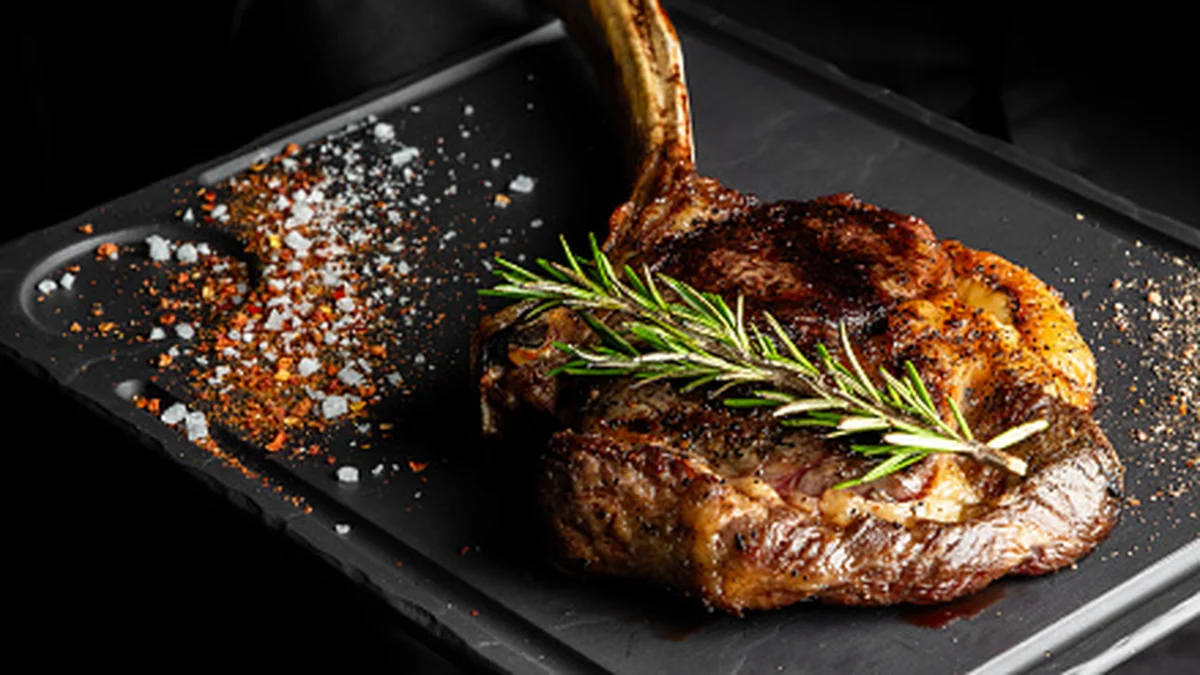
For the home cook, few culinary experiences are as satisfying as preparing a perfectly cooked ribeye. It is the ultimate "high-reward" dish—a cut of meat so inherently flavorful and marbled that it requires minimal intervention to shine. Yet, while a simple sear on a cast-iron skillet can yield a decent result, there is one technique that separates the amateur cook from the professional: butter-basting.
Often referred to as arrosé in French culinary tradition, butter-basting is the secret weapon of steakhouse chefs worldwide. It is a process that transforms a standard piece of beef into a complex, multi-layered gastronomic experience. By finishing the steak in a frothing pool of melting butter and aromatics, the cook achieves a superior crust, a more even internal temperature, and a depth of flavor that is otherwise impossible to replicate.
The Science and Main Facts of Butter-Basting
At its core, butter-basting is not just about adding "extra fat" to a dish that is already rich. It is a sophisticated method of thermal regulation and flavor infusion. When you add cold or room-temperature butter to a hot pan toward the end of the cooking process, the butter undergoes several chemical transformations.
The Maillard Reaction and Beyond
The Maillard reaction—the chemical reaction between amino acids and reducing sugars that gives browned food its distinctive flavor—is essential to a great steak. While the initial sear establishes the crust, the butter-basting process enhances it. The milk solids in the butter begin to caramelize, creating a nutty, toasted flavor profile. This "liquid gold" coats the steak, filling in the crevices of the crust and ensuring that every bite is seasoned and succulent.
Thermal Regulation
Butter is a poor conductor of heat compared to the intense, dry heat of a cast-iron pan. When you spoon hot butter over the steak, you are gently cooking the outer layers of the meat without scorching them. This creates a "buffer zone" that helps mitigate the temperature gradient, resulting in a more uniform doneness from the edge to the center of the ribeye.
Chronology of the Perfect Butter-Baste
To execute this technique with precision, timing is everything. A successful butter-baste is the culmination of a three-stage cooking process.
Phase 1: Preparation and Initial Sear
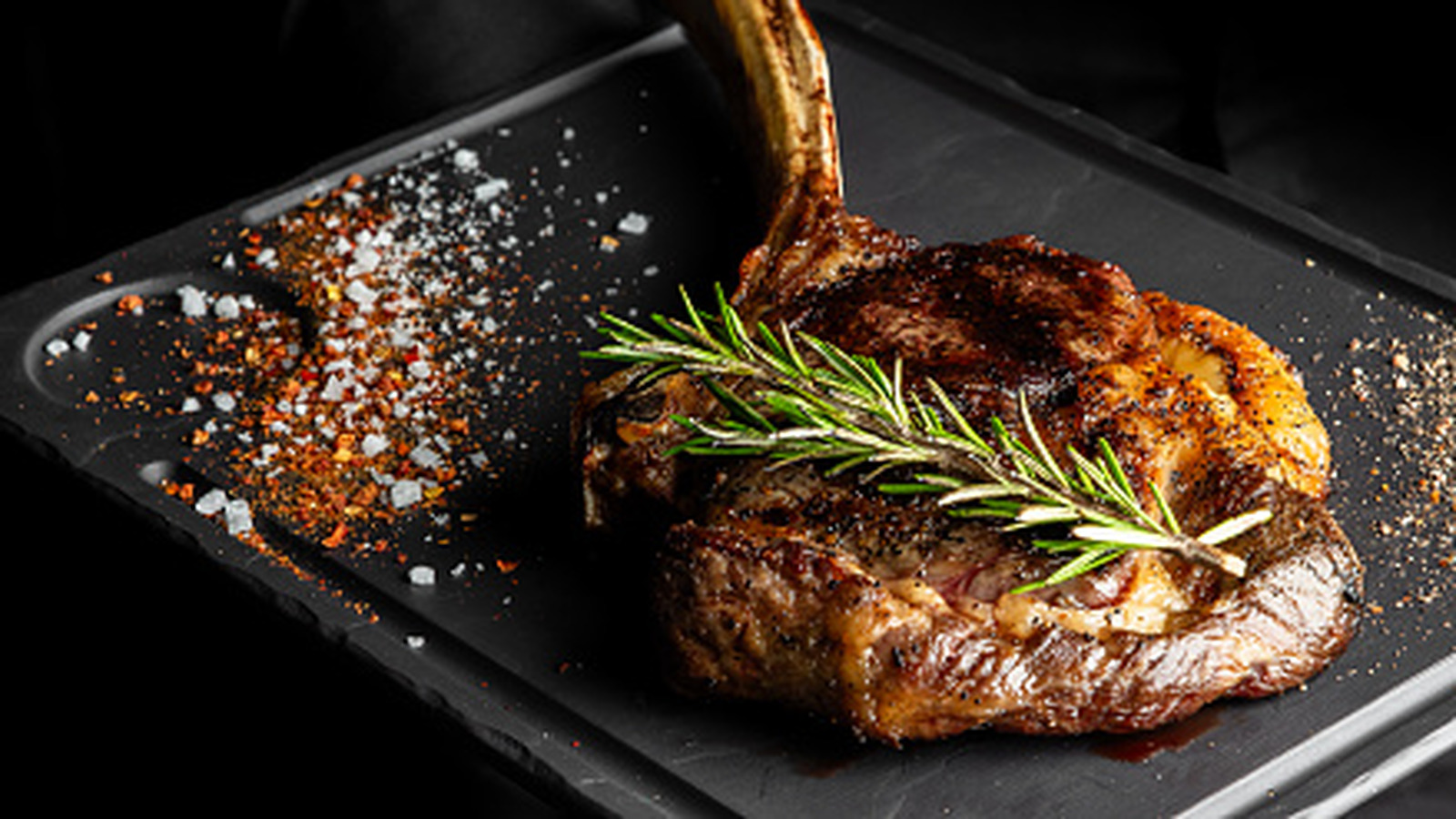
Before the heat even touches the pan, the ribeye must be prepared. It should be removed from the refrigerator at least 30 to 45 minutes before cooking to allow the internal temperature to rise, ensuring an even cook. Pat the surface of the steak completely dry with paper towels; moisture is the enemy of a good sear. Season liberally with high-quality kosher salt and, if desired, freshly cracked black pepper.
Phase 2: The High-Heat Sear
Using a heavy-bottomed skillet—preferably cast iron—heat a high-smoke-point oil (such as avocado or grapeseed oil) until it is shimmering and just beginning to smoke. Place the steak in the pan and sear undisturbed for several minutes to build a deep, mahogany-colored crust. Flip and repeat on the other side.
Phase 3: The Basting Finale
Once the steak has developed its primary crust, reduce the heat to medium. This is the critical transition point. Add a generous knob of high-quality unsalted butter to the pan. As it melts and begins to foam, tilt the pan slightly so the butter pools at the bottom. Using a large metal spoon, continuously scoop the foaming, aromatic butter over the steak. Continue this for 1 to 3 minutes, depending on the thickness of the cut, until the desired internal temperature is reached.
Supporting Data: Why Fat and Aromatics Matter
The appeal of the ribeye lies in its intramuscular fat, known as marbling. When rendered, this fat provides the "beefy" flavor that aficionados crave. However, the addition of butter introduces a different type of fat—milk fat—which has a lower smoke point and a distinct creamy mouthfeel.
The Role of Aromatics
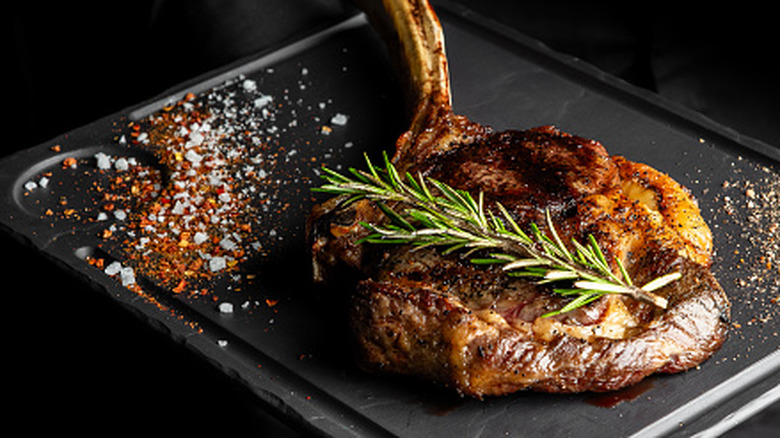
Data from professional culinary labs suggests that fat-soluble compounds are the primary carriers of flavor. By adding garlic cloves and woody herbs like rosemary and thyme to the foaming butter, the butter becomes a vehicle for infusion. As the herbs sizzle, their essential oils are released into the butter, which then clings to the steak. This creates an aromatic profile that penetrates the surface of the meat, adding a layer of complexity that seasoning alone cannot provide.
Smoke Point Awareness
One of the most common mistakes home cooks make is adding butter too early. Butter begins to burn at approximately 300°F to 350°F (150°C to 175°C), while a proper steak sear requires temperatures upward of 400°F. By keeping the butter for the final few minutes of the cook, you ensure that you are basting with nutty, browned butter rather than bitter, carbonized solids.
Professional Perspectives and Culinary Implications
Renowned chefs often describe the butter-baste as a "finishing move" that bridges the gap between the raw ingredient and the final presentation. The implication for the home cook is significant: you do not need expensive equipment or sous-vide machines to achieve restaurant-quality results. You simply need control over your heat and an understanding of how ingredients interact.
Efficiency and Waste Reduction
One of the most overlooked aspects of the butter-baste is the aftermath. After the steak is removed from the pan, the remaining butter—now infused with beef drippings, garlic, and herbs—is a culinary asset. Professional kitchens rarely discard this liquid. It serves as an exceptional base for:
- Pan Sauces: Deglaze the pan with a splash of red wine or beef stock to create a quick reduction.
- Vegetable Sautéing: Use the leftover fat to sauté asparagus, mushrooms, or spinach, ensuring that the flavor profile of the meal is cohesive.
- Compound Butter: Allow the leftover butter to cool and solidify, then store it for future use on bread or roasted potatoes.
Troubleshooting Common Errors
Despite its simplicity, the technique requires attention. If the butter turns black instantly, your pan is too hot; remove it from the heat source for a moment before adding the butter. If the butter doesn’t foam, it may not be fresh or the pan is too cool.
Furthermore, the "rest" is non-negotiable. Even a perfectly butter-basted ribeye will lose its juices if cut prematurely. Allowing the steak to rest for 5 to 10 minutes after basting allows the muscle fibers to relax and reabsorb the rendered fat and juices, ensuring a tender bite every time.
Conclusion: The Elevation of the Home Meal
The practice of butter-basting is more than just a technique; it is a philosophy of cooking that celebrates indulgence and precision. By taking the time to monitor the heat, introduce aromatics at the correct interval, and finish the meat with a rhythmic, consistent baste, the home cook can elevate a standard ribeye into a centerpiece of culinary excellence.
Whether you are hosting a formal dinner or simply treating yourself on a quiet evening, the butter-basted ribeye stands as a testament to the fact that the most impressive meals are often built on the simplest, most fundamental techniques. Embrace the foam, watch the heat, and allow the butter to do the work it was meant to do. Your palate will thank you.