In an era defined by hyper-convenience and the "infinite scroll" of e-commerce, the act of purchasing has become increasingly passive. Consumers are often conditioned to treat the digital storefront as a curated boundary—a predefined universe of options where we are nudged toward what is available rather than what we truly need. However, a quiet revolution in consumer behavior is taking root: a transition from "store-centered" shopping to a disciplined, highly personal methodology known as "self-centered shopping."
This approach rejects the convenience of the nearest available product in favor of a rigorous, requirement-first strategy. By placing the user’s specific needs at the center of the process, this philosophy promises not only higher satisfaction but a significant reduction in the environmental and financial waste associated with impulse buying.
The Paradigm Shift: Defining the New Consumer Methodology
The traditional shopping model is reactive. When a consumer’s "thneed"—a catch-all term for any required item—wears out or goes missing, the immediate impulse is to visit a local retailer or a major online marketplace. Here, the consumer is presented with a "selection" curated by the merchant. The buyer then selects the best option among the items currently in stock.
This process is fundamentally flawed because it allows the retailer to define the parameters of the choice. It is a system built on compromise; the buyer rarely finds a perfect match, settling instead for the "closest possible" alternative.
In contrast, "self-centered shopping" reverses the flow of information. The consumer first conducts a deep-dive audit of their own requirements, documenting the precise features, dimensions, and utility they demand. Only after these criteria are finalized does the search begin. This methodology requires patience and an investment of time, but it ensures that the resulting purchase is an extension of the user’s lifestyle rather than an imposition of the market’s inventory.
Chronology of a Change: From Retailer-Dependency to Intentionality
For decades, the standard consumer experience was limited by geography and information asymmetry. In rural settings or during pre-internet eras, a shopper’s world was physically bounded by the inventory of the local pharmacy or department store. If a specific tool wasn’t on the shelf, it effectively did not exist for the consumer.
The shift toward self-centered shopping began as a reaction against the "paradox of choice." Research has long shown that an abundance of options can lead to decision paralysis and post-purchase regret. By 2019, as the author began the process of replacing a worn-out wallet, the limitations of the traditional model became glaringly apparent.
Historically, the process involved walking into a store, browsing a wall of generic leather goods, and picking the least objectionable item. It was a cycle of five-year increments of dissatisfaction. By contrast, the 2019 search for a minimalist wallet began with a list of constraints: size, card capacity, weight, and material durability. By refusing to settle for the "standard" options presented by retailers, the search eventually led to a specialized travel gear manufacturer, Tom Bihn. This experience proved that when a consumer acts as their own product designer, the result is a tool that functions as an extension of their daily workflow rather than a generic accessory.
Supporting Data: The Efficiency of Specificity
The implications of self-centered shopping extend far beyond personal satisfaction; they touch on the fundamental mechanics of impulse control and long-term financial health.
The Impulse Control Mechanism
Market data consistently shows that the highest rates of impulse spending occur when consumers are "browsing" without a specific goal. By entering a store or website with a predefined set of requirements, the shopper creates a psychological firewall. If an item does not meet the criteria, it is disqualified instantly. This effectively eliminates the "window shopping" impulse that leads to the accumulation of unused or low-quality goods.
The Cost-Quality Ratio
Critics often point out that this method can be more expensive upfront. However, this ignores the "cost-per-use" metric. A $20 wallet that fails in six months is more expensive than a $60 wallet that lasts a decade. Self-centered shoppers prioritize longevity, which inevitably leads to a preference for high-quality, durable goods.
Reducing the Paradox of Choice
When a shopper walks into a retail environment, they are often bombarded by forty or fifty variations of the same product. This causes cognitive load. By defining requirements beforehand—such as "must be lightweight" or "must fit in a specific pocket"—the pool of potential products shrinks significantly. Ironically, having fewer options makes the final decision easier and increases confidence in the purchase.
Case Study: The Tom Bihn and Timberland Longevity Models
The most striking side effect of this methodology is the emergence of deep product loyalty. Once a consumer has put in the labor to find the "perfect" item, they rarely feel the need to experiment again.
- The Tom Bihn Ecosystem: The transition to a minimalist wallet was not just a one-off purchase; it became a gateway to a brand that understood the user’s need for efficiency. This creates a feedback loop where the consumer trusts the manufacturer, reducing the time spent on future searches.
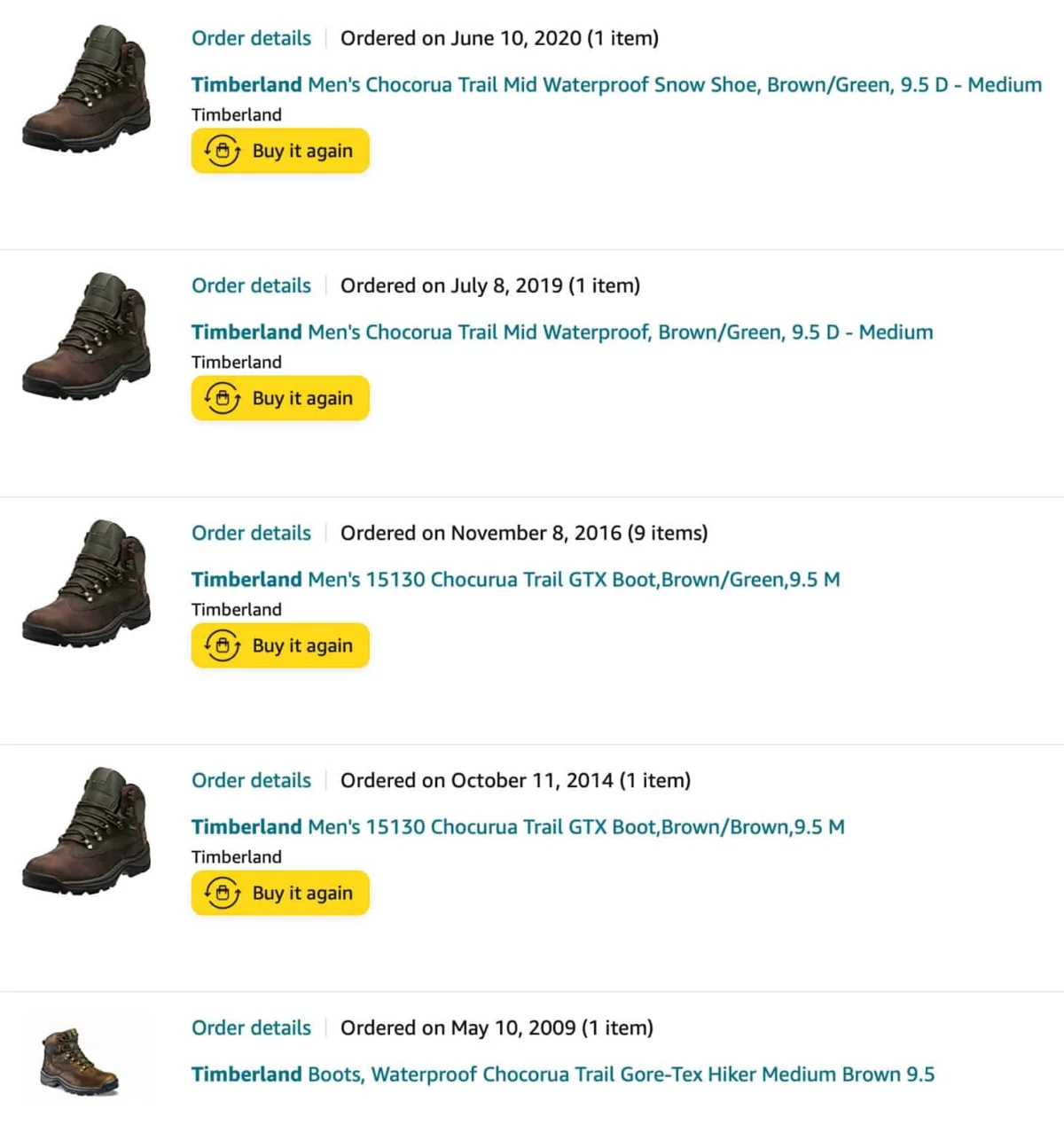
- The Timberland Rotation: The author’s fifteen-year history with the Timberland Chocorua boot serves as a prime example of successful, intentional consumption. By rotating two pairs—one for field work, one for professional settings—the shopper has managed to maintain comfort and performance for over a decade. This is the antithesis of "fast fashion."
Implications for the Modern Consumer
The shift toward self-centered shopping carries profound implications for how we interact with the economy.
For the Individual
The primary benefit is the reduction of "clutter-related stress." When every object in one’s possession serves a specific, intended purpose, the home becomes a more efficient and serene environment. This mirrors the "KonMari" philosophy: only keep what sparks joy, but more importantly, only acquire what serves a clear, identified need.
For the Market
This shift signals a potential pivot for retailers. Brands that focus on "mass-market sameness" may find their customer base shrinking as shoppers become more sophisticated. Conversely, companies that provide clear, detailed specifications and durable, problem-solving designs will likely see increased customer retention.
A Note on Patience
The most significant hurdle to adopting this method is the time investment. In a culture that demands "two-day shipping," the idea of spending weeks researching a desk or a wallet seems inefficient. However, the author argues that the time saved by not having to replace, return, or regret a purchase is a net gain.
Conclusion: Reclaiming the Purchasing Power
Self-centered shopping is not merely a strategy for buying better wallets or boots; it is a declaration of autonomy. It is the realization that in an age of infinite digital access, the consumer is no longer a passive recipient of whatever a store decides to stock.
By defining our needs, vetting our options against those needs, and committing to products that truly work for us, we can transform the act of shopping from a chore into a deliberate, satisfying investment in our own quality of life. As the author notes, this approach is often seen as "blindingly obvious" once practiced—a reminder that sometimes, the most effective financial advice is simply to slow down and decide exactly what you want before you ever pull out your wallet.