For years, the automotive industry has been gripped by a persistent narrative: the V8 engine is on the verge of extinction, destined to be replaced by high-output four-cylinder hybrids or pure electric powertrains. However, in the high-performance corridors of Affalterbach, Mercedes-AMG has issued a resounding rebuttal. By pivoting away from an over-reliance on forced-induction four-cylinder platforms, the brand is doubling down on its heritage, proving that the thunderous V8 is not only alive but more refined than ever.
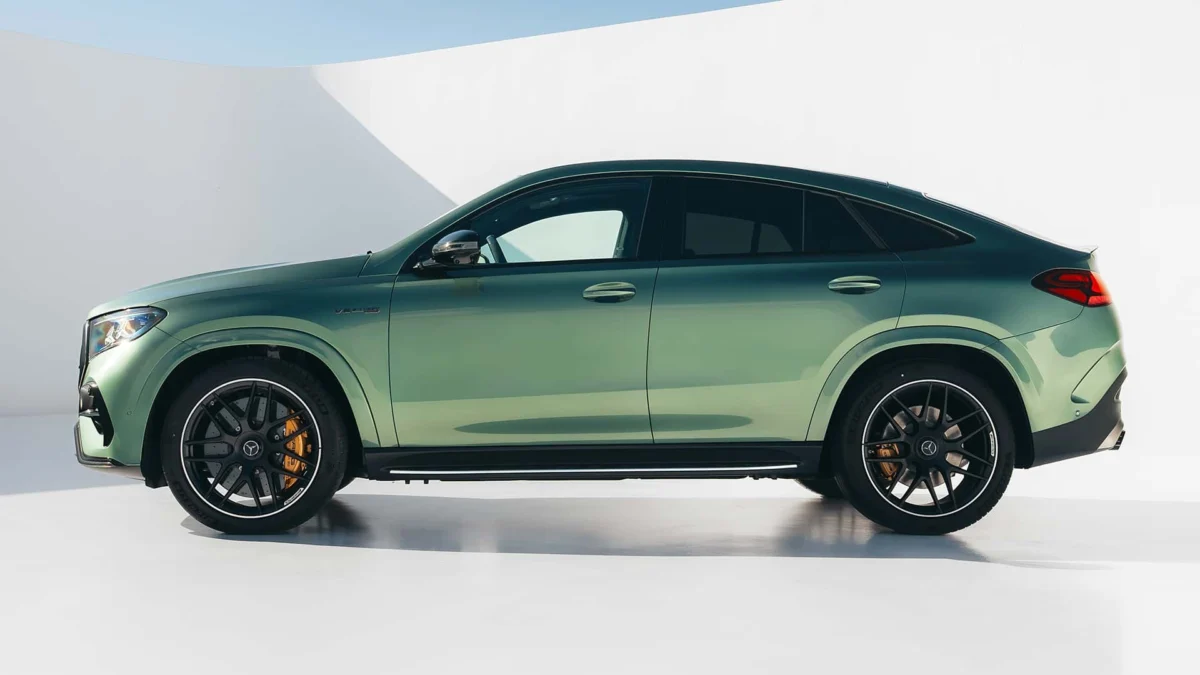
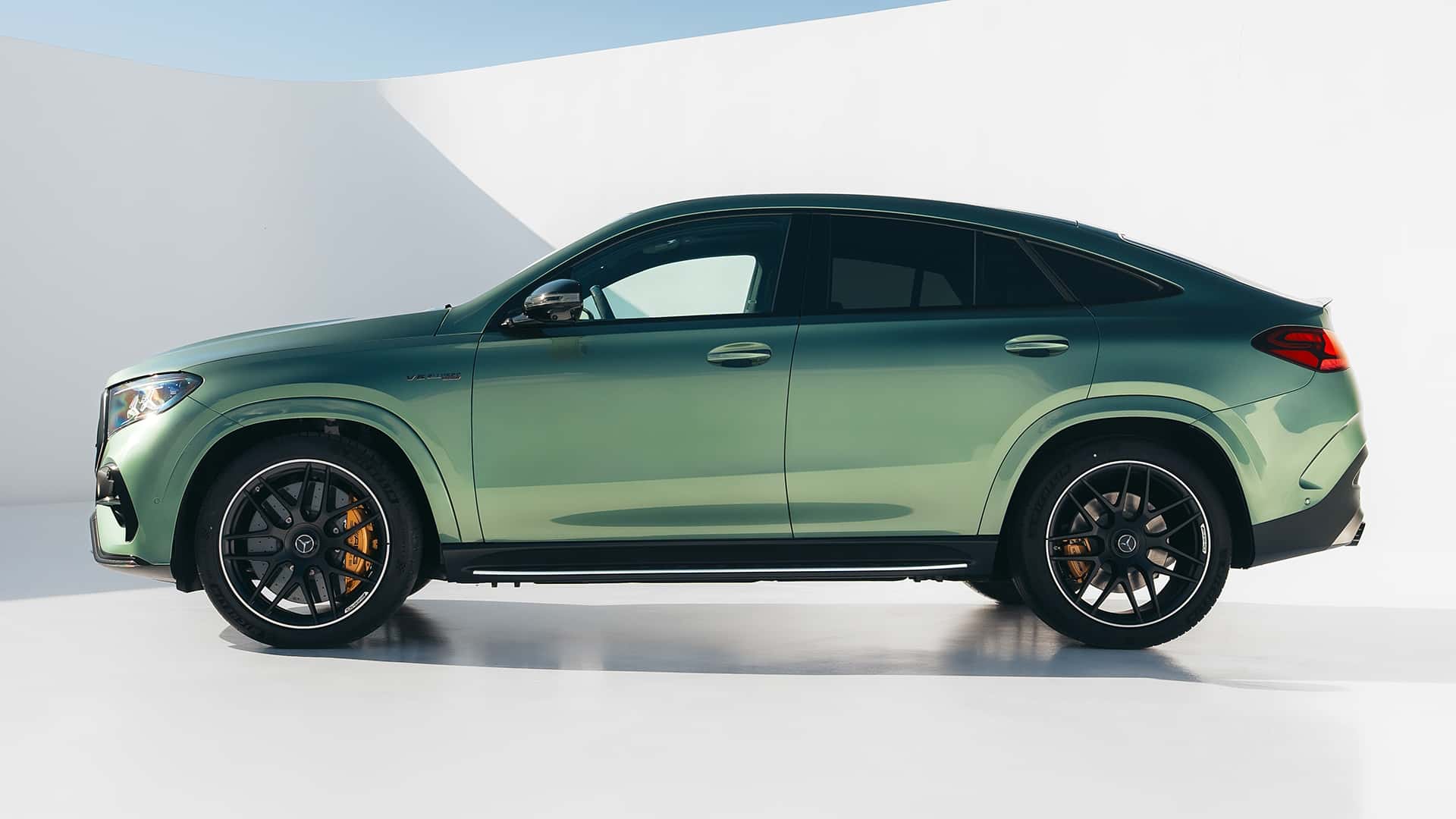
The latest iterations of the 2027 Mercedes-AMG GLE 63 S Coupe and the full-size GLS 63 serve as a masterclass in modern engineering. These SUVs are not merely cosmetic refreshes; they are comprehensive re-engineerings of the "big-power" luxury segment, blending the visceral, soul-stirring output of a twin-turbocharged V8 with the precision of cutting-edge electrification.
The Evolution of the AMG Powerhouse
At the core of these performance giants lies the venerated twin-turbocharged 4.0-liter V8 engine. While the block may be familiar to AMG loyalists, the internal components have undergone a radical transformation. Engineers have implemented a new flat-plane crankshaft, a design choice traditionally reserved for high-revving sports cars. By reducing rotating mass, the engine now climbs through the rev range with a nimbleness that defies the physical footprint of these massive SUVs.
Complementing this mechanical agility are heavily revised intake systems and upgraded turbochargers. These modifications are specifically engineered to eliminate the "lag" that once plagued larger performance SUVs, offering instantaneous throttle response that feels organic rather than synthetic. The result is an output of 603 horsepower and 627 pound-feet of torque—figures that solidify these vehicles’ status as absolute titans of the road.
Electrification as a Force Multiplier
While the internal combustion engine remains the star of the show, Mercedes-AMG has strategically integrated a 48-volt mild-hybrid system featuring the second-generation Integrated Starter Generator (ISG 2.0). Unlike the complex plug-in hybrid systems that have drawn criticism for their weight and added complexity, this mild-hybrid setup is designed for performance, not range.
The ISG 2.0 contributes an additional 23 horsepower and a staggering 151 lb-ft of torque during low-end acceleration. This "electric boost" provides a seamless surge of power the moment the driver tips into the throttle, smoothing out the transition between standing starts and high-speed cruising. For the driver, the experience is one of effortless speed; the car never feels like it is struggling against its own curb weight.
Chronology of the Development Cycle
The path to the 2027 model year was not without its challenges. Early in the decade, as emission regulations tightened across the European Union and North America, Mercedes-Benz faced significant pressure to downsize its performance catalog.
- 2021-2022: The industry witnessed a shift toward smaller displacement engines, leading to the controversial introduction of the four-cylinder hybrid C63.
- 2023: Internal feedback from AMG enthusiasts and a shifting market sentiment prompted a strategic reassessment. Mercedes-Benz began investing heavily in refining the 4.0-liter V8 to meet stricter Euro 7 and global emission standards without sacrificing displacement.
- 2024: The engineering team at Affalterbach finalized the integration of the ISG 2.0 system with the revised flat-plane crank V8, ensuring that the engine architecture could survive well into the latter half of the decade.
- 2025-2026: Prototype testing took place on the Nürburgring Nordschleife, where the focus shifted from pure power to chassis dynamics, specifically the calibration of the new active roll stabilization.
- 2027: The official launch of the refreshed GLE 63 S and GLS 63 marks the culmination of this "V8 preservation" strategy.
Technical Specifications and Performance Data
The metrics behind these SUVs tell a story of sheer physics-defying speed. The GLE 63 S, with its more aerodynamic profile, is capable of sprinting from 0 to 60 mph in just 3.6 seconds. The larger, more imposing GLS 63 is only a heartbeat behind, hitting the same mark in 3.9 seconds. Both vehicles are electronically governed to a top speed of 174 mph.
Supporting this acceleration is the standard AMG Ride Control+ air suspension. The critical upgrade here is the introduction of AMG Active Ride Control. Utilizing sensors that scan the road surface up to 1,000 times per second, the system can adjust the stiffness of each individual corner to counter body roll. Whether navigating a tight mountain pass or a sweeping highway bend, the SUV remains preternaturally flat, effectively hiding its high center of gravity.
Power is managed by the fully variable AMG Performance 4MATIC+ all-wheel-drive system, which works in tandem with an electronically controlled rear locking differential. This ensures that the 627 lb-ft of torque is distributed to the wheels with the most grip, allowing these SUVs to put their power down in conditions that would leave lesser performance vehicles spinning their tires.
Visual and Ergonomic Refinements
While the mechanical changes are significant, the visual updates are intended to be a "sharper" evolution of the existing design language. The front fascia now features a more aggressive, AMG-specific grille, which provides increased airflow to the upgraded cooling components required for the high-output V8. The LED light signatures have been modernized, and the rear diffuser has been sculpted to accommodate the signature quad-exhaust tips, which emit the deep, guttural growl that has become the hallmark of the AMG brand.
Inside the cabin, the emphasis remains on high-end luxury married to digital functionality. The MBUX infotainment system now includes specific AMG Performance screens, providing the driver with real-time data on torque distribution, G-force metrics, and engine thermal management.
Mercedes has also expanded its MANUFAKTUR program for these models. This bespoke customization service allows buyers to move beyond standard color palettes, offering exclusive leather combinations such as Yacht Blue and Tartufo Brown, paired with high-gloss wood or carbon fiber trim. The new AMG Performance steering wheel, now equipped with integrated drive-mode controls, ensures that the driver can toggle between "Comfort," "Sport," and "Sport+" without ever taking their hands off the rim.
Implications for the Automotive Market
The decision to maintain the V8 in the GLE and GLS models has major implications for the luxury SUV segment. It signals that Mercedes-Benz recognizes a clear divide between its "EQ" electric vehicle lineup and its "AMG" high-performance heritage. By opting to refine the V8 rather than force-converting these models to full electric, Mercedes-AMG is positioning itself to capture the segment of buyers who prioritize emotional engagement and long-distance touring capabilities over pure electric-only driving.
Furthermore, the integration of 48-volt mild-hybrid tech serves as a "bridge" technology. It allows the brand to maintain the V8’s performance while simultaneously improving overall fleet fuel economy—a critical necessity for meeting corporate average fuel economy (CAFE) standards in the US and similar mandates in Europe.
Looking Ahead: The Future of AMG
As of this writing, official pricing for the 2027 models has not been disclosed, though industry analysts expect a premium increase commensurate with the significant hardware upgrades. For the consumer, these SUVs represent perhaps the pinnacle of internal combustion performance before the inevitable march toward full electrification becomes the only path forward.
While critics may argue that the V8 is an endangered species, the 2027 GLE 63 S and GLS 63 prove that it is not yet extinct. Instead, it has been evolved. For the enthusiast who wants the presence of a luxury SUV, the practicality of a family hauler, and the heart of a supercar, these vehicles represent the most compelling argument for the endurance of the V8.
The "big-boy" SUVs of Affalterbach have returned, and they have brought their thunder with them. Whether on the track or the open road, they stand as a testament to the fact that, in the world of high-performance luxury, there is still no substitute for displacement—especially when it’s sharpened with a touch of modern electrification.