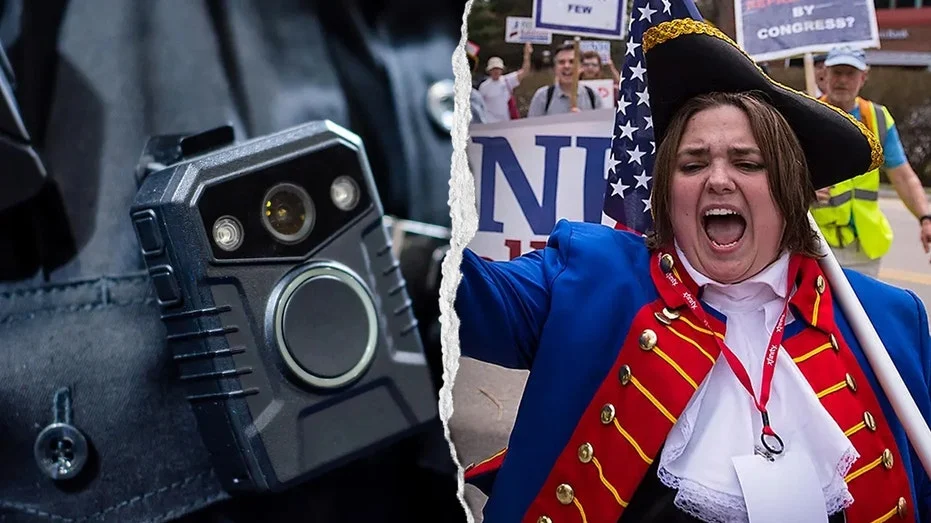
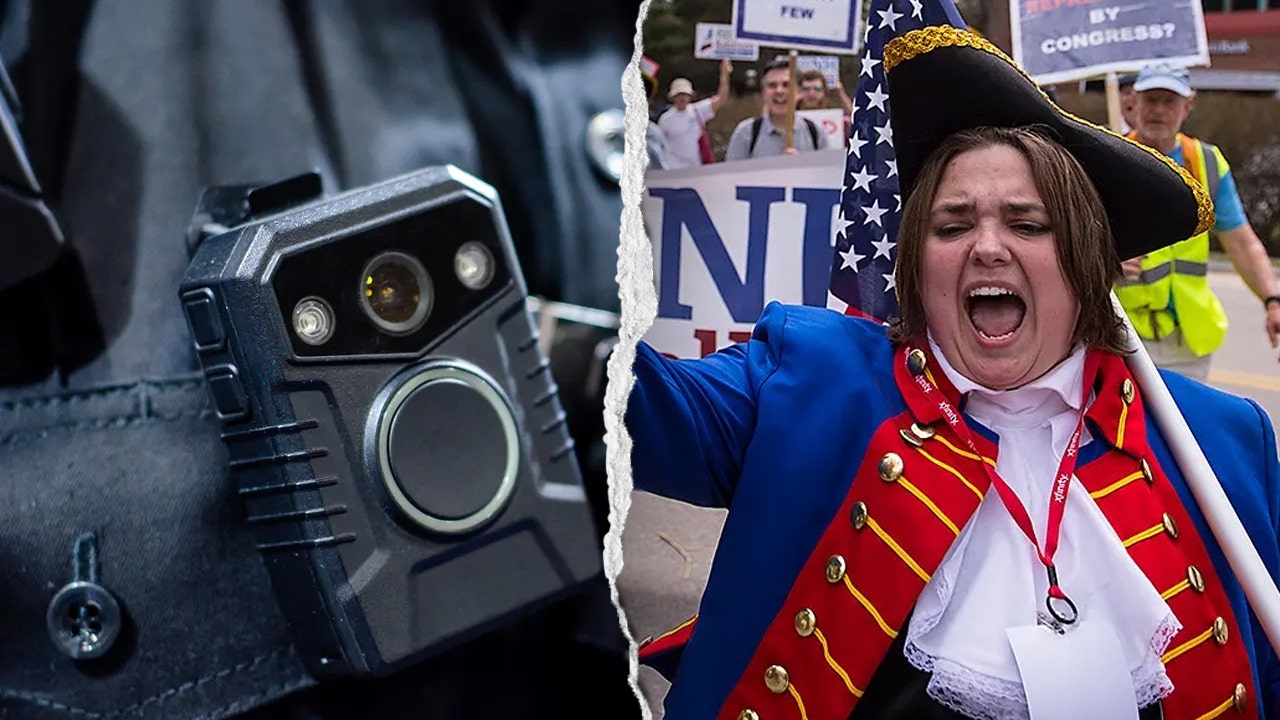
The intersection of modern law enforcement technology, state budgetary constraints, and centuries-old constitutional privileges has clashed in New Hampshire. A high-speed traffic stop involving a sitting state legislator has thrust the Rockingham County Sheriff’s Office into a national conversation regarding police accountability, the necessity of body-worn cameras, and the limits of legislative immunity.
State Representative Ellen Read, a Democrat representing Rockingham District 10, is currently locked in a legal battle over two speeding tickets—one of which involves an allegation that she was driving 107 mph. The dispute has highlighted a significant transparency gap: the Rockingham County Sheriff’s Office possesses neither body-worn cameras nor dashboard cameras. Without any objective video or audio recording of the encounter, the case has devolved into a "he-said, she-said" conflict, raising broader questions about police funding, state-level grant programs, and the modern interpretation of constitutional protections designed in the era of horse-and-buggy travel.
Main Facts
At the core of the controversy are two distinct traffic stops conducted by deputies of the Rockingham County Sheriff’s Office. During one of these stops, a deputy clocked Rep. Ellen Read traveling at a purported speed of 107 mph, subsequently charging her with reckless driving.
Read vehemently disputes the deputy’s radar reading and the characterization of her driving. While she admits to traveling approximately 85 mph on the highway—a speed she conceded both to the officer at the scene and later in court—she maintains that she was not driving recklessly and was not traveling at the triple-digit speeds alleged by the department.
The legal defense mounted by Read does not merely rest on disputing the radar calibration or the deputy’s testimony. Instead, her legal counsel has invoked a historical provision of the New Hampshire Constitution. Read argues that both traffic stops were unconstitutional because they violated a protective clause designed to prevent the harassment or delay of lawmakers as they travel to and from their official legislative duties.
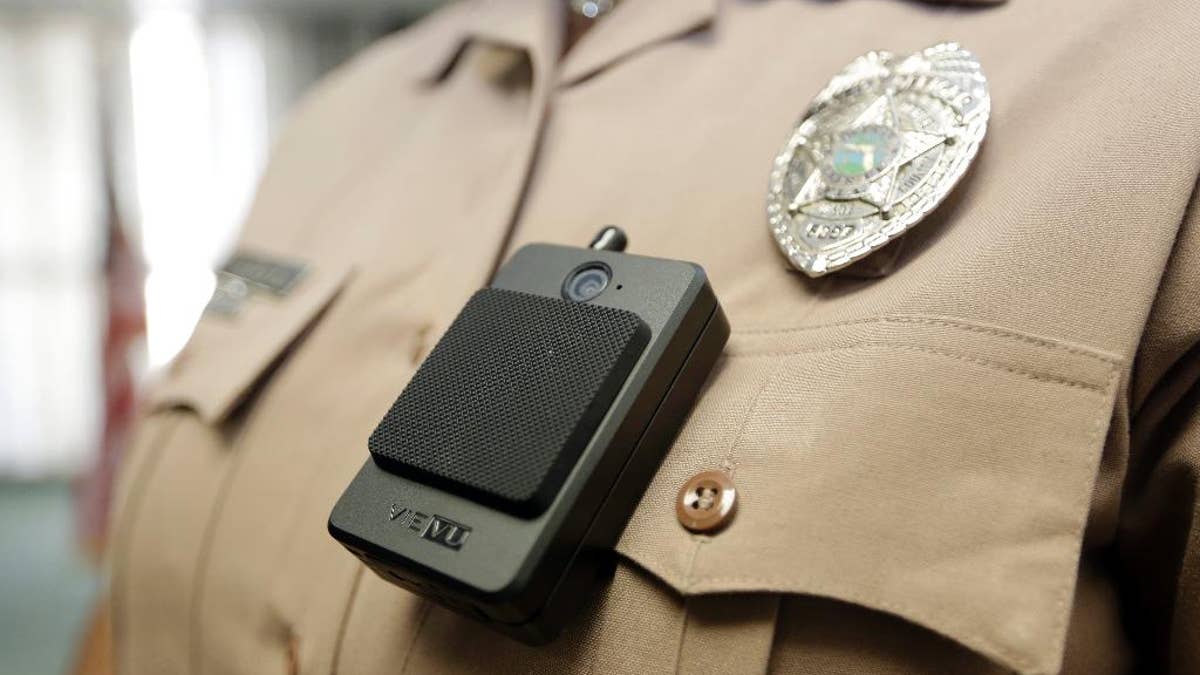
The lack of empirical evidence has complicated the prosecution and defense of the case. Fox News Digital confirmed that the Rockingham County Sheriff’s Office does not equip its deputies with body-worn cameras (BWCs) or dashboard cameras. Consequently, there is no official, independent record of the interaction between Rep. Read and the deputy, leaving the court to weigh the conflicting testimonies of a state lawmaker and a law enforcement officer.
Chronology
The events leading to the current constitutional impasse developed over several months, moving from the state’s highways to the local courts, and eventually appealing to the state’s highest judicial authority.
The Traffic Stops
The dispute began with two separate traffic stops initiated by the Rockingham County Sheriff’s Office. During the more contentious of the two stops, a deputy pulled Read over and accused her of driving 107 mph. Read maintained that she was traveling to fulfill her legislative duties in Concord, the state capital, when the stops occurred.
The Legal Challenge and Constitutional Invocation
Following the infractions, Read’s legal team moved to dismiss the charges. Rather than focusing solely on the speed discrepancy, they put forward a constitutional defense, citing the New Hampshire Constitution’s legislative immunity clause. They argued that the stops themselves constituted an unlawful detention of a legislator en route to official state business.
Lower Court Proceedings and the Supreme Court Appeal
The trial court heard arguments regarding the applicability of the constitutional immunity clause. Seeking a swift resolution on the constitutional question, Read’s defense team attempted to bypass the standard trial progression by appealing directly to the New Hampshire Supreme Court.
The Supreme Court’s Procedural Declination
The New Hampshire Supreme Court declined to immediately hear Read’s interlocutory appeal. Legal experts noted that this refusal was procedural rather than substantive. The high court opted to let the case proceed through the standard trial court process first, meaning the constitutional question will only be addressed by the state supreme court if an appeal is filed after a final trial court ruling.
Ongoing Litigation and Public Debate
With the Supreme Court declining immediate review, the case returned to the trial court level. As the legal teams prepare for trial, the lack of camera footage has shifted from a courtroom technicality to a public policy debate regarding law enforcement transparency and the allocation of state funds.
Supporting Data
The controversy surrounding Rep. Read’s traffic stop highlights two major policy areas: the history of legislative immunity and the legislative framework governing police body cameras in New Hampshire.
The Constitutional Precedent: Part II, Article 21
The constitutional provision invoked by Rep. Read is rooted in early Anglo-American common law. Part II, Article 21 of the New Hampshire Constitution, which outlines the privileges of the legislature, states that members of the house and senate shall be free from arrest "during their going to, returning from, or attendance upon the court."
| Aspect | Historical Intent (18th Century) | Modern Application (21st Century) |
|---|---|---|
| Primary Purpose | Prevent the executive branch (the King’s governors) from arresting lawmakers to block them from voting. | Debated; generally interpreted as immunity from civil arrest, not criminal acts or public safety hazards. |
| Scope of Protection | Absolute immunity from civil detention during the legislative session. | Limited; courts nationwide have increasingly ruled that traffic stops for reckless driving do not fall under "legislative immunity." |
| Transportation Context | Travel via horseback, carriage, or foot. | Operation of high-speed motor vehicles on public highways. |
The Funding Gap: New Hampshire’s Body-Worn Camera Laws
In 2021, the New Hampshire General Court established the Body-Worn and Dashboard Camera Fund. The initiative was designed to assist local, county, and state law enforcement agencies in adopting camera technology by offering matching grants.
- Eligibility: All municipal and county law enforcement agencies within New Hampshire can apply for matching funds.
- Scope of Expenses: The grant covers initial hardware purchases (cameras), data storage solutions, maintenance contracts, and replacement costs.
- The Mandate Gap: While New Hampshire law establishes guidelines for how body-worn cameras must be used if an agency chooses to deploy them (such as mandatory recording policies during traffic stops), state law does not mandate that agencies purchase or use them.
- The Hidden Costs: For many small and mid-sized departments, the primary barrier to camera adoption is not the initial cost of the cameras, but the long-term expenses associated with data storage, digital evidence management, and the administrative labor required to redact footage for public records requests.
Official Responses
The absence of video evidence and the assertion of legislative immunity have drawn sharp, contrasting statements from the involved parties and legal scholars.
Rep. Ellen Read (D-Rockingham)
Rep. Read has defended her actions while advocating for systemic police reform. She clarified that she never sought complete exemption from the consequences of speeding, but rather objected to what she characterized as an inaccurate and exaggerated allegation of reckless driving.
"I admitted to the officer and in court that I was going about 85 miles an hour on the highway," Read told Fox News Digital, adding that she was fully prepared to accept a standard speeding ticket.
Addressing the sheriff’s office’s claim that she had recorded the interaction on her personal mobile device, Read pushed back: "They are incorrect, I wish I had. The officers conveniently not wearing/using body cams are the reason that I’m investing in a dash cam."
Read explained that she had been on an active phone call during the stop, and the person on the other end of the line subsequently testified in court as a witness to the verbal exchange. Despite her disputes with the Rockingham County Sheriff’s Office, Read emphasized her legislative support for police transparency, stating she would be willing to work directly with the department to secure funding for body-worn cameras in the upcoming state budget.
Rockingham County Sheriff’s Office
Major Christopher Bashaw, representing the Rockingham County Sheriff’s Office, addressed both the lack of technology and the constitutional defense raised by the lawmaker.

Bashaw confirmed that the department lacks the financial resources to equip its deputies with body or dashboard cameras, though he noted the agency would welcome the technology if funding became available.
On the matter of legislative immunity, Bashaw rejected the notion that the state constitution shields lawmakers from traffic enforcement. "The claim that you’re immune from all types of arrests… that’d be like saying you could drive at those speeds, commit a vehicular homicide, and that you are not allowed to be held accountable because you’re traveling to and from session," Bashaw stated. He argued that the constitutional provision was never intended to act as a shield for dangerous driving that threatens public safety.
Legal Analysis: Professor Lawrence Friedman
Lawrence Friedman, a constitutional law expert and professor at New England Law, provided historical context on the limits of legislative privilege. He explained that the immunity clause was designed to prevent political interference, not to grant lawmakers a license to bypass public safety laws.
"I think it’s probably not the case that this provision provides some kind of absolute immunity," Friedman told Fox News Digital. "It’s unlikely that a court would say, ‘No, you’re absolutely immune from arrest for a moving violation that everyone else would be subject to arrest for just because you happen to be a legislator.’"
Friedman also clarified that the New Hampshire Supreme Court’s decision to decline Read’s interlocutory appeal was a routine procedural step. By requiring the case to resolve at the trial court level first, the judiciary ensures a complete factual record is established before tackling complex constitutional challenges.
Implications
The dispute in Rockingham County carries significant implications for legal precedent, police transparency, and legislative reform in New Hampshire and beyond.
Legal Precedent and the Modernization of Immunity
If Read’s defense is evaluated on its constitutional merits, the trial court’s decision could clarify the boundaries of legislative privilege in the modern era. While historical immunity protected legislators from politically motivated detentions by executive authorities, modern courts must balance this privilege against public safety. A ruling that firmly rejects Read’s immunity defense would align New Hampshire with federal standards and other state jurisdictions, which generally hold that "arrest" clauses do not cover traffic infractions or criminal offenses.
The Transparency Deficit in Law Enforcement
The lack of camera footage in this case illustrates how the absence of technology impacts both the public and law enforcement. Without objective video evidence:
- Public Trust is Strained: Citizens are left to wonder whether law enforcement officers are exaggerating infractions or if public officials are abusing their power to evade accountability.
- Evidence is Vulnerable: Prosecutors must rely entirely on officer credibility and radar logs, which can be challenged in court.
- Resolution is Delayed: Cases that could be resolved quickly with a review of dashcam or bodycam footage instead turn into lengthy, taxpayer-funded legal battles.
Policy and Funding Re-evaluation
This incident may spur the New Hampshire General Court to re-examine the state’s Body-Worn and Dashboard Camera Fund. While the matching grant program exists, the fact that a major county sheriff’s department remains unequipped suggests that the current funding model—requiring local matching funds—may be insufficient for departments facing tight operational budgets.
As lawmakers debate future state budgets, there may be bipartisan momentum to transition from optional matching grants to fully funded mandates, ensuring that every law enforcement officer in the state is equipped with the tools necessary to record public interactions. Until such reforms are enacted, disputes like the one in Rockingham County will continue to rely on conflicting testimonies, leaving the truth of the encounter obscured by the lack of a lens.