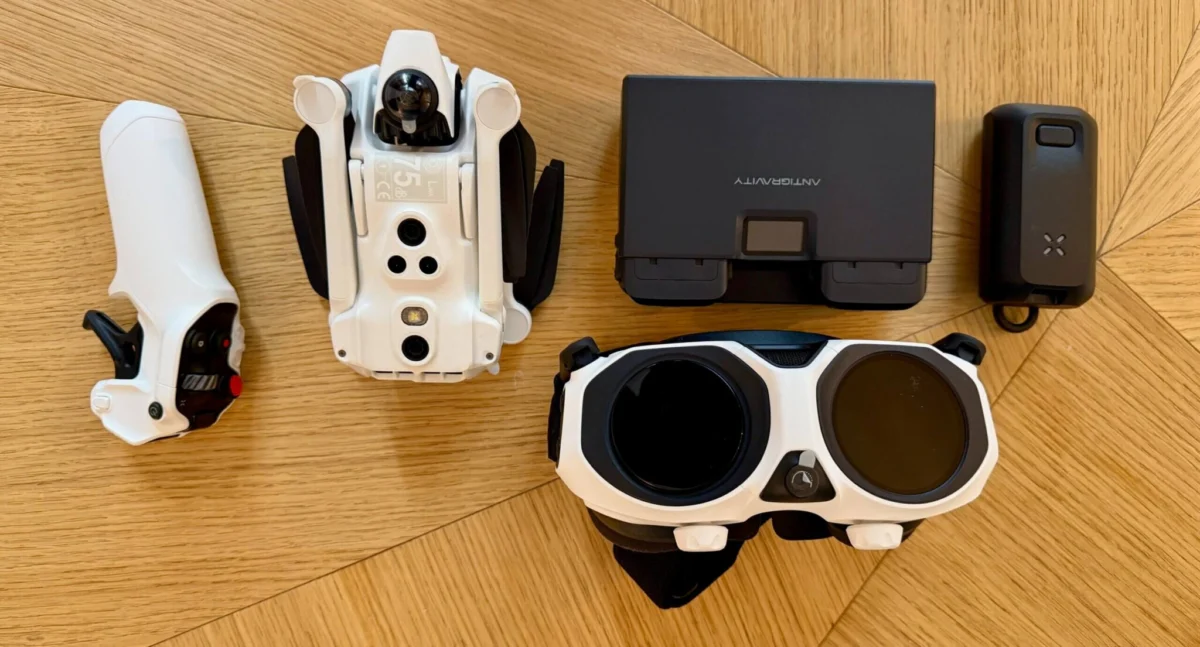
The landscape of aerial photography is undergoing a seismic shift. For years, the drone industry has been defined by the pursuit of larger sensors, mechanical gimbals, and increasingly complex flight stabilization systems. However, a disruptive newcomer, the Antigravity A1, is challenging these conventions by effectively rendering the traditional gimbal obsolete. Released in late 2025, the A1 has garnered significant attention from travelers and professional creators alike, promising a "fly now, frame later" workflow that fundamentally changes how we capture the world from above.
Main Facts: Redefining the Drone Experience
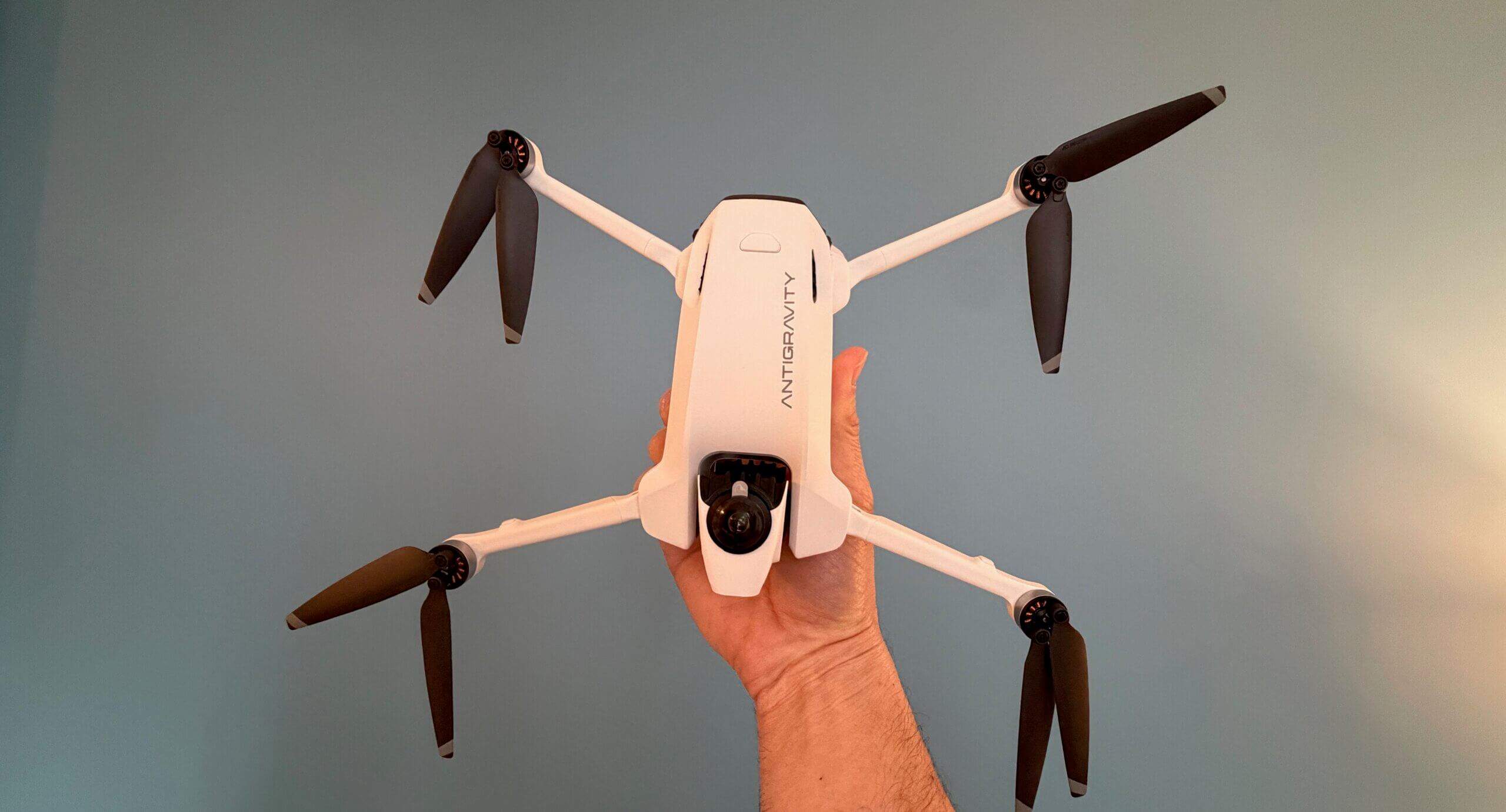
The Antigravity A1 is not merely an iteration of existing technology; it is a conceptual departure from the standard single-lens drone. At its core, the A1 utilizes a dual-lens 360-degree capture system. By positioning two ultra-wide-angle lenses on the top and bottom of the central fuselage, each recording a 200-degree field of view, the drone stitches together a seamless 360-degree sphere.
This architecture solves the age-old problem of framing. In traditional drone photography, the pilot must simultaneously navigate the craft and control the camera gimbal to achieve a cinematic shot. With the A1, the pilot’s primary responsibility is navigation, while the cinematic "directing" happens in post-production. The drone is digitally removed from the final export, creating an "invisible camera" effect that produces stabilized, immersive footage previously reserved for high-budget productions.
Chronology: The Evolution of the A1
The trajectory of the Antigravity brand represents a rapid maturation in the consumer drone sector:
- Mid-2024: Early leaks and prototype testing hinted at a drone capable of "omni-directional" recording, sparking speculation within the FPV (First Person View) community.
- Late 2025: Official launch of the A1. The product immediately drew acclaim for its weight-conscious design, specifically engineered to hover at the 249-gram threshold.
- Early 2026: Widespread adoption among travel influencers and adventure filmmakers, who noted the device’s resilience in harsh environments and its unique, smartphone-sized portability.
- Present Day: The A1 has moved from a niche "pro-sumer" tool to a standard piece of gear for solo content creators, signaling a broader industry trend toward AI-assisted, multi-directional capture.
Supporting Data: Technical Specifications and Performance
The technical prowess of the A1 is best understood through its hardware and software synergy.
Sensors and Optics
The A1 features dual 1/1.28-inch CMOS sensors. While purists may point to the 1-inch sensors found in larger "Pro" drones, the A1’s sensors are significantly larger than those found in standard 360 action cameras. This results in superior low-light performance and a broader dynamic range, allowing the camera to retain detail in high-contrast environments—such as direct sunlight against deep shadows—which is critical for outdoor aerial work.
Regulatory and Physical Design
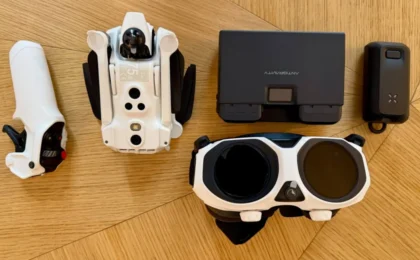
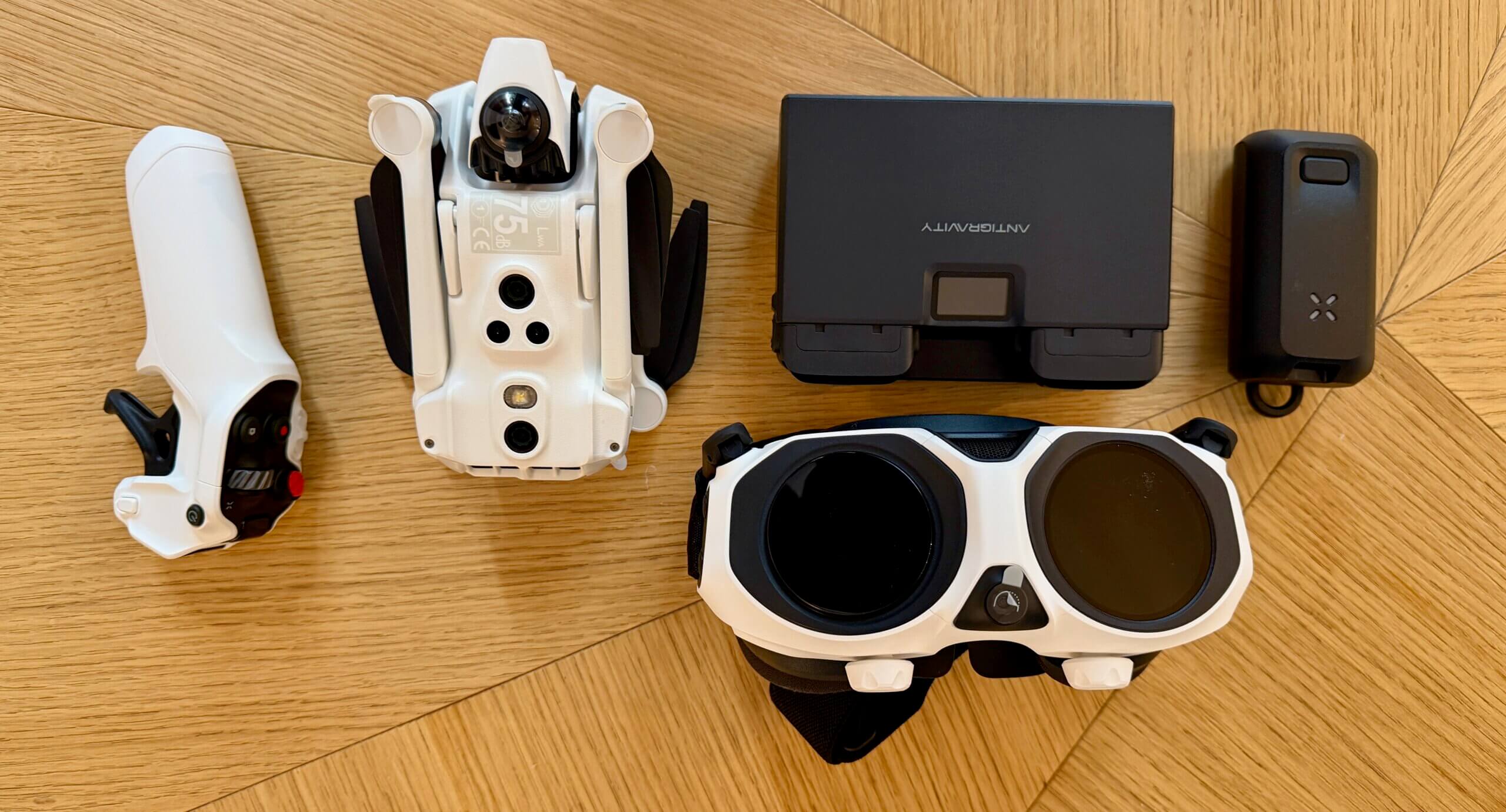
Antigravity’s decision to calibrate the A1 at exactly 249 grams is a masterstroke of design. By staying under the 250-gram limit, the drone bypasses the most stringent commercial registration requirements in many jurisdictions, making it an ideal companion for the nomadic traveler. The build quality, utilizing carbon-fiber-reinforced polymer, provides a superior strength-to-weight ratio, allowing the device to fold down to the size of a large smartphone.
The "Vision Goggles" Experience
The flight experience is elevated by the A1’s Vision Goggles, which offer dual 4K micro-OLED displays with a 120Hz refresh rate. Because the drone is capturing a full sphere, the head-tracking integration allows the pilot to look around the environment in real-time. Turning one’s head to the left or right pans the feed accordingly, offering a level of spatial awareness that fixed-lens drones cannot match.
Official Responses and Industry Reception
Industry analysts have characterized the A1 as a "disruptor" that forces major legacy drone manufacturers to re-evaluate their product roadmaps. In official communication regarding the drone’s release, Antigravity emphasized that the A1 was designed specifically for "the solo creator who cannot afford a camera crew."
Professional FPV pilots, initially skeptical of the "motion-controlled" flight system, have largely embraced the A1’s versatility. While it maintains support for "Mode 2" stick controllers for traditionalists, the intuitive nature of the one-handed motion controller—which mimics the natural inclination of the wrist—has proven highly effective for beginners.
However, the product is not without its caveats. The company acknowledges that the dual-lens system is inherently more delicate than a protected single-lens housing. Repairs to the exposed glass elements of the A1 remain a significant point of consideration for users operating in rugged, off-grid environments.
Implications for the Future of Filmmaking
The implications of the Antigravity A1 are twofold: one for the creator, and one for the audience.
For the Creator: Creative Liberation
The shift from "piloting and filming" to "directing in post" is the most significant development in aerial cinematography since the introduction of the GPS-stabilized drone. The "Antigravity Studio" app allows users to download footage at 80MB/s and reframe it using their smartphone’s internal gyroscope. Furthermore, the AI-powered "Auto-Frame" feature identifies subjects and generates a cinematic cut automatically. For a solo creator, this effectively provides a virtual cameraman, ensuring that the subject stays in focus regardless of how the drone is maneuvered.
For the Audience: The Rise of Immersive Content
By bridging the gap between traditional cinematography and the immersive nature of VR, the A1 is changing the way audiences consume travel content. Viewers are no longer limited to a fixed perspective; they are witnessing an environment that feels tactile and explorable.
Battery and Flight Dynamics: A Balanced Compromise
Battery life remains the primary constraint. In real-world conditions, the A1 delivers approximately 20 minutes of flight time. While this may seem brief, the "work per minute" ratio is significantly higher than that of a traditional drone. Because the A1 records everything simultaneously, a single flight captures the data that would previously have required multiple flights at different angles.
The inclusion of "Turtle Mode"—which allows the drone to flip itself over using its propellers after a crash—is a critical feature that highlights the drone’s focus on longevity and ease of use in the field.
Conclusion: An Essential Toolkit Addition
The Antigravity A1 is arguably the most exciting piece of technology in the current drone market. It successfully balances the demands of portability, ease of use, and professional-grade creative freedom. While it may not replace high-end cinema drones for feature-film production, it is an essential tool for the modern traveler.
By removing the friction of complex piloting and gimbal operation, Antigravity has allowed creators to focus on the most vital element of any production: the story. As we look toward the future of digital content creation, the A1 serves as a clear indicator that the next frontier is not just about flying, but about the seamless integration of AI, 360-degree capture, and intuitive human-machine interaction. For those looking to elevate their content beyond the traditional "sweeping aerial shot," the A1 is not just an accessory—it is a new way of seeing the world.