In a harrowing incident that has sent shockwaves through the aviation industry and heightened geopolitical tensions in the Middle East, a Flydubai flight carrying 174 passengers—the vast majority of whom were Israeli—narrowly escaped a catastrophic, deliberate crash on Wednesday. The flight, which was diverted to Saudi Arabia following a violent struggle within the cockpit, has been labeled an “attempted terrorist attack” by Israeli officials, with Prime Minister Benjamin Netanyahu pointing toward “Islamist radical indoctrination” as the catalyst for the near-tragedy.
The incident, which saw the aircraft plunge 17,000 feet in under a minute, was only mitigated by the extraordinary intervention of the flight captain, an Indian national, and a group of passengers who rushed the cockpit to neutralize the rogue co-pilot.
A Chronology of the Crisis
The flight, en route to Tel Aviv, was nearing its destination when the atmosphere inside the cockpit shifted from routine operation to a life-or-death struggle. According to flight tracking data from Flightradar24, the aircraft experienced a sudden, violent drop in altitude, plummeting 17,000 feet in a span of just 60 seconds.
The Mid-Air Assault
As the plane lurched, the co-pilot—an Omani national—allegedly launched a surprise attack on the flight captain, Smit Machchhar. The cabin descended into chaos as passengers, sensing the violent maneuvers, realized the aircraft was no longer being flown under normal parameters.
The Fight for Control
Miryam Shira Ohayon, a passenger aboard the flight, recounted the terrifying moments of instability. "The plane was pretty much out of control," she told reporters upon arriving in Israel. "The co-pilot tried to murder the pilot and basically carry out a suicide attack. It was really on the way to crashing, and it was simply the resourcefulness of many people who took control of the co-pilot and neutralized him."
The airline confirmed that off-duty crew members traveling as passengers were instrumental in intervening, helping to secure the flight deck and stabilize the aircraft before it reached a terminal altitude. The captain, despite sustaining stab wounds during the struggle, maintained sufficient composure to coordinate an emergency diversion.
The Emergency Landing
The aircraft made a forced emergency landing in Tabuk, Saudi Arabia. The sight of the plane touching down in a country that does not have formal diplomatic relations with Israel was a stark visual marker of the emergency’s severity. Saudi authorities acted swiftly, taking the injured captain to safety and placing the suspect under arrest before transferring him to an Emirati security team on Thursday morning.

Official Responses and Geopolitical Fallout
The international response to the incident has been swift, reflecting the gravity of an event that could have resulted in a death toll reminiscent of the September 11, 2001, terrorist attacks.
The Israeli Perspective
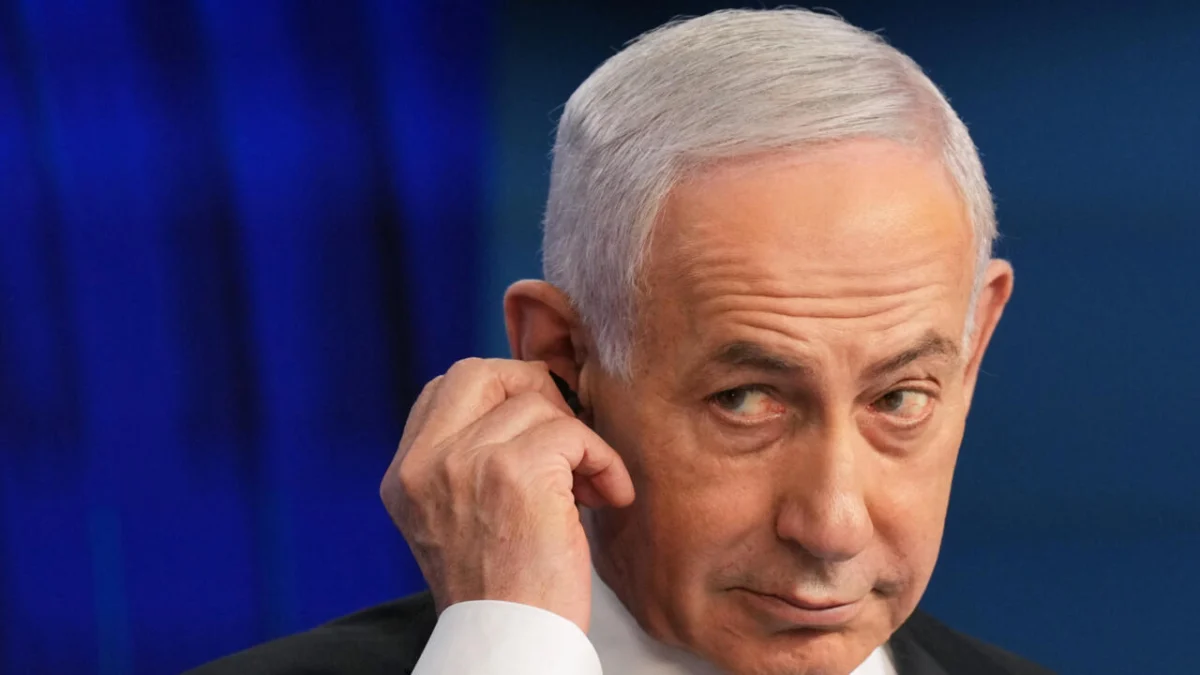
Prime Minister Benjamin Netanyahu has been vocal in his assessment of the event. Speaking on the "Fox & Friends" program, he stated, "We know that he underwent Islamist radical indoctrination." Netanyahu further revealed that the suspect, during the altercation, repeatedly shouted for the crew to kill him, leading investigators to believe the act was intended to be a suicide mission.
"We avoided a disaster similar to the September 11 attacks, with bodies scattered in the desert," Netanyahu warned. Israeli officials, including National Security Minister Itamar Ben Gvir and Defense Minister Israel Katz, have characterized the event unequivocally as a "jihadist" attack, fueling a debate in Jerusalem regarding security protocols for foreign nationals operating flights into Israel.
The Emirati and Saudi Investigation
The United Arab Emirates (UAE) Chief Prosecutor has launched a comprehensive investigation into the incident, specifically exploring links to "terrorist activity or intent." The UAE is currently coordinating with Saudi authorities to piece together the radicalization pathway of the Omani co-pilot. The airline, Flydubai, has announced a suspension of flights to Israel pending the outcome of these inquiries, citing the need to re-evaluate safety and security screening protocols.
Global Reactions
The heroism displayed by Captain Smit Machchhar has drawn global praise. Indian Prime Minister Narendra Modi hailed the pilot as a "hero," noting that his valor was the primary factor in preventing the loss of life. In Washington, President Donald Trump, after receiving a briefing from Netanyahu, remarked on the uncertainty of the motive, suggesting the suspect was "perhaps a terrorist or perhaps a whack job."
Supporting Data and Security Implications
The incident raises profound questions regarding international aviation security, particularly the vetting of personnel from nations that lack diplomatic ties with the destination country.
Vetting Protocols Under Scrutiny
Prime Minister Netanyahu admitted that Israel faces significant "constraints" regarding the screening of flight crews from certain regions. "We have constraints that say that you can’t have pilots from countries that don’t have diplomatic relations with Israel. Obviously, he was able to go through that," Netanyahu said. The admission highlights a systemic failure in the screening process, which will likely lead to a tightening of aviation security regulations for any carrier operating routes into Tel Aviv.

The Role of Technology and Human Intervention
Flightradar24 data provided the definitive timeline for the "out of control" period of the flight. The rapid loss of 17,000 feet indicates that the autopilot was likely disengaged and the aircraft was put into a steep dive—a maneuver that, if sustained for even a few minutes more, would have exceeded the structural limits of the airframe or resulted in a high-speed impact with the ground. The intervention of the passengers and off-duty crew prevented a "controlled flight into terrain" (CFIT) scenario.
The Human Cost and Recognition
While the physical aircraft survived the ordeal, the psychological toll on the 174 passengers is immense. Israeli President Isaac Herzog has announced plans to honor the five individuals who led the charge to neutralize the attacker with state-sanctioned "heroism awards."
"Their bravery saved 174 souls from a dark, premeditated act of evil," the President’s office stated.
The wounded captain, Smit Machchhar, remains under medical observation. Reports from the Indian Embassy in the UAE indicate that he is in "good health and recovering well," a testament to the robust medical response provided by Saudi and Emirati authorities immediately following the landing.
Implications for Future Travel
The events of this week have already begun to reshape the landscape of regional travel.
- Aviation Security: Airlines flying into Israel are expected to face rigorous new demands for cockpit security, potentially including mandatory armed marshals or enhanced background verification for all crew members, regardless of their nationality.
- Diplomatic Relations: The cooperation between Saudi Arabia, the UAE, and Israel in the immediate aftermath of the crisis—countries with complex and varying levels of diplomatic engagement—is being viewed by some analysts as a unique moment of regional security coordination.
- The Radicalization Narrative: The incident has reignited the debate over the influence of extremist ideologies within the professional ranks of the aviation industry. Intelligence agencies across the Middle East are expected to launch wider audits of flight crew backgrounds to ensure that radicalized individuals are not utilizing their positions to carry out acts of terror.
As the investigation continues, the world watches to see how the aviation industry will fortify itself against the threat of "insider" attacks. For the passengers who landed safely in Tel Aviv, the event serves as a harrowing reminder of how thin the line is between a routine flight and a global tragedy. The heroism of those aboard not only saved lives but effectively denied the perpetrator the "spectacular" act of violence he intended to commit.
For now, the skies remain quiet for Flydubai’s Israeli routes, but the conversation regarding the safety of the open skies is louder than ever. The focus remains on the "why" and "how"—how a radicalized individual bypassed international security measures, and why the global community must now rethink the very architecture of flight deck safety in an era of heightened geopolitical instability.