Executive Summary: A Bold Legislative Stance
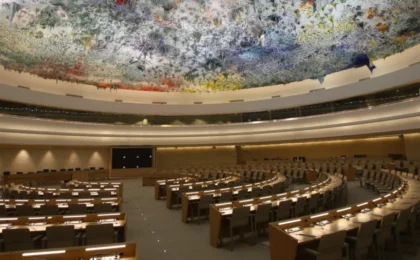
In a definitive move signaling a hardening of European foreign policy toward the Hong Kong Special Administrative Region (SAR), the European Parliament overwhelmingly adopted a resolution on Thursday addressing the deteriorating human rights landscape in the territory. With a decisive vote of 459 in favor, 12 against, and 86 abstentions, the legislative body has called upon the Council of the European Union to implement targeted sanctions against Hong Kong and Chinese officials. The resolution marks a significant escalation in international scrutiny, specifically targeting the application of the National Security Law (NSL) and the subsequent National Security Safeguarding Ordinance.
The resolution serves as a direct challenge to Beijing’s governance model in Hong Kong, demanding the immediate repeal of legislation that the European Union views as a systematic dismantling of civil liberties, judicial independence, and the rule of law that once defined the city.
Chronology of Legislative and Judicial Erosion
To understand the gravity of the European Parliament’s recent resolution, one must examine the rapid legislative transformation of Hong Kong’s legal environment over the past six years.
The 2020 Pivot: The National Security Law
In June 2020, Beijing imposed the National Security Law on Hong Kong, bypassing the local Legislative Council. This legislation effectively criminalized acts of secession, subversion, terrorism, and collusion with foreign forces. Critics, including international legal scholars and human rights watchdogs, argued that the law was drafted with broad, ambiguous definitions that allowed for the suppression of peaceful dissent.
The 2024 Hardening: The Safeguarding Ordinance
The legislative pressure increased significantly in 2024 with the introduction of the National Security Safeguarding Ordinance (Article 23). This supplementary legislation further tightened controls over espionage, state secrets, and external interference. The combination of the 2020 NSL and the 2024 Ordinance has created a legal framework that has fundamentally altered the territory’s socio-political fabric, leading to the closure of pro-democracy news outlets, the disbanding of civil society organizations, and the mass exodus of political activists.
June 2026: The Current Wave of Repression
The resolution comes at a time of heightened judicial activity. Since June 2026, the situation has intensified, with official data cited in the European Parliament’s report indicating that more than 400 individuals have been arrested and over 180 convicted under these security laws in a span of just a few months. This period has seen the high-profile detention of booksellers, the sentencing of prominent labor and human rights activists, and the finalization of long-term prison sentences for media figures who once championed the city’s free press.
Supporting Data: The Human Cost of Policy
The resolution highlights specific cases that have become symbols of the erosion of rights in Hong Kong. By focusing on individual cases, the European Parliament aims to personalize the impact of these legal instruments.
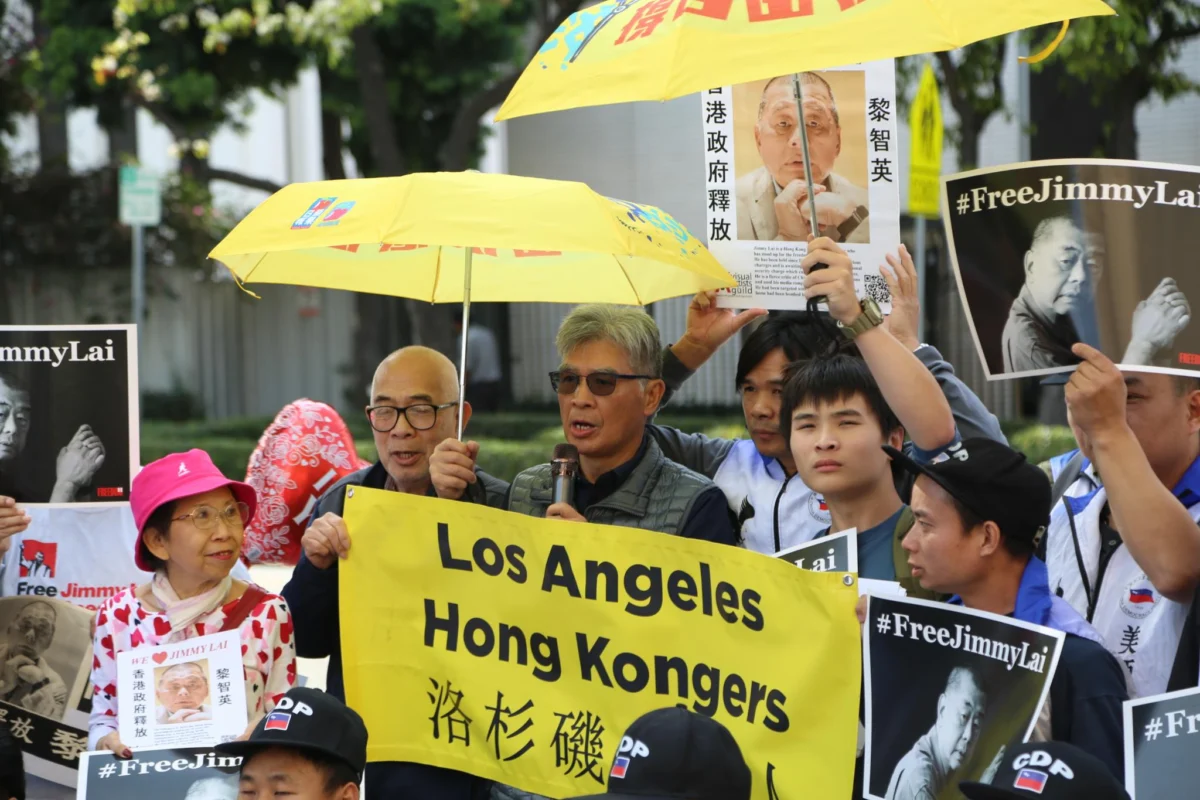
- The Case of Jimmy Lai: The media tycoon and founder of Apple Daily remains a central figure in this conflict. His 20-year sentence has drawn international condemnation, representing, to many in the West, the death of a free press in Hong Kong. His decision not to appeal his national security conviction—a move interpreted by analysts as a loss of faith in the current judicial process—has cemented his status as a prominent political prisoner.
- The June 2026 Arrests: The detention of bookseller Leticia Wong in June 2026 brought international attention back to the suppression of intellectual freedom. Her arrest, linked to sedition probes involving independent bookstores, highlights the government’s focus on controlling information and discourse.
- Sentencing of Activists: The sentencing of Lee Cheuk-yan, Chow Hang-tung, and Albert Ho serves as a reminder of the government’s commitment to silencing the veteran pro-democracy movement. These individuals, who were once the architects of peaceful political advocacy, are now serving time under statutes that the European Parliament deems incompatible with international human rights standards.
The quantitative data—400 arrests and 180 convictions since June 2026—provides a chilling backdrop to these individual stories, suggesting a systemic and rapid acceleration of state-led prosecution.
Official Responses: A Clash of Sovereignty
The European Parliament’s resolution has triggered a swift and sharp reaction from Beijing, framing the legislative action as a breach of international norms regarding sovereignty.
The Chinese Perspective
A spokesperson for the Chinese Mission to the European Union expressed "strong dissatisfaction and firm opposition." The official response argued that:
- Non-Interference: The resolution is characterized as "flagrant interference" in China’s internal affairs. Beijing maintains that the management of Hong Kong is a sovereign prerogative.
- Rule of Law: Beijing defends the actions of the Hong Kong judiciary, insisting that the city remains a society governed by the rule of law. According to this view, the arrests and convictions are not politically motivated but are necessary measures to hold individuals accountable for violating local laws.
- Judicial Independence: Chinese officials have urged the European Parliament to respect the judicial independence of the Hong Kong SAR, characterizing the EU’s concerns as "irresponsible remarks" that threaten bilateral relations.
The European Perspective
In contrast, the European Parliament asserts that it has a moral and political obligation to speak out. The resolution is not merely a statement of opinion but a call to action. By invoking the EU Global Human Rights Sanctions Regime, the Parliament is signaling that the era of "business as usual" is coming to an end. Lawmakers have specifically requested that the European Commission examine the possibility of suspending Hong Kong’s separate membership in the World Trade Organization (WTO)—a move that would strike at the heart of the city’s status as an independent global trade entity.
Implications: The Future of EU-Hong Kong Relations
The adoption of this resolution carries profound implications for the future of international relations between the European Union, the People’s Republic of China, and the Hong Kong SAR.
The Threat of Targeted Sanctions
Should the Council of the European Union follow the Parliament’s recommendation to impose targeted sanctions, it would mark a significant shift in diplomatic posture. Sanctions typically involve asset freezes and travel bans on specific officials deemed responsible for human rights abuses. Such a move would likely lead to reciprocal measures from Beijing, potentially escalating into a broader trade or diplomatic dispute.
Economic and Trade Status
The call to reconsider Hong Kong’s status within the WTO is perhaps the most economically consequential aspect of the resolution. If the EU moves to challenge Hong Kong’s separate membership, it would be questioning the validity of the "One Country, Two Systems" framework on an international stage. This could discourage foreign investment and further isolate Hong Kong’s financial sector from European markets.
The Path Toward Diplomatic Stagnation
The rhetoric exchanged between Brussels and Beijing suggests a deepening diplomatic impasse. As the European Parliament continues to push for the release of political prisoners and the repeal of national security legislation, Beijing remains steadfast in its defense of the laws, viewing them as essential to the stability of the territory.
Moving Forward: The Role of Follow-Up Mechanisms
While the resolution has been formally adopted, its efficacy will depend on the "follow-up monitoring mechanisms" mentioned in the Parliamentary record. The European Parliament has signaled its intent to keep the human rights situation in Hong Kong on the agenda, ensuring that the legislative body remains a persistent critic of the current administration.
The coming months will be critical. Whether the European Commission chooses to act on the request for sanctions will determine whether this resolution is a purely symbolic protest or the catalyst for a significant and lasting shift in the geopolitical landscape of East Asia. For the people of Hong Kong, the international attention brings both hope for recognition and fear of further domestic repercussions as the divide between the city’s governance and international democratic standards continues to widen.