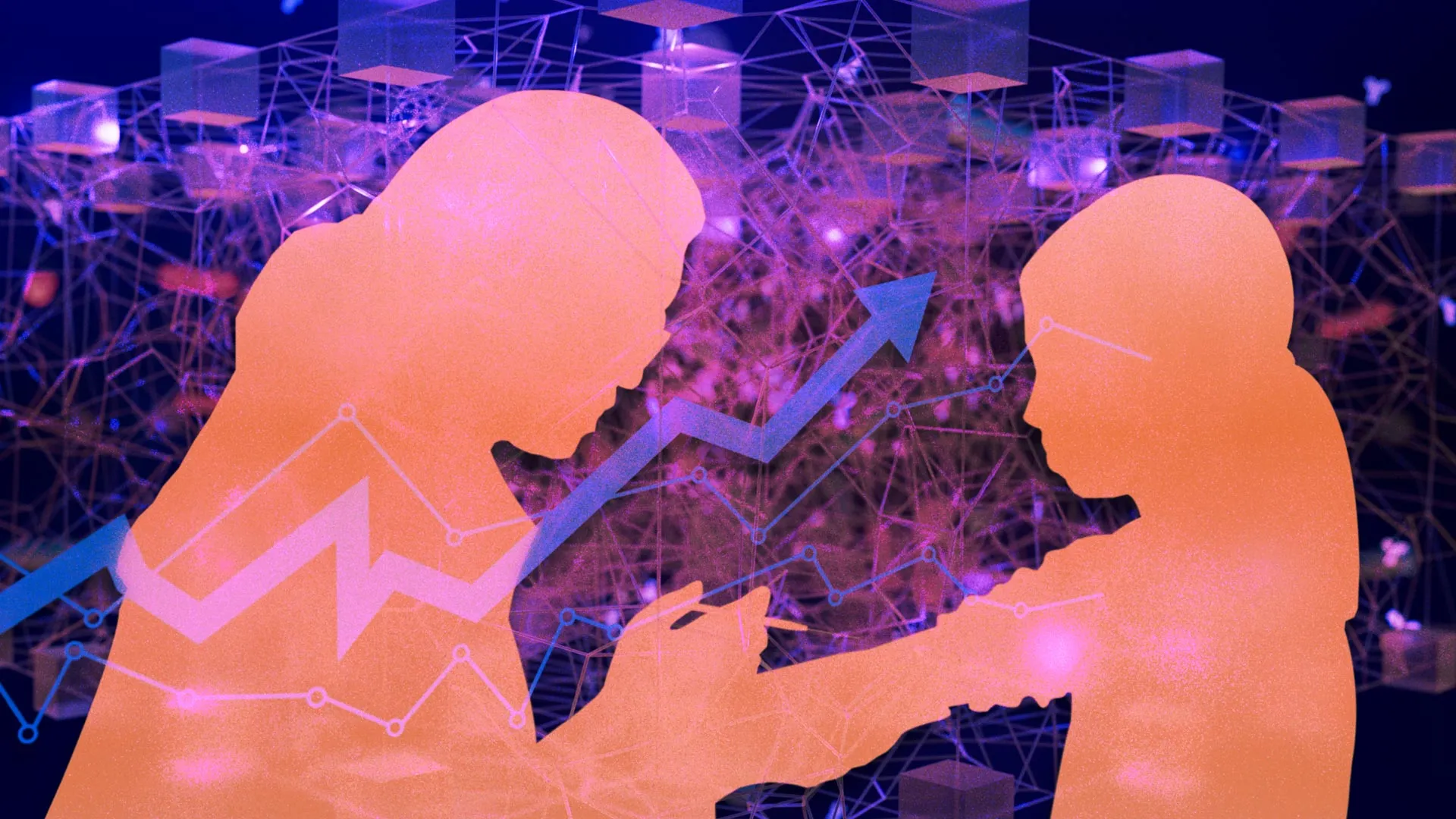
For decades, the standard protocol for gauging the success of a vaccine has been reactive: administer the dose, wait for the immune system to cycle through its complex machinery, and then measure the resulting antibody levels weeks later. However, a groundbreaking study led by Arizona State University (ASU) suggests that the era of "one-size-fits-all" immunology may be nearing its end. By leveraging the power of artificial intelligence to decode the body’s "immune fingerprint," researchers have uncovered a method to predict an individual’s vaccine response before they even receive the shot.
This shift from reactive monitoring to predictive modeling could revolutionize public health, offering a path toward personalized vaccination strategies that account for the vast, often invisible, biological differences between individuals.
The Main Facts: A New Frontier in Immunological Prediction
The study, published in the journal Cell Press Blue, represents a significant departure from traditional diagnostic methods. Rather than looking for a single marker of health, the research team analyzed the "antibody landscape" of more than 4,000 individuals. By measuring levels of antibodies targeting 185 distinct antigens—ranging from common seasonal viruses and bacteria to indicators of autoimmune conditions—the team established a baseline for each participant’s immune status.
The core discovery is the existence of "sentinel" antibodies. These are existing antibodies, developed from past exposures to common microbes like Staphylococcus aureus or Respiratory Syncytial Virus (RSV), that correlate with a robust response to the COVID-19 vaccine. These sentinel markers do not necessarily attack the COVID-19 virus directly; instead, they serve as a diagnostic proxy for the overall "preparedness" of the immune system’s antibody-producing machinery. When analyzed through deep learning algorithms, these markers provide a predictive window into how effectively a person’s body will translate a vaccine dose into lasting protection.
Chronology of the Research: From Data Collection to Digital Insight
The research project was a massive, multi-institutional undertaking that unfolded over several phases.
Phase 1: Recruitment and Sample Acquisition
The study involved a cohort of 4,089 participants, resulting in 8,687 blood samples. This group was intentionally diverse, featuring not just healthy volunteers, but individuals with significant medical challenges, including HIV, multiple myeloma, solid organ malignancies, and those who had undergone organ transplantation. By including these immunocompromised groups, researchers were able to test the limits of their predictive model against traditional assumptions of immune function.
Phase 2: The High-Throughput Screening
Using advanced, high-throughput technologies, the team screened these samples against 185 unique antigens. This allowed for a comprehensive mapping of each individual’s "antibody fingerprint."
Phase 3: Algorithmic Analysis
Once the biological data was digitized, the team deployed artificial intelligence. The deep learning models were tasked with searching for patterns that human analysts might miss—correlations between pre-vaccination antibody profiles and post-vaccination success. By comparing the "before" and "after" blood samples, the AI successfully identified signatures that differentiated high-responders from those who mounted weaker defenses.
Phase 4: Publication and Peer Review
The culmination of this data synthesis and algorithmic processing resulted in the findings currently detailed in Cell Press Blue, marking a milestone in the integration of AI into clinical immunology.
Supporting Data: Why "Healthy" Isn’t Always Enough
One of the most compelling aspects of this research is the debunking of the assumption that health status alone is a reliable predictor of vaccine efficacy.
Traditionally, clinicians have used broad categorizations to assess risk—age, sex, and underlying health conditions. While these factors are undeniably influential, the study found that they are often insufficient for predicting individual outcomes. For example, the researchers observed that being categorized as "immunocompromised" did not automatically equate to a poor vaccine response. Many individuals within these groups still mounted strong, effective defenses.
Conversely, the data revealed a startling reality: roughly 5% to 6% of participants who were categorized as "healthy" by traditional medical standards exhibited weak responses to the COVID-19 vaccine. This discrepancy underscores the limitations of using superficial health status to predict immune performance. The "antibody fingerprint" approach, by contrast, looks at the interconnected whole of the immune system, revealing that the history of an individual’s exposures is a more granular and accurate predictor of future performance than their current medical label.
Official Perspectives: The Vision for Personalized Medicine
Dr. Joshua LaBaer, the lead researcher on the study and executive director of the Biodesign Institute at ASU, emphasizes that this research is fundamentally about "immune readiness."
"What our study found is that certain biomarkers, when analyzed with AI, can predict who is likely to respond well to a vaccine, even before they receive it," Dr. LaBaer stated. "This suggests that some people may be more immune-ready than others."
By serving as the director of the Virginia G. Piper Center for Personalized Diagnostics, Dr. LaBaer brings a focus on actionable, patient-centered solutions. The project, which involved collaborators from across the United States, represents a move toward a "precision immunology" model. Instead of relying on a generalized population response, the medical community could eventually move toward a system where a simple blood draw prior to a vaccine appointment determines the optimal dosage, the need for a booster, or the requirement for additional protective measures.
Implications: A Future Defined by Individual Readiness
The implications of this study extend far beyond the context of COVID-19. If these findings are replicated and expanded, they could fundamentally alter the landscape of preventive medicine.
1. Tailored Vaccination Strategies
For patients who are identified as "less ready" by their antibody fingerprints, healthcare providers could implement customized strategies. This might include prioritizing these individuals for early access to vaccines, scheduling more frequent booster shots, or utilizing alternative delivery methods that are better suited to their unique immune profiles.
2. Streamlined Vaccine Development
By understanding the biomarkers associated with strong responses, pharmaceutical researchers could use these indicators to evaluate the efficacy of new vaccine candidates more quickly. Instead of waiting for long-term clinical trials to see who gets sick, developers could potentially use sentinel antibody signatures as early indicators of whether a new vaccine is "hitting the mark" across diverse demographics.
3. Protecting the Vulnerable
The greatest impact may be felt by those with underlying health conditions. By identifying which immunocompromised individuals are likely to respond to a standard dose and which ones are not, doctors can stop guessing. This reduces the risk of patients operating under a false sense of security after vaccination and ensures that those who need more help receive it immediately.
4. The Power of AI in Biology
Perhaps most importantly, this study serves as a proof-of-concept for the role of AI in biology. The human immune system is an incredibly dense, interconnected network of signals. Conventional statistical methods have historically struggled to map these relationships. The ability of AI to process millions of immune signals simultaneously to find subtle, non-linear patterns is a technological breakthrough that will likely catalyze further discoveries in how we treat infections, cancer, and autoimmune disorders.
Conclusion
The findings from ASU mark a pivotal moment in the transition toward truly personalized healthcare. By shifting our focus from the broad categories of our medical charts to the specific, nuanced history of our immune landscape, we are learning to anticipate the body’s needs before they arise. As Dr. LaBaer and his team continue to refine these models, we move closer to a future where vaccination is not just a shot in the dark, but a precise, individualized intervention designed to maximize protection for every person, regardless of their starting point. The "sentinel" antibodies of today may well be the keys to the public health strategies of tomorrow.