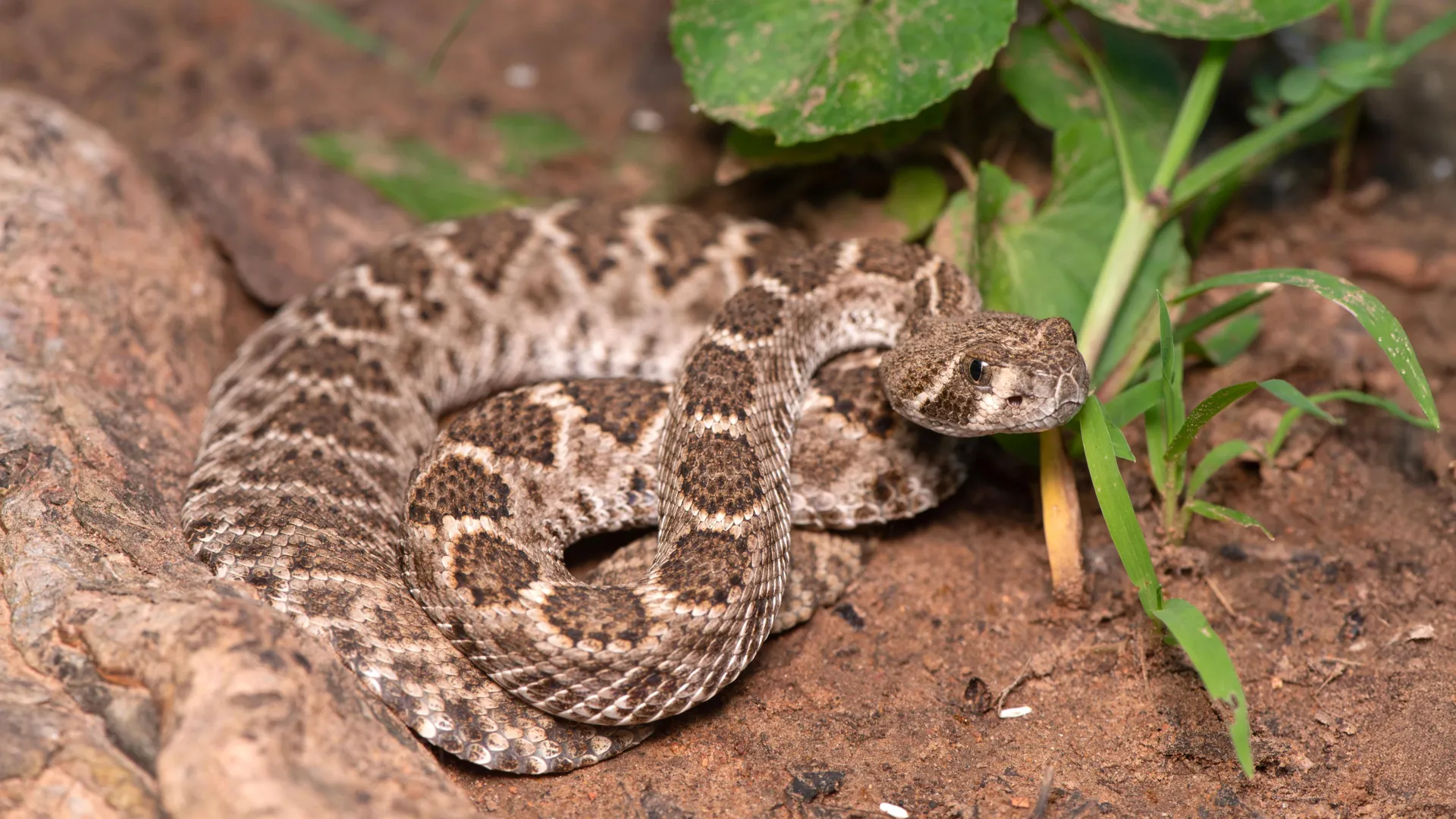
For decades, a pervasive piece of folklore has echoed through hiking trails, emergency rooms, and casual dinner conversations across North America: the belief that baby rattlesnakes are more dangerous than their adult counterparts. The narrative typically suggests that neonate snakes are “venom-loaded” and lack the ability to control their strike, allegedly dumping their entire venom supply into a single bite.
However, a comprehensive new study from the Loma Linda University School of Medicine has officially dismantled this long-standing myth. By tracing the history of the misconception and analyzing physiological data, researchers have concluded that adult rattlesnakes are, in fact, significantly more dangerous. Because adult snakes possess larger venom glands and the capacity to deliver higher volumes of toxins, their bites result in far more severe clinical symptoms than those of their younger, smaller offspring.
The Science of the Strike: Dispelling the Misconception
The study, published recently in the journal Toxins, serves as a corrective measure to decades of biological misinformation. According to the research team, led by Professor of Biology William Hayes, the foundational arguments of the “baby rattlesnake” myth are scientifically bankrupt.
Controlled Delivery vs. Unchecked Discharge
The central pillar of the myth is the assertion that juvenile rattlesnakes are unable to regulate their venom expulsion. The research team found no evidence to support this. Instead, their data confirms that baby rattlesnakes possess the same neural and muscular mechanisms to control venom release as adults.
Furthermore, the physical reality of anatomy dictates the severity of a bite. Adult rattlesnakes carry a substantially larger reservoir of venom. When a bite occurs, the volume of venom injected is directly correlated to the size of the snake and the depth of the puncture. Consequently, an adult snake’s bite is more likely to lead to life-threatening complications, including systemic envenomation that requires intensive medical intervention.
A Historical Retrospective: How the Myth Took Root
To understand why this myth became so deeply entrenched in the public consciousness, the Loma Linda team conducted a historical analysis of media coverage dating back to 1967.
The Media’s Role in Myth-Making
The researchers identified a distinct pattern in how the misinformation spread. During the 1970s, 1980s, and 1990s, news outlets in California were instrumental in amplifying the false narrative. By the turn of the millennium, the myth had permeated media organizations across the continent.
Interestingly, the study noted that much of the inaccurate reporting stemmed from anecdotal quotes provided by first responders—including firefighters, police officers, and emergency personnel—who, despite their bravery in the field, lacked specialized training in herpetology. These individuals were often cited as "authorities," lending a false air of legitimacy to a scientifically unfounded claim. Conversely, when journalists sought comment from university-based researchers and subject matter experts, the resulting articles were far more likely to contain accurate information.
The Turning Point
The tide began to shift around 2015. The study suggests that an uptick in public education and a greater emphasis on evidence-based reporting have gradually corrected the record. While the myth persists in some corners of the internet and public discourse, modern media coverage has become significantly more reliable in its depiction of rattlesnake biology.
The Human Cost: Real-World Implications
The persistence of this myth is not merely a trivial misunderstanding; it carries severe real-world consequences for both humans and wildlife.
Clinical Mismanagement
Perhaps the most alarming finding is the impact this myth has on medical care. The study highlights instances where medical professionals, influenced by the panic of patients or their families, have administered excessive or inappropriate treatments following a bite from a juvenile snake.
Professor Hayes notes that the fear surrounding “baby” bites often leads to unnecessary medical pressure. “We don’t want physicians or veterinarians to succumb to pressure from patients and families who insist on excessive medication after a bite from a baby rattlesnake,” Hayes said. He emphasizes that while all rattlesnake bites are medical emergencies requiring immediate attention, the clinical approach must be based on the actual severity of the symptoms, not the age of the snake. In every case, FDA-approved antivenom remains the gold standard and the only truly effective treatment.
Ecological Impacts
The myth also serves as a death sentence for snakes. When hikers and residents believe that a baby rattlesnake is a “ticking time bomb” of uncontrollable venom, they are far more likely to resort to lethal force.
“Misconceptions about rattlesnakes create unnecessary fear and frequently result in people harming or killing them,” the study stated. This reaction is particularly detrimental given that rattlesnakes play a critical role in the ecosystems they inhabit, acting as key predators that help control rodent populations. In recent years, rattlesnake populations have seen significant declines across many parts of the United States, partially due to human-snake conflict driven by unfounded fear.
Survey Data: The Scope of the Problem
The depth of the misinformation is startling. To gauge the prevalence of the myth, the researchers surveyed various groups, including students and healthcare professionals in Southern California.
- Student Beliefs: 53% of the surveyed Southern California students believed that baby rattlesnakes were more dangerous than adults.
- Professional Misconceptions: Even more concerning, 73% of the emergency responders and healthcare professionals who participated in the research held the same false belief.
These statistics demonstrate a massive failure in public awareness. When those tasked with treating snakebite victims are operating under the same myths as the general public, the potential for systemic error is high. The Loma Linda team hopes that their findings will serve as a catalyst for updated training protocols in hospitals and emergency services.
Conclusion: Toward a More Rational Understanding
The findings from Loma Linda University represent a significant step forward in human-wildlife coexistence. By “defanging” this myth, researchers hope to reduce the unnecessary panic that leads to human injuries and the senseless killing of native wildlife.
The Path Forward
The researchers offer a clear message:
- Respect, Don’t Fear: Rattlesnakes are not aggressive, nor are they "out to get" humans. They are defensive animals that generally prefer to remain hidden.
- Education is Key: The shift in media accuracy since 2015 is proof that when provided with expert-backed data, the public is capable of abandoning long-held myths.
- Medical Vigilance: If bitten, seek professional medical help immediately. Avoid home remedies or tourniquets, and trust in the established medical protocol of antivenom administration.
"This is an easily defanged myth that has generated dread, panic, and real-life consequences," said Professor Hayes. By replacing folklore with biological fact, the public can navigate the wilderness with a more accurate understanding of the risks involved, leading to safer interactions for both humans and the rattlesnakes that share our environment.
As the study makes clear, the danger of a rattlesnake lies not in its age, but in its ability to deliver venom—and in our own willingness to believe in stories rather than science. With this latest publication, the scientific community has provided the tools necessary to end the reign of a myth that has lingered far too long.