In the high-stakes world of global automotive manufacturing, the line between strategic partnership and national security risk has become increasingly blurred. Ford Motor Company, an icon of American industrial might, currently finds itself navigating a precarious political landscape, caught between the competing mandates of its own domestic expansion plans and the aggressive, protectionist posture of the Trump administration.
At the center of this firestorm is a direct demand from US Transportation Secretary Sean Duffy: Ford must sever its long-standing collaborative ties with Chinese battery giant CATL and automakers Geely and BYD. The mandate is framed through the lens of national security, with the administration arguing that reliance on Chinese technology is an untenable vulnerability for a pillar of the American economy. Ford, however, is pushing back, describing the directive as “wrongheaded” and highlighting the complex reality of modern automotive supply chains.
A Chronology of Escalating Tensions
The friction between Ford and the administration is not a sudden eruption but rather the culmination of months of mounting pressure.
- Early 2024: Ford accelerates the development of its BlueOval Battery Park Michigan, a facility in Marshall, Michigan, intended to produce cost-effective lithium-iron phosphate (LFP) batteries. The facility relies on a licensing agreement with CATL, a global leader in battery technology, which the Pentagon has previously flagged for alleged ties to the Chinese military—allegations that CATL continues to vehemently deny.
- Late 2024: The rhetoric from Washington intensifies. A coalition of automotive lobbying groups begins pressing Congress for a total ban on Chinese connected vehicles, arguing that the data-harvesting capabilities of modern cars pose an unacceptable risk to domestic security.
- Weeks Prior to Present: Commerce Secretary Howard Lutnick publicly commends Ford for its strategic shift to relocate Lincoln production from China to the United States by 2030, framing it as a “win” for domestic manufacturing.
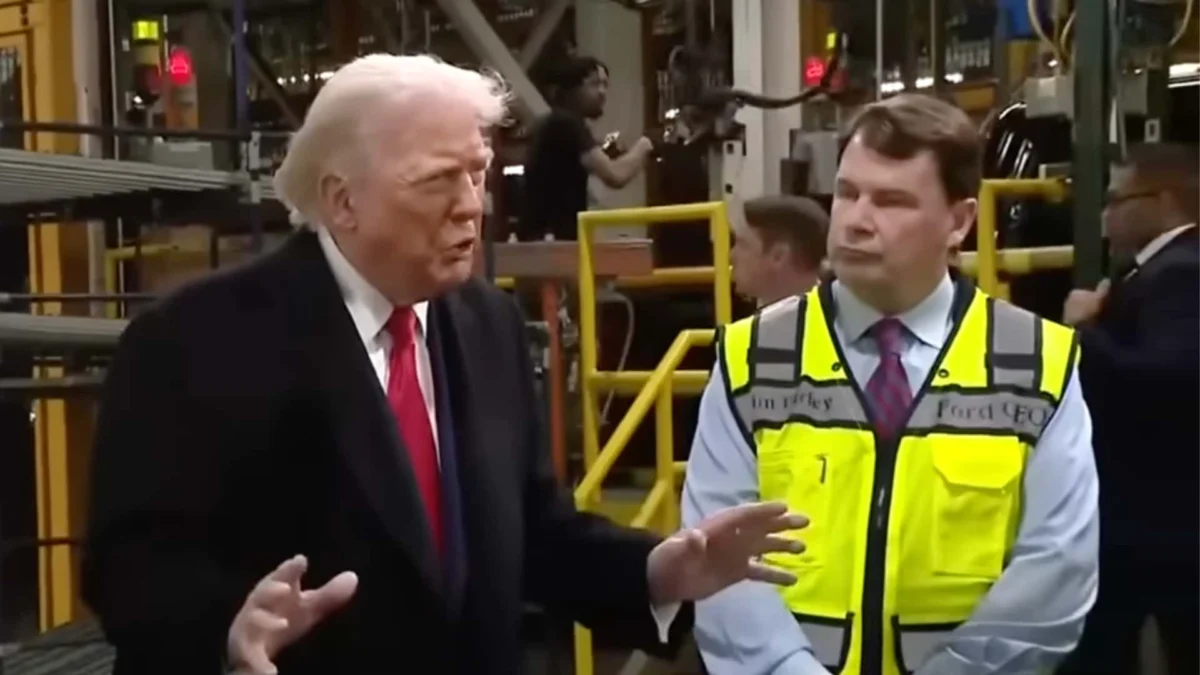
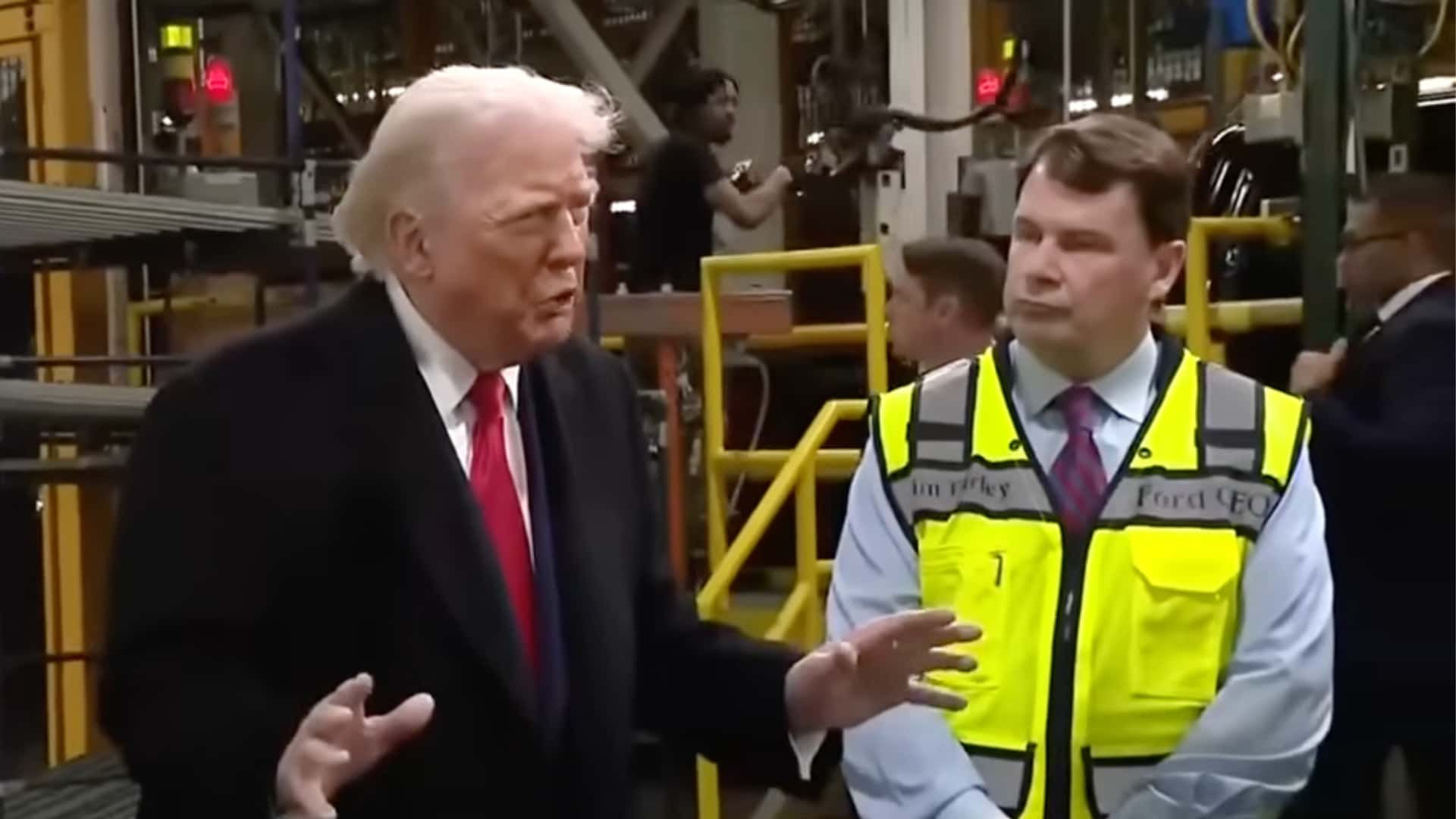
- The Current Standoff: Transportation Secretary Sean Duffy sends a formal letter to Ford CEO Jim Farley, explicitly demanding that the company divest from its partnerships with CATL, Geely, and BYD. The letter directly contradicts the previous praise from the Commerce Department, highlighting a fractured policy approach within the administration regarding how best to handle China’s role in the US automotive ecosystem.
Supporting Data: The Anatomy of the Dispute
The core of the disagreement lies in the BlueOval Battery Park Michigan. Ford maintains that its approach is the ultimate expression of domestic industrial policy. The company points out that it owns the plant outright, oversees the entirety of the manufacturing process, and staffs the facility with American labor. By licensing technology rather than relying on imported, pre-manufactured batteries, Ford argues it is effectively “importing the know-how” to build a domestic ecosystem.
However, the administration’s scrutiny extends beyond just the battery facility. Secretary Duffy has specifically targeted Ford’s joint venture with Geely in Spain, which is slated to begin manufacturing low- and zero-emission vehicles for the European market in 2027. The administration views these global entanglements as a backdoor for Chinese industrial influence, insisting that Ford’s reliance on foreign partners—even through licensing—weakens the United States’ long-term independence.
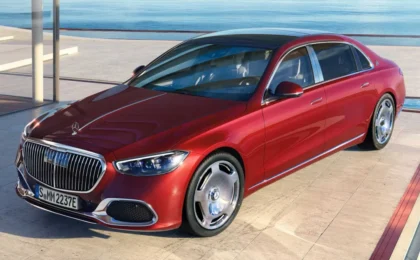
The Lincoln Nautilus serves as the primary case study for this tension. While Ford has committed to moving production of the model to the US by 2030, the administration finds this timeline “unacceptably slow.” Critics argue that in the five years remaining before this transition is complete, the brand remains tethered to Chinese assembly, creating a dependency that the current administration deems incompatible with its “America First” industrial doctrine.
Official Responses and Corporate Strategy
Ford’s response to the administration’s demands has been robust and unapologetic. In internal statements and public messaging, the company has characterized the pressure as a misunderstanding of the realities of global supply chain logistics. Ford argues that building a truly independent domestic supply chain for next-generation electric vehicles is an immense, multi-year undertaking that cannot be achieved by fiat.
“Our investment in Michigan is proof of our commitment to the very domestic manufacturing push the administration claims to prioritize,” a spokesperson for the automaker noted. Ford maintains that its licensing agreement with CATL is a legal, transparent, and necessary stopgap that allows the company to deliver affordable EVs to American consumers while simultaneously building the internal expertise required to eventually phase out that dependence.
The administration, conversely, remains steadfast. Secretary Duffy’s position is rooted in the belief that the window for “gradual transition” has closed. For the Department of Transportation, the presence of Chinese technology in any US-bound vehicle—whether through hardware or software—is a liability that outweighs the economic benefits of cost efficiency.
The Broader Implications: Navigating Geopolitical Risk
The situation facing Ford is a microcosm of a much larger shift in global trade. Automakers are currently caught in a “geopolitical vice.” On one side, they are pressured by regulators to accelerate the transition to EVs to meet environmental goals. On the other, they are restricted by national security policies that forbid the use of the most cost-efficient components, which are predominantly sourced from China.
1. The Threat of Legislative Action
The legislative outlook remains volatile. If Congress moves to codify the demands made by Secretary Duffy, automakers could face a wave of mandatory divestments. This would not only force Ford to abandon its current projects but could also trigger a retaliatory response from Beijing, potentially endangering Ford’s operations and market access within China.
2. The Cost of Decoupling
Decoupling the automotive supply chain is a capital-intensive process. If Ford is forced to replace its Chinese-linked technology partners on an accelerated timeline, the costs of research, development, and infrastructure will inevitably be passed on to the consumer. This threatens to dampen EV adoption rates at a time when the administration is simultaneously pushing for higher sales volumes.
3. The Future of Connected Vehicles
The debate over “connected vehicles” is likely to become the next front in this war. Because modern vehicles function essentially as computers on wheels, the software and data-sharing capabilities are now as critical as the chassis or the powertrain. The administration’s focus on banning Chinese connectivity suggests that even if Ford builds the car in Michigan, it may still face challenges if the software architecture is found to have roots in Chinese development.
A Critical Crossroads for Ford
For Jim Farley and his leadership team, the path forward is narrow. The company must balance its long-term strategic investments against a volatile political climate that can shift with a single letter or executive order. To succeed, Ford must demonstrate tangible, verifiable progress in its domestic sourcing while simultaneously maintaining the operational stability of its current manufacturing facilities.
The question remains whether the administration will adopt a more nuanced approach—distinguishing between licensing agreements and direct foreign ownership—or if it will pursue a total decoupling that could reshape the global automotive industry as we know it.
As it stands, the automotive sector is watching Ford closely. The company’s ability to navigate this conflict will serve as a bellwether for every other major manufacturer operating in the United States. If Ford is forced to fully sever its ties, it will signal a new era of industrial isolationism, one where the cost of domestic security is measured in billions of dollars and years of lost progress.
Ultimately, the clash between the Department of Transportation and Ford underscores a fundamental tension in modern governance: the desire for rapid technological advancement versus the desire for absolute sovereign control. For now, the stalemate continues, with Ford standing firm on its current course while Washington demands a total change in direction, leaving the future of the American EV industry hanging in the balance.