Introduction: The Physicality of Digital Finance
In the popular imagination, the world of cryptocurrency is often viewed as a series of ephemeral ones and zeros—a realm of abstract code existing only on decentralized ledgers. However, for the auditors at KPMG, the reality of digital finance recently took a much heavier, more tangible form. In a high-security cavern nestled within the Swiss Alps, accountants from the "Big Four" firm were tasked with a mission far removed from the typical desk-bound duties of their profession: verifying the existence of approximately 150 tons of physical gold bullion.
This "heavy-lifting exercise," as described by Tether CEO Paolo Ardoino, was the cornerstone of a comprehensive audit aimed at silencing years of skepticism. Tether, the issuer of the world’s most widely used stablecoin, USDT, has long been the subject of intense scrutiny and conspiracy theories regarding the validity of its reserves. The successful completion of this audit not only confirms the presence of the gold backing Tether’s popular gold-indexed token but also reveals a financial fortress that exceeds its liabilities by $6.8 billion.
As Tether moves to shed the "crypto" label and reposition itself as a global infrastructure and technology platform, this audit marks a turning point. It signals the transition of Tether from a controversial startup into a systemic pillar of the global economy, with ambitions that extend far beyond simple currency stabilization.
Main Facts: A Surplus of Stability
The findings of the KPMG audit provide a definitive look at Tether’s balance sheet, which has grown to a staggering $183 billion in USDT supply. For years, critics argued that Tether was a "black box," operating without the transparency required of a company managing such vast sums. The audit results, however, present a different narrative.
The Gold Standard Redux
Central to the audit was the verification of Tether’s gold reserves. Tether Gold (XAUt) is backed by physical bullion stored in Swiss vaults. KPMG confirmed that Tether holds 150 tons of gold, providing a physical anchor for its digital assets. In an era of high inflation and geopolitical instability, this "digital gold" offering has become increasingly attractive to investors seeking the safety of precious metals combined with the liquidity of the blockchain.
Over-Collateralization and Reserves
Beyond the gold, the audit confirmed that Tether’s total reserves exceed its liabilities by approximately $6.8 billion. This surplus acts as a massive financial cushion, designed to protect the peg of the USDT to the U.S. dollar even during periods of extreme market volatility or massive redemption requests. This level of over-collateralization is significantly higher than that of many traditional fractional-reserve banks, a point Ardoino and other Tether executives have frequently highlighted to demonstrate the company’s resilience.
Diversification of Assets
While the gold reserves are the most "physical" aspect of the audit, Tether’s broader portfolio remains heavily weighted toward high-liquidity assets. The company is one of the world’s largest holders of U.S. Treasury bills, placing it on par with many sovereign nations in terms of its exposure to American government debt. This strategy ensures that the company can meet redemptions instantly, maintaining the $1.00 peg that serves as the bedrock of the decentralized finance (DeFi) ecosystem.
Chronology: From "Rug Pull" Rumors to Institutional Validation
To understand the significance of the KPMG audit, one must look at the decade-long journey of Tether and the cloud of suspicion that has historically followed it.
- 2014–2017: The Early Days: Tether was launched as "Realcoin," aiming to solve the volatility problem of Bitcoin by pegging a token to the U.S. dollar. As USDT became the primary trading pair on global exchanges, questions began to arise about whether the company actually held the dollars it claimed to have.
- 2018–2021: Regulatory Scrutiny and FUD: This period was marked by legal battles and intense "FUD" (Fear, Uncertainty, and Doubt). The New York Attorney General’s office investigated the relationship between Tether and the Bitfinex exchange, eventually leading to a settlement in 2021. Critics frequently predicted a "mother of all rug pulls," suggesting that a lack of backing would lead to a systemic collapse of the entire crypto market.
- 2022–2023: The Shift Toward Transparency: Following the collapse of Terra/Luna and FTX, the demand for transparency in the stablecoin market reached a fever pitch. Tether began releasing quarterly attestation reports and moved toward hiring a "Big Four" accounting firm to conduct more rigorous audits.
- 2024: The KPMG Milestone: The recent audit represents the culmination of this transparency push. By opening its Swiss vaults and its balance sheets to KPMG, Tether has secured a "seal of approval" that makes the conspiracy theories of the past increasingly difficult to maintain.
Supporting Data: The Global Reach of Tether
Tether’s influence is not just measured in billions of dollars, but in the hundreds of millions of people who rely on it daily. According to Ardoino, Tether now boasts over 650 million users worldwide.
The Developing World Context
The growth of Tether is most pronounced in regions where national currencies are failing. In Africa and South America, citizens face rampant inflation and currency debasement. In countries like Argentina, Nigeria, and Turkey, USDT serves as a "digital life raft," allowing individuals to preserve their purchasing power in a dollar-denominated asset without needing access to traditional, often restrictive, banking systems.
Market Share and Dominance
As of mid-2024, Tether maintains a dominant lead in the stablecoin market. Its $183 billion market cap dwarfs competitors like USDC (Circle) and DAI (MakerDAO). This dominance is fueled by Tether’s deep integration into offshore exchanges and its growing utility as a medium of exchange in cross-border trade, particularly in emerging markets where the U.S. dollar is scarce.
Official Responses: Paolo Ardoino’s Vision for a "Post-Crypto" Tether
In discussions regarding the audit and the company’s future, CEO Paolo Ardoino has been vocal about his desire to move Tether beyond the narrow confines of the cryptocurrency industry.
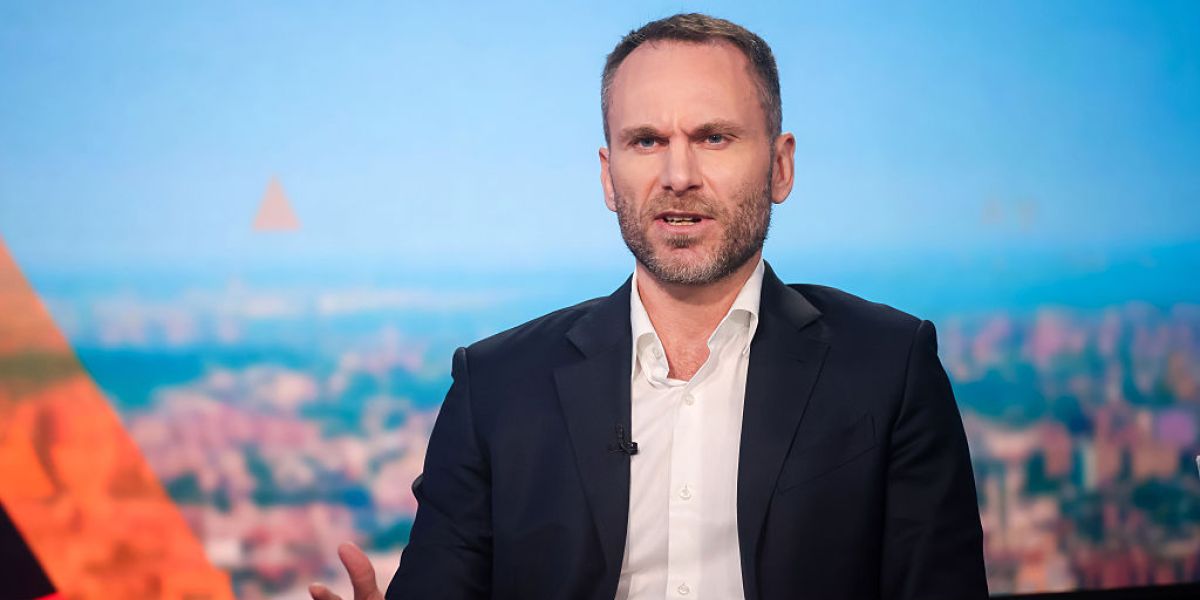
"It’s been a while since we’ve considered ourselves crypto," Ardoino stated. "I think that we are both a digital dollar company and a digital gold company."
This distinction is crucial. By framing Tether as a financial utility rather than a speculative asset, Ardoino is positioning the company for a future where it competes with traditional payment processors and central banks.
Addressing the "Intelligence Gap"
Ardoino has also expressed a broader social mission, particularly regarding the rise of Artificial Intelligence (AI). He warns of a burgeoning "intelligence gap" that could exacerbate existing wealth inequalities.
"My fear is this: We already have a huge wage gap that is creating instability in society. This cannot become a wealth gap multiplied by an intelligence gap," Ardoino warned.
To combat this, Tether is investing in decentralized AI infrastructure. The goal is to provide basic AI tools—health diagnostics, financial planning, and educational resources—that can run locally on the inexpensive smartphones used by Tether’s 650 million customers in the developing world.
Implications: A New Paradigm for Global Infrastructure
The implications of Tether’s audit and its subsequent pivot into AI and infrastructure are profound, touching on geopolitics, technology, and social equity.
1. The Transformation into a Tech Conglomerate
Tether is no longer just a financial service provider. In the last two years, it has diversified into:
- Decentralized Communication: Investing in peer-to-peer protocols that resist censorship.
- Energy and Sustainability: Developing solar-powered kiosks that provide off-grid electricity to impoverished regions for a few dollars a month.
- Agricultural Technology: Investing in sustainable farming initiatives to bolster food security.
- AI Services: Building "localized" AI models that don’t require the massive computing power of "frontier models" like GPT-4, making them accessible to the Global South.
2. Geopolitical Shifts and the U.S. Dollar
Tether’s massive holdings of U.S. Treasuries make it a significant player in the American debt market. While some regulators view stablecoins as a risk, others see them as a way to maintain the dollar’s global hegemony in a digital-first world. The fact that Tether is now being audited by a firm like KPMG adds a layer of institutional legitimacy that may soften the stance of global regulators.
3. The Broader Crypto Landscape
While Tether solidifies its position, the rest of the crypto market faces a mixed bag of developments, as reflected in recent headlines:
- Political Integration: Former President Trump’s "World Liberty Financial" recently won approval for a national trust charter from the OCC, signaling a move toward integrating crypto into the highest levels of U.S. political and financial life.
- Market Consolidation: Conversely, alt-coins are struggling, leading firms like Grayscale and Bitwise to cancel or close ETFs based on smaller tokens. This suggests a "flight to quality" where only the most established assets, like Bitcoin and USDT, thrive.
- Regulatory Engagement: The White House is increasingly active, convening meetings with executives from Coinbase, Ripple, and a16z. This indicates that while the "Clarity Act" has stalled, the dialogue between the industry and the state is intensifying.
Conclusion: The New Frontier of Decentralization
The KPMG audit of Tether is more than just a financial verification; it is a symbolic end to the "Wild West" era of stablecoins. By proving the existence of its 150 tons of gold and its multi-billion dollar surplus, Tether has established itself as a permanent fixture of the global financial architecture.
However, the true story is not what Tether has in its vaults, but what it plans to do with its influence. By pivoting toward decentralized AI, solar energy, and communication, Tether is attempting to fulfill the original, often forgotten promise of blockchain: to create a world where technology is not a gatekeeper of wealth, but a bridge to opportunity for the "unbanked" and the underserved.
As Paolo Ardoino suggests, the goal is to prevent the digital age from creating an insurmountable "intelligence gap." If Tether can successfully leverage its digital dollar and gold empire to provide basic technological infrastructure to the world’s poorest regions, it will have evolved from a controversial crypto startup into one of the most consequential companies of the 21st century. For now, the gold is there, the reserves are full, and the "gnomes" of KPMG have finished their heavy lifting. The world is watching to see what Tether builds next.