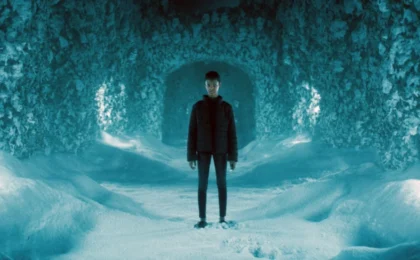
In the landscape of early 21st-century television, few creators left a mark as indelible as J.J. Abrams. Following the global phenomenon that was Lost—a show that redefined the "puzzle-box" narrative structure for a new generation—Abrams set his sights on a different kind of mystery. While Lost trapped its characters on a mysterious island, Abrams’ next major foray into television, Fringe, sought to trap its audience in a reality where the impossible was merely a scientific variable waiting to be solved.
Years after its conclusion, the series is finding a second life as it becomes available to stream for free on Pluto TV. For those who missed it during its initial broadcast run, or for those looking to revisit the labyrinthine corridors of the Fringe Division, the series remains a masterclass in blending high-concept speculative fiction with the grounded, beating heart of human emotion.
The Genesis of the Impossible: Main Facts and Origins
Premiering in 2008, Fringe was pitched as a spiritual successor to the procedural mystery shows of the 1990s, most notably The X-Files. The premise centers on the "Fringe Division," a clandestine FBI task force tasked with investigating cases that fall outside the purview of mainstream science.
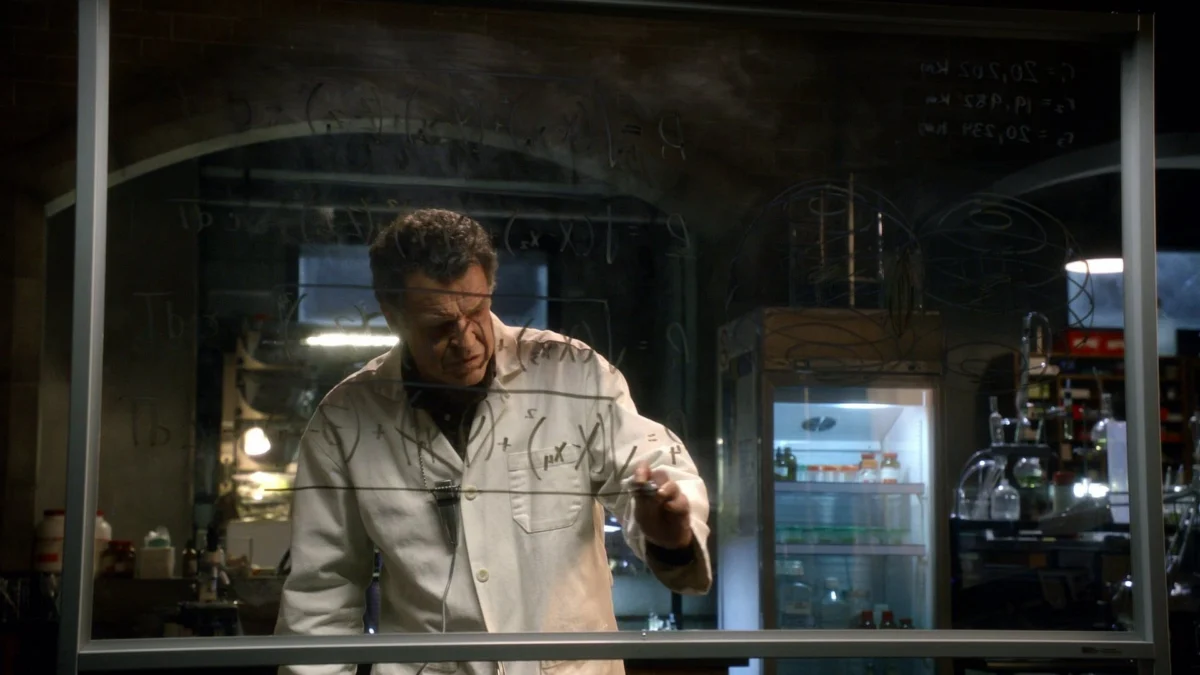
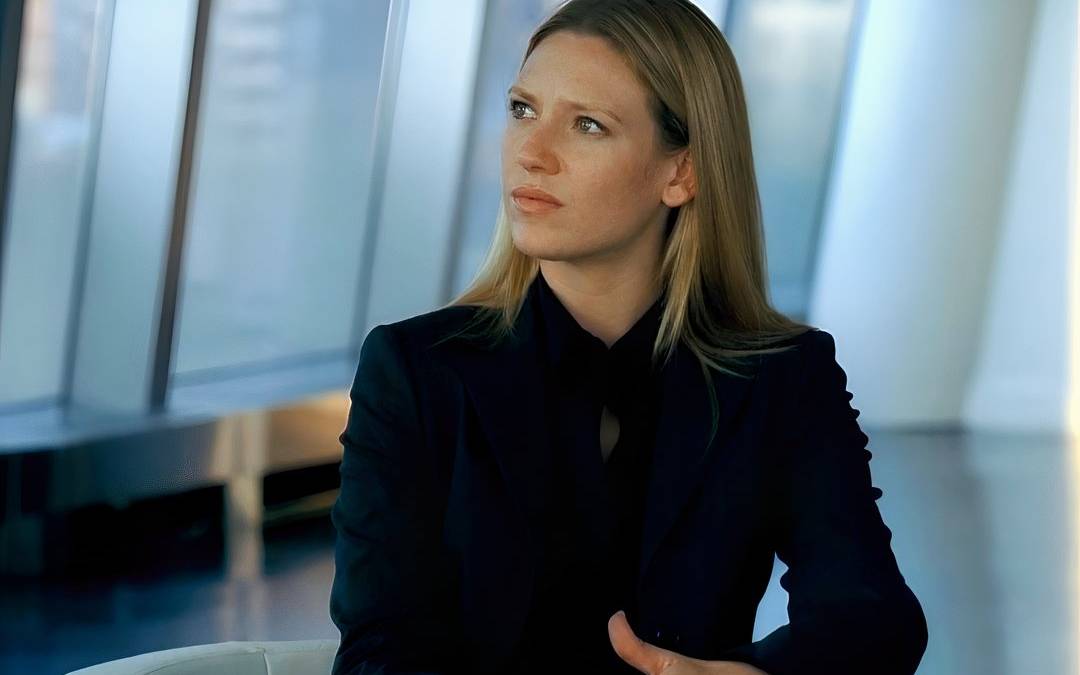
The series kicks off with a haunting, high-stakes incident: an international flight lands at Boston Logan Airport with every passenger and crew member dead, their bodies gruesomely liquefied. This event serves as the "patient zero" for a larger, multi-dimensional conspiracy. The core investigative trio features FBI Special Agent Olivia Dunham (Anna Torv), the brilliant but mentally fragile Dr. Walter Bishop (John Noble), and his estranged, cynical son, Peter Bishop (Joshua Jackson). Together, they operate out of a laboratory at Harvard University, navigating a world where quantum entanglement, teleportation, and biological warfare are not theories, but daily threats.
A Chronology of Chaos: From Procedural to Epic
To understand the evolution of Fringe, one must look at its structural shift over its five-season run.
- Season 1 (The Procedural Foundation): Initially, Fringe followed a "monster-of-the-week" format. Each episode introduced a new scientific anomaly, often linked to the enigmatic corporation Massive Dynamic. It established the rules of this universe: that science, when pushed beyond the ethical pale, could manifest as a monster.
- Seasons 2 and 3 (The Expansion of Reality): The narrative scope widened dramatically as the show introduced the concept of the "Parallel Universe." This wasn’t just a gimmick; it became the emotional engine of the show, exploring the rivalry between two versions of the same world. The discovery that Dr. Walter Bishop had stolen his own son from a parallel dimension to save his life shifted the show from a standard sci-fi thriller into a complex, Shakespearean family drama.
- Seasons 4 and 5 (The Existential Climax): The final chapters pushed the boundaries of time and space, moving into dystopian futures and recursive loops. By the time the series finale aired, Fringe had transitioned from a show about catching criminals to a profound meditation on sacrifice, destiny, and the power of parental love to alter the fabric of existence.
Supporting Data: Why ‘Fringe’ Endured
While Fringe was never the massive ratings juggernaut that Lost was, its staying power is evidenced by its cult status. Data from archival ratings and post-broadcast analytics reveal a specific trend: Fringe is one of the most "bingeable" series of its era.
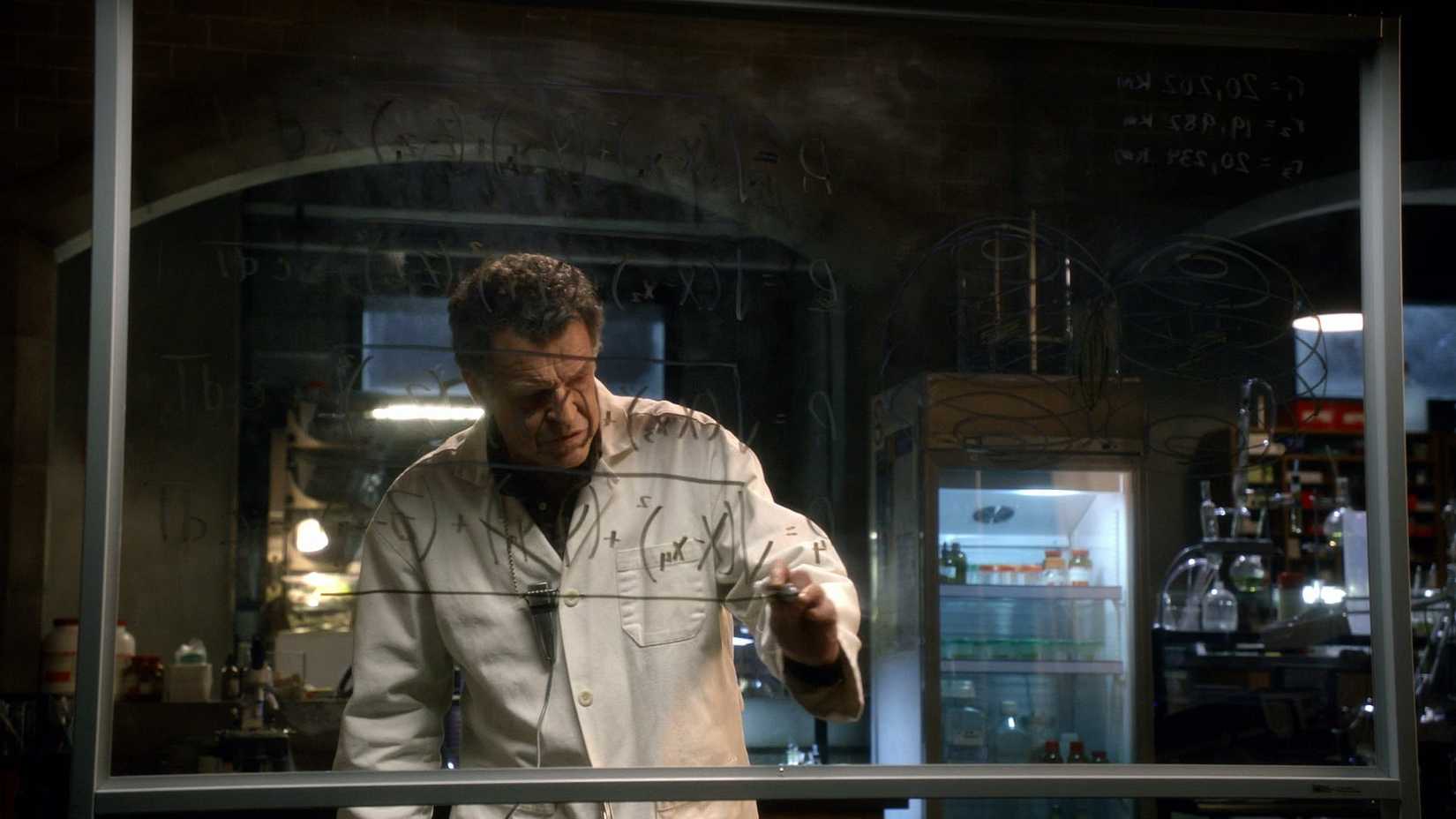
Unlike shows that require constant attention to a single plotline, Fringe managed to balance standalone episodes with a deep, overarching mythology. This "hybrid" model allowed it to survive on the bubble of cancellation for years, sustained by a passionate, vocal fanbase and critical acclaim for the performances—specifically that of John Noble, whose portrayal of Walter Bishop is widely considered one of the greatest acting feats in the history of science fiction. His ability to toggle between a terrifying, cold-hearted scientist and a senile, grieving father provided the "heart" that grounded the show’s more outlandish premises.
Official Perspectives: The Creator’s Vision
J.J. Abrams, alongside co-creators Alex Kurtzman and Roberto Orci, envisioned Fringe as a love letter to the "hard sci-fi" of the 1960s and 70s. In various retrospective interviews, Abrams has noted that Fringe was an attempt to make the "impossible feel tactile."

"We wanted to see what would happen if you took a group of people who were essentially broken and forced them to fix the world," Abrams stated in a 2012 press junket following the show’s finale. The production design—heavy on analog tech, neon-lit labs, and visceral, practical-effect-driven anomalies—was a deliberate choice to differentiate it from the sleek, digital look of other sci-fi shows of the time. The showrunners frequently cited the influence of The Twilight Zone, emphasizing that every "outlandish" episode needed to reveal something intimate about the characters.
The Implications: Science, Ethics, and Empathy
The most significant implication of Fringe is its exploration of the "ethics of discovery." Throughout the series, the audience is forced to ask: just because we can do something, should we?
Walter Bishop’s past sins—experimenting on children, creating cross-dimensional rifts, and altering reality—serve as a warning about the hubris of the scientific establishment. Yet, the show refuses to be purely cynical. It posits that science is only as dangerous as the human intent behind it. The "Fringe" itself—the boundary between the known and the unknown—is presented not as a place of fear, but as a place of infinite possibility.
Furthermore, the show’s legacy is seen in the current golden age of genre television. Shows like Dark, Severance, and The OA owe a significant debt to the groundwork laid by Fringe. It proved that mainstream audiences would engage with complex, non-linear storytelling if the emotional stakes were high enough.
A Modern Invitation: Streaming and Legacy
The fact that Fringe is now available to stream for free on Pluto TV is a significant development for new audiences. In an era of fragmented media consumption, the "binge-watch" model is perfect for this show. Because the series was designed to reward long-term investment, watching the episodes back-to-back illuminates the intricate foreshadowing that producers baked into the early seasons.
For the uninitiated, the show offers a "delightfully wacky premise with a lot of heart." For the seasoned fan, it offers the chance to see how the series’ "hard sci-fi" elements—like quantum entanglement and dimension-hopping—hold up in a modern context.
Fringe is not just a relic of the 2000s; it is a timeless exploration of what it means to be human in a universe that is often indifferent to our existence. Whether you are coming for the scientific mysteries or staying for the complex, moving relationships between the Bishops and Olivia Dunham, the series remains an essential watch.
As we look toward a future where artificial intelligence and biological engineering continue to push the boundaries of our own reality, the questions raised by Fringe—questions of identity, ethics, and the fragility of our world—have never felt more relevant. Now, with the entire series just a click away, there has never been a better time to step across the threshold and explore the Fringe.