The highly anticipated Rick and Morty spinoff, President Curtis, is set to premiere on Adult Swim on July 26, 2026. However, as the production team prepares for the launch, the show’s creators, Dan Harmon and James Siciliano, find themselves navigating an increasingly complex political landscape. In a candid Q&A session following a screening of the series pilot at the Annecy International Animation Film Festival, the duo admitted that the current climate of American politics has necessitated last-minute creative pivots, forcing them to scrap planned jokes that became inadvertently synonymous with the real-world actions of President Donald Trump.
For a show rooted in the cynical, high-concept science fiction of the Rick and Morty multiverse, the timing of the release is a double-edged sword. As the real-world presidency faces historic lows in public approval, the creative team is grappling with the thin line between escapist satire and uncomfortable reality.
The Genesis of President Curtis: From Side Character to Protagonist
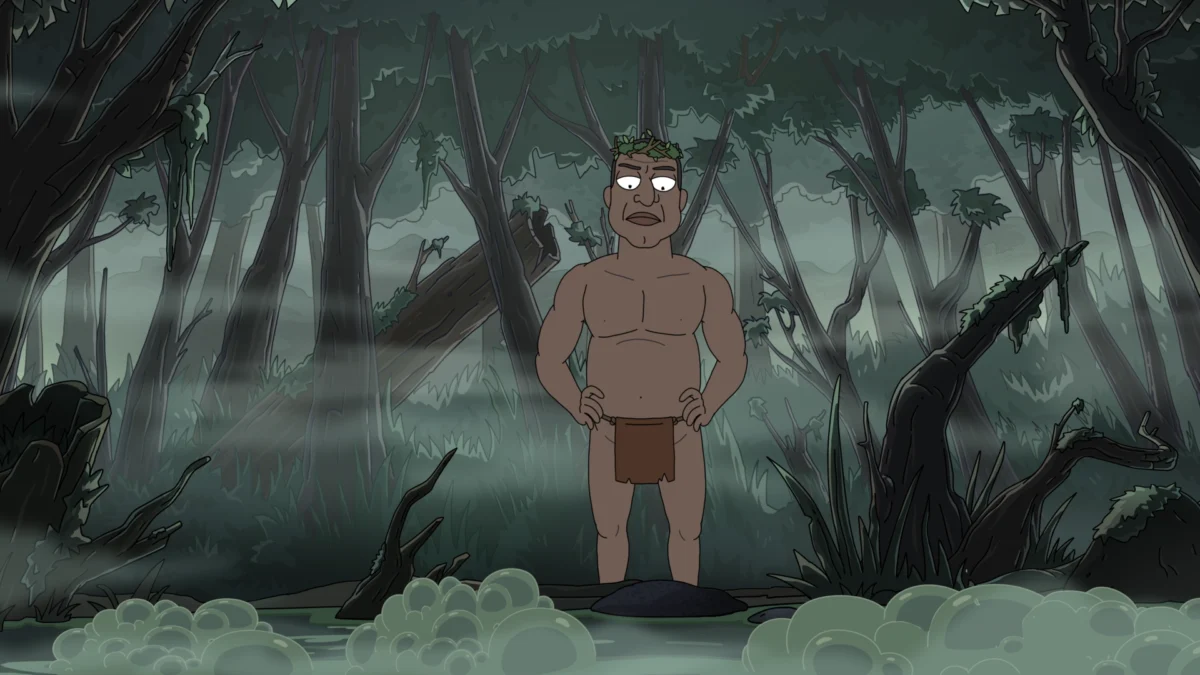
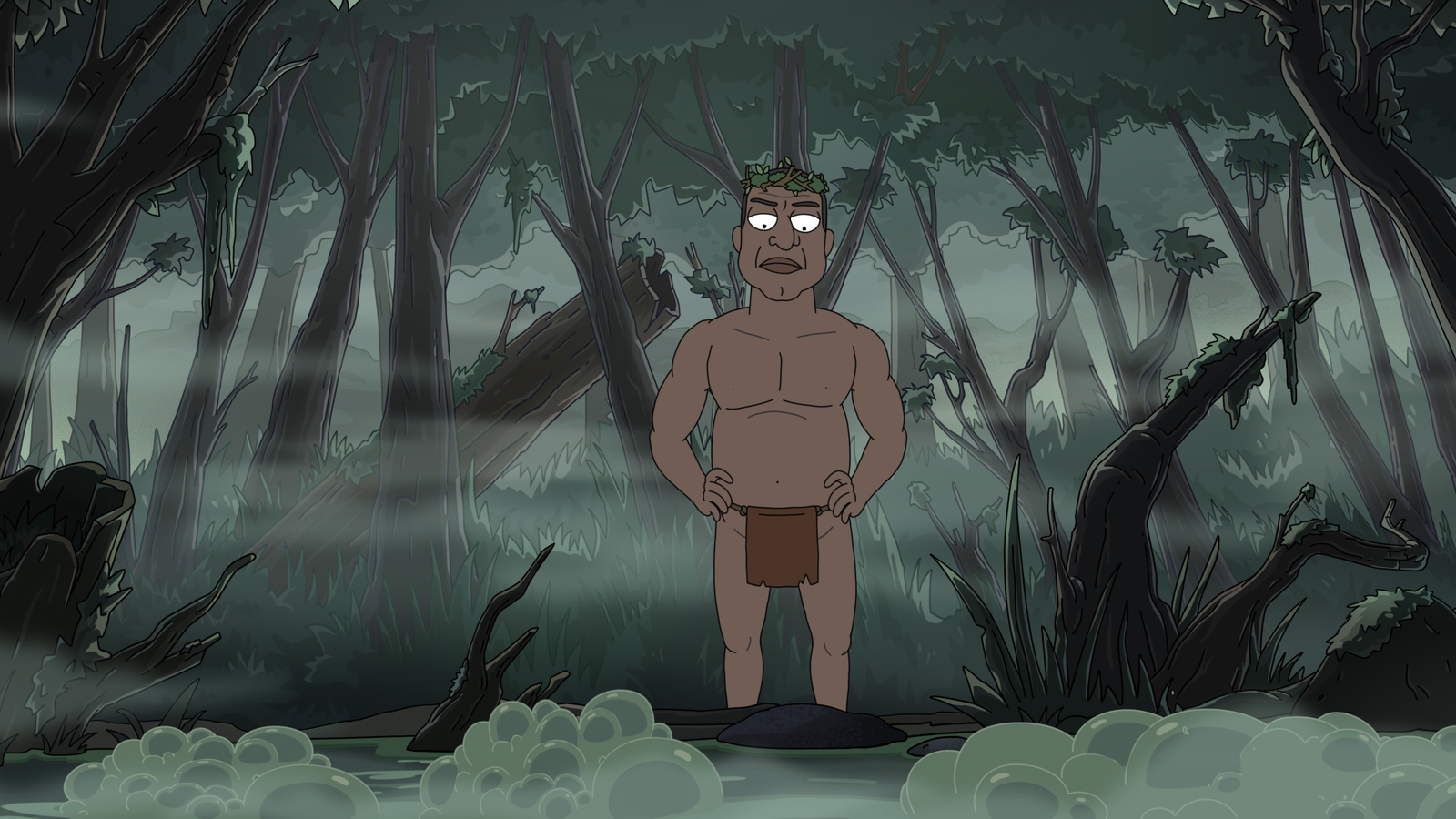
The journey of President Curtis began long before the current political cycle. The character, voiced by the incomparable Keith David, first made a lasting impression on fans during the Rick and Morty Season 5 episode, "Rick & Morty’s Thanksploitation Spectacular." In that outing, the President of the United States engaged in a high-stakes, hyper-violent, and deeply ridiculous conflict with Rick Sanchez.
At the time, the character served as a foil to Rick’s nihilistic genius—a man of immense power who was nonetheless constantly undermined by his own vanity and the absurdity of the multiverse. When Harmon and his team began developing the spinoff, the intention was to expand upon this dynamic.
"We didn’t start this show in a long-forgotten Camelot," Harmon remarked during the Annecy panel. "We thought we were already operating in crazy times." Despite the volatility of the 2021 political climate, the writers felt there was enough distance to craft a story that existed in its own heightened reality. However, the four-year development cycle has proven that in the era of modern political discourse, "crazy times" can quickly escalate into something far more restrictive for comedy writers.
Chronology of a Creative Pivot
The development of the spinoff followed a trajectory of refinement, moving away from the more morally ambiguous version of the President seen in the flagship series.
- 2021: Following the success of "Thanksploitation Spectacular," discussions begin regarding a spinoff centered on President Andre Curtis.
- 2022–2024: The writers room develops the character, choosing to pivot him toward a more "idealized" version of a leader—a man of integrity, scientific curiosity, and relentless public service.
- 2025: As the real-world political landscape shifts, the writing team realizes that several key plot points—specifically those regarding territorial expansion and globalist ambition—are mirroring the rhetoric of the incumbent administration.
- Early 2026: A specific sequence involving the addition of stars to the American flag is officially scrapped after it becomes too closely aligned with real-world geopolitical proposals.
- June 2026: The pilot is screened at the Annecy Festival, where the creators address the challenges of "political convergence."
The "Boy Scout" Paradox: Defining the New President
To distinguish the spinoff from the Rick and Morty original, Harmon and Siciliano made the conscious choice to alter the character’s core personality. The President Curtis of the new series is not the power-hungry bureaucrat who once merged with a hive mind to boost his polling numbers. Instead, he is a figure of relative stability.
"He’s born to be a leader, but he very much has a golden retriever kind of personality," Harmon explained. "He serves and he fetches and he rescues and he slays if he has to."
This version of Curtis is designed to be an aspirational figure—a blend of the earnest, public-service-oriented spirit found in Leslie Knope from Parks & Recreation and the gadget-heavy, proactive vigilantism of Batman. The writers hoped that by creating a leader who genuinely cares about the safety of his citizens, they could provide a form of "comfort comedy" for an audience exhausted by real-world political dysfunction.
Supporting Data: When Art Becomes Too Close to Reality
The decision to cut specific material was not a matter of censorship, but of tonal preservation. Comedians have long operated under the adage that "tragedy plus time equals comedy," but when the tragedy—or in this case, the political absurdity—is happening in real-time, the "time" variable is often missing.
The specific joke that met the chopping block involved President Curtis’s vision for a "globalist" America, where he aimed to expand the nation’s reach by adding new stars to the flag. The gag was intended to highlight his "Boy Scout" idealism—the idea that he viewed the United States as a protective, unifying force on the world stage.
However, as the real-world administration began exploring controversial territorial acquisitions and isolationist-yet-expansionist rhetoric, the joke lost its satiric bite. "I thought it would be cool if a staple of President Curtis’ character was that he was such a believer in the real kind of globalist vision of America," Harmon said. "Then you know who started popping off on it, and now we literally can’t do this."
This incident highlights a growing trend in television production: the shrinking buffer zone between satirical scripts and news headlines. For creators like Harmon, whose work relies on subverting expectations, the inability to distinguish his parody from real-world policy moves is a significant hurdle.
Official Responses and Creative Intent
The creators are acutely aware of how their work is perceived in a polarized environment. James Siciliano emphasized that the goal of President Curtis is not to provide a commentary on current events, but to offer a character study of someone placed in an impossible position who refuses to succumb to corruption.
"It’s not his job to lie or serve himself or play politics," Siciliano noted. "He’s dedicated to the job, so it’s refreshing."
The team’s hope is that the audience will see the show for what it is: an imaginative exploration of power, rather than a political manifesto. Yet, they remain self-deprecating about the irony of the situation. Harmon’s remark at the Annecy Festival—"We might have done a show about a pope if we had foresight"—captures the frustration of creators who find their fictional world constantly encroached upon by the absurdity of the real one.
Implications for Future Animation
The President Curtis situation poses broader questions for the future of adult animation. As the medium continues to lean into topical humor and character-driven satire, the risk of "accidental synchronization" with real-world events increases.
For shows like Rick and Morty, which thrives on the chaos of infinite possibilities, the constraint of reality is a new and unwelcome friction. If a show as detached from reality as this one must scrap jokes to avoid being seen as a political statement, it suggests a broader cultural shift. Audiences are no longer looking for satire that mirrors their daily anxieties; they are looking for a complete departure from them.
As the July 26 premiere approaches, the focus for the production team has shifted to ensuring the show stands on its own merits as a character-driven sci-fi comedy. Whether President Curtis can transcend the political baggage of its own premise remains to be seen, but the process has certainly left its mark on the creators. They have learned a hard lesson: in an age of non-stop news cycles, the most dangerous thing a showrunner can do is write a joke about a politician—even a fictional one.
Ultimately, President Curtis represents a test case for the genre. Can a show about the leader of the free world maintain its comedic integrity when the real-world office feels more like a sketch than any script could ever dream of? If the pilot is any indication, the answer lies in the character’s "golden retriever" heart—a reminder that, even in the multiverse, sometimes the best way to handle a crisis is to be the only person in the room who isn’t trying to play the game.