It has been mere days since the global launch of Fire Emblem: Fortune’s Weave on the Nintendo Switch 2, and the gaming community is already deep in the trenches. With a sprawling structure consisting of three distinct parts and four diverging paths, the title promises hundreds of hours of tactical gameplay. Yet, for all its grandiosity, the game has left a subset of its most dedicated players feeling that something is missing—not in the mechanics of war, but in the intimacy of its characters.
As players navigate the complex political web of the Heroic Games, they are discovering that while the game is a masterclass in strategy, its narrative depth feels truncated. However, a glimmer of hope has emerged in the form of an official manga adaptation by renowned mangaka Kazurou Kyou. Debuting on the Nintendo Today app just one day before the game’s official release, this serialized adaptation appears poised to do what the base game could not: flesh out the forgotten protagonists who were left on the cutting room floor.
The Chronology of Development: A Vision Scaled Back
To understand why the Fortune’s Weave manga is generating such significant buzz, one must look at the game’s development cycle. According to a recent "Ask the Developer" session hosted by Intelligent Systems, the project was originally conceived with a much more ambitious scope. The development team initially intended for there to be eight primary protagonists, each leading their own faction through the chaotic, god-governed landscape of the Heroic Games.
However, as production moved toward the final stages, the team faced the reality of development constraints. The roster was halved to four primary protagonists, with a new character, Eshmel, retroactively inserted into the narrative to act as a connective tissue between the disparate paths. While this move helped streamline the gameplay, it left a noticeable void in the world-building.
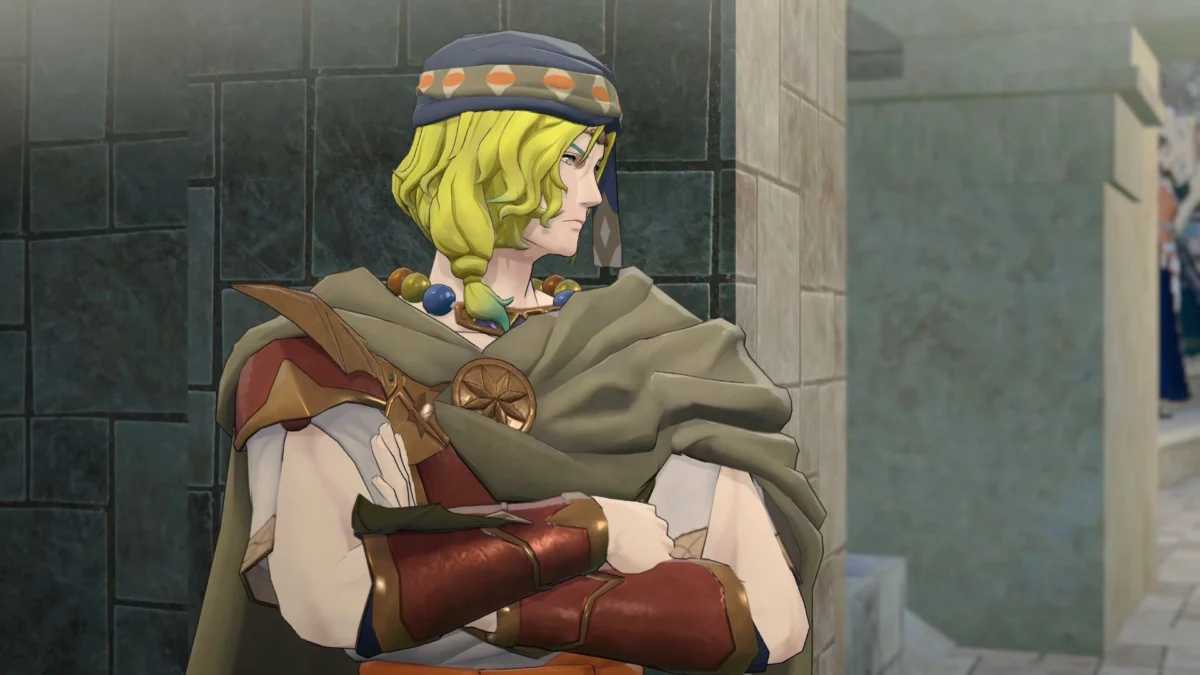
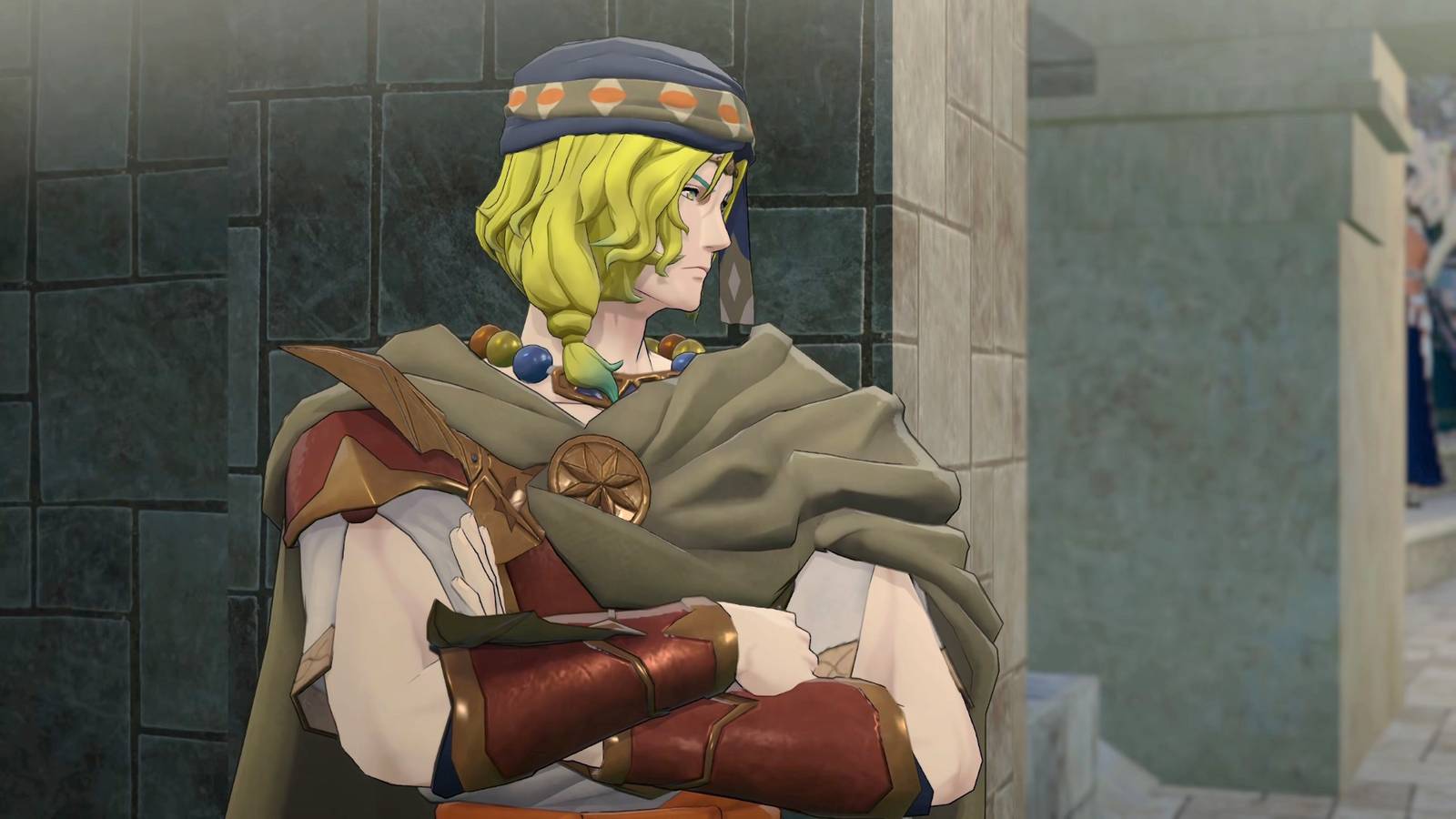
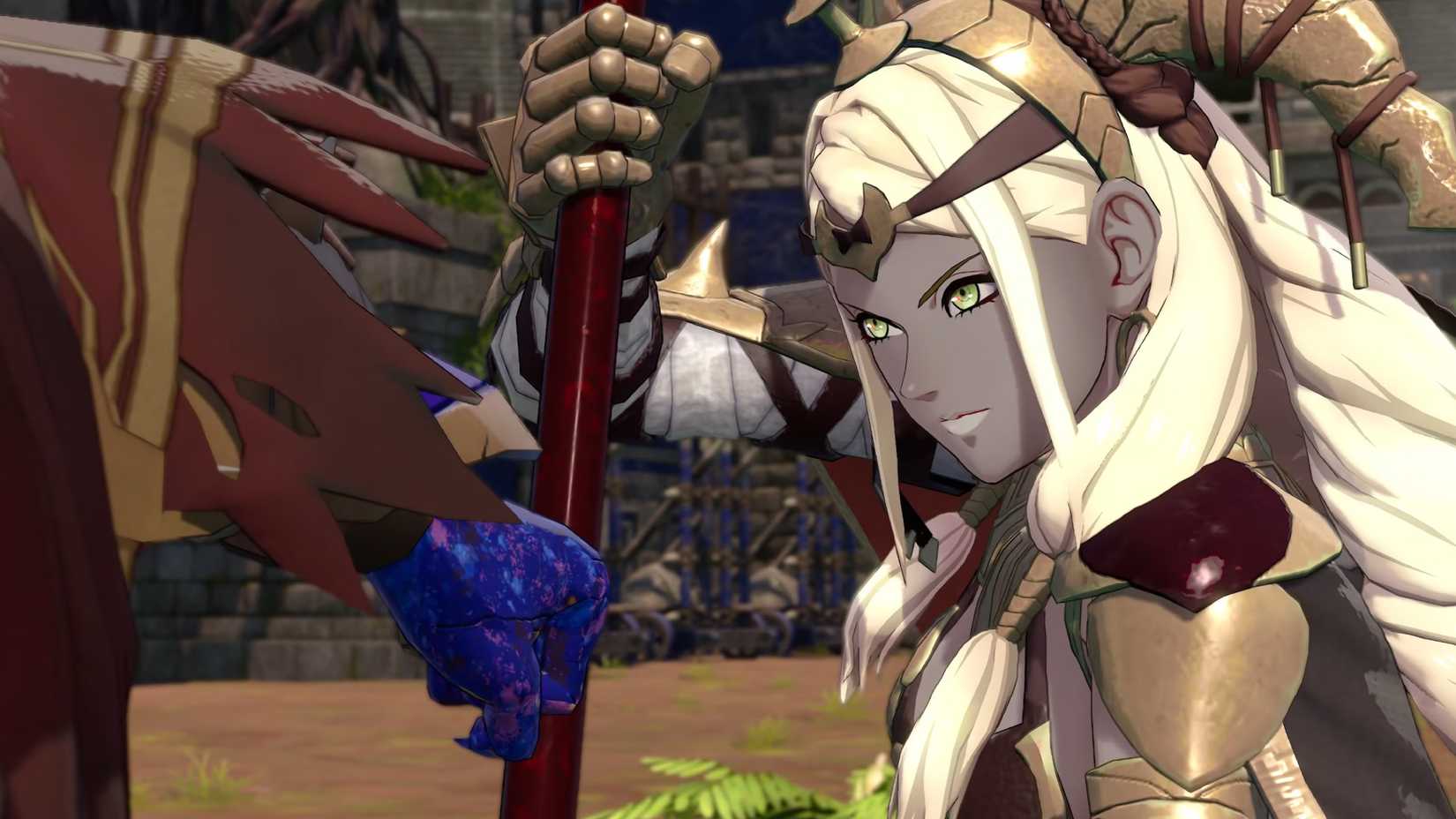
The characters who were relegated to secondary status—Talimun, Anatolia, Orchel, and Bertrand—remain present in the game’s prologue as "Flame Lords," standing alongside the primary protagonists. Their inclusion creates a dissonance; they are clearly important enough to be featured in the game’s opening sequences, yet they lack the character development, support conversations, and screen time afforded to the primary four.
The Manga’s Role: Bridging the Narrative Chasm
The first chapter of Kazurou Kyou’s manga adaptation, which arrived on September 16, immediately signals a different approach to these secondary figures. The story opens with a sequence featuring Seteth—a fan-favorite character returning from Fire Emblem: Three Houses—and the sub-lord Orchel.
As they navigate the city of Dagsion, the narrative wastes no time in re-establishing the hierarchy of the world. When a tense encounter with a thief introduces the character Cai, the manga uses the interaction to provide context for the various Flame Lords and their respective factions. By dedicating space to these introductions, the manga is already doing the heavy lifting that the game skipped.
Why Support Conversations Matter
One of the most persistent complaints on forums like Reddit and the official Nintendo community hubs concerns the "support" system. In previous titles, these conversations were the heart of Fire Emblem. They transformed units from mere tactical assets into three-dimensional people. In Fortune’s Weave, the lack of meaningful support conversations between the sub-lords and their retainers—specifically pairings like Talimun and Ursula or Orchel and Diego—has left a void in the player’s emotional investment.
The manga offers a unique solution. By allowing Kyou to script these interactions, Nintendo is essentially using a secondary medium to complete the character arcs that were sacrificed for the sake of the game’s release schedule.
Official Responses and Developer Strategy
Intelligent Systems has been surprisingly transparent regarding the "cut content" in Fortune’s Weave. In their Vol. 23 "Ask the Developer" interview, the team acknowledged that the decision to cut the playable scope of the sub-lords was a "difficult but necessary" pivot to maintain the polish of the core tactical experience.

However, they did not explicitly rule out future expansions. The industry has seen this model before: Fire Emblem Engage utilized its manga adaptation to provide deep-dive backstories for characters like Yunaka, whose past as an assassin was only hinted at in the game. It is highly probable that Nintendo and Intelligent Systems view the manga as an "Extended Universe" project—a way to satisfy the lore-hungry fanbase without having to patch the base game’s script retrospectively.
Implications for the Future of the Franchise
The situation with Fortune’s Weave highlights a growing trend in modern JRPGs: the "multimedia rollout." As development costs soar and the pressure for technical perfection on launch day increases, developers are increasingly relying on ancillary media to house their world-building.
The Risk of Narrative Fragmentation
While the manga is an excellent addition, it creates a potential barrier for the average player. If the most compelling character arcs are hidden behind a manga subscription or an app-exclusive release, the base game suffers from a lack of perceived depth. The implication here is that future Fire Emblem titles may continue to prioritize gameplay mechanics over narrative density, with the expectation that the most dedicated "hardcore" fans will supplement their experience through external sources.
Potential for DLC Redemptions
There is still a path for the game to rectify these issues internally. The gaming community is already speculating about a "Lords Expansion" DLC. If Intelligent Systems is listening to the feedback regarding the sub-lords, they may choose to introduce "Paralogue" missions that focus exclusively on these neglected characters.
The existence of the manga provides a blueprint for what these missions could look like. By mirroring the scenes being drawn by Kyou, the developers could offer a seamless transition from the printed page to the tactical grid, allowing players to finally control Talimun, Anatolia, and the others in a way that respects their initial design intentions.
Conclusion: A Hopeful Horizon
Despite the current frustrations regarding character depth and the "missing" protagonists, Fire Emblem: Fortune’s Weave remains a robust, engaging, and challenging entry in a long-standing franchise. The fact that fans are clamoring for more—that they are actively seeking out the manga to understand the motivations of Orchel or the history of the Flame Lords—speaks to the strength of the game’s setting.
The "missing" content is not a sign of failure, but rather a testament to the scale of the world the developers set out to create. Whether through the pages of the manga or future digital updates, it is clear that the story of Fortune’s Weave is far from over. For now, players should keep a close eye on the serialized chapters; in those pages, we are likely to find the emotional core that the game itself has yet to fully reveal.
As we look toward the months ahead, the collaboration between the development team and the creative team behind the manga will be the true test of how much Nintendo values the narrative integrity of its flagship strategy series. If they succeed in integrating these stories, Fortune’s Weave may yet be remembered not for its missing pieces, but for the depth of its expanded universe.