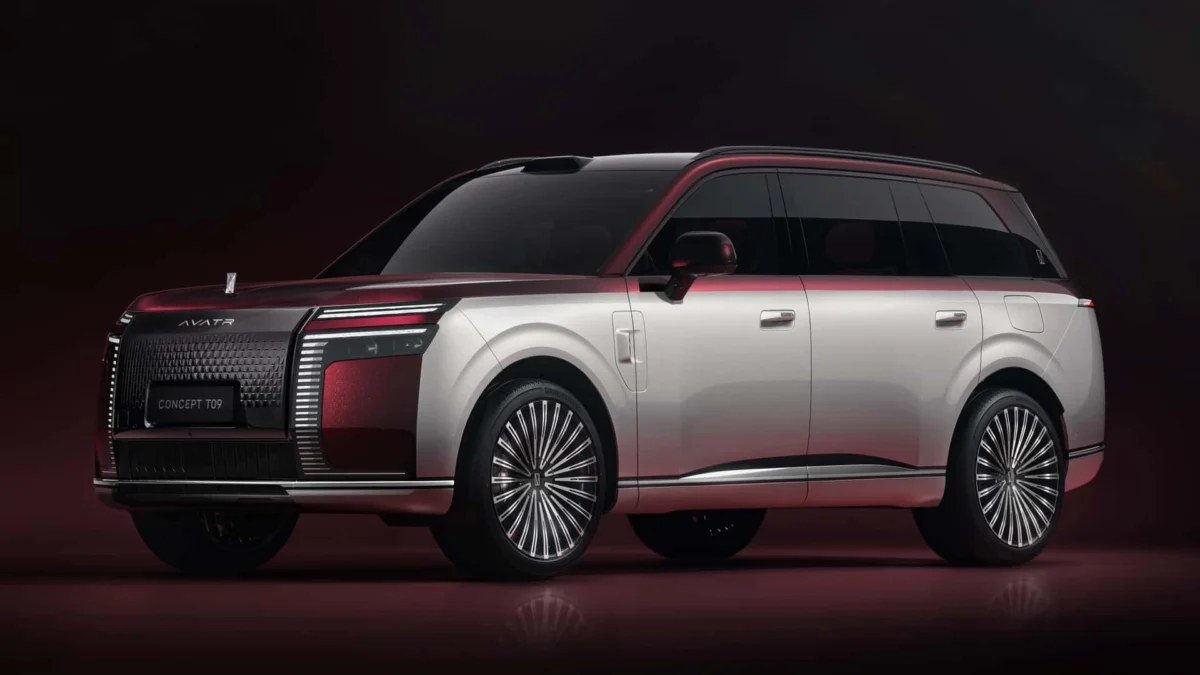
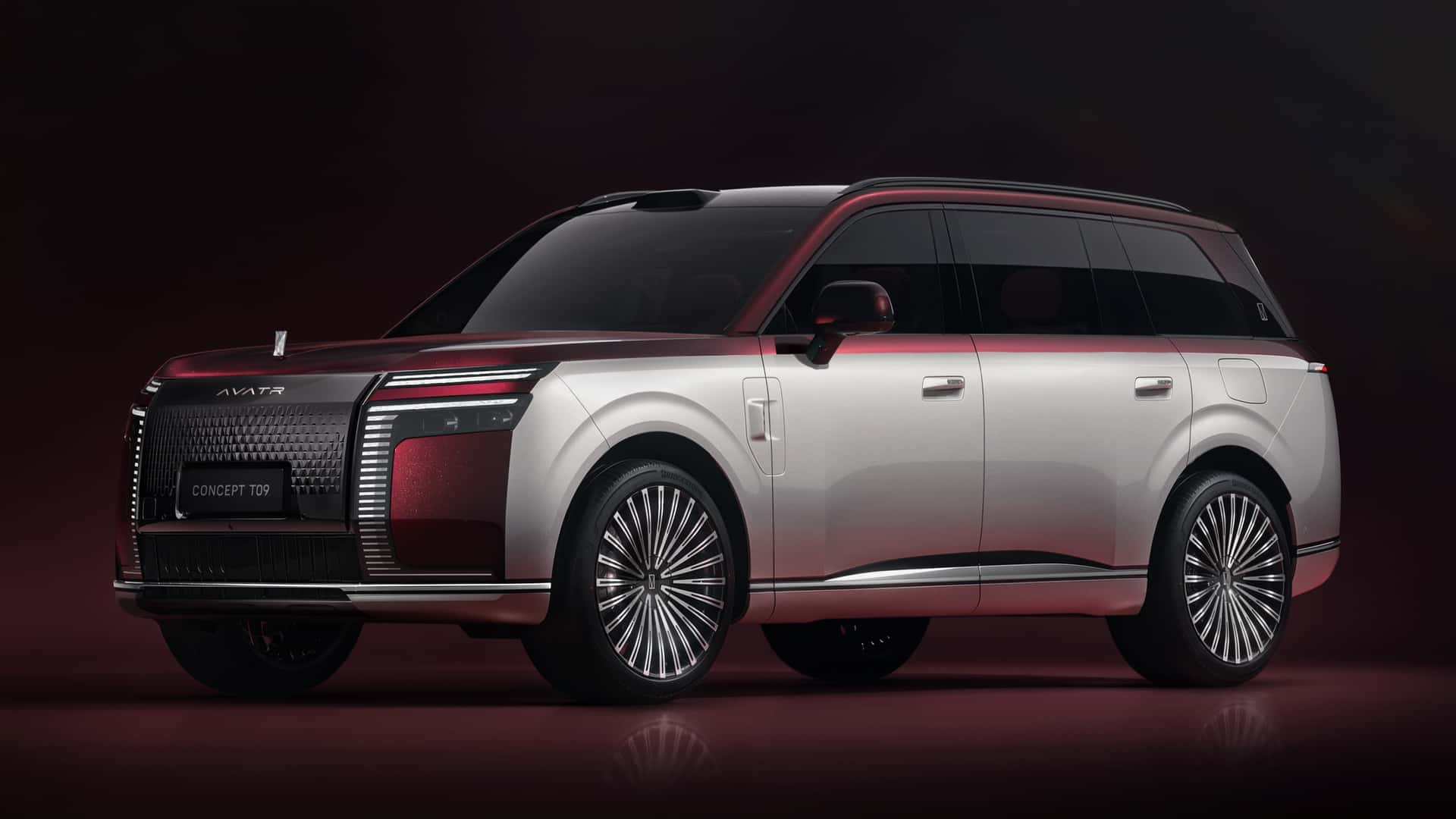
The 2024 Paris Motor Show served as the global stage for a bold statement in automotive engineering and design. On October 11, Avatr—the ambitious Chinese automotive brand backed by the industrial might of Changan and the battery-tech supremacy of CATL—pulled the covers off its T09 concept. Positioned as the inaugural model of a new "Flagship" series, the T09 is not merely a prototype; it is a high-performance, three-row SUV designed to challenge the established dominance of European luxury icons like the Mercedes-Benz GLS, BMW X7, and Audi Q9. With a powertrain delivering upwards of 1,000 horsepower, the T09 aims to redefine the intersection of "respectful luxury" and cutting-edge, electrified performance.
The Genesis: A Three-Way Partnership
The Avatr brand is a unique entity in the modern automotive landscape, thriving on a strategic tripartite alliance. By combining the manufacturing scale and vehicle architecture expertise of Changan, the world-leading battery technology of CATL, and the sophisticated software and intelligent cockpit integration of Huawei, Avatr has positioned itself as a technological powerhouse.
The T09 represents the pinnacle of this collaboration. While the "Digital" series of Avatr vehicles focuses on sleek, sporty, and avant-garde aesthetics, the T09 introduces the new "Flagship" series. According to Chairman Chen Zhuo, this series is characterized by "respectful luxury, prestige, and a commanding presence," signaling a pivot toward a more mature, executive-oriented consumer base.
A Chronology of the T09’s Development
The trajectory of the T09 has been rapid, reflecting the hyper-accelerated pace of the Chinese automotive market.
- September 2024: The production-spec T09 made its initial domestic reveal in China, setting the stage for a planned market launch in 2026.
- October 11, 2024: The Concept T09 made its international debut at the Paris Motor Show. This unveiling served as a "soft launch" to test European sentiment and highlight the brand’s global ambitions.
- Post-2027 Outlook: While specific certification data for international markets is currently pending, industry analysts suggest that a refined, production-ready export model could see daylight after 2027, depending on the successful navigation of global regulatory hurdles.
Technical Specifications: Engineering a Powerhouse
The most staggering aspect of the T09 is its propulsion system. The vehicle utilizes an advanced extended-range electric vehicle (EREV) architecture, which addresses the "range anxiety" often associated with pure battery-electric vehicles while maintaining the benefits of electric torque.
Powertrain Breakdown
At the heart of the T09 is a turbocharged 2.0-liter gasoline engine, which acts primarily as a generator for the battery pack. This combustion engine is paired with a sophisticated trio of electric motors—one on the front axle and two on the rear—creating a true all-wheel-drive system.
- Total Output: Exceeds 1,000 horsepower.
- Motor Configuration: Reports indicate a 208-hp gas engine working in tandem with three motors rated at 241 hp, 302 hp, and 302 hp, respectively.
- Performance: This configuration allows for a top speed of 137 mph (220 km/h).
Energy and Battery Tech
The T09 draws its energy from a 71.24-kWh CATL Freevoy battery. This specific battery chemistry is engineered specifically for extended-range hybrids, optimizing the balance between pure-electric commuting and long-distance combustion-assisted travel. According to Chinese CLTC testing protocols, the vehicle offers a pure-electric range of approximately 186 to 205 miles, ensuring that daily urban commutes can be completed entirely without burning a drop of fuel.
Interior Architecture: The "Respectful Luxury" Philosophy
Step inside the T09, and the design language shifts from bold performance to serene, high-tech comfort. The cabin is configured as a six-seater, utilizing a 2+2+2 layout. Unlike mass-market SUVs that opt for a bench seat in the second row, the T09 treats every occupant with equal importance, providing individual, captain-style chairs throughout.
The dashboard is dominated by a sprawling, panoramic display that stretches seamlessly between the A-pillars. This interface is composed of a 10.25-inch digital instrument cluster for the driver, flanked by two massive 17.2-inch screens—one for the driver’s infotainment and vehicle controls, and one dedicated to the front-seat passenger. This layout mirrors the current trend of "screen-first" luxury, where physical buttons are minimized in favor of voice-activated, AI-driven, or touch-capacitive controls.
Design Philosophy: Vision Xpectra
Chief designer Nader Faghihzadeh has introduced the "Vision Xpectra" design language with the T09. This philosophy is aimed at creating an aura of "calm, confident, and respectful luxury."
Measuring approximately 17.1 feet (5.2 meters) in length and 6.6 feet (2 meters) in width, the vehicle possesses a commanding physical footprint. The exterior design avoids the aggressive, overly jagged lines seen in many modern performance SUVs, opting instead for clean, flowing surfaces that emphasize the vehicle’s massive size and premium materials. The goal, according to Faghihzadeh, was to translate the brand’s "effortless luxury" into a broader, more dignified aesthetic that appeals to the global executive class.
Market Positioning and Strategic Implications
The T09 is priced at roughly 500,000 yuan (approximately $70,500 USD) in the Chinese market. This pricing strategy is aggressive, placing it firmly in the crosshairs of the Mercedes-Benz GLS, BMW X7, and Audi Q9. By offering performance figures that dwarf these traditional rivals for a fraction of the cost—while bundling it with world-class connectivity from Huawei—Avatr is banking on a "value-plus-prestige" proposition.
The Challenges Ahead
Despite the impressive specs, the T09 faces a challenging road to global adoption:
- Regulatory Hurdles: The European Union and North American markets maintain strict certification requirements for vehicles, particularly regarding battery safety and software security. Avatr must prove its Huawei-integrated software complies with stringent data privacy laws.
- Brand Recognition: While Changan and CATL are giants in the industry, "Avatr" is a young nameplate. Breaking into the ultra-competitive luxury SUV segment requires not just a superior product, but decades of brand equity and a robust service network.
- The EREV Question: While extended-range hybrids are highly popular in China due to tax incentives and infrastructure realities, European and North American buyers are more polarized between pure Battery Electric Vehicles (BEVs) and traditional Plug-in Hybrids (PHEVs). Avatr will need to effectively market the unique advantages of its EREV system to skeptical Western audiences.
Conclusion: A New Benchmark for Chinese Luxury?
The debut of the T09 in Paris is a watershed moment for Avatr. It marks the transition of the brand from a domestic player into a global challenger. By leveraging the technological expertise of Huawei and the battery dominance of CATL, the T09 is more than just an SUV; it is a demonstration of how quickly the Chinese automotive industry is closing the gap—and in many cases, surpassing—the traditional titans of luxury.
Whether the T09 can successfully navigate the complexities of international export markets remains to be seen. However, with 1,000 horsepower on tap and an interior that prioritizes occupant comfort above all else, the T09 is a formidable entry. It sends a clear message to the established automotive powers: the era of the "flagship" is being rewritten, and the pen is firmly in the hands of the new innovators from the East. As the automotive world moves toward a future defined by intelligence and electrification, the T09 stands as a testament to the speed, ambition, and technical prowess of this modern tripartite powerhouse.