In the ongoing battle against antibiotic resistance—a silent, global public health crisis—a groundbreaking clinical study has unveiled a potential shift in how we manage severe periodontitis. For decades, the standard approach to treating advanced gum disease has involved a combination of mechanical cleaning and the systemic administration of antibiotics. However, researchers from a consortium of world-class institutions have demonstrated that a combination of omega-3 fatty acids and low-dose acetylsalicylic acid (ASA), or aspirin, can achieve clinical results nearly identical to those of antibiotic therapy.
This discovery, recently published in the Journal of Periodontology, offers a glimmer of hope for millions suffering from chronic gum inflammation, suggesting that by modulating the body’s own inflammatory response, we may be able to reduce our reliance on antibiotics without compromising patient outcomes.
The Core Findings: A Paradigm Shift in Treatment
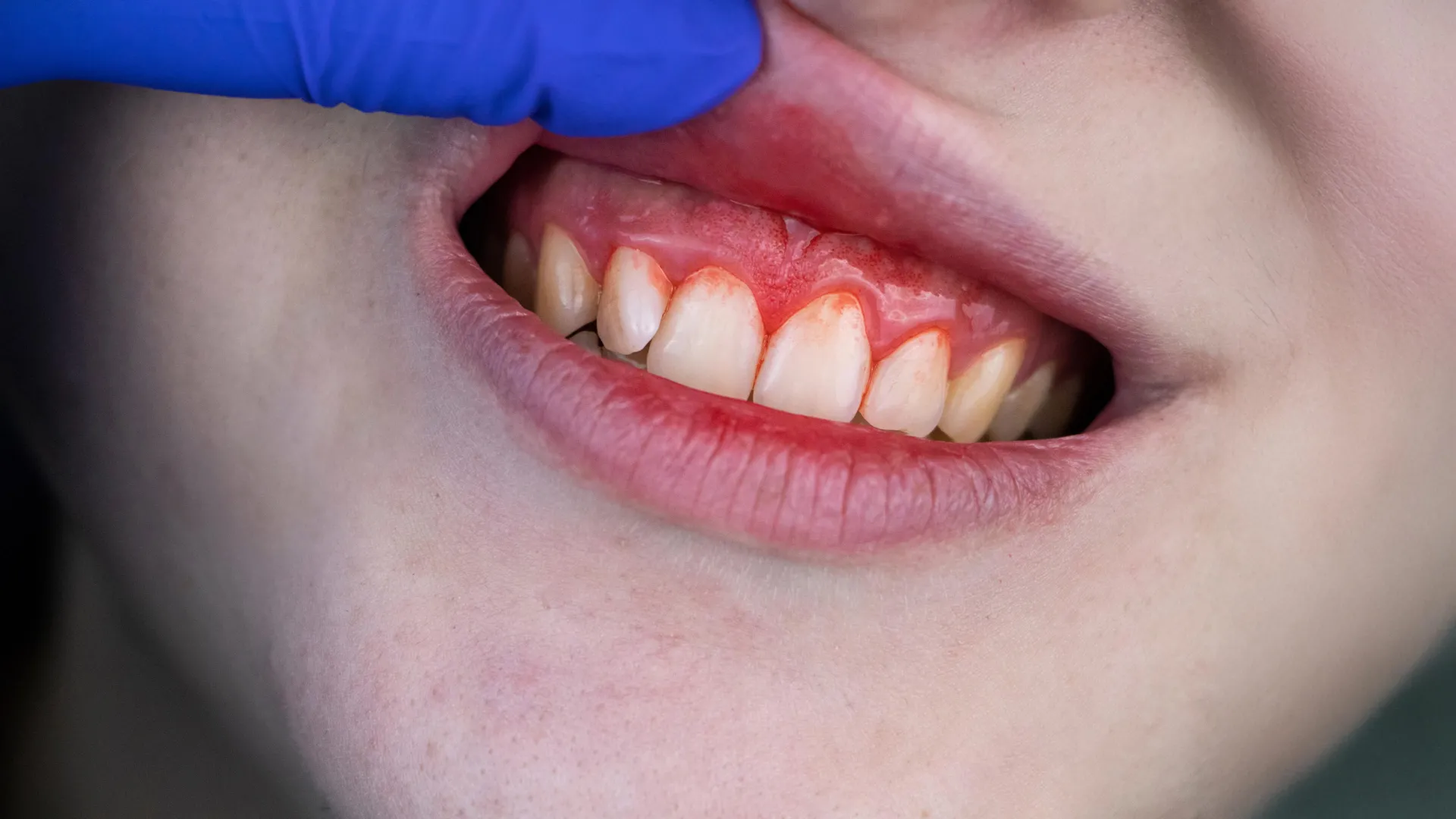
The study, a rigorous yearlong clinical trial, focused on 109 participants suffering from advanced periodontitis—a chronic inflammatory condition characterized by the destruction of the tissues and bone supporting the teeth. Periodontitis often presents as deep "periodontal pockets" beneath the gumline, which serve as protected reservoirs for pathogenic bacteria.
The primary clinical benchmark for success in the study was the reduction of these deep pockets to a manageable level. Researchers found that 58% of patients treated with a standard antibiotic regimen (metronidazole and amoxicillin) met the study’s target goal. Remarkably, the group treated with omega-3 and low-dose aspirin reached a nearly identical success rate of 57.7%.
Perhaps most notably, the researchers discovered that the "triple threat" approach—combining antibiotics with the omega-3/aspirin regimen—provided no additional benefit over the individual therapies, suggesting that the non-antibiotic route is just as potent for the studied population.
A Chronology of the Research
The journey toward these findings began with a deep curiosity about the molecular nature of chronic inflammation. Supported by FAPESP (projects 20/05874-2 and 20/05875-9), the research effort was a multidisciplinary collaboration between the Albert Einstein Israelite Hospital, Guarulhos University (UNG), the University of Taubaté (UNITAU), the Ribeirão Preto School of Dentistry at USP (FORP-USP) in Brazil, and Harvard University in the United States.
The Experimental Design
The study followed a longitudinal approach over 12 months:
- Phase 1 (Inclusion): 109 patients with severe, advanced periodontitis were recruited. All participants underwent subgingival instrumentation (scaling), the standard mechanical cleaning required to remove bacterial deposits.
- Phase 2 (Randomization): Participants were split into four groups:
- Group A (Control): Received mechanical scaling and a placebo.
- Group B (Antibiotics): Received mechanical scaling and a 14-day course of metronidazole and amoxicillin.
- Group C (Nutraceutical): Received mechanical scaling and a daily regimen of 3 grams of omega-3 plus low-dose aspirin for six months.
- Group D (Combined): Received mechanical scaling, the 14-day antibiotic course, and the six-month omega-3/aspirin regimen.
- Phase 3 (Assessment): Clinical evaluations were conducted at three, six, and twelve months to track the reduction of periodontal pocket depth and overall gum health.
The results consistently demonstrated that while scaling alone (the control group) resulted in only a 23.1% success rate, the inclusion of omega-3 and aspirin effectively doubled that success rate, catching up to the performance of traditional antibiotic protocols.
Supporting Data: Why Omega-3 and Aspirin Work
The efficacy of this treatment lies in the biological mechanism of "resolution." Traditional anti-inflammatory drugs often work by blocking inflammatory pathways. Omega-3 and low-dose aspirin, however, function through a more elegant biological pathway.
Omega-3 fatty acids serve as precursors to specialized pro-resolving mediators—molecules that signal the body to naturally bring inflammation to an end and initiate tissue repair. Aspirin, when administered at low doses, acts as a catalyst, enhancing the production of these "resolving" molecules.
Previous research, including a study published in Scientific Reports and supported by FAPESP, provided the foundation for this human trial. In that earlier study, animal models demonstrated that omega-3 supplementation significantly reduced bone loss and inflammation. The human trial has now validated the theory that these benefits translate to human physiology, providing a biological "off-switch" for the persistent inflammation that characterizes severe periodontal disease.
Official Responses: Insights from the Experts
The lead researchers, including Dr. Nídia Cristina Castro dos Santos of the Albert Einstein Israelite Hospital and Dr. Magda Feres of the Harvard School of Dental Medicine, have framed these results with both excitement and measured caution.
"Patients with severe disease have very deep pockets, which act as reservoirs for bacteria associated with the disease," explains Dr. Castro dos Santos. "We imagined that the combination of antibiotics and omega-3 would be the most effective… The result was surprising because the two therapies performed very similarly, paving the way for it to become a treatment option for these patients."
Dr. Magda Feres emphasizes the clinical utility for specific patient demographics. "The combination of omega-3 and low-dose aspirin achieved clinical benefits comparable to those of the metronidazole and amoxicillin protocol, opening up a real alternative for those who can’t take antibiotics, especially patients with allergies or intolerance to these medications."
Both researchers highlight that this is not merely about finding a substitute for antibiotics, but about changing the philosophy of treatment—moving from "attacking" bacteria to "supporting" the body’s natural healing processes.
Implications for Global Health
The implications of this research extend far beyond the dental chair. Antibiotic resistance is currently one of the most pressing threats to global health, as the over-prescription of antibiotics leads to the emergence of "superbugs" that are increasingly difficult to treat.
Reducing the Antibiotic Footprint
By demonstrating that it is possible to treat severe periodontitis by modulating the body’s inflammatory response, the research provides a pathway to reserve antibiotics for instances where they are strictly necessary. This "antibiotic stewardship" is vital for the long-term viability of modern medicine.
Long-term Benefits
One of the most striking findings was the longevity of the treatment’s effect. Patients who took the omega-3 and aspirin regimen continued to exhibit improved gum health even six months after the supplementation had concluded. This suggests that the therapy may help rebalance the internal environment of the gums, allowing for more sustained health than a short-term course of antibiotics might provide.
Future Directions
Despite the promising nature of the data, the research team is careful to note that this is not an immediate call to replace antibiotics in all clinical scenarios. The current study focused on a specific cohort of patients without significant underlying systemic diseases.
Future research is already underway to:
- Expand Demographic Scope: Evaluate whether these findings hold true for more diverse populations and patients with comorbidities like diabetes.
- Microbiological Analysis: Determine exactly how these treatments shift the bacterial composition of the periodontal pockets. Preliminary data suggests that the therapies not only reduce harmful bacteria but also actively promote the growth of beneficial microorganisms, creating a healthier oral microbiome.
Conclusion: A Cautious, Yet Optimistic Path Forward
The study represents a significant milestone in periodontal research. By proving that a non-antibiotic, nutraceutical approach can rival the efficacy of conventional pharmacological protocols, the research team has provided a new tool for clinicians and a safer, potentially more sustainable option for patients.
However, Dr. Castro dos Santos reminds the public to remain grounded. "It’s an important step forward, but not the end of the story," she notes. "Therefore, the message is one of cautious optimism: we have a promising, scientifically plausible alternative to antibiotics in select cases. Routine replacement will require more evidence."
As scientists continue to decode the complex relationship between diet, inflammation, and oral health, the medical community looks toward a future where our treatments are as refined as our understanding of the human body. For now, the integration of omega-3 and low-dose aspirin into periodontal care stands as a testament to the power of integrative, evidence-based dentistry.