In a landmark advancement for musculoskeletal medicine, researchers at Weill Cornell Medicine and the Hospital for Special Surgery (HSS) have identified a previously elusive population of stem cells responsible for the formation and maintenance of the body’s tendons and ligaments. This discovery, published in the September 7 issue of the journal Cell, provides a definitive solution to a long-standing biological mystery, offering a new lens through which to view—and potentially treat—debilitating conditions like lumbar spinal stenosis.
By isolating the "universal" stem cell that gives rise to these essential connective tissues, scientists have not only mapped the architecture of the human musculoskeletal system but have also uncovered a potential pharmacological target for a disease that currently affects over 103 million people globally.
The Chronology of Discovery: Tracking the Elusive Cell
The road to this discovery was paved by years of meticulous research led by Dr. Matthew Greenblatt, a pathologist at NewYork-Presbyterian/Weill Cornell Medical Center and an associate professor of pathology and laboratory medicine at Weill Cornell Medicine. Dr. Greenblatt’s lab has long been at the forefront of skeletal biology; in 2018, his team successfully mapped the stem cell responsible for bone fracture repair, followed by subsequent breakthroughs in identifying the cells that construct the skull and spine.
However, tendons and ligaments presented a significantly more daunting challenge. Unlike bone, which has distinct structural markers, connective tissues are populated by a dense, confusing array of fibroblast-like cells. To the untrained eye—and even to traditional imaging—these cells appear almost identical, making the identification of a true, "stemness"-possessing progenitor cell nearly impossible.
"While previous studies had proposed several candidate stem cells, none had definitively shown that a single cell population could both self-renew and generate the full spectrum of tendon and ligament cell types," Dr. Greenblatt explained.
To overcome this, the team employed high-resolution single-cell analysis. By processing thousands of individual cells and sorting them based on their genetic expression profiles, the researchers were able to filter out the noise and pinpoint a rare population that exhibited the defining properties of a stem cell: the capacity for self-renewal and the potency to differentiate into the mature cells required for tissue growth.
Anatomy of the "Universal" Stem Cell
Once identified, the research team, which included first author Dr. Lingling Hu, confirmed the presence of these cells within the specialized niches of mouse tendons and ligaments. These regions act as reservoirs, sustaining the tissue throughout the organism’s lifespan.
The scope of the discovery expanded rapidly when the team shifted their focus to human tissue. Working with clinical samples provided by Dr. Sravisht Iyer, an associate professor of orthopedics at Weill Cornell and a spine surgeon at HSS, the researchers were able to validate that these cells exist in humans and function with the same regenerative capabilities.
Perhaps most significantly, the team conducted a body-wide search to determine the distribution of these cells. "We looked in the kneecap ligament; we looked at the Achilles tendon; and everywhere we looked, we found this cell," Dr. Greenblatt noted. "So, we think this is the universal stem cell for tendons and ligaments throughout the body."
This suggests that the researchers have identified the foundational building block for the entire connective tissue network, a finding that transforms our understanding of how the body maintains its structural integrity.
The Pathology of Spinal Stenosis: A Mechanism of Overgrowth
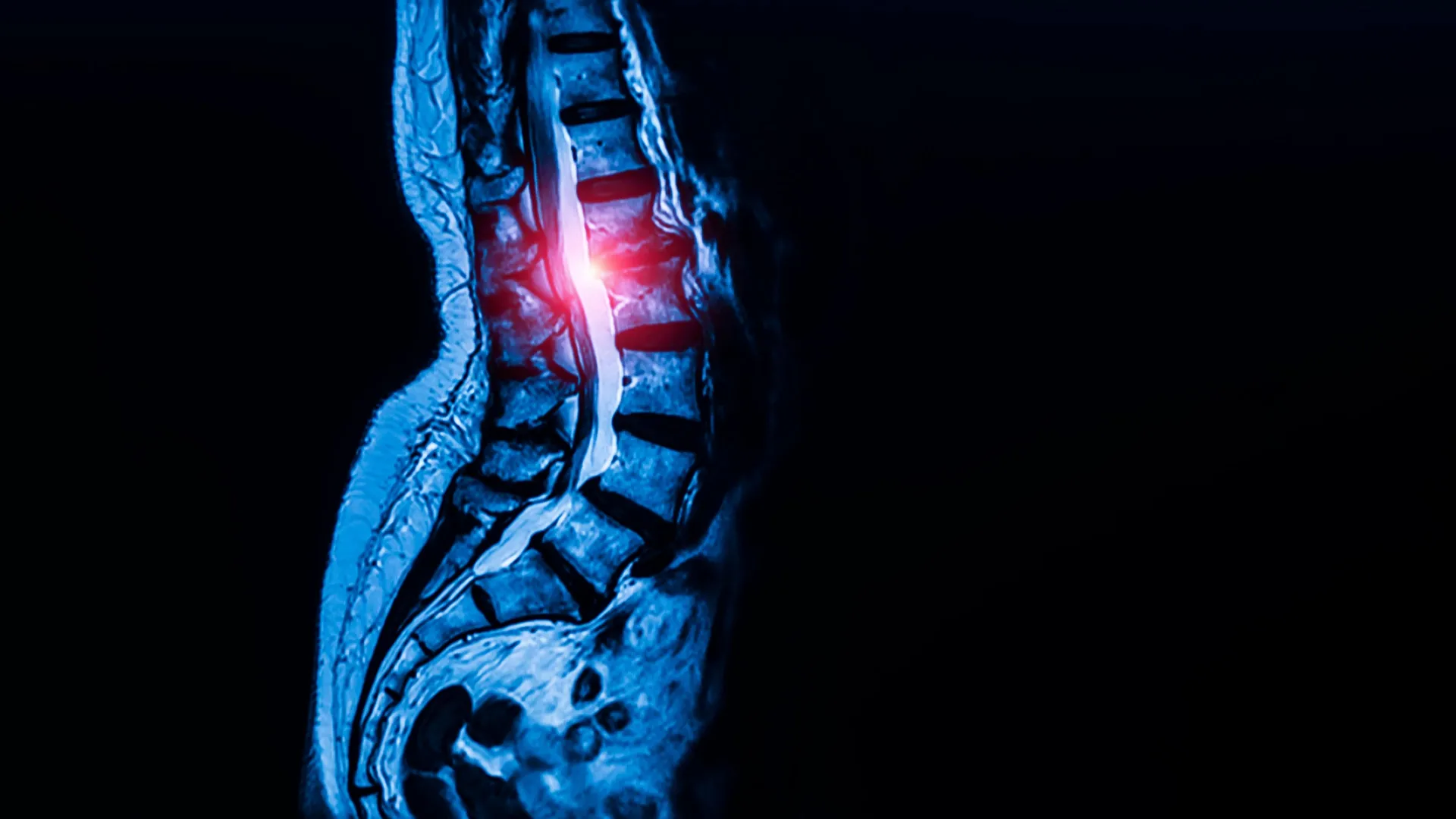
With the identification of the stem cell, the researchers turned their attention to the clinical implications, specifically focusing on lumbar spinal stenosis. This condition occurs when ligaments within the spinal canal thicken, narrowing the space and compressing the nerves. The resulting symptoms—chronic pain, numbness, and limited mobility—often leave patients with few choices beyond invasive corrective surgery.
By comparing the stem cells of patients suffering from severe stenosis with those of patients undergoing surgery for herniated discs (who lacked stenosis), the researchers uncovered a critical functional difference. Ligaments from stenosis patients contained a significantly higher density of these newly identified stem cells.
When these "pathological" stem cells were transplanted into mouse models, they exhibited an aggressive growth pattern, producing an excess of tendon and ligament tissue. Further investigation into the intracellular signaling pathways revealed that these cells were hyper-responsive to calcium signaling.
Calcium signaling acts as a biological "volume knob" for cellular activity. In the case of spinal stenosis, the stem cells appear to have their internal "growth" volume turned up too high, leading to the pathological thickening that characterizes the disease. When the researchers genetically dampened this calcium signaling in their mouse models, the abnormal overgrowth was successfully inhibited.
Official Responses and Clinical Perspectives
The potential to move from surgical intervention to biological management is the most striking aspect of the study. Dr. Sravisht Iyer emphasized the paradigm shift this discovery represents for his field.
"Identifying these specialized stem cells unlocks a new area of research that allows us to address this disease much more mechanistically, rather than just waiting until a patient’s condition worsens and requires surgery to relieve the nerve compression," Dr. Iyer said. "The findings are exciting for their potential to change the way we deliver spinal care."
The researchers believe that because calcium signaling is a well-understood process, it is highly likely that existing drugs—specifically calcium channel blockers, which are widely prescribed to manage hypertension—could be repurposed to treat spinal stenosis. While the prospect of using an existing class of medication to halt the progression of a degenerative spinal condition is promising, the team remains cautious.
"This is probably the first work that’s shown a potential therapeutic target for one of the most common spine conditions in the world," Dr. Iyer added. However, he stressed that rigorous clinical trials are necessary to confirm safety and efficacy before these drugs can be considered a standard treatment for spinal stenosis.
Future Implications: Beyond the Spine
The discovery of the universal tendon and ligament stem cell creates a ripple effect across multiple disciplines. Because these cells are present throughout the entire body, the researchers suspect they may be central to a wide variety of pathologies, not just spinal stenosis.
Dr. Greenblatt has already begun to map out future studies to investigate the role of these cells in other connective tissue disorders. One primary area of interest is Marfan syndrome, a genetic condition that impacts connective tissues throughout the body, often leading to cardiovascular and musculoskeletal complications.
Furthermore, the discovery holds immense potential for the field of sports medicine and trauma care. The reason certain injuries—such as rotator cuff tears, chronic Achilles tendonitis, or complex ligament reconstructions—are notoriously difficult to heal may lie in the depletion or dysfunction of these stem cells. If scientists can learn to stimulate or modulate these cells, it could lead to revolutionary therapies that enhance the body’s natural ability to repair itself after catastrophic injury.
"Given that this cell appears to be the ultimate origin of all tendon and ligament cells, defects in this cell are likely at the heart of a wide range of tendon and ligament disorders," Dr. Greenblatt concluded.
Supporting the Science: A Collaborative Effort
This research represents a massive collaborative endeavor, supported by a diverse array of funding institutions. The work was supported in part by the Marfan Foundation’s Victor A. McKusick Fellowship, the Kellen Scholars Award, the Children’s Tumor Foundation, the Arthritis National Research Foundation, and a Jumpstart award from Weill Cornell.
International and federal support was also crucial, with contributions from the National Research Foundation of Korea and several grants from the National Institutes of Health (NIH). Additional support was provided by the Pershing Square Foundation’s MIND Prize, the Mary Kay Ash Foundation, and the Burroughs Wellcome Career Award for Medical Scientists.
As the scientific community digests these findings, the path forward appears clear: by moving from a descriptive understanding of tissue to a mechanistic understanding of the cells that build it, modern medicine is entering a new era of regenerative therapy. For the millions of people living with chronic pain caused by ligamentous degradation, this "universal" stem cell may prove to be the key to restoring mobility and quality of life.