Introduction: A Generation in Limbo
The United Nations has issued a sobering appeal for a fundamental shift in how the international community approaches the protracted Rohingya refugee crisis. Warning that "an entire generation is growing up in exile," senior UN officials emphasized this week that the status quo is not only unsustainable but represents a profound failure of global protection mechanisms. The crisis, which has seen millions of the Muslim minority from Myanmar displaced by state-sponsored persecution, remains one of the most complex human rights challenges of the 21st century.
The UN’s recent statement serves as a stark reminder that while humanitarian aid provides a temporary buffer against starvation and disease, it is not a solution. The global body is now demanding a roadmap that guarantees not just the physical return of refugees to Myanmar, but their reintegration into a society that provides legal identity, safety, and the fundamental rights of citizenship—rights that have been systematically denied to the Rohingya since 1982.
Chronology of a Crisis: From Persecution to Statelessness
To understand the urgency of the current UN appeal, one must look back at the historical trajectory of the Rohingya people.
- 1982: The Legislative Erasure: The Myanmar military government enacted the Citizenship Law, which effectively stripped the Rohingya of their legal identity. By excluding them from the list of officially recognized ethnic groups, the state rendered the entire population stateless, leaving them vulnerable to decades of systemic discrimination.
- 2017: The Exodus: Following a series of brutal military operations that the UN and various international bodies have characterized as "ethnic cleansing," approximately 742,000 Rohingya fled their homes in Rakhine State. They crossed the border into Bangladesh, seeking refuge from systematic violence, arson, and mass killings.
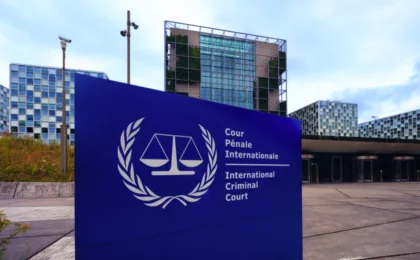
- 2019: Seeking Justice at the ICJ: In a landmark legal move, The Gambia filed a case against Myanmar at the International Court of Justice (ICJ). The application alleged that Myanmar had breached the 1948 Convention on the Prevention and Punishment of the Crime of Genocide.
- 2026: A Grim Milestone: As of March 2026, UN statistics indicate that the internal displacement crisis has ballooned to 3.7 million people, while the refugee camps in Cox’s Bazar continue to operate well beyond their intended capacity, housing hundreds of thousands in precarious, long-term conditions.
Supporting Data: The Anatomy of a Humanitarian Emergency
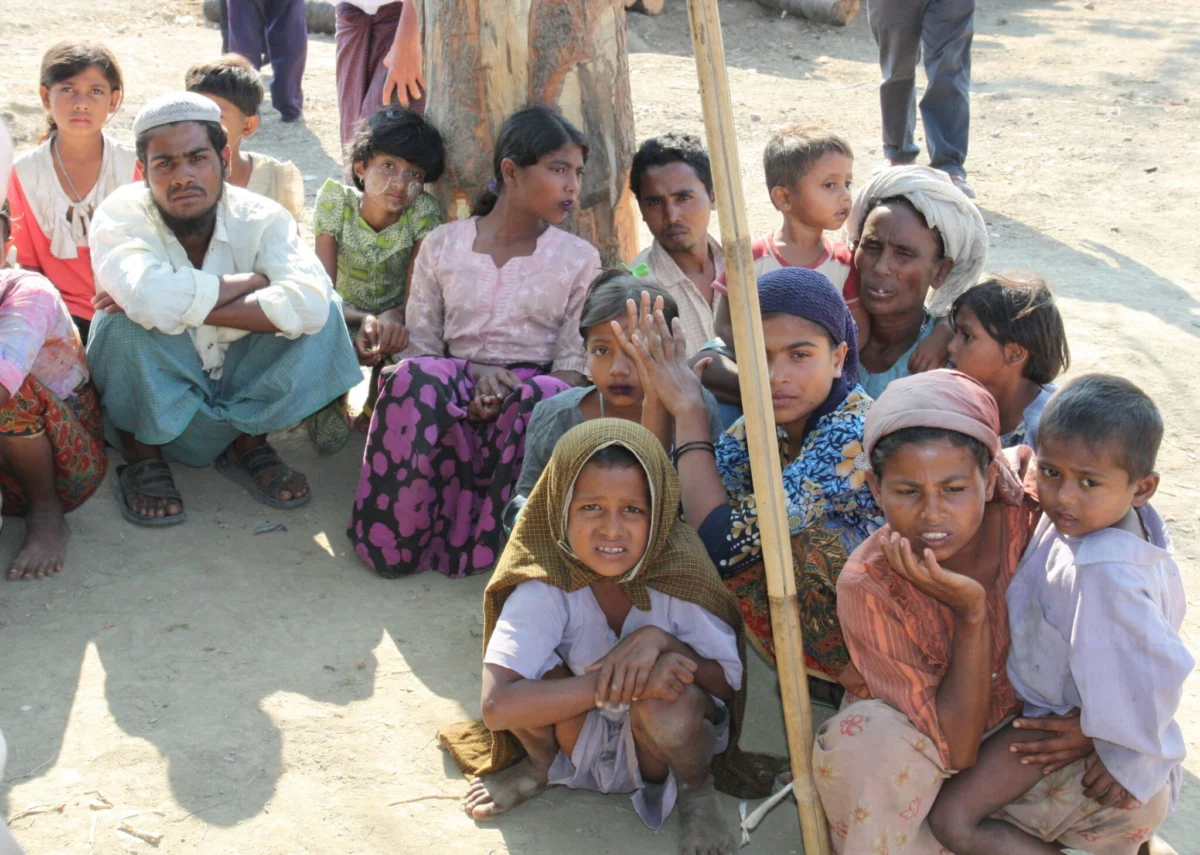
The conditions at Cox’s Bazar, the world’s largest refugee settlement, serve as the primary evidence for the UN’s demand for change. Spanning 33 distinct camps, this settlement is not merely a place of transit; it has become a permanent, yet volatile, home for a massive population.
The Vulnerability of the Next Generation
UN Special Envoy on Myanmar, Julie Bishop, recently highlighted a haunting demographic reality: over 30,000 children are born into the camps annually. These children are being raised in an environment characterized by:
- Severe Overcrowding: The density of the camps makes the enforcement of basic security measures difficult, leaving women and children disproportionately susceptible to human trafficking, sexual exploitation, and gender-based violence.
- Public Health Crises: The lack of robust sanitation infrastructure has made the camps a breeding ground for waterborne diseases. The UN reports frequent outbreaks of hepatitis, acute diarrhea, and dengue, exacerbated by the lack of clean water.
- Environmental Fragility: The camps are located in regions prone to seasonal disasters. Every year, refugees face the dual threat of landslides during the monsoon season and the destruction of their makeshift shelters by cyclone-force winds.
The psychological toll is equally devastating. A population that has already endured the trauma of flight now suffers from the "limbo of exile," where the lack of education and formal work opportunities breeds a sense of hopelessness that threatens to destabilize the refugee community from within.
Official Responses and the Pursuit of Justice
The UN’s stance is clear: "return" cannot be a mere administrative act of crossing a border. UN High Commissioner for Refugees, Barham Salih, articulated that the international community must pivot from "managing displacement" to "securing rights."
The Requirements for Return
According to Salih, a "safe and dignified" return requires a foundational shift in Myanmar’s domestic policy. It is not enough to open the gates; the Myanmar government must provide:
- Legal Recognition: The full restoration of citizenship, overturning the discriminatory policies of 1982.
- Security Guarantees: A verifiable end to military persecution and the ability for the Rohingya to live alongside other communities without fear of violence.
- Socio-Economic Integration: The restoration of the right to work, access to education, and the provision of basic healthcare and civil services.
The Role of the ICJ
The ongoing proceedings at the International Court of Justice represent the most significant avenue for international accountability. While the court has begun its final deliberations, the process remains slow. The Gambia’s case acts as a moral and legal pillar, asserting that Myanmar has an obligation under the 1948 Genocide Convention to prevent, punish, and address the crimes committed against its own people. A ruling against Myanmar would set a historic precedent, potentially compelling the international community to move beyond diplomatic rhetoric and toward concrete sanctions or intervention.
Implications: The Geopolitical and Humanitarian Stakes
The failure to address the Rohingya crisis has profound implications that extend far beyond the borders of Bangladesh and Myanmar.
Regional Instability
The persistence of the camps puts immense strain on host nations like Bangladesh, which has shouldered the burden of the 2017 influx with limited international support. As resources dwindle and the prospect of voluntary return seems increasingly distant, regional tensions are rising. The international community’s inability to find a solution risks turning a humanitarian crisis into a long-term geopolitical flashpoint.
The Erosion of International Norms
The Rohingya crisis serves as a litmus test for the global human rights architecture. If the UN and the ICJ are unable to secure justice for a population that has been rendered stateless and persecuted on an industrial scale, it sends a dangerous message to other authoritarian regimes. It suggests that, in the modern world, a state can effectively "erase" a minority group without facing substantive consequences.
The Necessity of "Longstanding Solutions"
As the UN officials have stressed, the current model of humanitarian aid is failing. International donors are becoming fatigued, and the "emergency" phase of the crisis has long since passed, yet the conditions of life in the camps continue to deteriorate. A longstanding solution requires:
- Multilateral Diplomacy: Putting sustained pressure on the Myanmar military junta to adhere to international human rights standards.
- Economic Support for Host Countries: Recognizing that until repatriation is safe, the international community must provide increased funding for education and livelihoods within the camps to ensure that children born in exile are not deprived of a future.
- Accountability: Ensuring that the ICJ process leads to a transparent, binding outcome that addresses the root causes of the violence.
Conclusion: A Moral Imperative
The Rohingya people are not merely numbers in a UN report or subjects of a diplomatic debate; they are human beings caught in the machinery of state-sanctioned exclusion. The recent call from the UN is a pivot point. It is an acknowledgment that the "wait and see" approach has only served to solidify the misery of millions.
For the international community, the challenge is clear: it must decide whether it will continue to provide the bare minimum to keep the camps afloat, or if it will finally exert the necessary pressure to restore the dignity and rights of the Rohingya people. As the ICJ deliberates and the camp populations grow, time is running out. The world is watching, and the history of this crisis will be written by the actions—or inactions—taken in the coming months. A just resolution requires not just the promise of a return home, but the guarantee of a home that is safe, inclusive, and, above all, rightfully theirs.