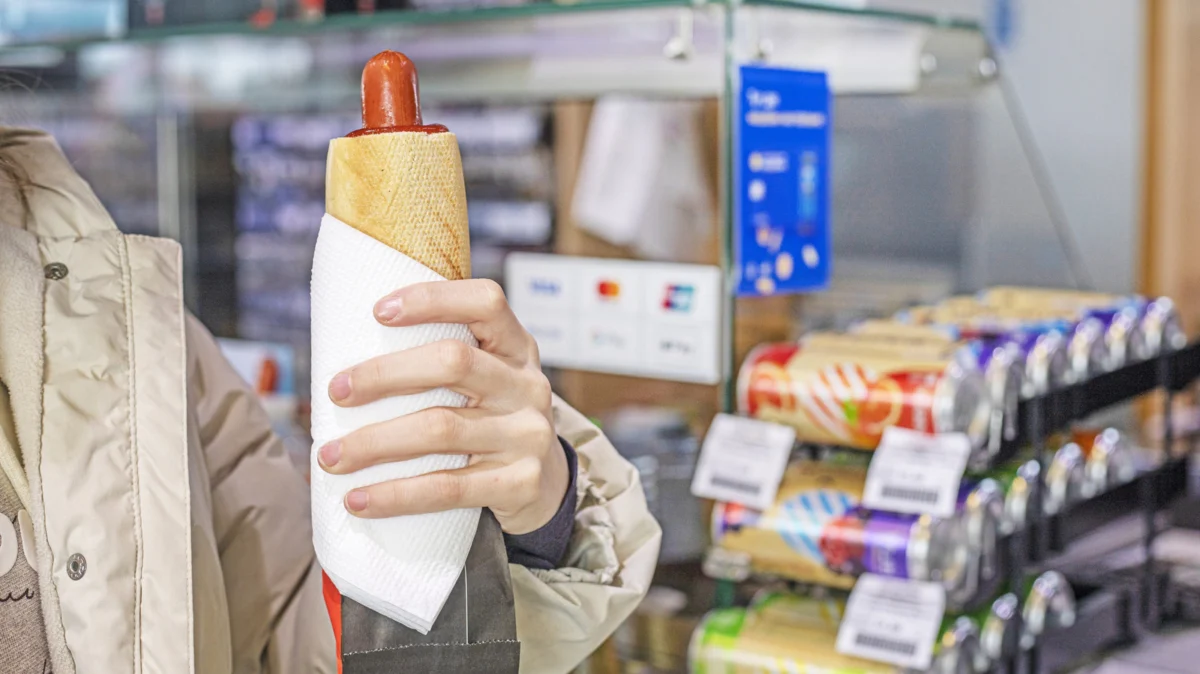
For decades, the standard American road trip was defined by a specific, albeit grim, gastronomic experience: stale coffee, rubbery hot dogs rotating on metal rollers, and bags of neon-dusted chips. The gas station was a place of last resort—a pit stop for fuel, not a destination for sustenance. However, a seismic shift has occurred in the retail landscape. Today, the "gas station meal" is no longer an oxymoron; for many, it is a deliberate choice.
As national and regional convenience store chains pivot toward becoming full-service culinary hubs, they are increasingly challenging traditional fast-food establishments. By offering high-quality, made-to-order, and 24/7 dining options, these retailers have transformed the humble refueling stop into a legitimate dining experience.
The Culinary Renaissance of Convenience
The perception that gas station food is inherently low-quality is a vestige of the past. Modern logistics, sophisticated supply chains, and a renewed focus on fresh preparation have allowed convenience giants to offer menu items that rival quick-service restaurants (QSRs).
This evolution is driven by changing consumer behavior. Commuters, road-trippers, and night-shift workers are demanding efficiency without sacrificing flavor. In response, brands like Sheetz, Wawa, and Casey’s have expanded their footprints and their menus, effectively blurring the lines between a convenience store and a fast-casual restaurant.
A Chronology of the Convenience Food Revolution
The transformation did not happen overnight. It was a calculated transition over several decades:
- 1927: The birth of 7-Eleven in Texas established the concept of the convenience store, though the focus remained on basic provisions.
- 1960s: Wawa, originally a dairy farm, began its transition into a food-centric market, laying the groundwork for the modern "food-first" gas station model.
- 1985–1986: A pivotal era for the industry. Casey’s began its heavy focus on pizza, while Sheetz famously coined the term "made-to-order" (MTO), fundamentally changing how customers interacted with gas station menus.
- 1996: Wawa officially integrated fuel services into its established food-forward model, proving that the two could coexist profitably.
- 2003: Kwik Trip launched its comprehensive hot food program, signaling the regional expansion of high-quality, in-house prepared meals.
- 2021: Wawa expanded its menu to include dinner offerings, further cementing its position as a legitimate alternative to traditional dining.
Spotlight on Industry Titans: The Customer Favorites
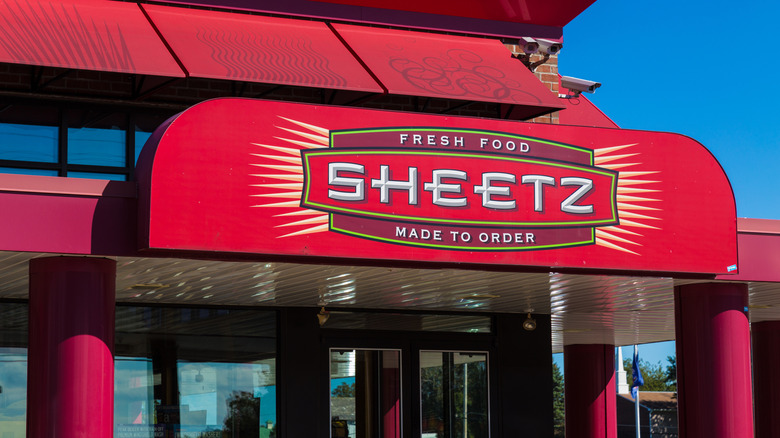
1. Sheetz: The Pioneer of "Made-to-Order"
With over 500 locations primarily in Pennsylvania and surrounding states, Sheetz is the gold standard for customization. By prioritizing 24/7 access, they have become a lifeline for late-night travelers. Customers consistently rank Sheetz highly for its "infinite options," ranging from custom burgers and grilled chicken sandwiches to their cult-favorite curly fries and mac-and-cheese bites. The ability to customize a meal via touch-screen kiosks has removed the friction often associated with ordering food at a gas station.
2. Wawa: The East Coast Powerhouse
Wawa enjoys a near-religious following. While they started as a dairy, their current identity is built on high-quality hoagies and a diverse hot menu. The introduction of dinner options and the enduring popularity of their "Sizzli" breakfast sandwiches have kept them at the top of industry rankings. Their ability to deliver consistent, fresh food—often cited by fans as superior to dedicated sandwich chains—has turned Wawa into a cultural staple across the Mid-Atlantic and Florida.
3. Casey’s: The Pizza King of the Midwest
Casey’s occupies a unique niche: it is arguably a pizza parlor that happens to sell gas. With a commitment to made-from-scratch dough, fresh mozzarella, and locally sourced vegetables, their pizza is so highly regarded that it has earned the respect of culinary professionals. Their breakfast pizza is widely considered a regional delicacy, and the chain’s claim as the country’s fifth-largest pizza chain is a testament to the fact that their culinary output has outpaced their utility as a service station.
4. Buc-ee’s: The Texan Behemoth
Buc-ee’s represents the "destination" model of the gas station. Known for its massive footprint and pristine facilities, it has elevated gas station food to an art form. Their brisket sandwich, prepared by world-champion barbecuers, is the cornerstone of their hot food menu. Alongside their signature savory kolaches, Buc-ee’s has proven that travelers are willing to drive out of their way specifically for the quality of the food on offer.
5. Kwik Trip: The Midwest’s Daily Driver
Operating primarily in Wisconsin, Minnesota, and Iowa, Kwik Trip is a master of volume and quality. Producing 40,000 pizzas daily is no small feat, but Kwik Trip maintains a high standard across its 800+ locations. Their fried chicken, which debuted in 2019, has been noted by customers as a genuine competitor to national chicken-focused QSRs, while their waffle breakfast sandwiches and garlic parmesan wings continue to drive consistent foot traffic.
6. 7-Eleven: The Global Standard
As the largest convenience chain in the world, 7-Eleven has the benefit of massive scale. While their reputation varies by region, their hot food program—specifically their taquitos, wings, and pizza—is a staple of the global convenience experience. Their ability to provide consistent, reliable, and affordable food 24/7 remains their greatest competitive advantage.
Supporting Data: Why Customers Are Switching
The shift toward gas station dining is supported by clear consumer metrics. According to industry forums and customer sentiment analysis:
- Value Proposition: Customers report that the price-to-quality ratio at these chains often exceeds that of major fast-food burger chains.
- Operational Efficiency: The "one-stop-shop" convenience of fueling the car and grabbing a hot, customized meal reduces travel time significantly.
- Consistency: Unlike smaller independent restaurants, the major chains have standardized their preparation processes, ensuring a "Sizzli" in Pennsylvania tastes identical to one in Florida.
Official Industry Responses and Strategic Shifts
Major retail chains have moved from viewing food as an "add-on" to viewing it as a primary revenue driver. Corporate leadership teams have invested heavily in kitchen technology—ventless fryers, high-speed convection ovens, and digital inventory management—to ensure that hot food is available around the clock. Furthermore, marketing campaigns now explicitly emphasize "fresh" and "made-to-order," directly targeting the stigma that gas station food is merely "roller grill" fare.
These companies are also aggressively recruiting talent from the hospitality industry to manage their food programs, signaling a long-term commitment to professional culinary standards rather than just retail management.
Implications for the Future of Retail
The rise of the "gastronomic gas station" has significant implications for the wider food industry:
- Direct Competition with QSRs: Fast-food chains like McDonald’s and Burger King are losing a share of the "quick meal" market to these convenience giants. The convenience of parking directly in front of the door and skipping the drive-thru line is a massive competitive advantage.
- Infrastructure as a Moat: As the automotive industry shifts toward electric vehicles, gas stations are facing an existential threat to their primary business model (selling fuel). By pivoting to high-quality food, these companies are creating "dwell time." If a driver needs to stop for 20 to 30 minutes to charge their car, they are far more likely to patronize a store that offers a high-quality meal than one that only offers pre-packaged snacks.
- Real Estate Transformation: We are seeing the death of the "cramped" gas station. Modern sites are being built with expansive seating areas, clean restrooms, and high-tech ordering kiosks, effectively transforming these sites into community hubs.
Conclusion
The transformation of gas station food is a victory for the American consumer. By leveraging technology, scale, and a newfound commitment to quality, companies like Sheetz, Wawa, and Casey’s have successfully rebranded the pit stop. What was once a place of last resort has become a destination, proving that with the right investment in quality, even the most mundane of environments can offer a premium culinary experience. As the road trip continues to evolve, one thing is clear: the best meal of the journey might just be waiting at the pump.