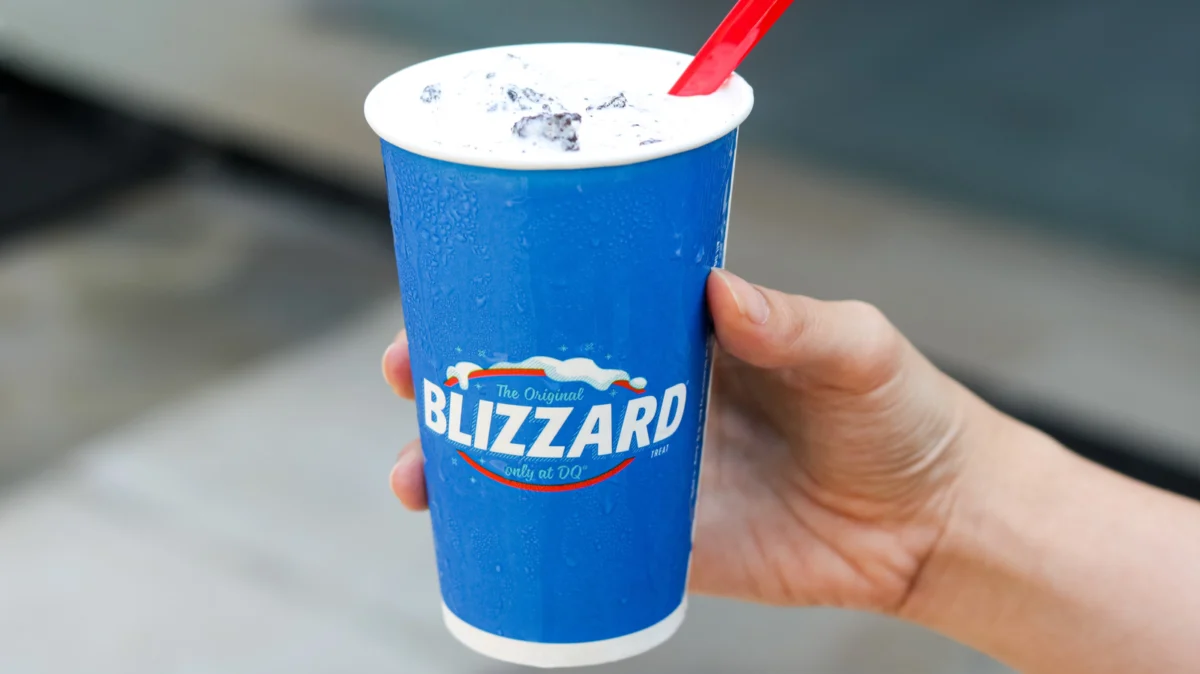
For generations, Dairy Queen has served as an American cultural touchstone. From the iconic, gravity-defying Blizzard to the nostalgic charm of the Dilly Bar, the brand has woven itself into the fabric of suburban life. According to data from YouGov, the brand maintains an impressively high favorability rating, with only 6% of consumers expressing a dislike for the chain. However, beneath the polished corporate branding and the veneer of "happy treats," the history of the fast-food giant is far more complex.
A review of internal records, legal filings, and government interventions reveals a pattern of operational failures, ranging from egregious labor law violations to severe health and safety lapses. This investigation examines the darkest chapters of the Dairy Queen legacy, exploring how these scandals have impacted the brand’s reputation and the lives of its employees.
The Anatomy of a Corporate Crisis: Key Scandal Clusters
Dairy Queen’s operational structure relies heavily on a franchise model. While this has allowed the chain to expand to over 7,700 locations globally since its inception in 1940, it has also created a fragmented oversight environment. The scandals associated with the brand generally fall into three distinct categories: labor and wage disputes, ethical and social misconduct, and public health safety failures.
1. Ethical Failures and Discriminatory Practices
Perhaps the most damaging incidents involve the conduct of franchise owners and staff, which have frequently veered into racism and ageism.
- The Zion, Illinois Incident (2017): In a case that drew national condemnation, a customer named Deia Ford sought a refund at a Zion-based franchise due to a missing order. The encounter escalated when the franchise owner, Jim Crichton, refused the request and reportedly subjected Ford to a torrent of racial slurs in the presence of her children. The incident resulted in immediate legal backlash and the permanent closure of the store by the corporate office, signaling a rare but necessary intervention against toxic franchise leadership.
- The Offensive Prom-Proposal Cake (2024): In Wells, Minnesota, a custom cake order took a dark turn when employees produced a product featuring messaging that trivialized slavery. The resulting fallout led to the immediate termination of the involved staff and a public relations scramble for the local owners to distance themselves from the incident.
- Systemic Age Discrimination: Ageism has been a recurring theme in legal filings against the chain. In 2018, the EEOC intervened after a 60-year-old applicant was denied employment in Tennessee in favor of younger workers based on "flexibility" stereotypes. Similarly, a 2005 Texas case saw a 63-year-old employee awarded nearly $1 million in damages after a successful age discrimination lawsuit.
2. Labor Law and Wage Violations
The fast-food industry is notoriously difficult to regulate, and Dairy Queen franchises have frequently run afoul of the Fair Labor Standards Act (FLSA) and local statutes.
- Payroll Frequency Litigation: A $6 million lawsuit in New York centered on "frequency of pay" laws, which mandate weekly pay for manual workers. A Medford, Long Island franchise faced intense scrutiny for paying staff biweekly. While the law was eventually updated in 2025 to mitigate the severity of such penalties, the owners were forced to settle for $450,000, underscoring the risks of non-compliance with archaic but binding labor statutes.
- Child Labor Violations: The exploitation of underage workers has plagued the brand. In 2023, a New Jersey franchise was fined over $14,000 for allowing 15-year-olds to work past legal curfew hours and for failing to meet minimum wage requirements. This followed a larger, $42,000 fine in Indiana and Michigan the previous year. These cases reflect a broader industry crisis, where nearly 75% of all child labor violations in the U.S. in 2023 occurred within the restaurant sector.
3. Public Health and Safety Breaches
The most alarming scandals involve direct threats to consumer and employee safety.
- The "Cleaning Solution" Incident (2024): In a shocking display of managerial malpractice, employees at a Campton, Kentucky location were allegedly ordered to ingest ice cream mixed with cleaning chemicals as a "punishment" for failing to clean a machine correctly. The incident led to emergency room visits for staff and the immediate termination of the manager. The physical risks—ranging from chemical burns to severe gastrointestinal distress—highlighted a catastrophic failure in human resources management.
- Metal Contamination (2026): In a significant supply chain failure, the FDA issued a recall for over 70 cases of chocolate soft-serve mix across the Mid-Atlantic region. While no injuries were reported, the presence of metal shavings in a food product represents the ultimate failure of quality control protocols.
Chronological Overview of Key Controversies
| Year | Event | Category |
|---|---|---|
| 2005 | $1M age discrimination settlement in Texas | Labor/Discrimination |
| 2008 | Multi-state franchisee lawsuit against corporate | Governance/Franchise |
| 2012 | Sexual harassment settlement in North Carolina | Misconduct |
| 2017 | Zion, IL store closure due to racial abuse | Ethical/Social |
| 2019 | Firing of employee over marijuana-themed cake | Personnel/PR |
| 2023 | Child labor fines in New Jersey/Indiana | Labor/Compliance |
| 2024 | Cleaning solution incident; racist cake scandal | Safety/Ethical |
| 2025 | Sexual harassment settlements ($145k); Payroll settlement | Legal/Labor |
| 2026 | FDA recall for metal-contaminated ice cream | Food Safety |
Official Responses and Corporate Strategy
Dairy Queen’s corporate strategy in the face of these scandals has generally followed a two-pronged approach: disavowal and mandated training.
When scandals are localized to a specific franchise—as in the Zion racial slur case—the corporate office has demonstrated a willingness to terminate franchise agreements to protect the brand’s overall image. Following the Mid-Atlantic sexual harassment lawsuit in 2025, the parent company mandated updated training modules and revised workplace conduct policies for all franchisees in the region.

However, critics argue that these interventions are reactive rather than proactive. The "Franchisee Rebellion" of 2008, which saw operators across states like Arizona, Pennsylvania, and Illinois sue the corporate office over the "Grill & Chill" model, revealed a deep-seated friction between headquarters’ push for modernization and the individual franchisees’ operational capabilities. This friction often results in inconsistent safety and labor standards across the thousands of independently owned stores.
Implications for the Future of Fast Food
The litany of scandals involving Dairy Queen points to systemic issues within the fast-food franchise model. The reliance on low-wage, often underage labor creates an environment where oversight is difficult and employee protections are easily circumvented.

- Supply Chain Transparency: The 2026 metal contamination recall highlights that even the most established brands are vulnerable to failure within their supply lines. Future regulations will likely require stricter tracking of raw ingredients to prevent physical contamination.
- Labor Oversight: The prevalence of child labor and wage theft violations suggests that the current penalty structure is not acting as an effective deterrent. Lawmakers are increasingly pushing for larger fines and more frequent, unannounced labor department audits.
- Cultural Sensitivity: As social media continues to amplify incidents of discrimination, brands like Dairy Queen are being forced to implement more rigorous background checks and sensitivity training for franchise managers, who serve as the "face" of the brand in local communities.
Conclusion
While the vast majority of Dairy Queen locations operate without incident, the frequency and severity of these scandals provide a cautionary tale for both the brand and the consumer. A company that relies on the trust of millions cannot afford to view these incidents as isolated anomalies. Whether it involves the safety of a teenager working an evening shift or the integrity of the food being served at a drive-thru, the brand’s long-term viability depends on its ability to enforce a culture of accountability that extends far beyond its corporate headquarters and into the farthest reaches of its franchise network.
For the average consumer, these events serve as a reminder that behind the marketing of "happyness" lies a complex, often fraught business environment where the human and legal costs of success are sometimes paid in ways that are far from sweet.