Date: September 28, 2026
Analysis by Editorial Staff
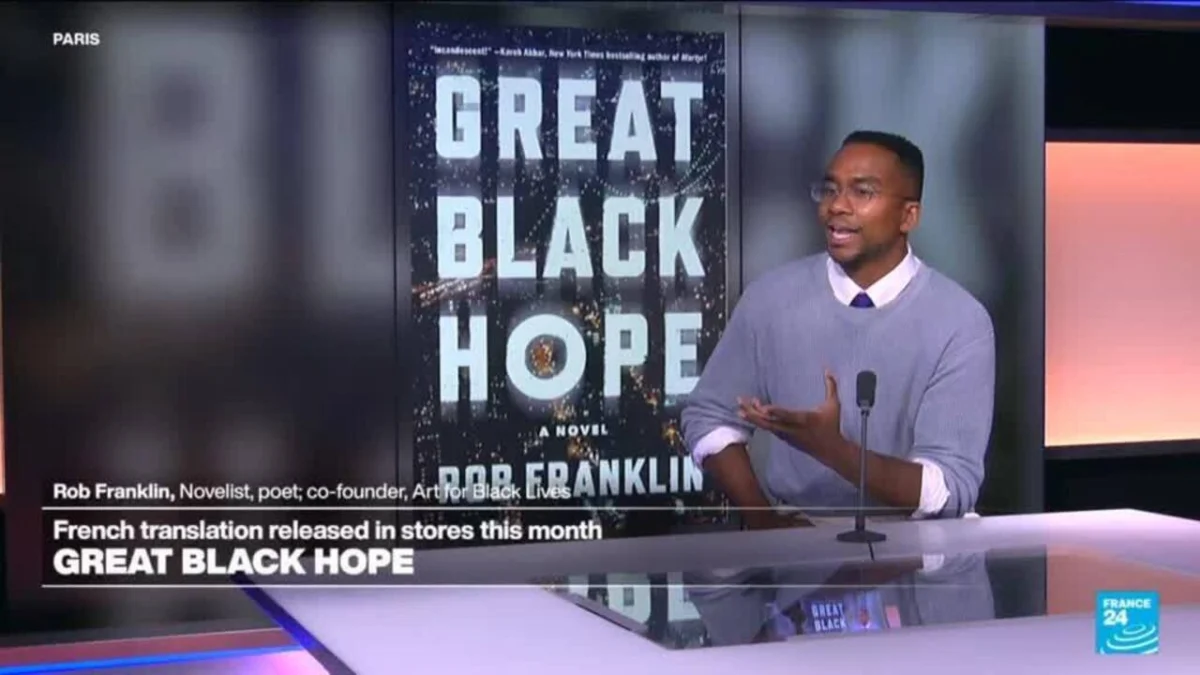
In an era defined by global mobility and the constant negotiation of identity, a haunting sentiment has begun to resonate within the diaspora: the pursuit of belonging is no longer a path to liberation, but for many, a "kind of cancer that eats them from the inside out." This stark assessment, captured in the recent documentary Great Black Hope, serves as a poignant critique of the modern immigrant experience and the psychological toll of assimilation in Western societies.
As we navigate a world where integration is often demanded but rarely fully granted, the psychological architecture of "belonging" is being re-examined. Is the drive to be accepted by the dominant culture a bridge to opportunity, or is it a corrosive force that erodes the self?
Main Facts: The Anatomy of Alienation
The central thesis of Great Black Hope is that the performative nature of assimilation—the "masking" required to survive in corporate, social, and academic spaces—creates a dissonance that is fundamentally unsustainable.
- The Illusion of Inclusion: The film argues that systemic structures often invite the "other" to belong only on the condition that they abandon their cultural markers. This leads to a state of permanent liminality.
- Psychological Erosion: Experts featured in the project describe this as a "social toxicity." The constant vigilance required to navigate microaggressions, coupled with the internal pressure to "fit in," creates a physiological stress response that mimics the progression of chronic disease.
- The Performance of Whiteness: A recurring theme is the necessity of adopting dominant social cues to attain professional success. This act of performativity, while often successful in the short term, results in a profound loss of self-identity.
Chronology: The Evolution of the "Great Black Hope" Narrative
To understand the weight of this cultural moment, one must look at the timeline of the discourse surrounding identity and inclusion in the 21st century.
- 2010–2015: The Era of "Post-Racialism": Following the rise of multiculturalism, the dominant narrative was one of meritocracy. Belonging was framed as a simple outcome of individual effort and educational attainment.
- 2016–2020: The Awakening: A shift occurred as the limitations of "diversity initiatives" became apparent. The discourse transitioned from "integration" to "systemic critique." The psychological toll of being a "token" became a subject of mainstream psychological study.
- 2021–2025: The Crisis of Authenticity: As remote work and digital identity became the norm, the disconnect between one’s private self and public persona deepened. The "Great Black Hope" began to be seen not as a hero’s journey, but as a cautionary tale.
- 2026: The Reckoning: The release of Great Black Hope marks a pivot point. The conversation has moved beyond "How do we get in?" to "What does it cost us once we are inside?"
Supporting Data: The Hidden Costs of Assimilation
The psychological and physiological data surrounding the "pursuit of belonging" are increasingly alarming. According to recent longitudinal studies on diaspora populations:
- The "Masking" Tax: Studies indicate that individuals who feel compelled to suppress their cultural identity in professional settings show a 35% higher incidence of burnout and anxiety-related disorders compared to those who work in inclusive, culturally neutral environments.
- Cognitive Load: The "code-switching" phenomenon—constantly shifting linguistic and behavioral patterns—occupies significant cognitive bandwidth. Researchers suggest that this constant state of vigilance inhibits creative output and long-term career satisfaction.
- Social Isolation: Paradoxically, the more an individual attempts to assimilate into a dominant culture that refuses to grant them full belonging, the more isolated they become from their own cultural roots. This "double exile" is a primary driver of the mental health crises currently affecting younger generations of the diaspora.
Official Responses and Expert Commentary
Sociologists and mental health professionals have reacted to the film’s thesis with both validation and concern.
Dr. Elena Vance, a sociologist specializing in migration patterns:
"What the film identifies as a ‘cancer’ is, in clinical terms, the chronic stress of structural exclusion. When you spend your entire life proving your worth, you eventually stop asking if the system is worthy of you. It is a profound tragedy of modern democracy."
The Institute for Cultural Equity (ICE):
In an official statement following the film’s premiere, the ICE remarked, "We must distinguish between healthy integration and forced assimilation. The former is a process of mutual growth; the latter is a form of cultural erasure that has long-term repercussions for societal cohesion."

Critics, however, argue that the film leans too heavily into fatalism. Some commentators suggest that "belonging" is not a static state to be achieved, but a dynamic negotiation that can, in fact, lead to the creation of new, hybrid identities that enrich the host culture.
Implications: A Shift in Cultural Strategy
The implications of this discourse are far-reaching, affecting everything from corporate DEI (Diversity, Equity, and Inclusion) policies to the way we define the "national project."
1. The Death of the "Model Minority" Myth
The narrative of the "Great Black Hope"—the individual who triumphs through perfect assimilation—is being dismantled. It is increasingly viewed as an unfair burden placed on individuals, rather than a blueprint for success. Future professional development strategies are shifting toward "Authentic Inclusion," where individuals are encouraged to bring their full selves to work.
2. The Reclamation of Cultural Identity
We are witnessing a "reverse migration" of identity. Younger generations are increasingly prioritizing community-based belonging over institutional validation. This is manifesting in the growth of independent cultural hubs, specialized media, and digital spaces where the "mask" can be removed.
3. Policy and Institutional Reform
Governments and corporations are beginning to recognize that their "inclusion" metrics are failing to capture the human cost. The focus is shifting from "how many" to "how well." If an institution cannot foster an environment where an individual feels truly safe to be themselves, the numbers—no matter how high—are effectively meaningless.
Conclusion: Toward a New Definition of Belonging
The "cancer" that the documentary highlights is ultimately a failure of imagination. We have built societies that demand the homogenization of the human experience as a prerequisite for entry. Great Black Hope serves as an urgent reminder that if we do not redefine the terms of our belonging, we risk losing the very diversity of thought and experience that makes a civilization vibrant.
The pursuit of belonging should not be a process of attrition. As we look toward the remainder of the decade, the challenge for institutions, families, and individuals alike is to move beyond the superficial metrics of integration. We must strive to build a future where the cost of entry is not the loss of the soul, and where the "hope" for a better life does not require the destruction of the person who lived it.
True belonging is not found in being accepted by the "other." It is found in the creation of spaces where the "other" ceases to exist, and where the human experience is allowed to be as complex, messy, and multifaceted as the individuals who define it.
For further analysis on the psychological impacts of migration and assimilation, please consult our deep-dive archives on The Global Diaspora Project.