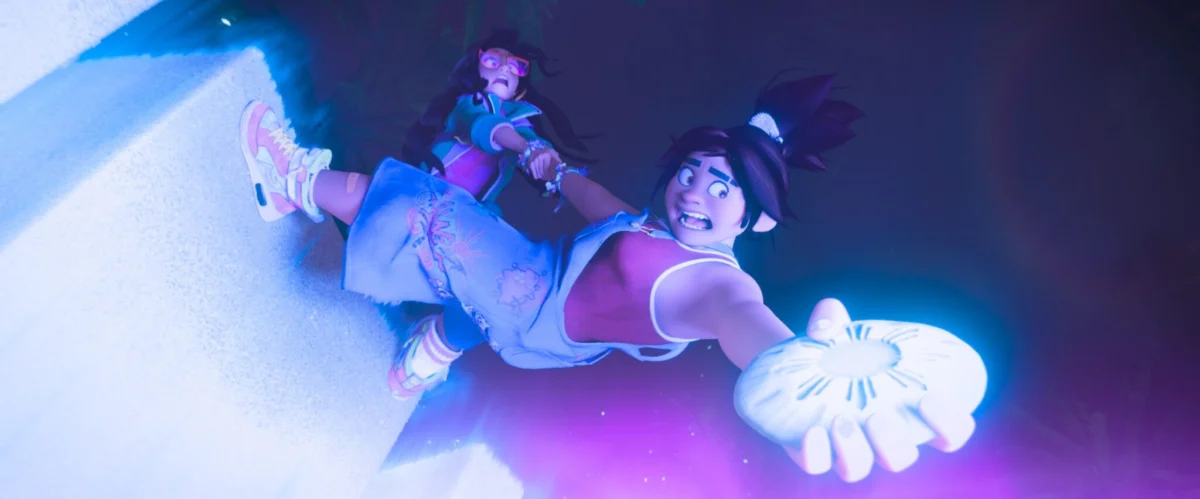
In the landscape of modern animation, cultural authenticity has evolved from a superficial inclusion of motifs to the structural heartbeat of storytelling. DreamWorks’ latest feature, Forgotten Island, serves as a masterclass in this shift. Directed by Joel Crawford and Januel P. Mercado, the film centers on the bond between two Filipino teenagers, Jo and Raissa, as they navigate the treacherous threshold between childhood friendship and the looming reality of adulthood. At the core of their evolving relationship is a simple, recurring Tagalog phrase: "Tayo na!"
While the directors chose not to provide direct subtitles or expository definitions for the phrase, its weight is felt in every frame. To the uninitiated, it may seem like a mere call to adventure; to those fluent in the nuances of Tagalog, it is a complex emotional anchor that shifts depending on context, tone, and the intimacy of the speakers.
The Linguistic Chameleon: Decoding "Tayo na!"
In the Tagalog language, "Tayo na!" is a linguistic chameleon. As Filipino speakers have noted across social media since the film’s release, the phrase is far from monolithic. Depending on the inflection, it can serve as a casual "Let’s go," an urgent command to "Get up," or a gentle, inclusive invitation meaning "You and me."
In Forgotten Island, the phrase acts as a barometer for the characters’ emotional state. When Jo, voiced by singer-songwriter H.E.R., first uses the phrase upon meeting Raissa (Liza Soberano), it is delivered with the casual, breezy energy of youth. It is an invitation to explore, a byproduct of a shared childhood curiosity. However, as the film progresses and the girls face the prospect of being separated by college and distance, "Tayo na!" transforms. It becomes a plea, a shield against fear, and ultimately, a binding oath.

A Chronology of Connection: The Evolution of a Catchphrase
The narrative arc of Forgotten Island is punctuated by key instances where "Tayo na!" dictates the direction of the plot.
- The Innocence of Youth: Early in the film, the phrase is used in the context of play. It represents the unchecked ambition of two friends who believe the world is their playground.
- The Threshold of Change: As the girls stand on the precipice of a major life transition—Raissa’s departure for university—the phrase becomes strained. It is used to mask the anxiety of change, a way for Jo to convince herself that if they can just embark on one more adventure, the clock of their childhood can be stopped.
- The Magical Catalyst: When the duo encounters the portal to the mystical island of Nakali, the phrase is no longer just a suggestion; it is a necessity. Here, "Tayo na!" serves as the bridge between the mundane world they know and the fantastical unknown they have dreamed of since childhood.
This progression mirrors the real-world experiences of the voice actors. For H.E.R. and Soberano, the phrase is inextricably linked to their own upbringing.
The Voices Behind the Venture: Personalizing the Script
For leads H.E.R. and Liza Soberano, the recording booth became a space for cultural synthesis. They weren’t just reading lines; they were injecting their own lived experiences into the dialogue.
"We grew up saying that," H.E.R. explained in a recent interview. "I think about my mom using it to rush me in the morning to get to school. But for us in the film, it became our specific phrase. It morphed into, ‘Hey, come on, you. You’ve gotta join me. Let’s go.’"

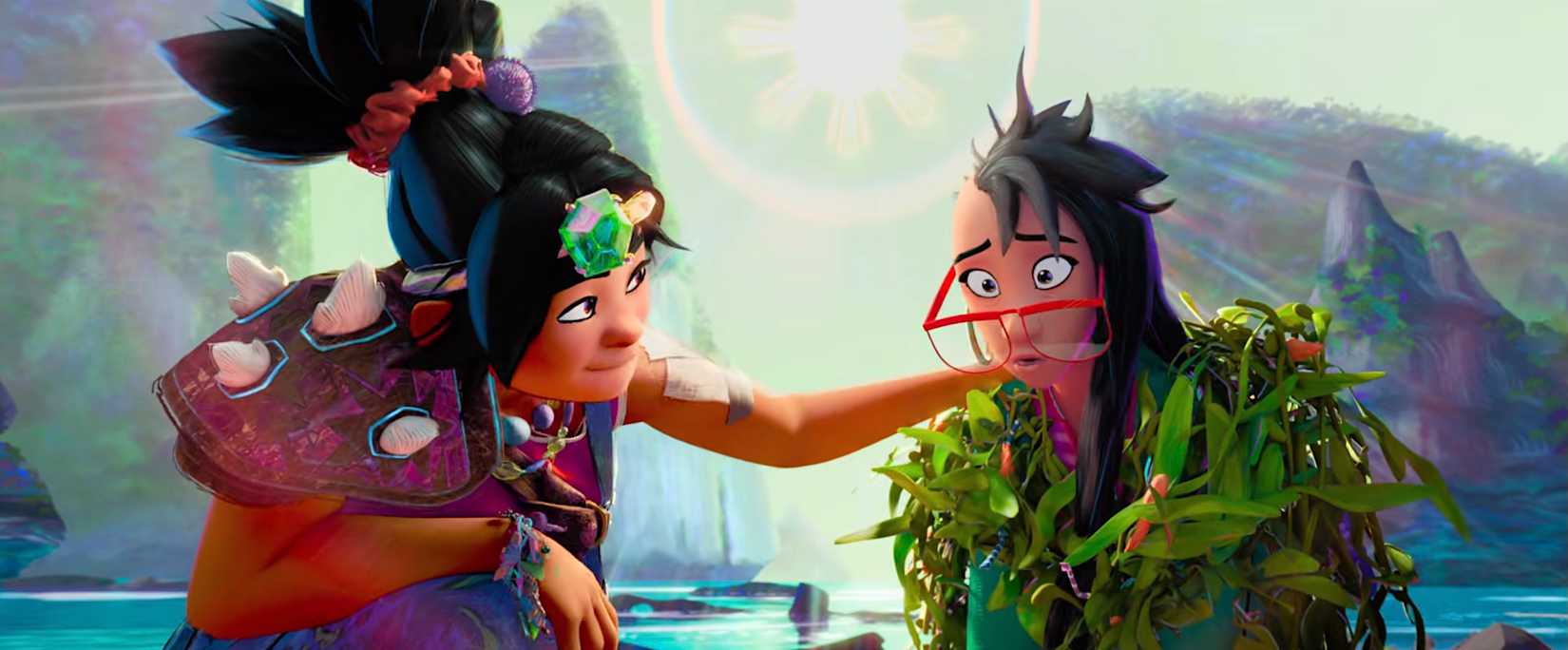
Soberano, whose own grandmother was a primary influence on her interpretation, added a more profound layer to the performance. "I grew up hearing my grandma say it a lot," she noted. "It’s actually a very formal way of saying ‘Let’s go.’ But ‘Tayo na,’ more than anything, means, ‘I’m not doing this without you.’"
This sentiment—I am not doing this without you—is perhaps the most accurate translation of the film’s central theme. It is a commitment that transcends language, turning a simple directive into a promise of companionship.
Official Responses and Creative Contributions
The directors, Crawford and Mercado, made a conscious decision to lean into "contextual immersion." By refusing to spoon-feed the audience with definitions, they forced viewers to rely on the performances of the leads. This trust in the audience’s ability to decode emotion through cultural expression is a hallmark of the film’s production philosophy.
The actors’ contributions were not limited to the emotional weight of their lines. H.E.R. was particularly instrumental in incorporating authentic Filipino humor, including a scene where Jo mocks a bully’s vehicle by calling it a "cheapney." The term is a clever, colloquial jab at the iconic, colorful jeepneys that dominate the streets of Manila.
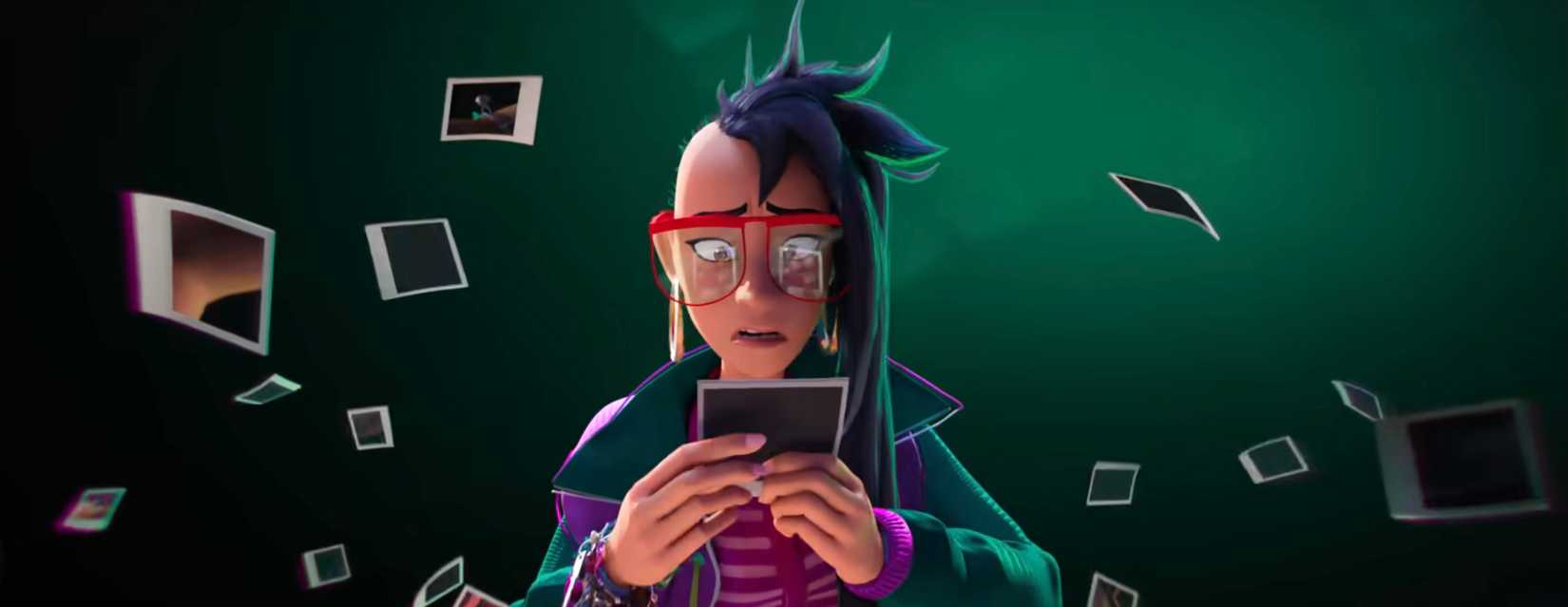
"It was so much fun," H.E.R. reflected. "I just loved how much we were able to be so ourselves. We’ve been talking so much about how when you meet another Filipino, immediately you’re like family. You relate to each other, and it’s a safe space. We experienced that recording together."
The Psychological Implications: "Tayo na" as a Safe Word
The film’s writers elevate "Tayo na!" to the status of a "safe word," similar to iconic cinematic motifs like "Oklahoma" in Ted Lasso or "Grapefruit" in the horror genre. In these instances, the phrase serves as a mechanism for truth-telling—a way for characters to strip away the pretense of a comfortable lie and demand authentic action.
In Forgotten Island, "Tayo na!" is the ultimate "best-friend card." It is the point of no return. Once the phrase is uttered, the characters have made a pact that prohibits backing down.
"Once I say ‘tayo na,’ she knows I’m serious," H.E.R. explains. "You can’t back down from a ‘tayo na.’ It’s almost like an initiation. If I say it, you can’t say no. It’s our promise."
Cultural Resonance and Future Implications
The success of Forgotten Island in integrating these cultural nuances without sacrificing accessibility marks a significant milestone for DreamWorks. By allowing Filipino culture to exist as the "default" state of the characters—rather than an exoticized addition—the film creates a more resonant, universal experience.
The implications for the animation industry are clear: audiences are hungry for specificity. When characters speak with the idioms and heart of their own cultures, the resulting story feels less like a product and more like a testament.
As viewers leave theaters, the phrase "Tayo na!" lingers not just as a piece of vocabulary, but as a reminder of the people we refuse to leave behind. In a world that often demands we move forward alone, the film argues that the most important adventures are the ones we undertake in tandem.
Forgotten Island is currently playing in theaters nationwide. Whether you are a fluent Tagalog speaker or someone encountering the phrase for the first time, the film serves as a poignant reminder that "Let’s go" is the most powerful sentence in any language, provided you are saying it to the right person.