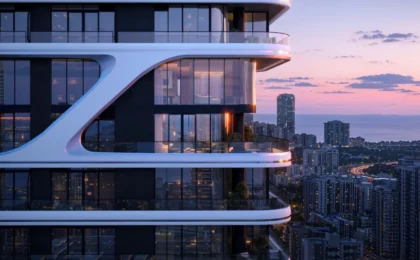
For over a century, the name "Bugatti" has been synonymous with the pinnacle of automotive engineering. From the legendary Type 35 to the record-shattering W16 Mistral, the brand has cultivated an aura of exclusivity that transcends the automotive world, crafting machines that command prices rivaling those of prime real estate. Now, in a historic pivot, the Molsheim-based marque is translating that mechanical pedigree into brick and mortar. Bugatti is officially entering the United States residential market with the development of a 60-story tower on the Miami River in the prestigious Brickell district—the brand’s first-ever branded residential project in the country.
The Genesis of a Skyscraper: Bringing "Art, Forme, Technique" to Architecture
The project, aptly titled Bugatti Residences Miami, represents more than just a real estate venture; it is an extension of the brand’s core design philosophy, "Art, Forme, Technique." This mantra, which has governed the creation of carbon-fiber hypercars like the Chiron and the track-focused Bolide, is now being transposed into the blueprints of high-rise living.
The development is spearheaded by the Prosper Group and Belgium’s renowned Versluys Group, who have secured a prime one-acre waterfront site at 75 SW Miami Avenue Road. This location is one of the final remaining waterfront parcels in the bustling Brickell financial hub, boasting over 300 feet of direct Miami River frontage with an unobstructed vista toward Biscayne Bay.
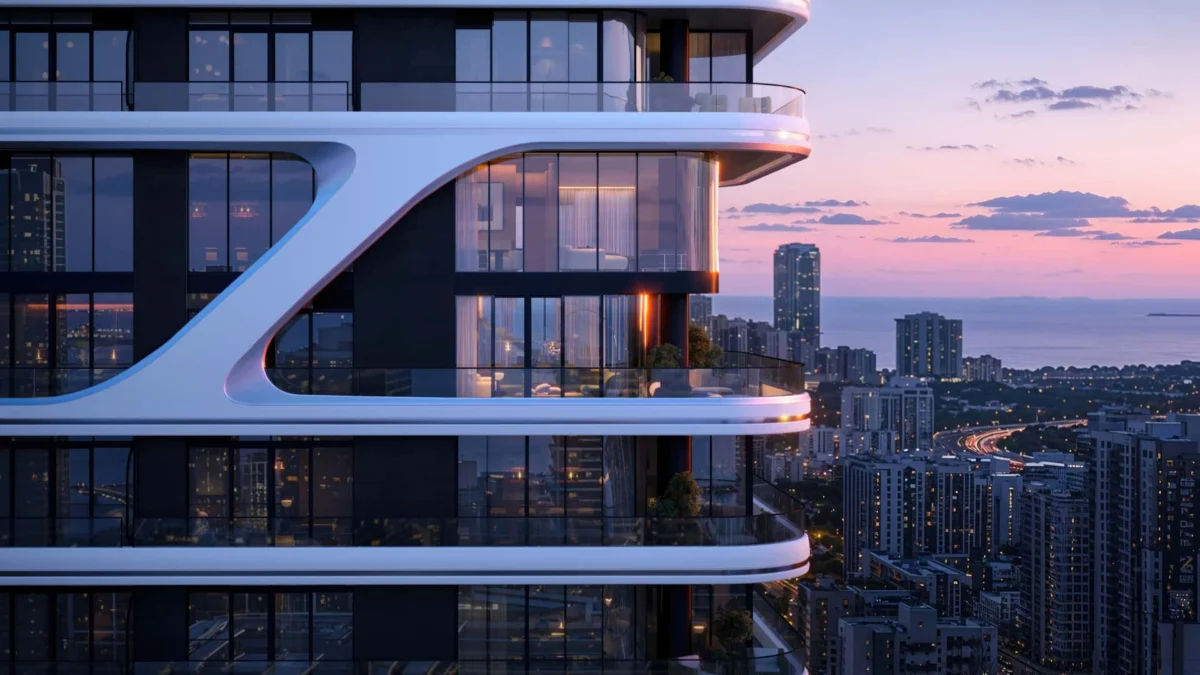
The architectural vision is brought to life by Brandon Haw Architecture, who designed the building’s striking shell, while the interior design is curated by the acclaimed Yabu Pushelberg. The tower is defined by a unique structural design that splits the building into four distinct vertical blocks, punctuated by double-height gaps that offer a sense of structural lightness and aesthetic drama, mirroring the aerodynamic precision of a Bugatti hypercar.
A Chronology of the Supercar Skyscraper Trend
The announcement of the Bugatti Residences marks a significant milestone in a broader trend that has reshaped the Miami skyline over the last decade. Automakers, once confined to the garage, are increasingly occupying the penthouse.
- The Early Years (2010s): The movement began in earnest with the Porsche Design Tower in Sunny Isles Beach, which introduced the world to the "Dezerter"—a robotic car elevator system that allowed residents to park their vehicles inside their living rooms.
- The Mid-Decade Expansion: Following the success of initial projects, brands like Aston Martin pushed into the heart of downtown Miami. The Aston Martin Residences, situated at the mouth of the Miami River, solidified the concept of "branded living," where the prestige of the automotive badge serves as a hallmark of luxury.
- The Current Wave: The market has since reached a fever pitch. Pagani, the Italian hypercar manufacturer, recently announced its own branded skyscraper nearby, further cementing Brickell as the global capital for supercar-inspired residential architecture.
- The Future (2027 and Beyond): Bugatti’s entry represents the current zenith of this trend. With sales slated to launch in 2027, the project serves as a testing ground for whether the Bugatti brand can maintain its "hyper-exclusive" status when the product is no longer a W16 engine, but a 60-story living space.
Supporting Data and Market Economics
The financial scale of the Bugatti Residences project is staggering, underscoring the massive margins currently available at the intersection of ultra-luxury real estate and automotive branding. According to reporting by The Real Deal, developers invested approximately $50 million just for the land acquisition—a figure that predates the significant construction and development costs.
The total projected value of the completed 60-story tower is estimated at $650 million. With 183 residences planned, including four exclusive signature penthouses, the mathematical average price per unit sits at roughly $3.6 million. However, industry analysts expect the actual market pricing for the upper-level penthouses and prime units to far exceed this average, potentially reaching tens of millions of dollars per residence.
The sheer density of these branded projects—Pagani, Aston Martin, Bentley, and now Bugatti—within a few square miles suggests that developers are banking on a specific demographic: the "Car Collector Resident." These buyers are looking for a lifestyle package where the porte cochere acts as a showroom and the amenities are managed with the same precision as a performance vehicle.
Life Inside the Tower: Service and Sophistication
Beyond the aesthetic homage to Bugatti’s design language, the tower is built to offer a tier of service rarely seen in traditional residential buildings. The developers have tapped Rhodium as the residential operating partner to ensure the "white-glove" experience is consistent with the Bugatti name.
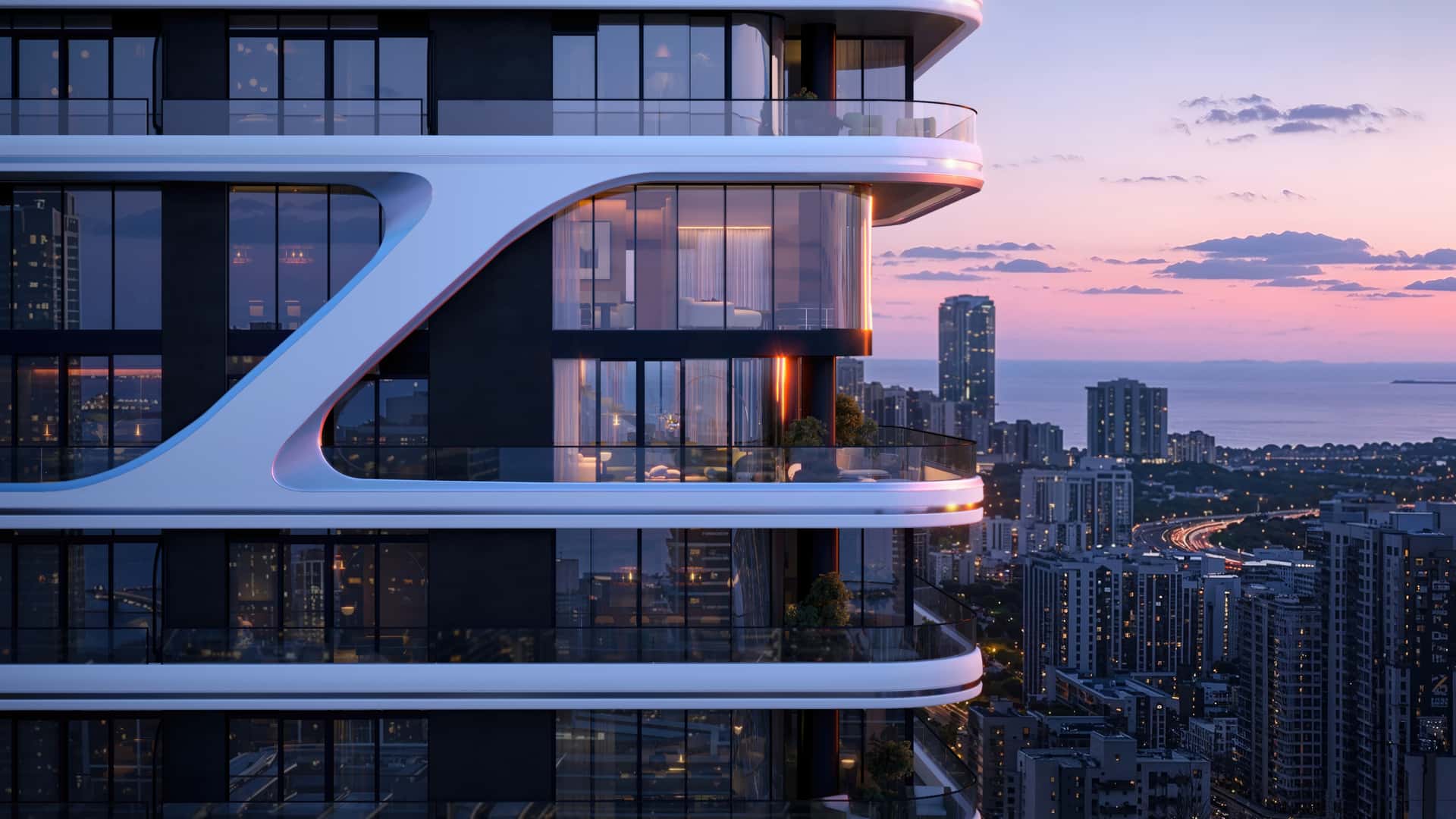
Residents will have access to a suite of hospitality-focused amenities, including:
- Riverfront Pool Deck: A sprawling outdoor oasis designed for the tropical Miami climate.
- Spa and Wellness Sanctuary: High-end fitness facilities and recovery spaces that reflect the focus on physical performance and endurance.
- Private Dining and Chef Experiences: Bespoke culinary services designed for high-net-worth individuals who demand privacy and excellence.
- Concierge Services: A dedicated staff tasked with managing the day-to-day requirements of residents, from vehicle maintenance coordination to private travel arrangements.
While the "Art, Forme, Technique" aesthetic dominates the lobbies and hallways, the fundamental promise of the building is one of operational excellence. The success of the project will largely depend on whether these service standards can be maintained over the long term, ensuring that the brand equity of Bugatti is protected within the residential sector.
The Implications: Is the Badge Enough?
The entry of Bugatti into the Miami real estate market raises a fundamental question: Is the logo on the building enough to justify the premium, or is the market approaching a point of saturation?
Historically, car-branded residences have performed exceptionally well in the resale market, often because they offer a "lifestyle package" that is difficult to replicate. For the owner, the value proposition is not just the square footage or the view of the Biscayne Bay; it is the association with a brand that represents the absolute zenith of human engineering and aesthetic grace.
However, there are risks. As the market fills with various automotive-branded towers, the uniqueness of the offering may diminish. The "test" for the Bugatti Residences will come five to ten years after completion. Will the building still command the same premium, or will the luster of the brand fade when the novelty of the branding wears off?
Furthermore, the architectural and structural challenges of building on the Miami River cannot be understated. As seen with other high-profile developments in the region—some of which have faced issues ranging from construction delays to maintenance concerns—the long-term viability of these super-towers depends heavily on the robustness of their management companies, such as Rhodium.
Final Reflections: The New Era of Luxury
Bugatti’s move into the Miami sky is a bold assertion that luxury is no longer a product—it is a total experience. By migrating from the race track to the high-rise, the brand is attempting to capture the essence of its hypercars in a form that can be lived in, walked through, and inhabited.
For the potential buyer, the investment is a gamble on the enduring power of a crest. Whether the tower becomes a landmark of architectural significance or merely a vanity project will be determined by the residents themselves. But one thing is clear: the era of the "automotive-inspired home" has arrived, and in the Miami sun, the Bugatti badge is betting that it has the power to define the city’s future, one floor at a time.
As we look toward the 2027 launch, the global luxury market will be watching closely. If the Bugatti Residences successfully deliver on their promise, we may soon see a future where the world’s most iconic car manufacturers compete not just for the fastest lap time, but for the most prestigious skyline in the world. For now, the "Art, Forme, Technique" of Molsheim is moving to Miami, and it is poised to change the face of the city forever.