By Investigative Desk
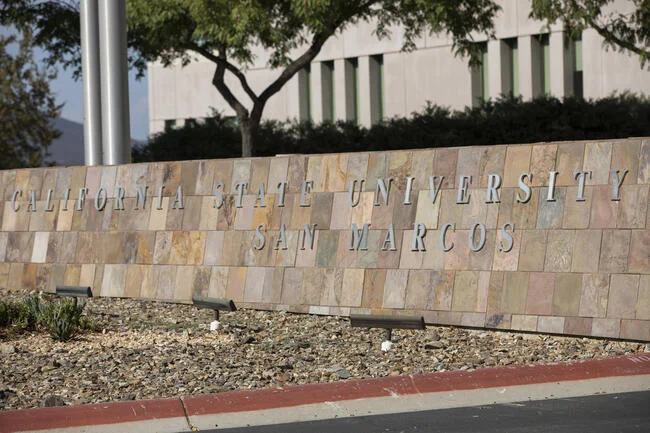
California State University, San Marcos (CSUSM) has found itself at a critical juncture following a distressing string of sexual violence reports that have rattled the campus community. In a span of just three weeks this September, university officials confirmed four reports of rape and one additional sexual assault, all occurring within campus residence halls. The sudden concentration of these incidents has prompted a swift, albeit pressurized, response from administration, igniting a broader conversation about student safety during the high-risk "Red Zone" period of the academic calendar.
The Current Crisis: A Statistical Overview
The safety concerns at CSUSM began to escalate sharply as the fall semester hit its stride. According to reports corroborated by The Coast News Group and NBC San Diego, the university has logged five distinct reports of sexual misconduct in under 21 days. While university officials have maintained that the incidents are isolated and unrelated, the sheer frequency of the reports has created an atmosphere of fear and urgency among the student body.
The university administration has emphasized that in each reported instance, the individuals involved were known to one another. While this detail is often cited in campus crime statistics to categorize the nature of the relationship, it has done little to assuage the growing anxieties of students living on-campus. For many, the residence hall—a space intended to be a secure, academic sanctuary—has suddenly become a site of vulnerability.
The "Red Zone" Phenomenon
The timing of these incidents coincides with a period sociologists and campus safety experts refer to as the "Red Zone." This term describes the timeframe from the beginning of the fall semester until Thanksgiving break, during which statistically, college students are at a significantly higher risk for sexual assault.
Several factors contribute to this heightened risk: the influx of new students who are navigating unfamiliar social environments, the prevalence of campus social events, and a general lack of established support networks for incoming freshmen. At CSUSM, the intersection of this high-risk period with a rapid spike in reported crimes has forced a re-evaluation of how the university manages residential security and bystander intervention education.
Chronology of the Response
The administration’s reaction to the reports was accelerated by intense pressure from the student population. The timeline of events unfolded as follows:
- Early September: The initial reports of sexual assault began to surface, prompting quiet internal reviews by the Title IX office and campus police.
- Mid-September: As reports reached a total of five, student frustration grew. An online petition calling for increased security measures gained significant momentum, drawing hundreds of signatures and widespread social media attention.
- Wednesday, Sept. 22: University President Ellen J. Neufeldt issued a formal video statement addressing the community. She acknowledged the severity of the situation and outlined a series of immediate tactical changes to the campus security infrastructure.
- Late September: The university began implementing 24/7 front-desk staffing in key residence halls and hired additional overnight security personnel to patrol residential perimeters.
Student Advocacy and the Call for Transparency
The movement to bolster campus security was largely spearheaded by student-led advocacy. An online petition, which served as a catalyst for institutional change, explicitly demanded a more visible security presence. Students argued that the existing protocols were insufficient to deter potential offenders and that the university had been too slow to communicate the dangers to the broader community.
The petition creator highlighted a "climate of silence" that often prevents victims from coming forward and creates a sense of impunity for perpetrators. By bringing these issues to the forefront, the student body has forced the administration to prioritize "safety over optics." The discourse surrounding this petition has centered on the need for better lighting, increased foot patrols, and more robust training for residential assistants who serve as the first line of defense in campus housing.

Official Response: President Neufeldt’s Mandate
In her address to the university community, President Ellen J. Neufeldt took a firm stance against the violence, framing the issue as both a local challenge and a systemic national crisis.
"Our police, housing staff, and Title IX staff are ready and willing to help and are already in action," Neufeldt stated in her video message. "This may be something that happens across our nation on college campuses, but we are never going to say it’s OK."
The President’s message served two purposes: to reassure students that the administration is actively deploying resources and to encourage a collaborative approach to safety. She specifically urged students to engage with campus police and report any suspicious activity or areas on campus that feel "unsafe" or poorly lit. By decentralizing the reporting process, the university hopes to foster a culture of vigilance where students feel empowered to identify risks before they escalate into violence.
Institutional Changes and Security Infrastructure
Beyond rhetoric, CSUSM has moved to implement tangible changes to its physical security footprint. These measures include:
- Increased Patrols: Campus police have shifted their deployment patterns to provide more frequent coverage of residential areas during evening and overnight hours.
- 24/7 Desk Staffing: Residence halls, which previously operated with more relaxed access protocols during certain hours, now have round-the-clock personnel monitoring entry and exit points.
- Title IX Integration: The university has accelerated its outreach regarding Title IX resources, ensuring that students are aware of how to access counseling, legal advocacy, and academic accommodations if they are survivors of sexual assault.
- Enhanced Lighting and Access Control: While not fully detailed, the administration has signaled a commitment to auditing the physical infrastructure of the campus to address "blind spots" that may facilitate criminal behavior.
The Broader Implications: Sexual Violence on American Campuses
The situation at CSUSM is reflective of a national struggle. According to the National Sexual Violence Resource Center, one in five women and one in 16 men are sexually assaulted while in college. The challenge for institutions like CSUSM is balancing the need for an open, collaborative academic environment with the rigorous security protocols required to protect a dense, young population.
The "Red Zone" is a well-documented statistical reality, yet many universities struggle to move from passive awareness to active prevention. Critics often argue that universities wait for a crisis to occur before investing in necessary security personnel or comprehensive prevention programs. The events at CSUSM have highlighted the tension between the "collegiate experience" and the reality of sexual violence, pushing administrators to consider whether current housing models adequately protect students.
Moving Forward: Prevention vs. Reaction
The true test for CSUSM will be its ability to sustain these security measures beyond the current news cycle. Experts in campus safety suggest that while increased police presence acts as a necessary deterrent, the long-term solution requires a fundamental shift in campus culture. This includes mandatory, recurring bystander intervention training, deeper investment in mental health resources, and a transparent, victim-centered disciplinary process for those found responsible for sexual violence.
As the semester continues, the student body remains watchful. The petition for increased security was not just a request for more guards; it was a demand for a culture that centers the safety of students above all else. For President Neufeldt and her administrative team, the mandate is clear: the current uptick in reports must be met with more than just a temporary response—it must be the beginning of a sustained effort to ensure that the halls of CSUSM are, in fact, safe for all who live and learn within them.
The university has promised to continue monitoring the situation and adjusting security measures as necessary, acknowledging that the fight against campus sexual assault is an ongoing, evolving responsibility. For now, the campus community remains in a state of heightened alert, waiting to see if these administrative actions will successfully curb the cycle of violence that has marred the start of their academic year.