The European automotive landscape is undergoing a seismic transformation that was, until very recently, considered a distant possibility by industry analysts. Chinese manufacturers, once viewed as peripheral players focusing on budget-conscious niches, have firmly established themselves as a disruptive force on the continent. The latest registration data from the European Automobile Manufacturers’ Association (ACEA) serves as a stark confirmation: the traditional hierarchy of the European car market is being dismantled in real-time.
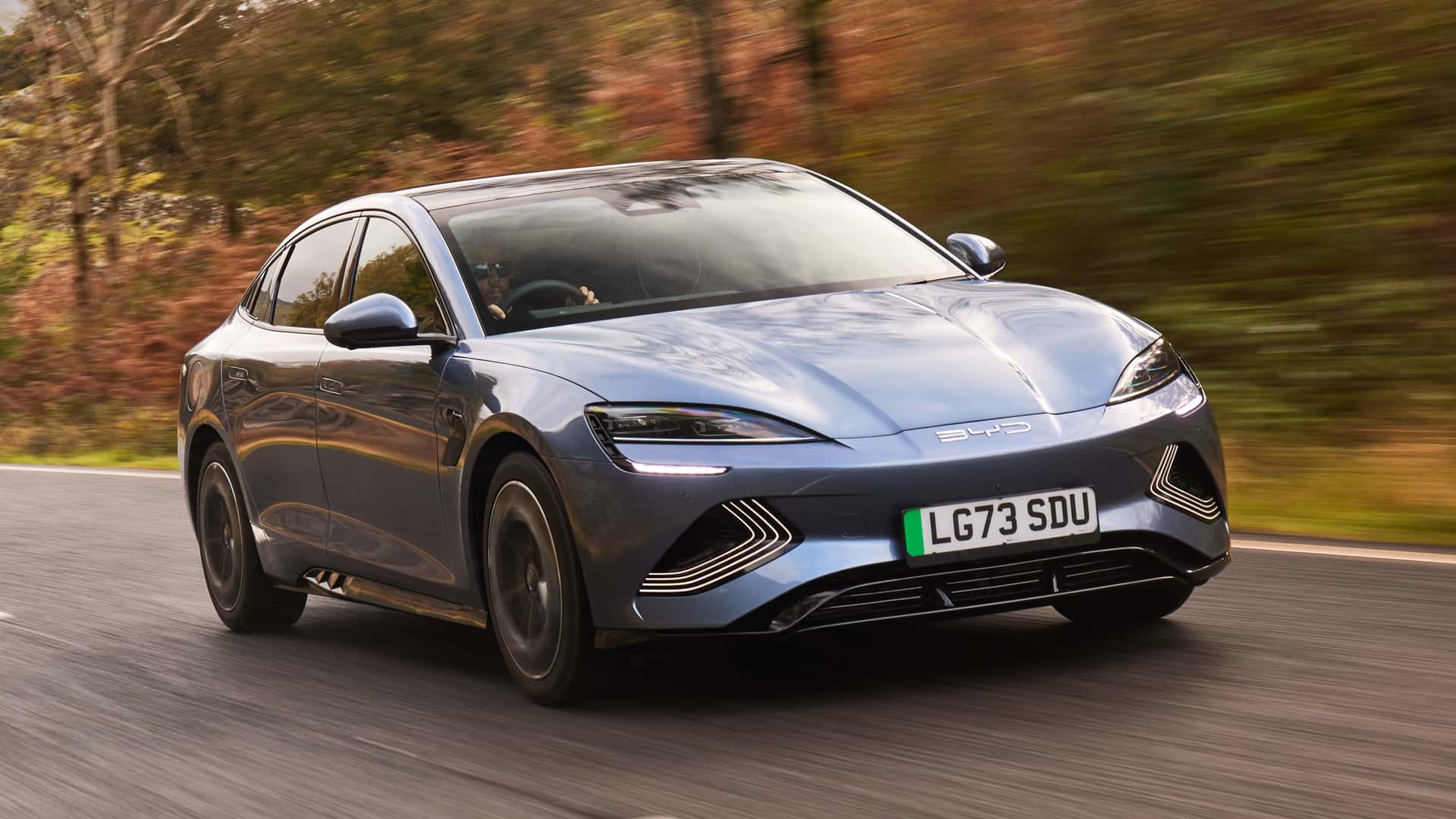
At the epicenter of this disruption is BYD (Build Your Dreams), a manufacturer that has rapidly evolved from a battery specialist into a global automotive titan. According to the most recent ACEA figures, BYD is currently breathing down the neck of Ford, a cornerstone of the European automotive industry for over a century. Through the first eight months of the year, BYD’s registrations surged by a staggering 144.1 percent, reaching a record 234,099 units. Conversely, the "Blue Oval" has endured a difficult period, with its registrations falling by 14.4 percent to 244,938 units during the same timeframe.
With a gap of just 10,839 vehicles separating the two, the probability of a historic handover on the leaderboard before the year’s end is high. This shift represents more than mere statistics; it is a fundamental realignment of market power, driven by contrasting corporate strategies, product agility, and a clear divergence in how legacy firms and new entrants are approaching the electric vehicle (EV) transition.
The Strategy of Expansion vs. The Strategy of Contraction
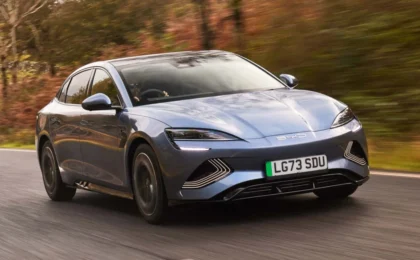
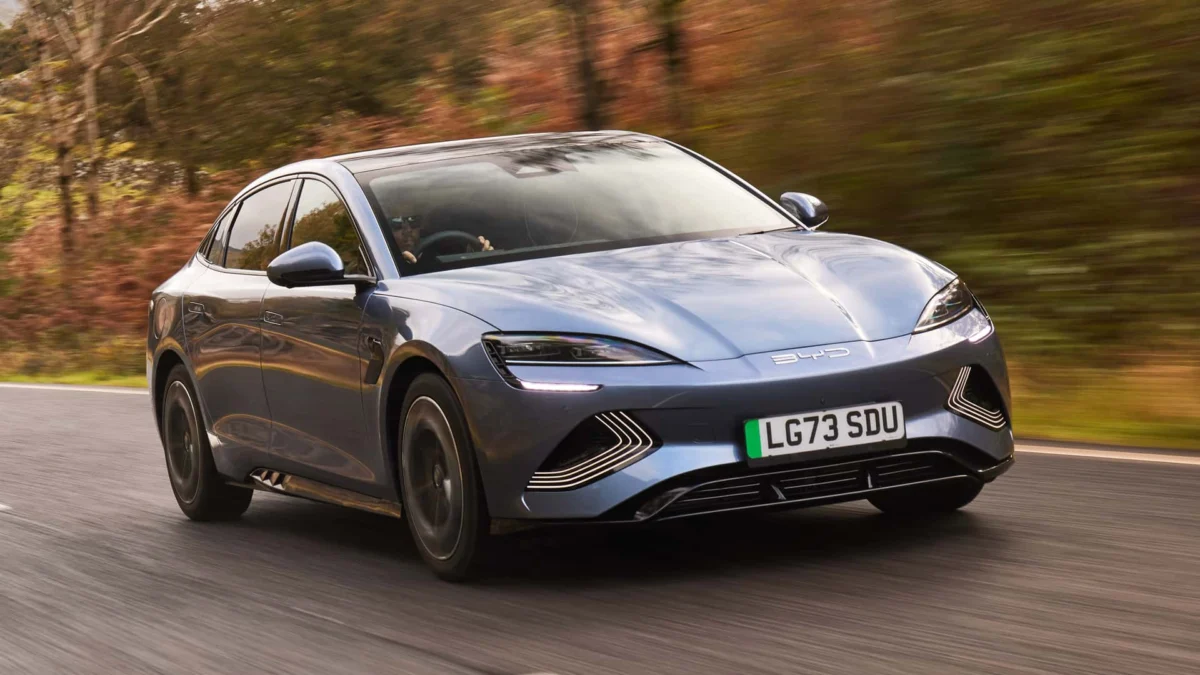
To understand the current volatility in European market share, one must analyze the diametrically opposed strategies of BYD and Ford. BYD has aggressively pursued a strategy of rapid diversification and aggressive market penetration. By flooding the European market with a wide array of electrified offerings—ranging from the high-tech Seal sedan to versatile SUVs—the Chinese automaker has successfully captured a broader demographic. Consequently, BYD’s market share in Europe has more than doubled, climbing from 1.1 percent in the January-August 2025 period to 2.5 percent in the current year.
In stark contrast, Ford of Europe has spent the better part of the last five years engaged in a systematic process of rationalization and downsizing. The company has moved to retire iconic, high-volume nameplates that defined the European driving experience for generations. The Ka, Fiesta, Mondeo, and, most recently, the Focus—a bedrock of the company’s European success—have all been discontinued.
Ford CEO Jim Farley has defended these cuts, noting that while these vehicles were "loved by a lot of customers," they were no longer financially viable in an era requiring massive capital expenditure for electrification and software development. However, the result of this "profit-first" pruning has left a vacuum in the entry-to-mid-level market. Furthermore, Ford’s surviving mainstream models, such as the Puma and the Kuga, are beginning to feel dated, having debuted as far back as 2019. The lag in updating these core products has left the company vulnerable to younger, more technologically advanced Chinese competitors who are iterating their product cycles at a much faster pace.
A Chronology of Disruption: The Rise of the Chinese Conglomerates
The rapid ascent of Chinese automotive groups in Europe is not an overnight phenomenon, but rather the culmination of years of state-supported investment in battery technology and vertical integration.
- 2023: Chinese manufacturers began to pivot from experimental exports to serious, large-scale distribution networks. MG, under the ownership of SAIC, led the charge, proving that European consumers were increasingly open to Chinese-made vehicles if the price-to-performance ratio was competitive.
- Early 2024: The "Big Four" of Chinese automotive expansion—Geely, BYD, SAIC, and Chery—began to see their combined market share breach the 10 percent threshold. This was supported by a massive increase in vehicle shipping capacity and the establishment of local dealer partnerships across Germany, France, and the UK.
- Late 2024 – Present: We are currently witnessing the normalization of these brands. The "curiosity phase" is over. Chinese automakers are now competing directly on technology, build quality, and financing terms. The recent ACEA report confirms that this is no longer just about budget cars; it is about the mass-market segment where Ford has traditionally been king.
Data Analysis: Beyond the Headline Numbers
While the focus has been on the potential overtaking of Ford by BYD, the broader data paints an even more complex picture of European market erosion.
Geely Group—which includes Volvo, Polestar, Lotus, and Lynk & Co—has already surpassed Ford in total registrations, posting 289,128 units through August, an 11.6 percent year-over-year increase. While analysts note that this is not an entirely direct comparison given Geely’s multi-brand portfolio, the underlying trend is undeniable: Chinese-linked conglomerates now command a significant slice of the European pie.
Furthermore, the emergence of Chery is perhaps the most aggressive development of the year. Through its sub-brands—Jaecoo, Jetour, and Omoda—Chery has recorded a staggering 279.7 percent growth, reaching 207,871 registrations. When combined, Geely, BYD, SAIC, and Chery now account for roughly 10.4 percent of all new car registrations in the combined EU/EFTA/UK region. Effectively, one in every ten cars registered in Europe today is backed by a Chinese parent company.
Ford’s Counter-Offensive: The Renault Alliance
Recognizing the existential threat posed by these newcomers, Ford is not sitting idle. The company has initiated a strategic pivot, leveraging partnerships to bridge the gap in its product lineup. A central plank of this recovery plan is a deep-seated collaboration with Renault.
Ford intends to utilize Renault’s expertise and platform architecture to launch a new series of electric vehicles. Rumors persist that this may include a revival of the Fiesta in spirit, if not in name, potentially leveraging the platform used by the critically acclaimed Renault 5. A small crossover, potentially sharing architecture with the Renault 4, is also in the pipeline.
Crucially, Ford has pledged that these will not be simple rebadged "badge-engineering" exercises. The company has promised distinct design language and unique chassis tuning, attempting to retain the "Ford DNA" that has historically made their cars stand out in terms of handling and dynamics. This is part of a broader five-car "rally-bred" lineup intended for the European market by the end of the decade. The strategy also includes a Euro-specific Bronco and two multi-energy crossover replacements for the aging Puma and Kuga.
However, the future remains uncertain for some of the company’s other projects, such as the Volkswagen-based Explorer and the stylish Capri EV, as Ford struggles to balance its legacy identity with the demands of an increasingly competitive and commoditized EV market.
Implications for the Future of European Motoring
The implications of this market shift are profound, extending far beyond the boardroom of Ford or the assembly lines of BYD.
1. Pricing and Consumer Choice
For the European consumer, the influx of Chinese vehicles has introduced a level of pricing pressure that has been absent for years. As Chinese manufacturers leverage economies of scale and vertical integration—especially in battery production—they are able to undercut legacy European pricing while offering higher standard technology suites.
2. The Tariff and Policy Landscape
The European Union’s reaction to this trend is currently a focal point of geopolitical tension. Ongoing discussions regarding tariffs on Chinese-made EVs are intended to protect European jobs and manufacturers, but they represent a double-edged sword. If tariffs become too prohibitive, European consumers may face higher prices and fewer options, potentially slowing the overall transition to electrification.
3. The "Legacy" Identity Crisis
Established automakers face a difficult choice: do they attempt to compete with the Chinese on price—which threatens margins and profitability—or do they move upmarket, focusing on luxury and premium segments? Ford’s current dilemma illustrates this perfectly. By exiting the budget segments, they have inadvertently created a vacuum that BYD and MG have been all too happy to fill.
Final Thoughts: A Market at a Crossroads
The latest registration data from ACEA is a wake-up call for the European automotive industry. While Ford’s potential loss of ground to BYD is a symbolic turning point, the broader trend is the true story. The automotive industry is witnessing the end of a long era of protectionist comfort.
Whether this momentum for Chinese automakers continues will depend on a confluence of factors: the stability of European trade policy, the effectiveness of Ford’s upcoming product offensive, and, ultimately, the consumer’s willingness to embrace new brands. What is clear, however, is that the "Blue Oval" and its European peers can no longer rely on brand loyalty to sustain their market share. In the new, hyper-competitive landscape of European motoring, speed, innovation, and a clear product vision are the only currencies that matter—and for the moment, the challengers have a distinct advantage.