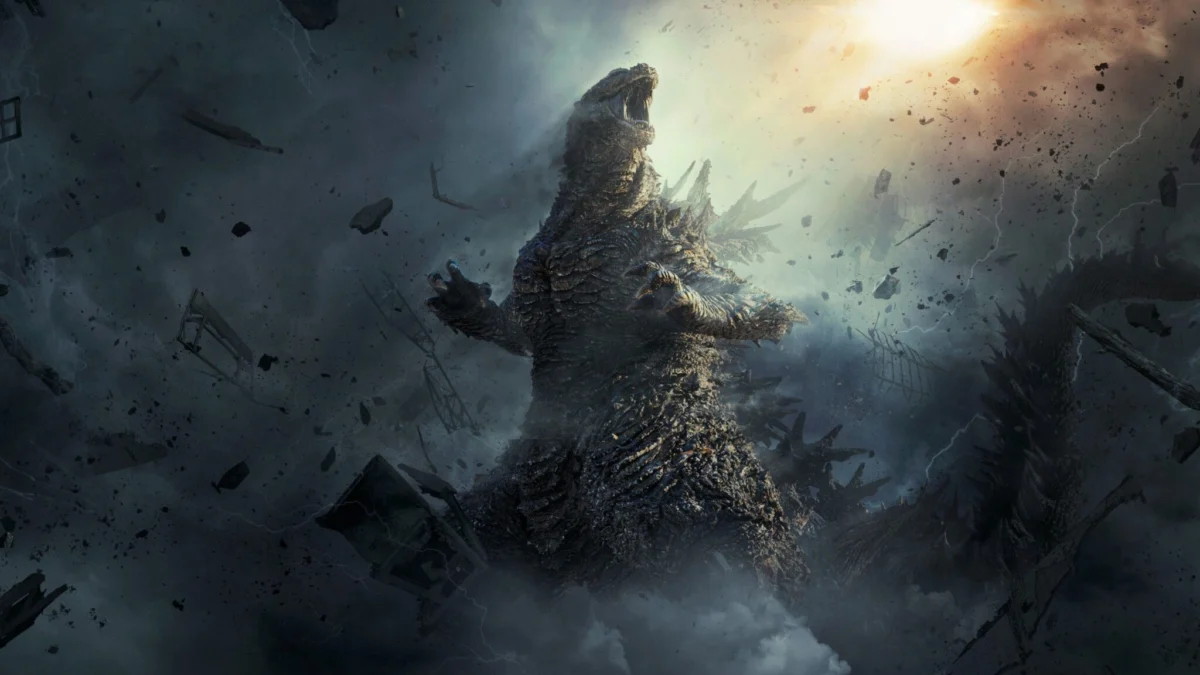
Godzilla is more than just a cinematic icon; he is the living embodiment of raw, atomic violence on a catastrophic scale. Over seven decades, the "King of the Monsters" has been reimagined through a kaleidoscope of lenses: he has been a villain, a hero, a force of nature, and a blunt instrument for corporate synergy. He has been pitted against prehistoric primates in sprawling cinematic universes and used as a biting, bureaucratic satire of modern governance. Yet, despite these diverse iterations, the core of the character remains tethered to a singular, festering wound: the trauma inflicted upon Japan during the final days of World War II.
With the release of Godzilla Minus One in 2023, director Takashi Yamazaki proved that the franchise still possessed the capacity to shock and move global audiences. Now, with his follow-up, Godzilla Minus Zero, arriving in theaters on November 6, 2026, Yamazaki has effectively doubled down on his vision. He has crafted a sequel that is grander in spectacle, deeper in emotional resonance, and unafraid to interrogate the cyclical nature of human violence.
The Chronology of Destruction: From Minus One to Minus Zero
To understand the weight of Godzilla Minus Zero, one must look back at the narrative foundation laid by its predecessor. Godzilla Minus One was a masterclass in economic storytelling, grounding the franchise in the immediate aftermath of the war. It depicted a Japan decimated, struggling to find its footing, and terrorized by a mutated beast fueled by American nuclear testing. By focusing on a ragtag group of veterans—men abandoned by their own government—Yamazaki created a human-centric narrative that elevated the kaiju action from mindless destruction to a fight for national survival.
Godzilla Minus Zero picks up this thread, though it elevates the stakes significantly. The film shifts from the intimate survivalist struggle of the first film to a globe-spanning geopolitical thriller. The narrative introduces a new threat: an extraterrestrial biological entity—a carnivorous, shape-shifting goop—that descends from space and evolves into the legendary three-headed dragon, Ghidorah.
The plot centers on the Large-Scale Disaster Response Bureau, led by the pragmatic Kenji Noda (Hidetaka Yoshioka). Alongside him is Kōichi Shikishima (Ryunosuke Kamiki), the tormented former kamikaze pilot whose redemption arc in the previous film serves as the emotional anchor for this sequel. As the Bureau attempts to neutralize the burgeoning Ghidorah threat, their plans are shattered, triggering the return of Godzilla, who perceives the arrival of an otherworldly predator as a direct challenge to his dominance.
Supporting Data: A Spectacle of Scale and Human Stakes
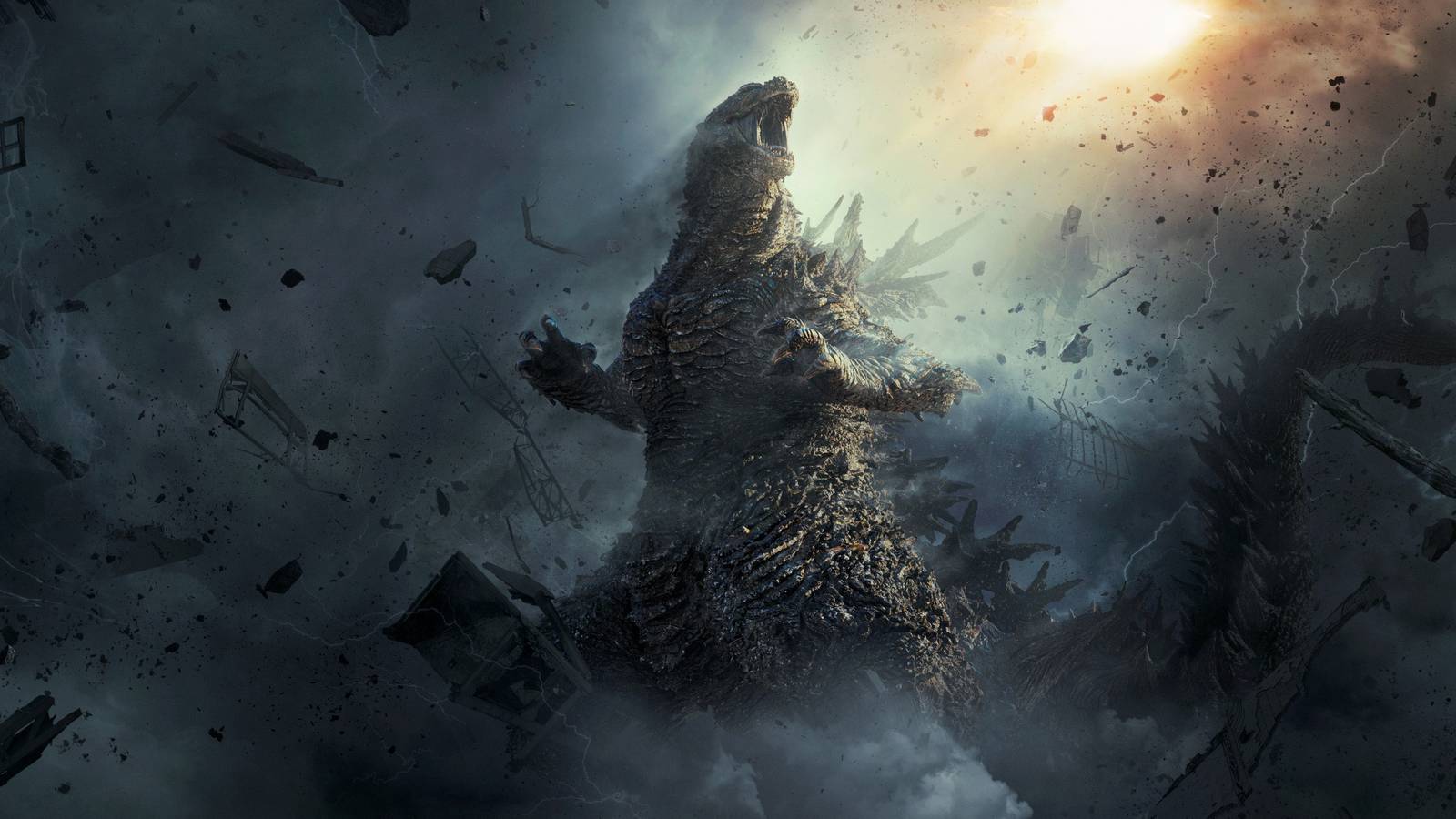
While Godzilla Minus One was lauded for its Jaws-inspired tension and its ability to achieve blockbuster visuals on a lean budget, Minus Zero benefits from a significantly expanded scope. The production design captures the scale of two skyscraper-sized kaiju battling amidst the ruins of Tokyo, a sequence that serves as the film’s visual centerpiece.
However, the film’s true strength—and where it deviates from the standard "monster mash" tropes of the MonsterVerse—is its commitment to the "found family" dynamic. The core trio of Kōichi, his wife Noriko (Minami Hamabe), and their adopted daughter Akiko remains the heart of the story. In a genre where the human element is frequently dismissed as a necessary evil to bridge the action beats, Yamazaki treats his characters with profound respect.
Young Sae Nagatani, playing the role of the daughter, delivers an unexpectedly devastating performance. Her portrayal of a child who has already lost so much, only to face the potential erasure of her surrogate parents, provides the film with its moral center. This humanizing approach ensures that when the monsters clash, the audience is not merely watching an aesthetic spectacle; they are watching the collapse of a world that these characters are desperate to preserve.
The Mirror of History: Nuclear Allegory and the Cycle of Revenge
Perhaps the most provocative aspect of Godzilla Minus Zero is its unapologetic engagement with the trauma of Hiroshima and Nagasaki. Yamazaki does not shy away from visual juxtapositions; he frequently cuts between the absolute destruction wrought by Godzilla and historical, haunting imagery of the atomic aftermath.
In one of the film’s most daring narrative choices, the plot briefly explores a "what-if" scenario: a Japan that, through the lens of extreme nationalism and military fervor, seeks brutal retribution against the United States for the atomic bombings. By allowing this fantasy to play out, Yamazaki effectively turns the camera on the audience. He presents this path of vengeance not as a triumph, but as a path toward total moral bankruptcy. It is a bold, non-subtle condemnation of the "eye-for-an-eye" philosophy that defined the mid-20th century.

As the film suggests, violence is a self-perpetuating cycle. By pitting Japan against a foreign invader (Ghidorah) while Godzilla stands as an omnipresent, uncontrollable variable, the film mirrors the helplessness of nations caught in the crosshairs of great-power conflict.
Official Responses and Industry Context
The reception of Yamazaki’s approach has been overwhelmingly positive, both from critics and the Toho leadership. By pivoting away from the "popcorn" style of Hollywood monster films, Toho has successfully reclaimed the narrative that Godzilla is a creature of deep, cultural significance.
Industry analysts suggest that the success of the Minus films marks a turning point in how international markets consume non-English language cinema. By blending the high-concept, high-budget spectacle of a creature feature with the solemn, grounded drama of post-war historical fiction, Yamazaki has created a template for success that others in the genre are scrambling to replicate.
Implications: Where Does the Franchise Go Next?
The title Godzilla Minus Zero poses a mathematical curiosity. If Minus One represented the status of Japan in the wake of total war, Minus Zero suggests a state of equilibrium—a precarious moment where the country is neither gaining nor losing, but simply holding its breath.
The success of these films begs the question of what happens next. Can the franchise maintain this level of emotional intensity? For fans, the answer lies in the adaptability of the creature. Whether portrayed as a source of terror, a vehicle for satire, or a symbol of grief, Godzilla remains a malleable vessel for the anxieties of the era.

Takashi Yamazaki has proven that he is perhaps the most capable hand currently guiding the monster’s legacy. By refusing to treat the franchise as a simple exercise in IP management, he has ensured that Godzilla remains relevant. As the industry looks toward the future, Godzilla Minus Zero stands as a testament to the fact that even in a world of giant monsters and laser-breathing dragons, the most powerful stories are the ones that reflect the scars, the regrets, and the enduring hope of the human spirit.
For those waiting to experience this return to form, Godzilla Minus Zero hits theaters across the United States on November 6, 2026. It is a film that demands to be seen on the largest screen possible—not just for the spectacle of the kaiju, but for the devastating, necessary truths it dares to tell about the world we have built in the shadow of the bomb.