The conclusion of one of the most ambitious undertakings in modern gaming history is finally on the horizon. Final Fantasy VII Revelation, the third and final installment in Square Enix’s expansive remake trilogy, is poised to reshape our understanding of the "open-world" genre. Following a 45-minute hands-on preview at Gamescom 2026, the industry is buzzing with anticipation. As the trilogy prepares to wrap its seven-year narrative arc, Revelation stands not just as a sequel, but as a culmination of design philosophy, technical prowess, and fan expectation.
The Weight of the Final Chapter
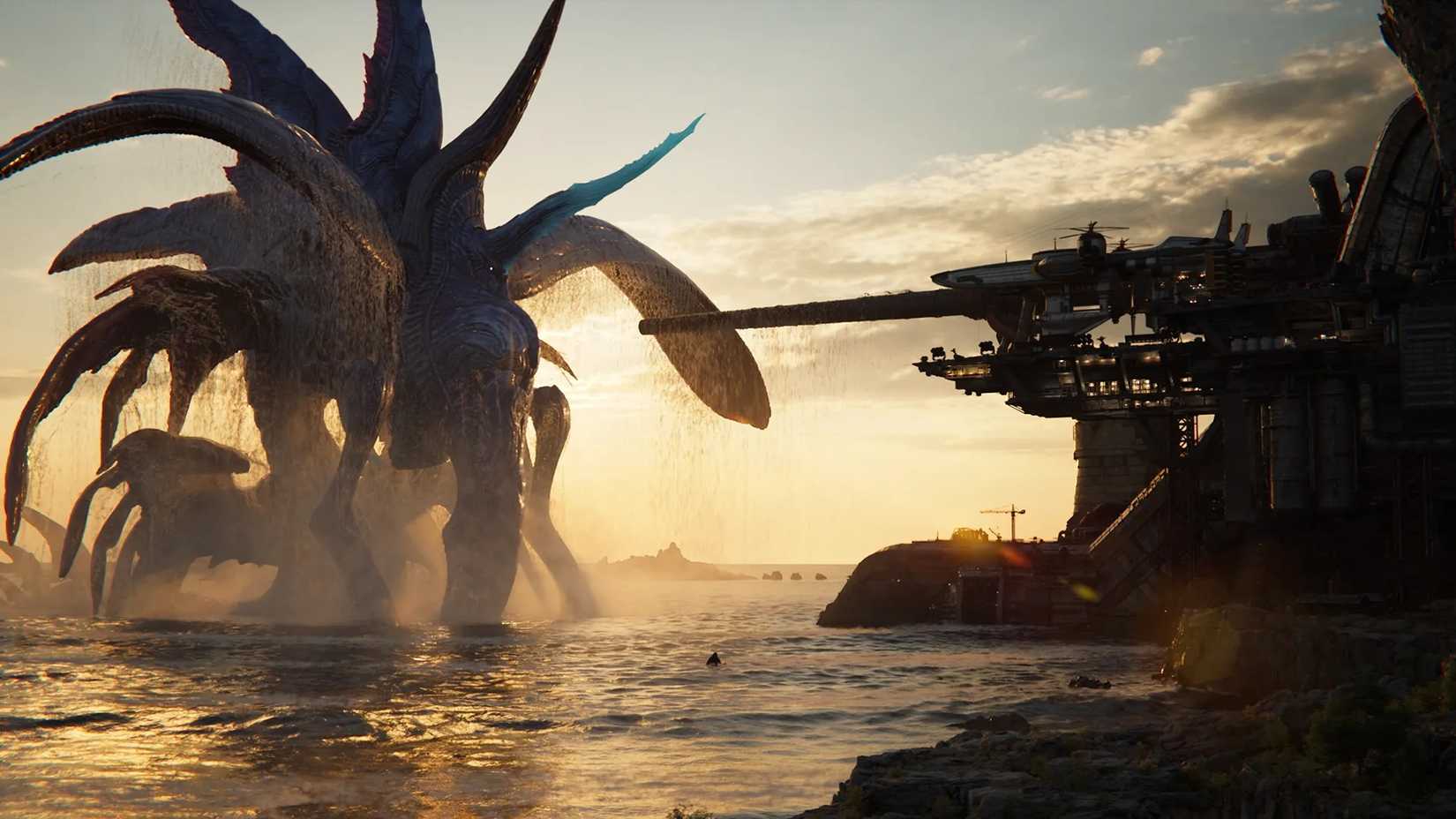
Final Fantasy VII Revelation picks up the mantle immediately following the tumultuous, reality-bending events of Rebirth. The narrative stakes have never been higher; with the party mourning the loss of Aerith and the world facing an existential threat from gargantuan, kaiju-like entities known as Weapons, the tone is one of desperate urgency.
The story introduces new dynamics to the core party, most notably through the addition of the long-awaited pilot Cid Highwind and the mysterious, brooding Vincent Valentine. As the group charts a course toward the isolated ninja nation of Wutai, players are presented with a world that feels more lived-in and volatile than ever before. For those familiar with the original 1997 classic or the previous two entries, the inclusion of Wutai as a fully explorable, major region represents the final piece of the geographical puzzle.
A Seamless World: The Highwind Revolution
The centerpiece of Revelation is, without question, the Highwind. In previous entries, exploration was segmented by regional boundaries or specific modes of transportation. Revelation discards these constraints. The airship serves as a hub of mobility, allowing players to fly across the entire planet, disembark at virtually any point, and transition seamlessly into traversal.

This design choice—the ability to jump from the hangar, parachute down to a previously visited location like the Grasslands or the Gold Saucer, and immediately engage with the world—is a technical marvel. By retaining the environments from Rebirth and expanding upon them, Square Enix has achieved a sense of continuity that is rarely seen in modern gaming. The world no longer feels like a collection of disparate levels; it feels like a cohesive, singular planet. This "you-have-to-play-it-to-believe-it" fluidity is reminiscent of the spatial freedom found in No Man’s Sky, yet anchored by the intimate, character-driven storytelling of a traditional JRPG.
Chronology and Scope: From Midgar to the World’s End
The journey to Revelation began in 2020 with the release of Final Fantasy VII Remake, which focused on the industrial sprawl of Midgar. That title established the combat and the character relationships. Rebirth (2024) expanded the scope to the sprawling landscapes of the Planet. Now, Revelation (2027) seeks to synthesize these elements into a definitive experience.
The demo focused on the beginning of Chapter 4, "House of Cards," a mid-game inflection point where the scope of the threat becomes apparent. It is here that the player truly understands the scale of the Weapons—massive, ancient protectors of the planet that have awakened, causing chaos across the globe. The narrative pacing balances these dire global stakes with the smaller, more personal motivations of the party, ensuring that the player remains emotionally invested despite the massive scale of the conflict.
Supporting Data: Tactical Evolution and Combat Mechanics
While the world-building is the headline, the combat system—already praised for its blend of real-time action and tactical pause-time menus—has received a significant overhaul. The most notable addition is the "Function-Integrated Tactical Suitwear" (FITS) system.

FITS allows characters to switch between four distinct costumes mid-combat: Warrior, Knight, Black Mage, and Summoner. Each set grants unique movesets and strategic advantages, allowing players to pivot their tactical approach on the fly. During the demo, the sheer versatility of the system was evident. Whether switching to a Black Mage to exploit an elemental weakness or shifting to a Knight to weather a barrage of physical attacks, the depth provided by FITS suggests a massive ceiling for high-level play.
Additionally, the new party members bring distinct playstyles to the table. Cid acts as a high-risk, high-reward character, utilizing a staff-based combat style that demands precision. Vincent, conversely, serves as the heavy hitter; his transformation into the Galian Beast allows him to dominate the battlefield with overwhelming power, effectively turning the tide of combat in seconds.
Official Perspectives and Minigame Integration
Square Enix has made it clear that Revelation is an "all-in" project. Despite some criticism regarding "bloat" in Rebirth, the developers have leaned into the feedback, creating a tighter, more cohesive integration of side activities. MAI, the artificial intelligence companion from the previous game, returns to guide players toward combat challenges, materia hunts, and region-specific side quests.
A major focus of these activities is the return and expansion of Queen’s Blood. Fans of the card game will be pleased to know that it returns with a significantly expanded rule set and a new narrative focus. Rather than being tied primarily to Cloud, the game is now a central part of Red XIII’s character arc. This shift not only rewards players who enjoyed the game in Rebirth but also provides a deeper look into the history of the card game itself through the lens of one of the series’ most beloved characters.
Implications: A New Standard for RPGs
When Final Fantasy VII was released in 1997, it defined the standard for the cinematic RPG. Thirty years later, Revelation is attempting to do the same for the modern era. By pushing the boundaries of open-world design, technical performance, and combat complexity, Square Enix is betting that more is better.
Critics might worry about the sheer volume of content, but for the millions of players who have followed this journey since the Midgar sector missions of 2020, Revelation represents the culmination of a decade of artistic and technical growth. It is a bold, uncompromising, and deeply ambitious finale.
Final Release Information
As the wait draws to a close, players should mark their calendars. Final Fantasy VII Revelation is scheduled for a worldwide release on April 8, 2027. The title will be available on PlayStation 5, Windows PC, and Xbox Series X, ensuring that players across the primary gaming ecosystems can participate in the final chapter of this historic trilogy.
Whether it is through the return to the lush, cliff-side architecture of Wutai, the thrill of engaging with the new FITS system, or the emotional weight of the final confrontation with the Weapons, Revelation is shaping up to be the definitive experience that the Final Fantasy VII legacy deserves. After seven years of remaking a masterpiece, Square Enix is finally ready to show us the conclusion of the legend.